
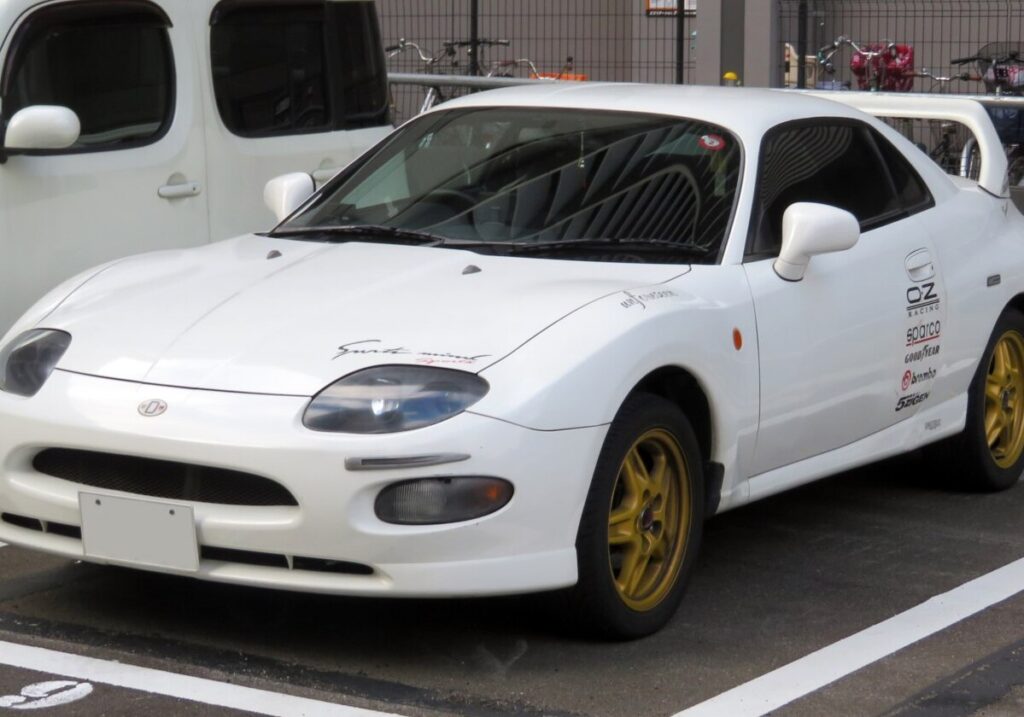
The Mitsubishi FTO, specifically the E-DE3A generation produced between 1994 and 1999, represented Mitsubishi’s attempt to recapture the sporty coupe market. Positioned as a more affordable and accessible alternative to rivals like the Toyota Celica and Honda Prelude, the FTO offered a compelling blend of style, performance, and technology. The 2.0 i V6 24V GPX variant, equipped with a 200 horsepower engine and an automatic transmission, sat at the top of the FTO range, offering the most potent powertrain option. It was primarily marketed in Japan, with limited exports to other regions, including Australia and the United Kingdom.
Technical Specifications
| Brand | Mitsubishi |
| Model | FTO |
| Generation | FTO (E-DE3A) |
| Type | 2.0 i V6 24V GPX (200 Hp) Automatic |
| Start of production | 1994 |
| End of production | 1999 |
| Powertrain Architecture | Internal Combustion engine |
| Body type | Coupe |
| Seats | 2 |
| Doors | 2 |
| Fuel Type | Petrol (Gasoline) |
| Weight-to-power ratio | 6.2 kg/Hp, 161.3 Hp/tonne |
| Weight-to-torque ratio | 6.2 kg/Nm, 161.3 Nm/tonne |
| Power | 200 Hp @ 7500 rpm |
| Power per litre | 100.1 Hp/l |
| Torque | 200 Nm @ 6000 rpm (147.51 lb.-ft. @ 6000 rpm) |
| Engine layout | Front, Transverse |
| Engine displacement | 1998 cm3 (121.93 cu. in.) |
| Number of cylinders | 6 |
| Engine configuration | V-engine |
| Cylinder Bore | 78.4 mm (3.09 in.) |
| Piston Stroke | 69 mm (2.72 in.) |
| Compression ratio | 10:1 |
| Number of valves per cylinder | 4 |
| Fuel injection system | Multi-port manifold injection |
| Engine aspiration | Naturally aspirated engine |
| Valvetrain | DOHC |
| Kerb Weight | 1240 kg (2733.73 lbs) |
| Fuel tank capacity | 60 l (15.85 US gal | 13.2 UK gal) |
| Length | 4320 mm (170.08 in.) |
| Width | 1735 mm (68.31 in.) |
| Height | 1300 mm (51.18 in.) |
| Wheelbase | 2500 mm (98.43 in.) |
| Front track | 1560 mm (61.42 in.) |
| Rear track | 1580 mm (62.2 in.) |
| Drivetrain Architecture | The Internal combustion engine (ICE) drives the front wheels of the vehicle. |
| Drive wheel | Front wheel drive |
| Number of gears | 4 |
| Gearbox type | automatic transmission |
| Front suspension | Wishbone |
| Rear suspension | Coil spring |
| Front brakes | Ventilated discs |
| Rear brakes | Disc |
| Steering type | Steering rack and pinion |
| Power steering | Hydraulic Steering |
| Tires size | 205/50 R16 V |
Powertrain & Engine Architecture
The heart of the FTO GPX is the 6A13 engine, a 2.0-liter, naturally aspirated V6. This engine utilizes a 60-degree V-angle, contributing to a relatively compact engine bay layout. The 6A13 features a double overhead camshaft (DOHC) valvetrain with four valves per cylinder, maximizing breathing and contributing to its high-revving nature. Fuel delivery is managed by a multi-port fuel injection system, ensuring precise fuel metering for optimal performance and efficiency. The engine’s 10:1 compression ratio further enhances its power output. The four-speed automatic transmission, while providing convenience, was a point of contention for some enthusiasts who preferred the more engaging experience of the available five-speed manual. The automatic transmission was designed for smooth shifts, but it did impact acceleration times compared to the manual version.
Driving Characteristics
The 200 hp and 200 Nm (147.51 lb-ft) of torque delivered by the 6A13 engine, coupled with the automatic transmission, provided brisk acceleration. While not a drag racer, the FTO GPX offered a respectable 0-60 mph time in the low-to-mid 7-second range. The automatic transmission’s gear ratios were tuned for a balance between acceleration and fuel economy. However, the automatic did lack the responsiveness and control offered by the manual transmission, particularly during spirited driving. The front-wheel-drive layout, while common for cars in this class, could exhibit some torque steer under hard acceleration. Overall, the driving experience was comfortable and refined, making it a suitable grand tourer for everyday use.
Equipment & Trim Levels
The GPX trim level represented the highest specification available for the FTO. Standard features included power windows, power locks, air conditioning, and a high-quality audio system. The interior was typically finished with sporty fabric upholstery, and the dashboard featured a distinctive instrument cluster with clear, easy-to-read gauges. Optional extras included leather upholstery, a sunroof, and upgraded audio components. The GPX also benefited from unique exterior styling cues, such as a rear spoiler and alloy wheels, differentiating it from the lower trim levels.
Chassis & Braking
The FTO E-DE3A utilized a front-engine, front-wheel-drive layout. The suspension consisted of independent wishbone suspension at the front and a coil spring setup at the rear. This configuration provided a comfortable ride while maintaining reasonable handling characteristics. The braking system featured ventilated discs at the front and solid discs at the rear, providing adequate stopping power for the vehicle’s weight and performance. Hydraulic power steering was standard, offering light and precise steering feel.
Market Reception & Comparison
The Mitsubishi FTO GPX was generally well-received by automotive critics, who praised its stylish design, potent engine, and comfortable interior. However, the automatic transmission was often criticized for detracting from the driving experience. Compared to the FTO’s other engine options – the 1.8-liter inline-four and the 2.0-liter turbocharged engine – the GPX offered the best balance of performance and refinement. The 1.8-liter was more fuel-efficient but lacked the power of the V6, while the turbocharged engine offered even greater performance but came with increased complexity and potential maintenance costs. The FTO competed directly with the Toyota Celica and Honda Prelude, offering a similar level of performance and features at a competitive price point.
Legacy
The Mitsubishi FTO, while not a massive sales success, has gained a cult following among enthusiasts. The 2.0 i V6 24V GPX variant, with its potent engine and relatively rare automatic transmission, is particularly sought after. The 6A13 engine is known for its reliability, provided it is properly maintained. Common issues include oil leaks and sensor failures, but these are generally straightforward to address. Today, the FTO GPX represents a unique and affordable entry point into the world of Japanese sports coupes, offering a blend of style, performance, and reliability that continues to appeal to enthusiasts.
