
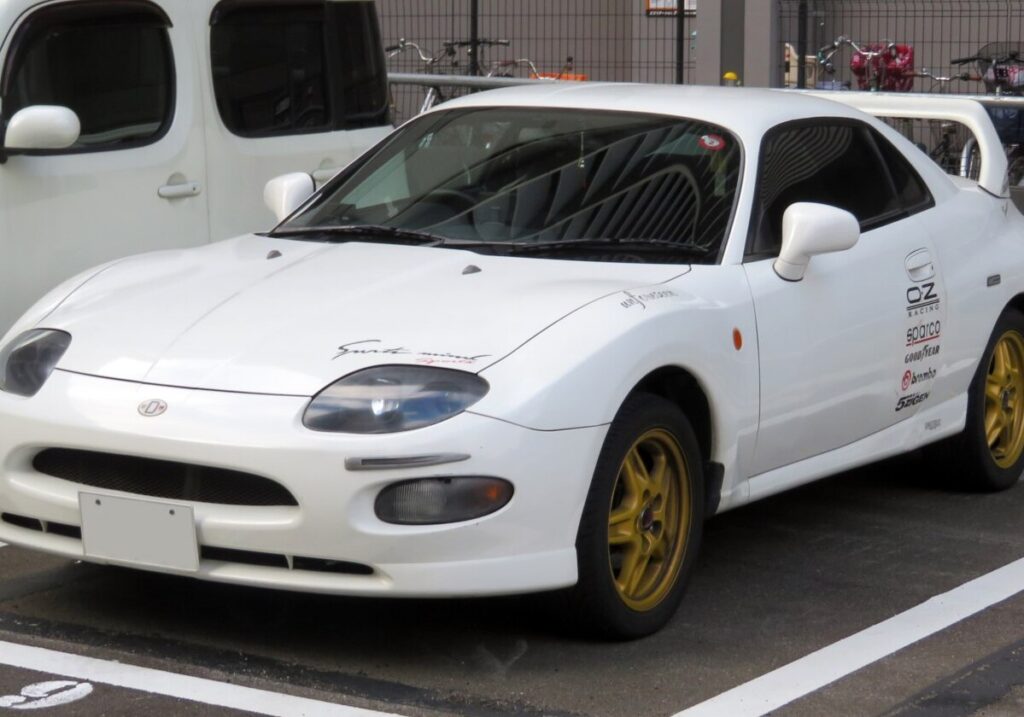
The Mitsubishi FTO, specifically the E-DE3A generation produced between 1997 and 2000, represents a somewhat niche offering from the Japanese automaker. Positioned as a sporty coupe, the FTO aimed to recapture some of the spirit of Mitsubishi’s earlier Starion and 3000GT models, but in a more accessible and affordable package. The 3.0 i V6 24V variant, boasting 225 horsepower, was the top-of-the-line model, offering a significant performance upgrade over the 1.8L and 2.0L versions. It was primarily marketed in Japan, with limited exports to other regions, including Australia and the United Kingdom. The FTO competed with other front-wheel-drive coupes like the Honda Integra Type R and Toyota Celica GT-Four, though it often occupied a slightly different price point and focused more on grand touring comfort than outright track performance.
Technical Specifications
| Brand | Mitsubishi |
| Model | FTO |
| Generation | FTO (E-DE3A) |
| Type (Engine) | 3.0 i V6 24V (225 Hp) |
| Start of production | 1997 |
| End of production | 2000 |
| Powertrain Architecture | Internal Combustion engine |
| Body type | Coupe |
| Seats | 2 |
| Doors | 2 |
| Fuel Type | Petrol (Gasoline) |
| Weight-to-power ratio | 7.4 kg/Hp, 134.7 Hp/tonne |
| Weight-to-torque ratio | 6.1 kg/Nm, 164.7 Nm/tonne |
| Power | 225 Hp @ 6000 rpm |
| Power per litre | 75.7 Hp/l |
| Torque | 275 Nm @ 4500 rpm, 202.83 lb.-ft. @ 4500 rpm |
| Engine layout | Front, Transverse |
| Engine displacement | 2972 cm3, 181.36 cu. in. |
| Number of cylinders | 6 |
| Engine configuration | V-engine |
| Cylinder Bore | 91.1 mm, 3.59 in. |
| Piston Stroke | 76 mm, 2.99 in. |
| Compression ratio | 10:1 |
| Number of valves per cylinder | 4 |
| Fuel injection system | Multi-port manifold injection |
| Engine aspiration | Naturally aspirated engine |
| Valvetrain | DOHC |
| Kerb Weight | 1670 kg, 3681.72 lbs |
| Max. weight | 1890 kg, 4166.74 lbs |
| Max load | 220 kg, 485.02 lbs |
| Fuel tank capacity | 75 l, 19.81 US gal | 16.5 UK gal |
| Length | 4590 mm, 180.71 in |
| Width | 1840 mm, 72.44 in |
| Height | 1285 mm, 50.59 in |
| Wheelbase | 2470 mm, 97.24 in |
| Front track | 1560 mm, 61.42 in |
| Rear (Back) track | 1580 mm, 62.2 in |
| Drivetrain Architecture | The Internal combustion engine (ICE) drives the front wheels of the vehicle. |
| Drive wheel | Front wheel drive |
| Number of gears and type of gearbox | 5 gears, manual transmission |
| Front suspension | Wishbone |
| Rear suspension | Coil spring |
| Front brakes | Ventilated discs |
| Rear brakes | Disc |
| Assisting systems | ABS (Anti-lock braking system) |
| Steering type | Steering rack and pinion |
| Power steering | Hydraulic Steering |
| Tires size | 225/50 R17 |
Powertrain & Engine Architecture
The heart of the FTO 3.0 i V6 is the 6A13 engine, a 2.972-liter (181.36 cubic inches) naturally aspirated V6. This engine utilizes a double overhead camshaft (DOHC) valvetrain with four valves per cylinder, contributing to its high specific output. The engine employs multi-port fuel injection, delivering fuel directly to each intake port for optimized combustion. The 6A13 engine was known for its smooth power delivery and relatively refined character, a departure from some of the more raw and aggressive engines of its era. The standard transmission for this model was a five-speed manual, although a four-speed automatic was also available. The automatic, while offering convenience, did diminish the car’s overall performance potential. The engine code 6A13 is specific to this displacement and output, differentiating it from other V6 engines used in Mitsubishi vehicles.
Driving Characteristics
The FTO 3.0 i V6 with the manual transmission delivers a genuinely engaging driving experience. The engine produces a healthy 225 horsepower, allowing for brisk acceleration and a top speed comfortably exceeding 140 mph. The front-wheel-drive layout, while not ideal for ultimate handling balance, is well-managed by the FTO’s chassis. The suspension, featuring a wishbone setup at the front and coil springs at the rear, provides a good balance between comfort and control. The automatic transmission, however, noticeably softens the driving experience. While it offers smooth shifts, it saps some of the engine’s responsiveness and reduces overall acceleration. Gear ratios are tuned for comfortable cruising rather than outright performance in the automatic variant. The steering, utilizing a hydraulic rack and pinion system, is precise and provides good feedback.
Equipment & Trim Levels
The 3.0 i V6 was the highest trim level of the FTO, and as such, came well-equipped. Standard features included power windows, power locks, air conditioning, and a decent audio system. Interior upholstery typically consisted of sport seats trimmed in a combination of cloth and leather. Optional extras included a sunroof, upgraded audio systems, and various cosmetic enhancements. The dashboard layout was driver-focused, with clearly marked gauges and intuitive controls. The FTO’s interior, while not luxurious, was well-built and offered a comfortable and functional environment.
Chassis & Braking
The FTO’s chassis is a monocoque construction, providing a good level of rigidity. The front suspension utilizes a wishbone design, while the rear employs a coil spring setup. Braking duties are handled by ventilated discs at the front and solid discs at the rear. An Anti-lock Braking System (ABS) was standard equipment, enhancing safety and control during hard braking. The FTO’s suspension tuning was geared towards providing a comfortable ride without sacrificing handling. Stabilizer bars were fitted to both the front and rear axles to reduce body roll during cornering.
Market Reception & Comparison
The Mitsubishi FTO 3.0 i V6 was generally well-received by automotive critics, who praised its stylish design, smooth engine, and engaging driving dynamics. However, some criticized its front-wheel-drive layout, arguing that it limited the car’s handling potential. Compared to the 1.8L and 2.0L FTO models, the 3.0 i V6 offered a significant performance advantage, but at a higher price point. Fuel economy was also lower with the larger engine. Reliability was generally good, although some owners have reported issues with the automatic transmission. The manual transmission variant is generally considered more reliable and desirable among enthusiasts.
Legacy
The Mitsubishi FTO, while not a massive sales success, has gained a cult following among enthusiasts. The 3.0 i V6 variant, in particular, is highly sought after for its performance and rarity. The 6A13 engine is known for its durability and relatively simple maintenance requirements. In the used car market, well-maintained FTO 3.0 i V6 models command a premium price. The FTO represents a unique chapter in Mitsubishi’s history, showcasing the company’s ability to produce stylish and engaging sports coupes. While production ended in 2000, the FTO continues to be appreciated by those who value its blend of performance, comfort, and distinctive design.
