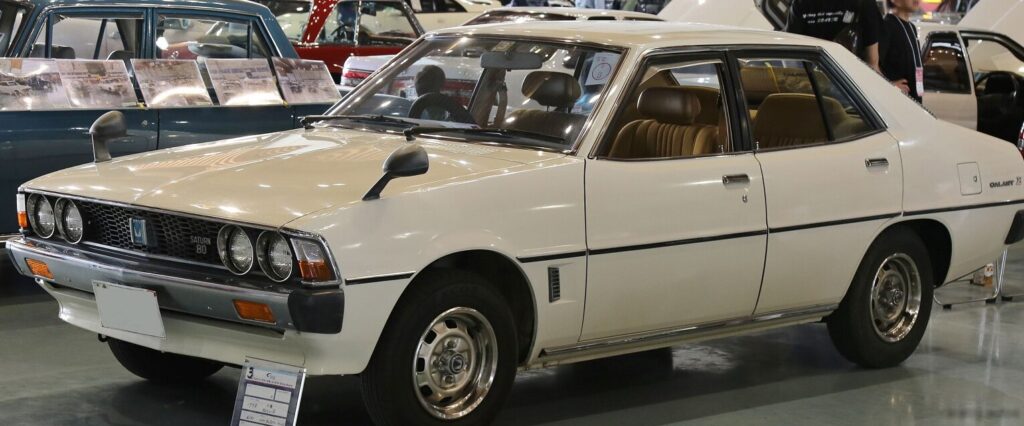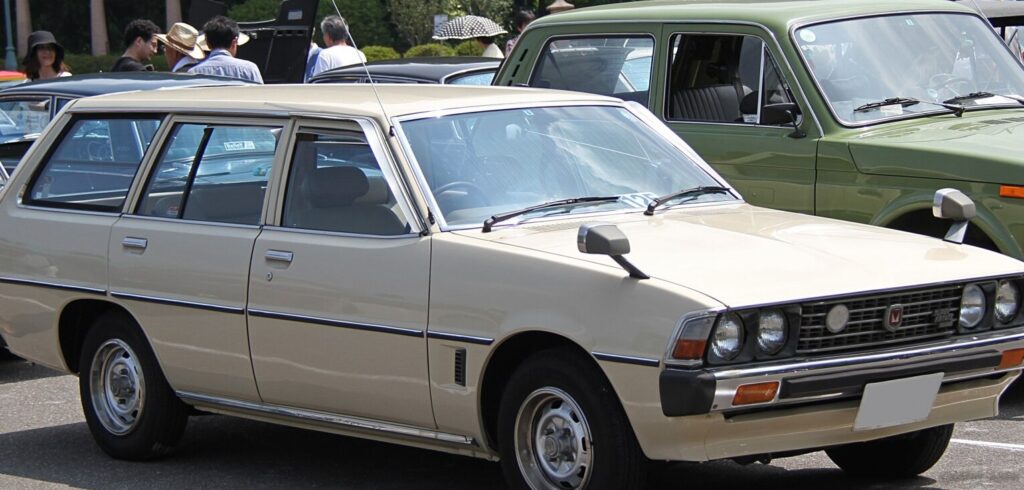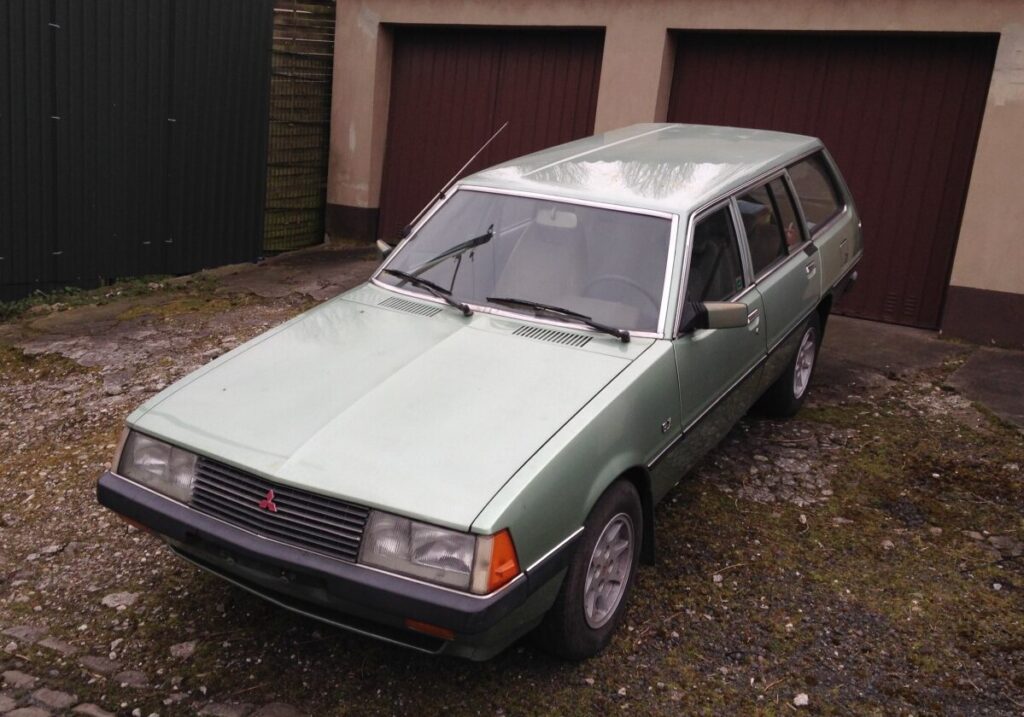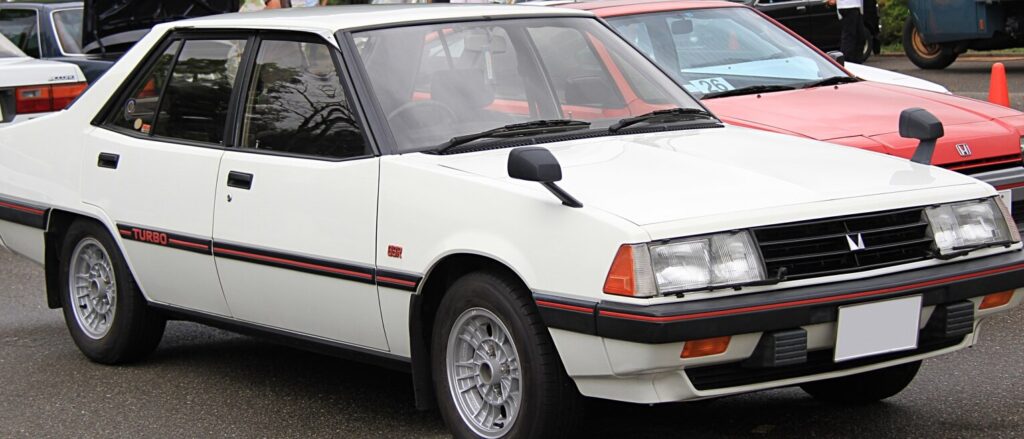
The Mitsubishi Galant IV 2.0 GLS (A163), produced between 1980 and 1984, represented a mid-range offering within the fourth generation of Mitsubishi’s Galant line. This generation, known internally as the A163 series, aimed to provide a more refined and spacious vehicle compared to its predecessors. The 2.0 GLS variant specifically targeted buyers seeking a comfortable and reasonably well-equipped sedan with a balance between performance and fuel economy. It occupied a position between the base models and the more performance-oriented trims, offering a step up in features and power without the higher price tag of the top-spec versions.
The heart of the Galant IV 2.0 GLS was the 4G63 inline-four cylinder engine, displacing 1997cc (2.0 liters). This engine produced 102 horsepower at 5200 rpm and approximately 108 lb-ft of torque at 3000 rpm. The 4G63 featured a single overhead camshaft (SOHC) design with two valves per cylinder. Fuel delivery was managed by a Mikuni-Solex carburetor, a common setup for the era. While not as sophisticated as fuel injection systems becoming available on some competing models, the carburetor provided reliable operation and acceptable performance for the intended market. The engine block was cast iron, contributing to its durability, while the cylinder head was aluminum, helping to reduce weight. The A163 Galant 2.0 GLS was typically paired with a three-speed automatic transmission, although a five-speed manual transmission was also available as an option. The automatic transmission was designed for smooth shifting and ease of use, prioritizing comfort over outright performance.
Driving the 2.0 GLS automatic was characterized by smooth, if not particularly brisk, acceleration. The three-speed automatic transmission offered relatively wide gear ratios, prioritizing fuel economy and comfortable cruising. Acceleration from 0 to 60 mph was estimated to be around 12-13 seconds, which was competitive for its class at the time but noticeably slower than the manual transmission versions or higher-powered Galant trims. The power delivery was linear, with usable torque available from lower engine speeds, making it suitable for everyday driving. Compared to the base model Galants with smaller engines, the 2.0 GLS offered a significant improvement in performance, particularly when fully loaded with passengers or cargo. However, it lacked the sporty feel of the more powerful versions.
The 2.0 GLS trim level included a number of standard features designed to enhance comfort and convenience. Interior appointments typically included cloth upholstery, a woodgrain-trimmed dashboard, and a four-spoke steering wheel. Power steering was standard, making maneuvering easier, particularly in urban environments. Other standard features included a basic AM/FM radio, and often a clock integrated into the dashboard. Optional extras included air conditioning, upgraded sound systems, and power windows. The interior was generally considered spacious for its time, offering comfortable seating for five adults. The exterior styling of the 2.0 GLS was relatively understated, with chrome trim accents and a generally conservative design.
The Galant IV chassis utilized a front independent suspension with MacPherson struts and a rear solid axle with leaf springs. This suspension setup provided a comfortable ride, although it wasn’t particularly sporty. Braking was accomplished via front disc brakes and rear drum brakes. Power assist was standard, providing adequate stopping power for most driving conditions. The steering system was a recirculating ball type, offering reasonable precision but lacking the responsiveness of more modern rack-and-pinion systems. Stabilizer bars were typically included on the 2.0 GLS, helping to reduce body roll during cornering.
Contemporary reviews of the Galant IV 2.0 GLS generally praised its comfortable ride, spacious interior, and reasonable fuel economy. Critics noted that the automatic transmission, while smooth, detracted somewhat from the car’s overall performance. Compared to rivals like the Toyota Corolla and Honda Accord, the Galant offered a similar level of refinement and features, but often at a slightly lower price point. Fuel economy was rated around 22-26 mpg in combined driving, which was competitive for the time. Reliability was generally considered good, although carburetor maintenance could be required periodically. The 2.0 GLS offered a good balance of features and affordability, making it a popular choice for families and commuters.
| Brand | Mitsubishi |
| Model | Galant |
| Generation | Galant IV |
| Type | 2.0 GLS (A163) |
| Production Years | 1980-1984 |
| Engine Type | Inline-4 Cylinder, Petrol (Gasoline) |
| Engine Displacement | 1997cc (2.0 liters) |
| Power Output | 102 hp @ 5200 rpm |
| Torque Output | 108 lb-ft @ 3000 rpm |
| Fuel System | Mikuni-Solex Carburetor |
| Valvetrain | SOHC, 2 valves per cylinder |
| Transmission | 3-speed Automatic (Optional 5-speed Manual) |
| Brakes (Front/Rear) | Disc / Drum |
| Suspension (Front/Rear) | MacPherson Strut / Leaf Spring Solid Axle |
Today, the Mitsubishi Galant IV 2.0 GLS (A163) is a relatively rare sight on the roads. The 4G63 engine, while durable, can be susceptible to age-related issues such as oil leaks and carburetor problems. Parts availability can be challenging, although some components are still available through specialist suppliers. The automatic transmission, if properly maintained, is generally reliable. The car’s relatively simple mechanical design makes it appealing to enthusiasts who enjoy working on older vehicles. While not a highly sought-after classic, well-maintained examples of the 2.0 GLS can command a modest premium in the used car market, appealing to those seeking a nostalgic and affordable vintage sedan.