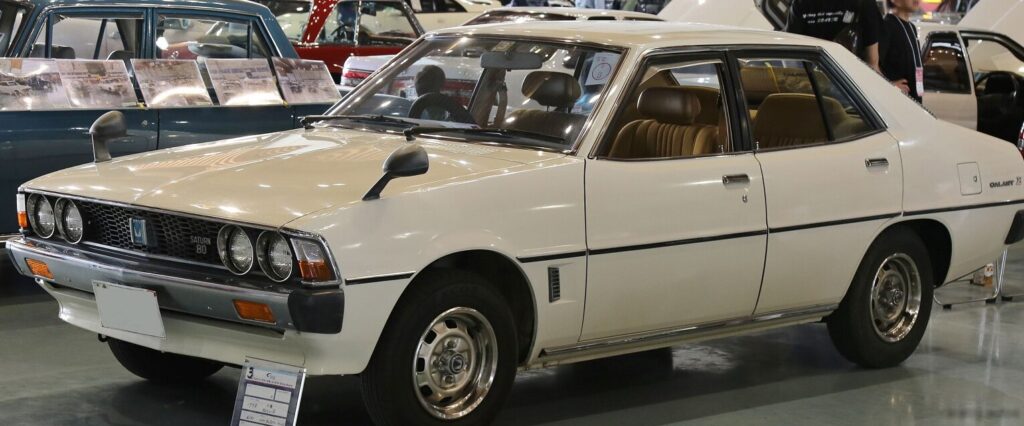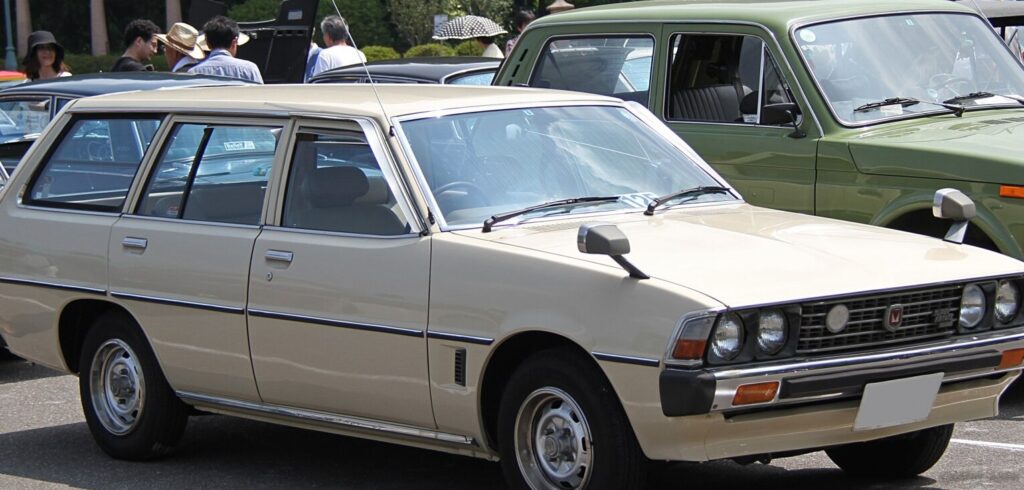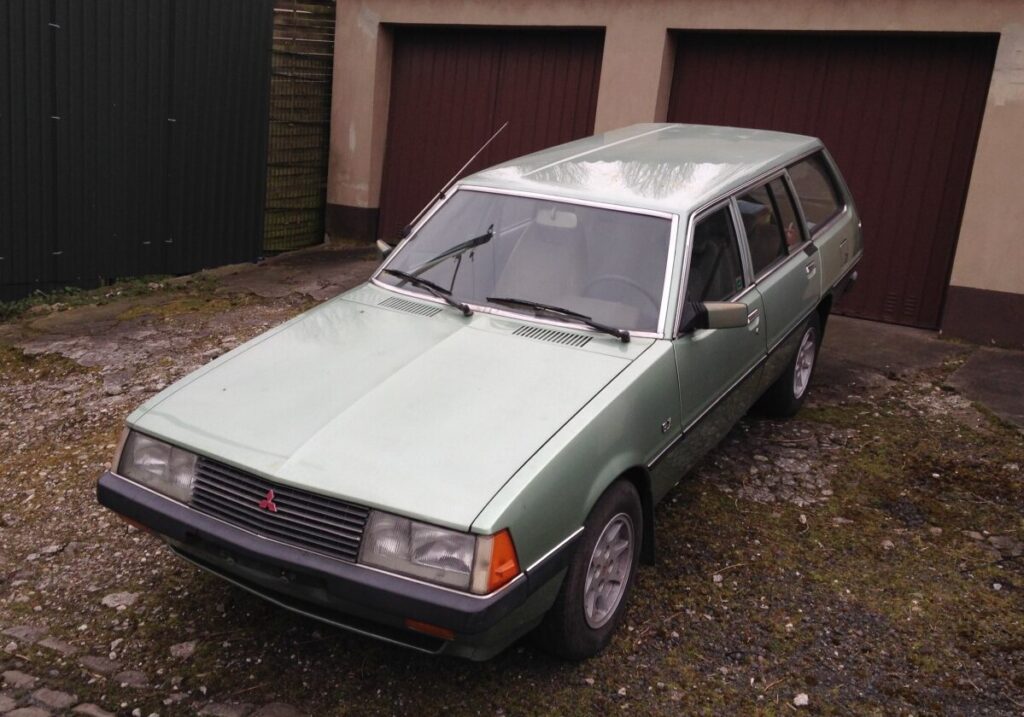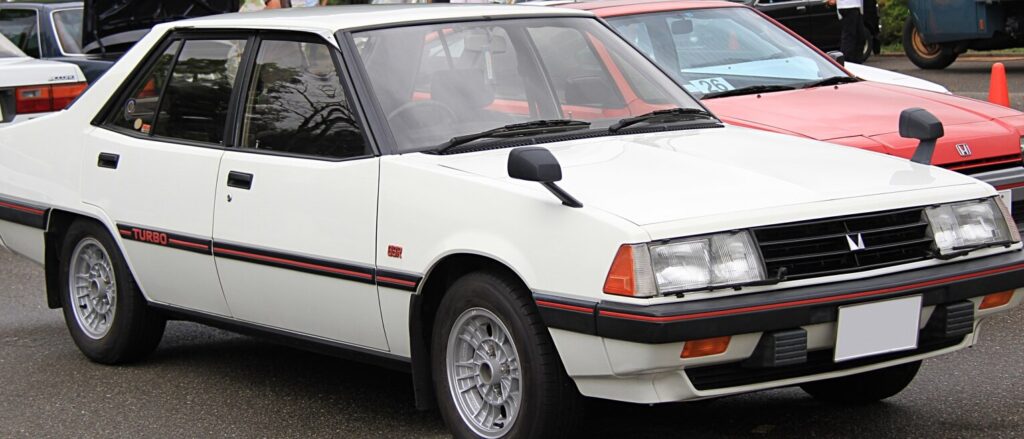
The Mitsubishi Galant IV 2.0 Turbo ECi (A164), produced between 1982 and 1984, represented a significant step forward for Mitsubishi’s mid-size sedan. This variant occupied a premium position within the fourth-generation Galant lineup, offering a blend of performance and luxury not found in the base models. The Galant IV, internally designated as the A164 series, aimed to compete with established Japanese and European sedans, and the 2.0 Turbo ECi was positioned as the flagship performance model. It built upon the success of the preceding Galant models, offering a more refined driving experience and a more modern aesthetic.
The heart of the 2.0 Turbo ECi was the 4G63T engine, a 1997cc inline-four cylinder powerplant featuring a turbocharger and Mitsubishi’s Electronic Concentrated Injection (ECi) fuel system. This system, a precursor to modern electronic fuel injection, utilized sensors and a central control unit to optimize fuel delivery for improved efficiency and power. The engine employed a single overhead camshaft (SOHC) valvetrain with two valves per cylinder. The turbocharger, a key component, boosted power output to 170 horsepower. While specific torque figures varied slightly depending on market, it generally produced around 195 lb-ft of torque. The engine was paired with a three-speed automatic transmission, a common choice for the American market, prioritizing ease of use over outright performance. This transmission was designed to handle the increased power output of the turbocharged engine, though it wasn’t known for its particularly sporty shift characteristics.
Driving the 2.0 Turbo ECi offered a noticeable performance advantage over the naturally aspirated Galant models. The turbocharger provided a surge of power in the mid-range, making overtaking maneuvers easier and providing a more engaging driving experience. However, the three-speed automatic transmission limited the engine’s potential, resulting in a somewhat less responsive feel compared to the available five-speed manual transmission found in other Galant variants. Gear ratios were optimized for comfortable cruising rather than aggressive acceleration. The turbo lag, typical of early turbocharger systems, was also present, requiring drivers to anticipate power delivery. Compared to the base 2.0-liter engine, the turbo version offered a substantial increase in both horsepower and torque, translating to quicker acceleration times and a higher top speed.
The 2.0 Turbo ECi trim level was well-equipped for its time. Standard features typically included power windows, power locks, and air conditioning. Interior upholstery consisted of cloth seats, often in a patterned design. The dashboard featured a woodgrain trim and a comprehensive instrument cluster, including gauges for engine temperature, fuel level, and a boost gauge to monitor turbocharger performance. Optional extras included a sunroof, upgraded sound system, and cruise control. The overall interior design aimed for a balance of comfort and sophistication, reflecting the car’s premium positioning.
The Galant IV chassis utilized a front MacPherson strut suspension and a rear multi-link suspension, providing a comfortable ride and reasonably good handling. The 2.0 Turbo ECi models generally featured thicker stabilizer bars compared to the base models, reducing body roll during cornering. Braking systems consisted of front disc brakes and rear drum brakes. Power steering was standard, making the car easier to maneuver in urban environments. The suspension tuning was geared towards providing a comfortable ride quality, prioritizing passenger comfort over outright sporty handling. The chassis was designed to accommodate the increased power output of the turbocharged engine while maintaining stability and control.
Contemporary reviews of the 2.0 Turbo ECi were generally positive, praising its performance and well-equipped interior. Critics noted the turbocharger’s ability to deliver strong acceleration, but also pointed out the limitations of the three-speed automatic transmission. Fuel economy was reasonable for a turbocharged vehicle of the era, though not exceptional. Reliability was generally good, although the turbocharger system did require more maintenance than a naturally aspirated engine. Compared to other trims, the 2.0 Turbo ECi offered a significant performance upgrade, but at a higher price point. It competed with other turbocharged sedans from Japanese manufacturers, such as the Toyota Cressida and the Mazda 626 Turbo.
| Brand | Mitsubishi |
| Model | Galant |
| Generation | Galant IV |
| Type | 2.0 Turbo ECi (A164) |
| Start of Production | 1982 |
| End of Production | 1984 |
| Engine Type | Inline-4, Turbocharged |
| Engine Displacement | 1997cc (2.0L) |
| Power Output | 170 hp |
| Torque Output | 195 lb-ft (approx.) |
| Fuel System | Electronic Concentrated Injection (ECi) |
| Transmission | 3-speed Automatic |
| Body Type | Sedan |
Today, the Mitsubishi Galant IV 2.0 Turbo ECi (A164) is a relatively rare vehicle, particularly in original condition. The 4G63T engine, while robust, requires regular maintenance to ensure longevity. Turbochargers of this era are prone to wear and tear, and finding replacement parts can be challenging. However, the engine’s inherent durability and the availability of aftermarket support have made it a popular choice for enthusiasts. The car’s classic styling and unique turbocharged powertrain have also contributed to its growing collector appeal. Well-maintained examples command a premium in the used car market, appealing to those seeking a piece of Mitsubishi’s automotive history.