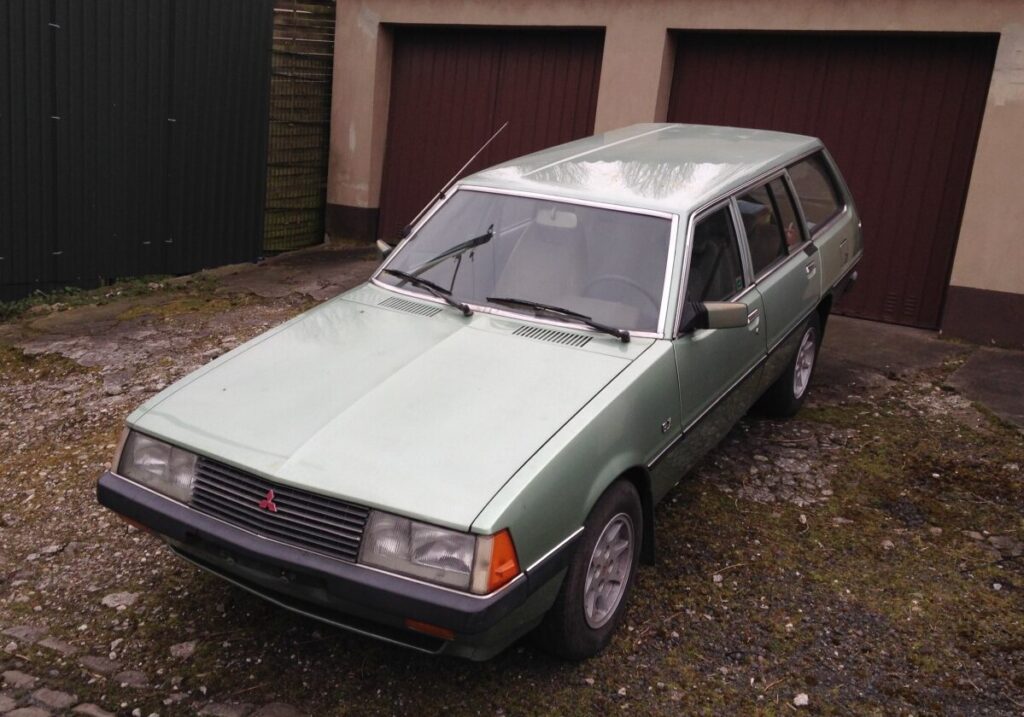
The Mitsubishi Galant IV Wagon 2.3 Turbo-D (A167V), produced from 1983 to 1984, represents a relatively uncommon variant within the fourth generation of the Mitsubishi Galant. This model, a station wagon (estate) body style, was distinguished by its turbocharged 2.3-liter diesel engine, producing 84 horsepower. It occupied a unique position in the Galant IV lineup, offering a blend of practicality, fuel efficiency, and a degree of performance not typically associated with diesel engines of the era. The A167V chassis code specifically identifies this wagon configuration with the 2.3 Turbo-D engine.
The 2.3 Turbo-D Variant: Positioning and Overview
The Galant IV, launched in 1980, aimed to provide a more modern and spacious alternative to its predecessors. The wagon body style, while not as popular as the sedan, catered to buyers needing increased cargo capacity. The 2.3 Turbo-D was positioned as a more economical and torque-rich option compared to the gasoline-powered Galant variants. While the gasoline engines focused on outright power, the Turbo-D prioritized fuel efficiency and low-end grunt, making it suitable for long-distance driving and hauling loads. It was a niche offering, primarily targeted at buyers who valued practicality and economy over sporty performance. The introduction of a turbocharger to the diesel engine was a relatively advanced feature for the time, aiming to mitigate the typical diesel drawbacks of low power and sluggish acceleration.
Powertrain & Engine Architecture
The heart of the Galant IV Wagon 2.3 Turbo-D is its 4D55 2.3-liter inline-four diesel engine. This engine is a naturally aspirated diesel that was fitted with a turbocharger to increase power output. The 4D55 engine features a cast iron block and an aluminum cylinder head. It utilizes indirect injection, a common diesel technology of the early 1980s, where fuel is injected into the pre-chamber before entering the main combustion chamber. This design aids in smoother combustion and reduced engine noise compared to direct injection systems. The turbocharger, a Garrett unit, forces more air into the engine, allowing for increased fuel combustion and, consequently, more power. The engine’s lubrication system is a conventional wet sump design. The cooling system is a liquid-cooled setup with a radiator and thermostat to maintain optimal operating temperatures.
The transmission paired with the 2.3 Turbo-D engine is a four-speed automatic transmission. This transmission was chosen to provide ease of use and convenience, appealing to a broader range of drivers. The automatic transmission features a torque converter, which multiplies engine torque at low speeds, improving acceleration. The gear ratios are tuned for fuel efficiency and comfortable cruising, rather than aggressive acceleration. The transmission is electronically controlled, a relatively advanced feature for the time, allowing for smoother and more precise gear changes.
Driving Characteristics
The driving experience in the Galant IV Wagon 2.3 Turbo-D is characterized by its strong low-end torque. The turbocharger provides a noticeable boost in power, particularly in the mid-range, allowing for effortless overtaking and hill climbing. However, the 84 horsepower output limits overall acceleration. Compared to the gasoline-powered Galant variants, the Turbo-D feels significantly slower, especially at higher speeds. The automatic transmission contributes to a relaxed driving experience, but it can feel somewhat sluggish during quick acceleration maneuvers. The turbo lag, a common characteristic of early turbocharger systems, is also noticeable, requiring a slight delay before the power boost kicks in. The wagon’s suspension is tuned for comfort, providing a relatively smooth ride, even on uneven surfaces. However, this comes at the expense of handling precision, with noticeable body roll during cornering.
Equipment & Trim Levels
The Galant IV Wagon 2.3 Turbo-D was generally equipped with a moderate level of standard features. Interior appointments typically included cloth upholstery, a basic dashboard layout with analog gauges, and a two-spoke steering wheel. Power steering was often included, but air conditioning was typically an optional extra. Other available options included a radio/cassette player, upgraded sound system, and power windows. The trim level was generally consistent across the 2.3 Turbo-D wagons, with limited customization options available. The focus was on providing a functional and practical vehicle rather than luxurious appointments. The exterior featured steel wheels with hubcaps, chrome bumpers, and relatively simple body trim.
Chassis & Braking
The Galant IV Wagon utilizes a front independent suspension with MacPherson struts and a rear semi-trailing arm suspension. This suspension setup provides a reasonable balance between ride comfort and handling. The chassis is a body-on-frame construction, providing a robust and durable platform. The braking system consists of front disc brakes and rear drum brakes. The disc brakes provide better stopping power and heat dissipation compared to drum brakes, but the rear drum brakes were a cost-saving measure. Power-assisted braking was standard, reducing driver effort during braking. The steering system is a recirculating ball steering system, providing a relatively simple and reliable steering experience. Stabilizer bars were fitted to both the front and rear suspension to reduce body roll during cornering.
Market Reception & Comparison
The Mitsubishi Galant IV Wagon 2.3 Turbo-D received mixed reviews from automotive critics. While the fuel efficiency and low-end torque were praised, the limited horsepower and turbo lag were criticized. Compared to other wagons of the era, such as the Volvo 240 or the Ford Sierra Estate, the Galant IV Wagon offered a more affordable option, but lacked the same level of refinement and build quality. Within the Galant IV lineup, the 2.3 Turbo-D was positioned as the economy-focused option, appealing to buyers who prioritized fuel efficiency over performance. The gasoline-powered Galant variants offered more power and a sportier driving experience, but at the expense of fuel economy. The 2.0-liter gasoline engine was the most common engine choice in the Galant IV range, offering a balance between performance and economy. The 2.6-liter gasoline engine provided more power, but was less fuel-efficient.
Technical Specifications
| Engine Type | 4D55 2.3L Turbo Diesel Inline-4 |
| Displacement | 2297 cc (140.1 cu in) |
| Horsepower | 84 hp @ 3600 rpm |
| Torque | 142 lb-ft @ 2400 rpm |
| Fuel System | Indirect Injection, Turbocharged |
| Transmission | 4-Speed Automatic |
| Drivetrain | Rear-Wheel Drive |
| Brakes (Front) | Disc |
| Brakes (Rear) | Drum |
| Suspension (Front) | MacPherson Strut |
| Suspension (Rear) | Semi-Trailing Arm |
| Weight | Approximately 2800 lbs (1270 kg) |
| Fuel Economy (Estimated) | 25-30 mpg (US) |
Legacy
The Mitsubishi Galant IV Wagon 2.3 Turbo-D, while not a high-volume seller, holds a unique place in Mitsubishi’s history. The 4D55 engine proved to be a relatively durable and reliable powerplant, capable of high mileage with proper maintenance. Today, finding a well-maintained example is becoming increasingly difficult. The Turbo-D variant is sought after by enthusiasts who appreciate its rarity and unique character. The automatic transmission, while not known for its sportiness, has proven to be reasonably reliable. Common issues with these vehicles include turbocharger wear, fuel injection system problems, and rust, particularly in areas with harsh winters. In the used car market, the Galant IV Wagon 2.3 Turbo-D commands a modest premium over the gasoline-powered variants, reflecting its rarity and appeal to collectors. Its legacy lies in being a pioneering example of a turbocharged diesel wagon, offering a blend of practicality, fuel efficiency, and a distinctive driving experience.