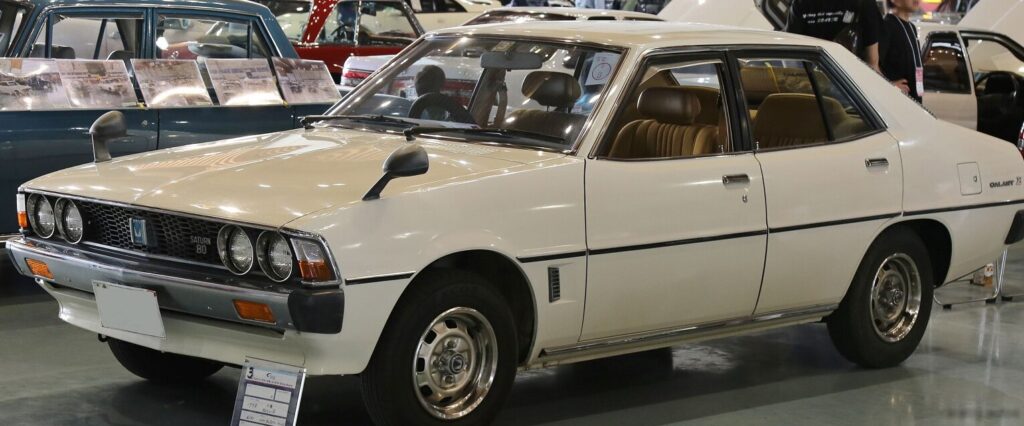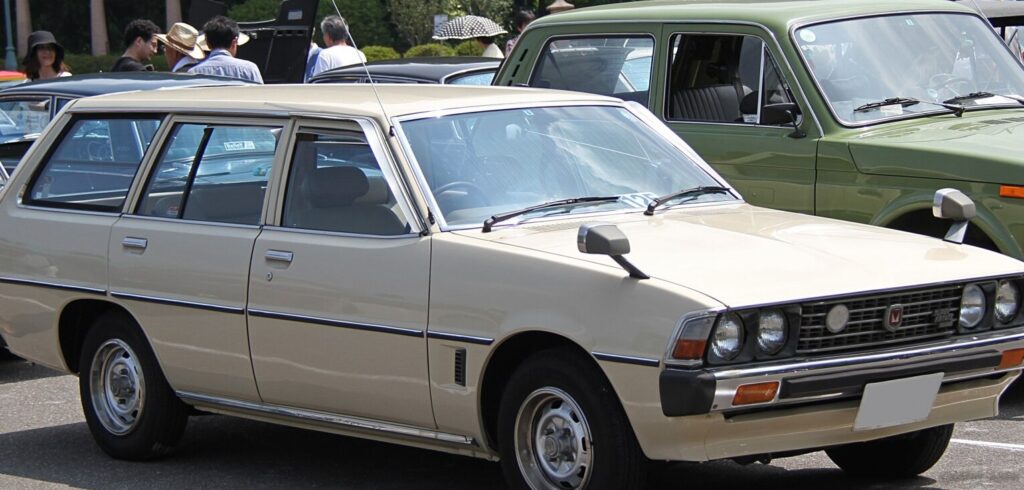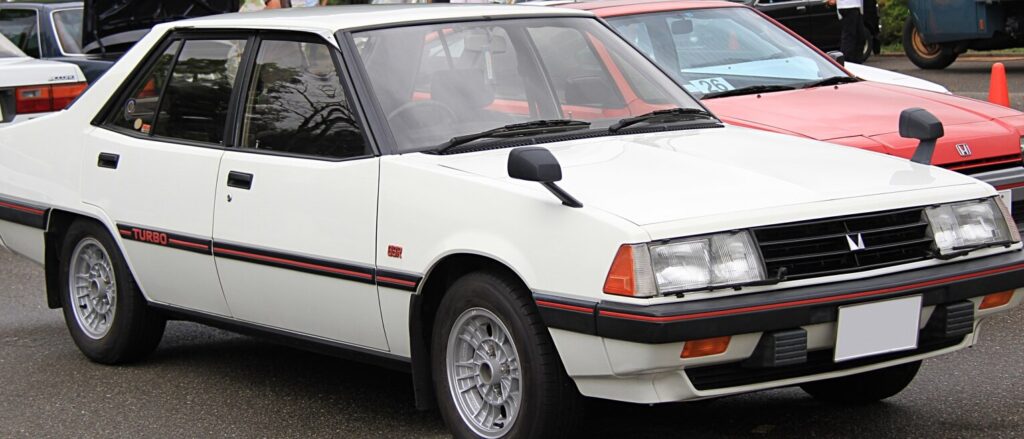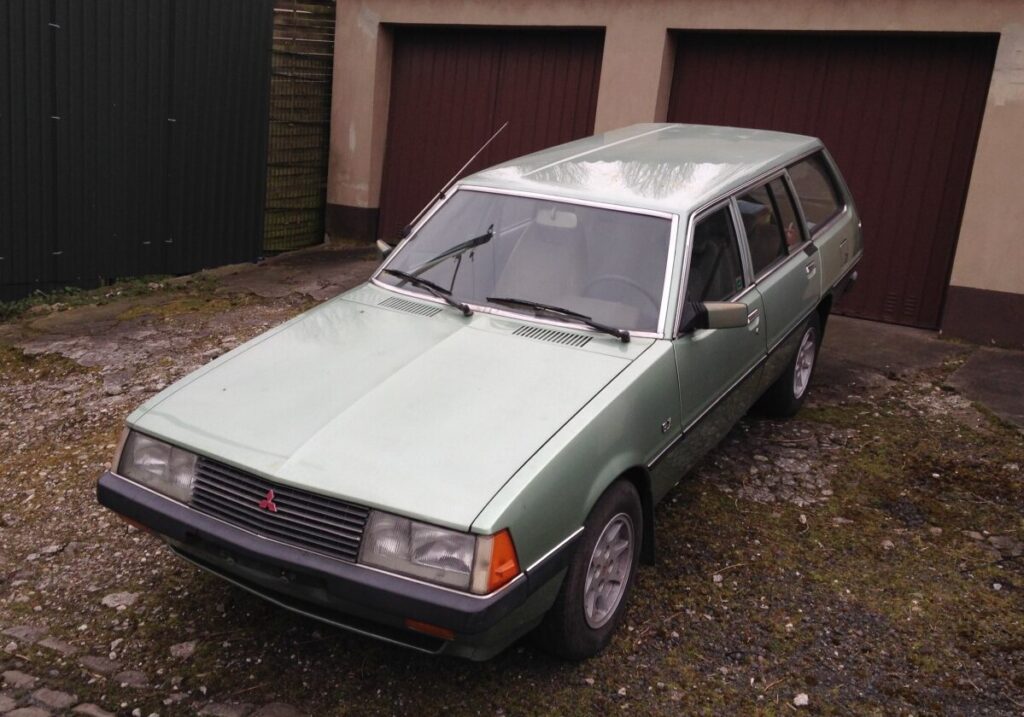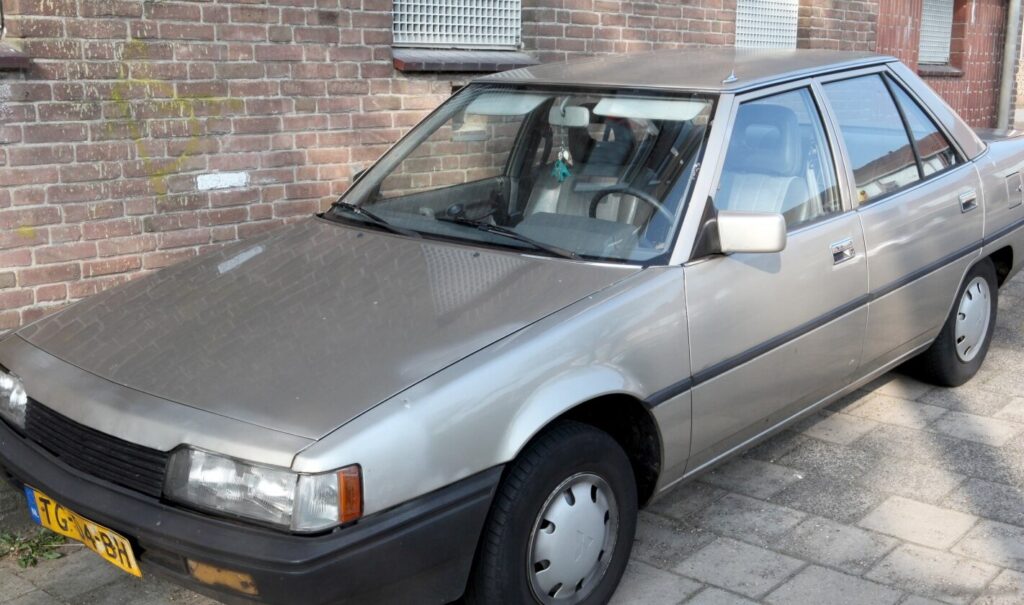
The Mitsubishi Galant V 1.6 GLX Automatic, produced between 1984 and 1987, represented the entry-level powertrain option for the fifth generation of Mitsubishi’s mid-size sedan. Part of the broader Galant V series (internally designated as the fifth generation), this variant occupied a crucial position in the lineup, offering a balance of affordability and practicality for buyers seeking a comfortable and reliable family car. It was positioned below the more powerful, often fuel-injected, versions of the 1.6L engine and significantly below the larger displacement 2.0L and 2.6L models available during the same period. The Galant V series itself was built upon the Mitsubishi 1HX0/A3 platform, a chassis shared with other Mitsubishi models of the era, including the Dodge Conquest and Eagle Talon.
Powertrain & Engine Architecture
The heart of the Galant V 1.6 GLX Automatic was the 4G32 engine, a 1.6-liter (1597 cc) inline-four cylinder gasoline engine. This engine produced 75 horsepower at 5500 rpm and 122 Nm (89.98 lb-ft) of torque at 3500 rpm. The 4G32 featured a cast iron block and an aluminum cylinder head, a common configuration for engines of this era. Critically, this specific GLX trim utilized a carburetor for fuel delivery, rather than the multi-point fuel injection systems found on some higher-spec Galant V models. This carburetor setup, while simpler and less expensive, contributed to slightly lower performance and increased fuel consumption compared to the fuel-injected variants. The engine employed a single overhead camshaft (SOHC) valvetrain with two valves per cylinder.
The engine was mated to a four-speed automatic transmission. This transmission, while providing ease of use, was not known for its particularly sporty characteristics. Gear ratios were optimized for fuel economy and smooth cruising rather than rapid acceleration. The automatic transmission was a key selling point for buyers prioritizing convenience, particularly in the American market where automatic transmissions were becoming increasingly popular. The transmission was front-wheel drive, a configuration becoming standard for family sedans during the 1980s.
Engine Specifications
The 4G32 engine in the 1.6 GLX Automatic had a bore of 76.9 mm (3.03 in) and a stroke of 86 mm (3.39 in), resulting in a compression ratio of 9:1. This relatively low compression ratio was typical for engines designed to run on the available gasoline grades of the time. The engine’s power output of 47 hp per liter was fairly typical for naturally aspirated engines of this displacement in the mid-1980s.
Driving Characteristics
The driving experience in the Galant V 1.6 GLX Automatic was characterized by smooth, predictable performance. Acceleration from 0 to 60 mph took approximately 12 seconds, and the car had a top speed of around 100.66 mph (162 km/h). Compared to the manual transmission versions of the 1.6L engine, the automatic transmission resulted in a noticeable decrease in acceleration due to power losses within the torque converter and the transmission itself. The automatic transmission also tended to hold lower gears for longer periods, contributing to a more relaxed driving style. Compared to the larger-displacement Galant V models (like the 2.6L), the 1.6L engine felt noticeably less powerful, particularly when fully loaded with passengers and cargo. However, the 1.6L engine was generally considered adequate for everyday driving and commuting.
The automatic transmission’s gear ratios were geared towards fuel efficiency. The first gear was relatively short for initial acceleration, but subsequent gears were taller, prioritizing highway cruising. This resulted in a comfortable ride at highway speeds, but required more aggressive throttle input for passing maneuvers.
Equipment & Trim Levels
The 1.6 GLX Automatic trim level represented a mid-range offering within the Galant V lineup. Standard features typically included cloth upholstery, a basic AM/FM radio, and manual windows and door locks. Air conditioning was often an optional extra, as were power windows and upgraded audio systems. The interior design was functional and straightforward, reflecting the car’s focus on practicality and affordability. The dashboard featured a simple instrument cluster with a speedometer, fuel gauge, and temperature gauge. The GLX trim generally offered a slightly more refined interior finish compared to the base model, with improved seat materials and trim accents.
Chassis & Braking
The Galant V 1.6 GLX Automatic utilized a front-wheel drive chassis with independent MacPherson strut suspension in the front and a semi-independent torsion beam suspension in the rear. This suspension setup provided a comfortable ride, although it wasn’t particularly sporty. The front brakes were disc brakes, providing adequate stopping power, while the rear brakes were drum brakes, a cost-saving measure common in this class of vehicle. The steering system was a rack and pinion setup, offering reasonably precise steering feel. The car rode on 165 SR 13 tires, which were typical for vehicles of this size and era. Stabilizer bars were often included, but their thickness varied depending on the specific market and optional equipment.
Market Reception & Comparison
The Mitsubishi Galant V 1.6 GLX Automatic was generally well-received by automotive critics as a practical and reliable family sedan. It was praised for its comfortable ride, spacious interior, and reasonable fuel economy. However, it was also criticized for its relatively modest performance and somewhat dated styling. Compared to other sedans in its class, such as the Toyota Camry and Honda Accord, the Galant V offered a competitive price point but lacked the same level of refinement and performance. The 1.6L engine, particularly in automatic transmission form, was often seen as underpowered compared to the larger engines offered in the Galant V lineup. Fuel economy was rated at 7.5 l/100 km (31.4 US mpg, 37.7 UK mpg), which was competitive for the time, but the fuel-injected versions of the 1.6L engine offered slightly better fuel efficiency.
Reliability was generally considered good, although the carburetor-equipped engine required more frequent maintenance than the fuel-injected versions. The automatic transmission was generally reliable, but could be prone to wear and tear over time, particularly if not properly maintained.
Technical Specifications
| Brand | Mitsubishi |
| Model | Galant |
| Generation | Galant V |
| Type | 1.6 GLX (75 Hp) Automatic |
| Start of production | 1984 |
| End of production | 1987 |
| Engine Type | Internal Combustion Engine (Petrol/Gasoline) |
| Body Type | Sedan |
| Seats | 5 |
| Doors | 4 |
| Fuel Consumption (Urban) | 10.1 l/100 km (23.3 US mpg) |
| Fuel Consumption (Extra Urban) | 5.9 l/100 km (39.9 US mpg) |
| Fuel Consumption (Combined) | 7.5 l/100 km (31.4 US mpg) |
| Acceleration 0-100 km/h | 12.6 sec |
| Acceleration 0-60 mph | 12 sec |
| Maximum Speed | 162 km/h (100.66 mph) |
| Engine Displacement | 1597 cm3 (97.45 cu. in.) |
| Engine Power | 75 Hp @ 5500 rpm |
| Engine Torque | 122 Nm @ 3500 rpm (89.98 lb-ft) |
| Engine Code | 4G32 |
| Engine Configuration | Inline-4 |
| Compression Ratio | 9:1 |
| Fuel Injection System | Carburetor |
| Kerb Weight | 1065 kg (2347.92 lbs) |
| Fuel Tank Capacity | 60 l (15.85 US gal) |
| Length | 4560 mm (179.53 in) |
| Width | 1695 mm (66.73 in) |
| Height | 1395 mm (54.92 in) |
| Wheelbase | 2600 mm (102.36 in) |
| Gearbox | 4-speed Automatic |
| Brakes (Front) | Disc |
| Brakes (Rear) | Drum |
Legacy
The Mitsubishi Galant V 1.6 GLX Automatic, while not the most powerful or technologically advanced version of the Galant V, remains a reasonably popular choice among classic car enthusiasts and collectors. Its simplicity and affordability make it an attractive option for those seeking a reliable and easy-to-maintain vintage sedan. The 4G32 engine, while carburetor-equipped, is generally considered durable and relatively easy to repair. However, finding parts for these older vehicles can be challenging. In the used car market today, these Galants typically command modest prices, reflecting their age and mileage. The automatic transmission, if well-maintained, can provide years of service, but may eventually require rebuilding. Overall, the Galant V 1.6 GLX Automatic represents a solid and dependable example of 1980s Japanese automotive engineering.