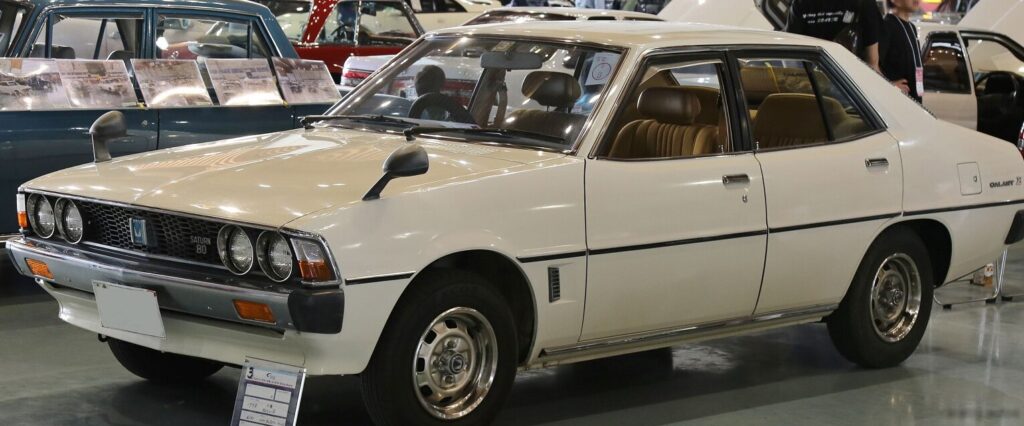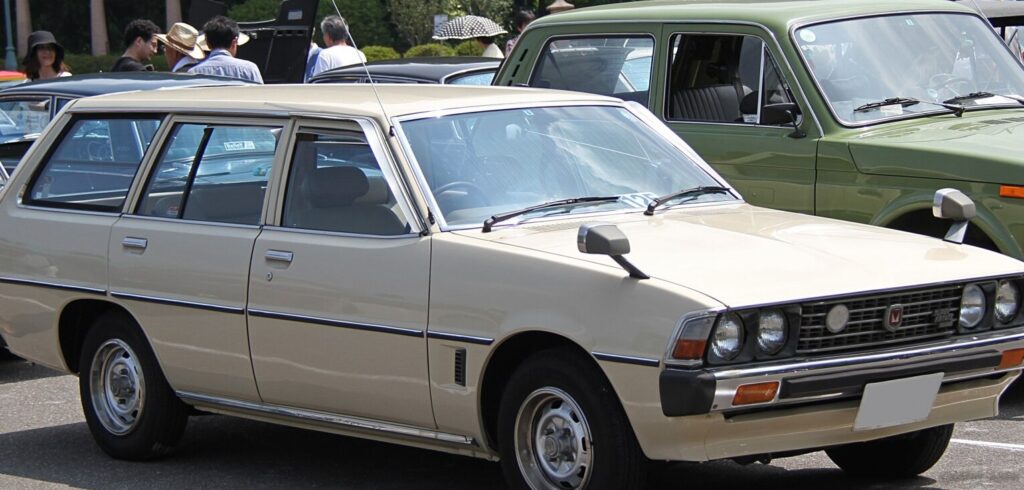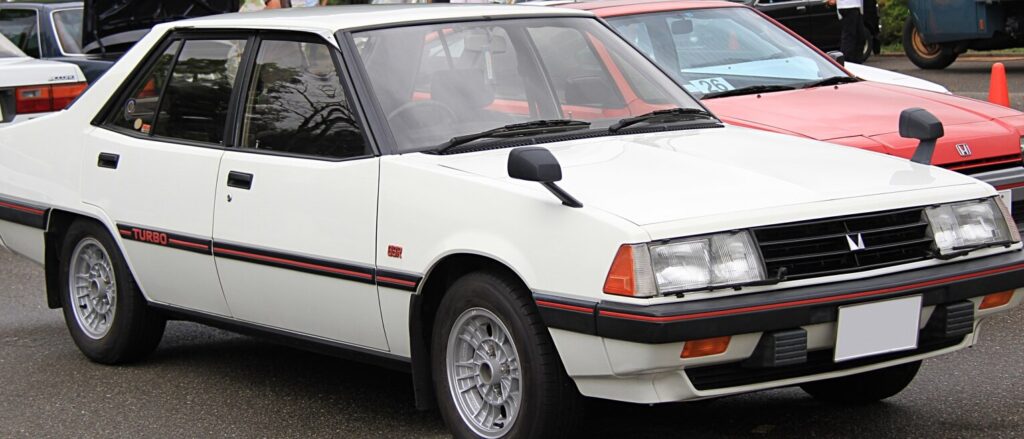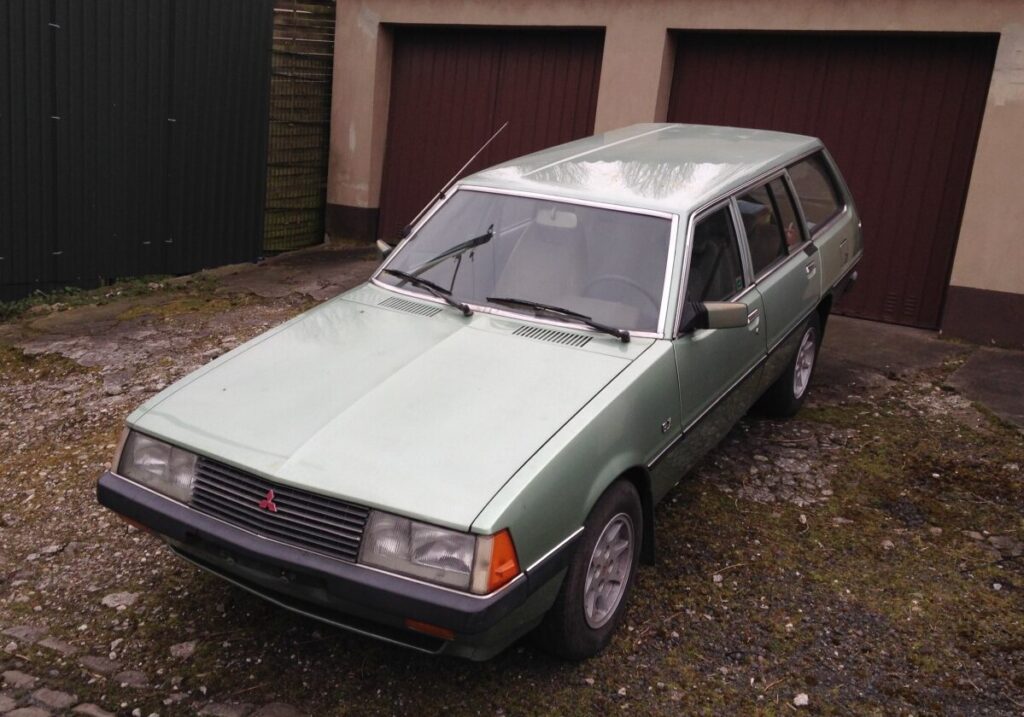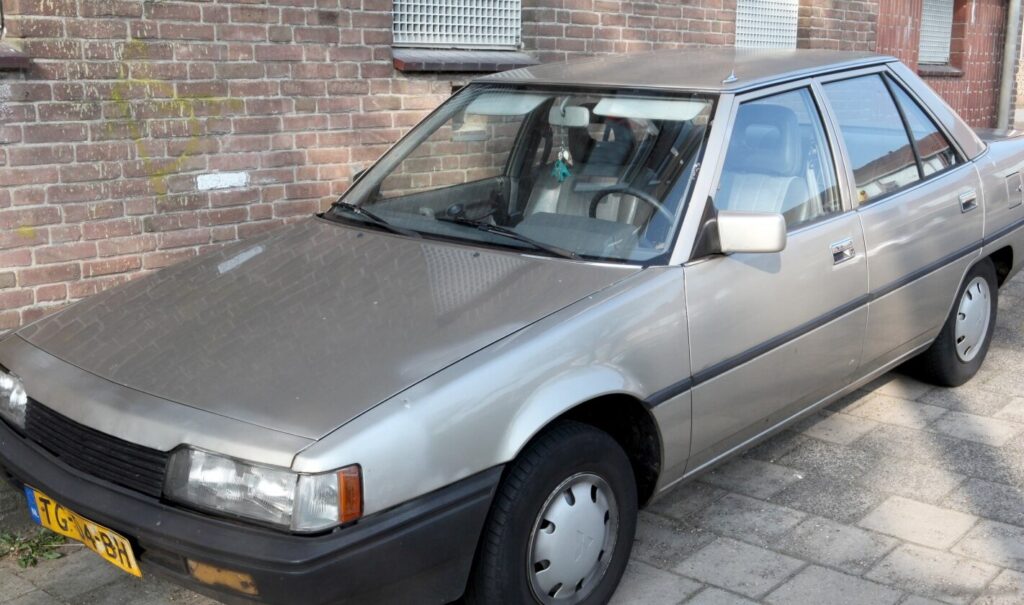
The Mitsubishi Galant V 1.6 GLX (E11A), produced between 1984 and 1987, represented the entry-level offering within the fifth generation of Mitsubishi’s Galant sedan. This model, powered by a 75 horsepower 1.6-liter gasoline engine and typically paired with an automatic transmission, served as a practical and affordable option for buyers seeking a comfortable and reliable mid-size vehicle. The E11A chassis code designates this specific configuration within the broader Galant V lineup, which also included more powerful and upscale trims. It was positioned as the base model, appealing to a wider audience prioritizing fuel efficiency and ease of use over outright performance.
Mitsubishi Galant V 1.6 GLX: An Overview
The fifth-generation Galant (E11A) marked a significant step forward in design and engineering for Mitsubishi. Introduced in 1984, it featured a more aerodynamic silhouette and a larger interior compared to its predecessor. The 1.6 GLX variant, while not the most powerful in the range, played a crucial role in establishing the Galant V’s presence in the competitive mid-size sedan market. It was designed to be a sensible choice for families and commuters, offering a balance of comfort, practicality, and affordability. The GLX trim level generally indicated a moderate level of equipment, offering more features than the base model but falling short of the luxury offered by higher-spec versions.
Powertrain & Engine Architecture
The heart of the Galant V 1.6 GLX is the 4G15 engine, a 1.6-liter inline-four cylinder gasoline engine. This engine is naturally aspirated and produces 75 horsepower (hp) at approximately 5,500 rpm and around 98 lb-ft of torque at 3,000 rpm. The 4G15 engine utilizes a single overhead camshaft (SOHC) valvetrain with two valves per cylinder. Fuel delivery is managed by a carburetor, a common feature for vehicles of this era, rather than fuel injection. This carburetor system, while simpler and less expensive than fuel injection, generally resulted in slightly lower fuel economy and less precise throttle response. The engine block is constructed from cast iron, providing durability, while the cylinder head is made of aluminum alloy to reduce weight.
The automatic transmission paired with the 1.6 GLX was typically a three-speed unit. While specific transmission codes varied depending on the market, it was designed for smooth and comfortable shifting, prioritizing ease of use over sporty performance. The gear ratios were optimized for fuel efficiency and everyday driving conditions. The transmission’s operation relies on a torque converter, which multiplies engine torque at low speeds and provides a smooth launch. This combination of engine and transmission was geared towards providing adequate, but not exhilarating, performance.
Driving Characteristics
The driving experience in the Galant V 1.6 GLX is best described as comfortable and predictable. The 75 hp engine provides sufficient power for typical urban and highway driving, but acceleration is not particularly brisk. The three-speed automatic transmission contributes to a relaxed driving style, with smooth gear changes and a focus on fuel economy. Compared to the more powerful 2.0-liter and turbocharged variants available in the Galant V lineup, the 1.6 GLX feels noticeably slower. The 2.0-liter engine, for example, offered a significant increase in horsepower and torque, resulting in quicker acceleration and more responsive performance. The 1.6 GLX’s power delivery is relatively linear, with peak torque available at a moderate engine speed. This makes it easy to drive in everyday traffic conditions, but it lacks the punch needed for quick overtaking maneuvers. The suspension is tuned for comfort, absorbing bumps and imperfections in the road surface effectively. However, this also results in some body roll during cornering.
Equipment & Trim Levels
The GLX trim level offered a reasonable level of standard equipment for its time. Typically, the Galant V 1.6 GLX included features such as cloth upholstery, a basic AM/FM radio, and manual windows and door locks. Power steering was often included, enhancing ease of maneuverability. The dashboard layout is functional and straightforward, with clearly labeled controls. Optional extras available for the 1.6 GLX could include air conditioning, a more advanced audio system, and upgraded interior trim. The interior space is generous for a mid-size sedan, providing comfortable seating for five passengers. The trunk offers ample cargo capacity, making it suitable for family use. The overall interior ambiance is practical and durable, reflecting the car’s focus on affordability and reliability.
Chassis & Braking
The Galant V 1.6 GLX utilizes a front-engine, rear-wheel-drive layout. The suspension system consists of independent MacPherson struts at the front and a solid axle with leaf springs at the rear. This configuration provides a comfortable ride, but it is not as sophisticated as the fully independent suspension systems found in some of its competitors. The braking system typically features disc brakes at the front and drum brakes at the rear. This combination provides adequate stopping power for everyday driving conditions, but it lacks the performance and feel of all-disc brakes. The steering system is a recirculating ball type, offering a relatively direct steering feel. The chassis is designed for durability and rigidity, providing a stable platform for the car’s components. Stabilizer bars were often included to reduce body roll during cornering, improving handling characteristics.
Market Reception & Comparison
The Mitsubishi Galant V 1.6 GLX was generally well-received by critics as a practical and affordable mid-size sedan. It was praised for its comfortable ride, spacious interior, and reliable engine. However, it was also criticized for its relatively low power output and basic equipment level. Compared to other trims in the Galant V lineup, such as the 2.0-liter GL and the turbocharged versions, the 1.6 GLX offered a more economical option, but at the expense of performance. Fuel economy was a key selling point for the 1.6 GLX, with owners reporting around 25-30 mpg in combined driving conditions. Reliability was also a strong suit, with the 4G15 engine proving to be durable and long-lasting. In terms of competition, the Galant V 1.6 GLX faced rivals such as the Toyota Camry, Honda Accord, and Nissan Stanza. These competitors offered similar levels of practicality and affordability, but the Galant V distinguished itself with its comfortable ride and spacious interior.
Technical Specifications
| Body Type | Sedan |
| Engine Type | 1.6L Inline-4 Gasoline |
| Engine Code | 4G15 |
| Displacement | 1597 cc |
| Power Output | 75 hp @ 5,500 rpm |
| Torque Output | 98 lb-ft @ 3,000 rpm |
| Fuel System | Carburetor |
| Valvetrain | SOHC, 2 valves per cylinder |
| Transmission | 3-Speed Automatic |
| Drivetrain | Rear-Wheel Drive |
| Front Suspension | MacPherson Strut |
| Rear Suspension | Solid Axle with Leaf Springs |
| Front Brakes | Disc |
| Rear Brakes | Drum |
| Production Years | 1984-1987 |
Legacy
The Mitsubishi Galant V 1.6 GLX, while not the most sought-after variant of the fifth-generation Galant, remains a relatively common sight in the used car market today. The 4G15 engine is known for its durability and reliability, making these cars a good choice for budget-conscious buyers. However, age and mileage can take their toll, and potential buyers should be aware of common issues such as carburetor problems and worn suspension components. Parts availability is generally good, as many components are shared with other Mitsubishi models of the era. The Galant V 1.6 GLX represents a classic example of a 1980s Japanese sedan, offering a blend of practicality, affordability, and reliability. It serves as a reminder of a time when cars were built to last and prioritized comfort and ease of use over outright performance.