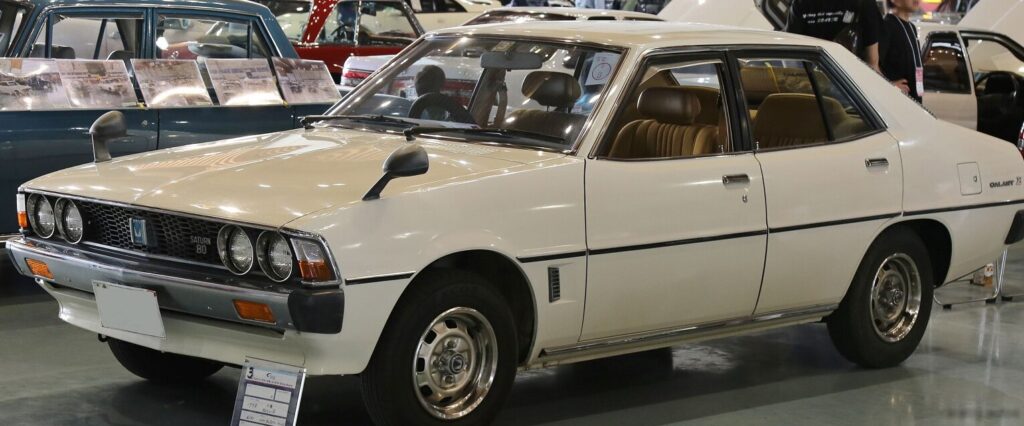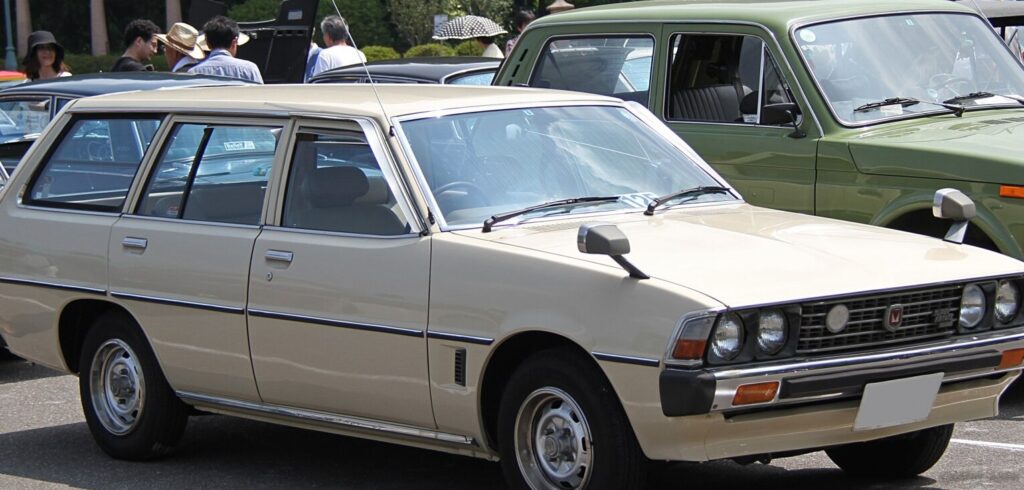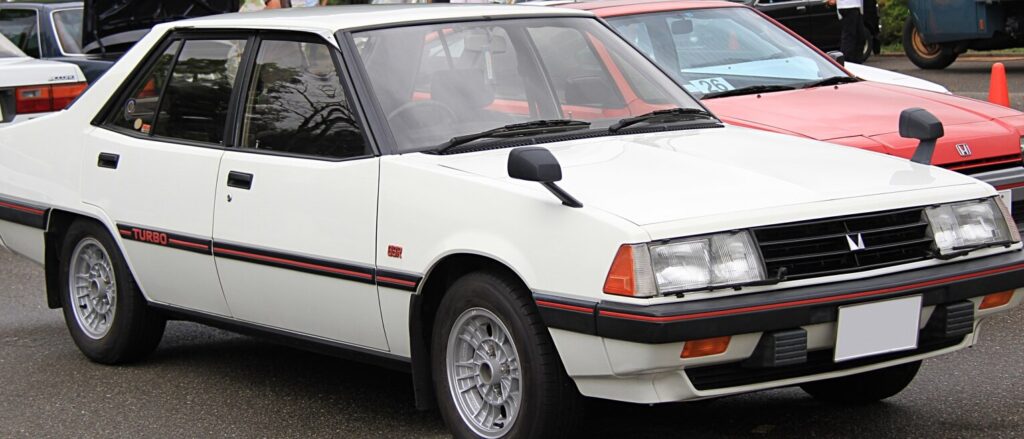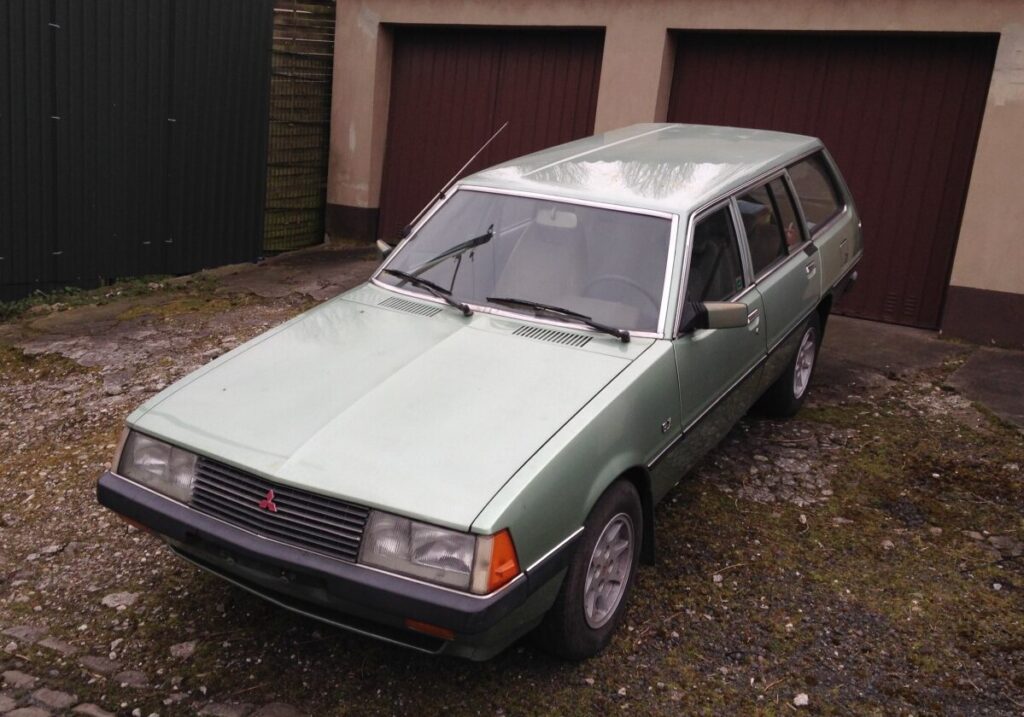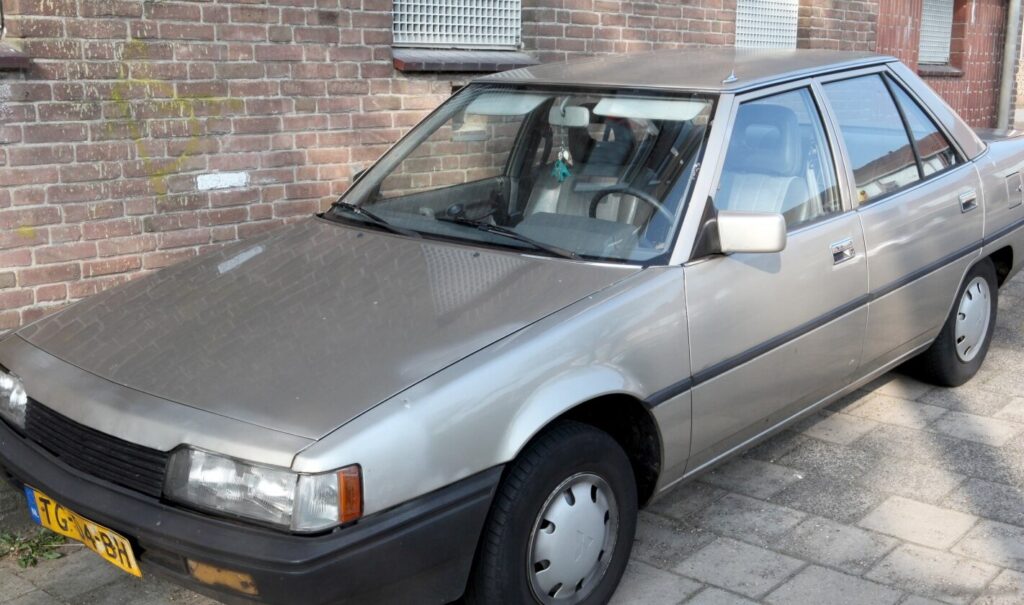
The Mitsubishi Galant V 1.8 Turbo-D (E14A), produced between 1984 and 1987, represents a unique offering within the fifth generation (E14A) of the Mitsubishi Galant. This variant, characterized by its turbocharged diesel engine, was primarily aimed at European markets where diesel fuel was more prevalent and economically advantageous. It occupied a specific niche in the Galant V lineup, positioned as a fuel-efficient alternative to the gasoline-powered models, though offering significantly less power. The Galant V generation itself was a significant step forward for Mitsubishi, featuring a more modern design and improved technology compared to its predecessors, built upon a front-engine, front-wheel-drive platform.
Mitsubishi Galant V 1.8 Turbo-D: An Overview
The Galant V, launched in 1983, was a key model for Mitsubishi, designed to compete in the increasingly competitive mid-size sedan segment. The 1.8 Turbo-D variant distinguished itself through its use of a turbocharged diesel engine, a relatively uncommon feature for passenger cars of that era, particularly outside of Europe. This engine was designed to provide improved fuel economy and torque, making it suitable for long-distance driving and hauling passengers. However, the turbocharger was implemented to offset the inherent power limitations of a small-displacement diesel engine, resulting in a compromise between efficiency and performance. The E14A chassis code designates this generation, and the ‘1.8 Turbo-D’ specifically identifies the engine and fuel type.
Powertrain & Engine Architecture
The heart of the Galant V 1.8 Turbo-D is the 4D55T engine, a 1.8-liter inline-four cylinder diesel engine equipped with a turbocharger and intercooler. This engine produced 82 horsepower (hp) at 4,200 rpm and approximately 136 lb-ft of torque at 2,400 rpm. The engine utilizes indirect injection, a common diesel technology of the time, where fuel is injected into the pre-chamber before entering the main combustion chamber. This design aids in smoother combustion and reduced engine noise compared to direct injection systems. The turbocharger, a Garrett unit in many examples, forces more air into the engine, increasing power output. The intercooler cools the compressed air from the turbocharger, further enhancing performance and reducing the risk of detonation.
The transmission paired with the 1.8 Turbo-D was typically a four-speed automatic transmission. This automatic was chosen to provide ease of use and convenience, appealing to a broader range of drivers. The transmission’s gear ratios were optimized for fuel efficiency and low-end torque delivery, rather than outright acceleration. Manual transmission options were available in other Galant V trims, but were less common with the diesel engine. The drivetrain is front-wheel drive, standard for the Galant V series.
Driving Characteristics
The driving experience in the Galant V 1.8 Turbo-D is markedly different from its gasoline-powered counterparts. While the gasoline engines offered quicker acceleration and a more responsive feel, the diesel prioritized fuel economy and low-end torque. The 82 hp output translates to relatively slow acceleration, particularly when compared to the larger gasoline engines available in the Galant V range. However, the 136 lb-ft of torque provides adequate pulling power for everyday driving and highway cruising. The automatic transmission contributes to a smooth, albeit somewhat leisurely, driving experience. The turbocharger provides a noticeable boost in power when accelerating, but the overall performance is not sporty. Compared to the 2.0-liter gasoline engines, the 1.8 Turbo-D felt significantly slower, but offered a substantial advantage in fuel efficiency. The diesel engine also produces a characteristic engine note, which is noticeably different from the smoother sound of a gasoline engine.
Equipment & Trim Levels
The Galant V 1.8 Turbo-D was generally offered with a moderate level of equipment, reflecting its position as a fuel-efficient, practical sedan. Standard features typically included cloth upholstery, power steering, and a basic audio system. Air conditioning was often an optional extra, as were power windows and central locking. The interior design was functional and straightforward, with a focus on durability and ease of use. Trim levels varied depending on the market, but generally followed a tiered approach. Base models offered minimal features, while higher trims included additional comfort and convenience items. The dashboard layout was typical for the early 1980s, with analog gauges and a simple center console. The exterior styling was consistent across the Galant V range, with a boxy, angular design that was characteristic of the era. Specific badging identified the 1.8 Turbo-D variant.
Chassis & Braking
The Galant V utilized a MacPherson strut front suspension and a multi-link rear suspension, providing a comfortable ride and reasonable handling characteristics. The suspension was tuned for comfort rather than sporty performance, prioritizing ride quality over sharp cornering. The 1.8 Turbo-D variant, being a diesel, was slightly heavier than its gasoline counterparts, which affected handling dynamics. Stabilizer bars were fitted to both the front and rear axles to reduce body roll. The braking system consisted of disc brakes on the front wheels and drum brakes on the rear wheels. This configuration was common for vehicles in this price range during the 1980s. The braking performance was adequate for everyday driving, but not particularly strong compared to more modern vehicles. Power-assisted steering was standard, making it easier to maneuver the vehicle at low speeds.
Market Reception & Comparison
The Mitsubishi Galant V 1.8 Turbo-D received mixed reviews. Critics praised its fuel efficiency and torque, but criticized its lack of power and relatively slow acceleration. It was generally seen as a practical and economical choice for drivers who prioritized fuel economy over performance. Compared to other Galant V trims, such as the 2.0-liter gasoline models, the 1.8 Turbo-D offered significantly lower running costs but a less engaging driving experience. In terms of reliability, the 4D55T engine proved to be reasonably durable, although diesel engines in general require more frequent maintenance than gasoline engines. Fuel economy was a major selling point, with the 1.8 Turbo-D achieving significantly better mileage than the gasoline-powered models. However, the diesel engine also produced more particulate emissions, which became a growing concern in some markets.
Technical Specifications
| Engine Type | 4D55T 1.8L Turbocharged Diesel Inline-4 |
| Displacement | 1798 cc (1.8 liters) |
| Power Output | 82 hp (61 kW) @ 4,200 rpm |
| Torque Output | 136 lb-ft (185 Nm) @ 2,400 rpm |
| Fuel Injection | Indirect Injection |
| Turbocharger | Garrett (typically) |
| Intercooler | Yes |
| Transmission | 4-Speed Automatic (typically) |
| Drivetrain | Front-Wheel Drive |
| Brakes (Front) | Disc |
| Brakes (Rear) | Drum |
| Suspension (Front) | MacPherson Strut |
| Suspension (Rear) | Multi-Link |
| Weight (approx.) | 2,600 – 2,800 lbs (1,180 – 1,270 kg) |
| Fuel Economy (estimated) | 35-45 mpg (US) |
Legacy
The Mitsubishi Galant V 1.8 Turbo-D, while not a high-performance model, holds a unique place in the Galant lineage. It demonstrated Mitsubishi’s willingness to experiment with diesel technology and cater to markets where fuel efficiency was a primary concern. Today, these vehicles are relatively rare, particularly in North America, where diesel passenger cars were less common. Well-maintained examples are sought after by enthusiasts and collectors. The 4D55T engine, while aging, is known for its durability and relatively simple construction, making it easier to maintain and repair. However, finding parts can be challenging. The Galant V 1.8 Turbo-D represents a snapshot of automotive engineering from the 1980s, showcasing a blend of fuel efficiency, practicality, and a unique turbocharged diesel powertrain. Its legacy lies in its contribution to the evolution of diesel technology in passenger cars and its appeal to a niche market of drivers who valued economy and reliability.