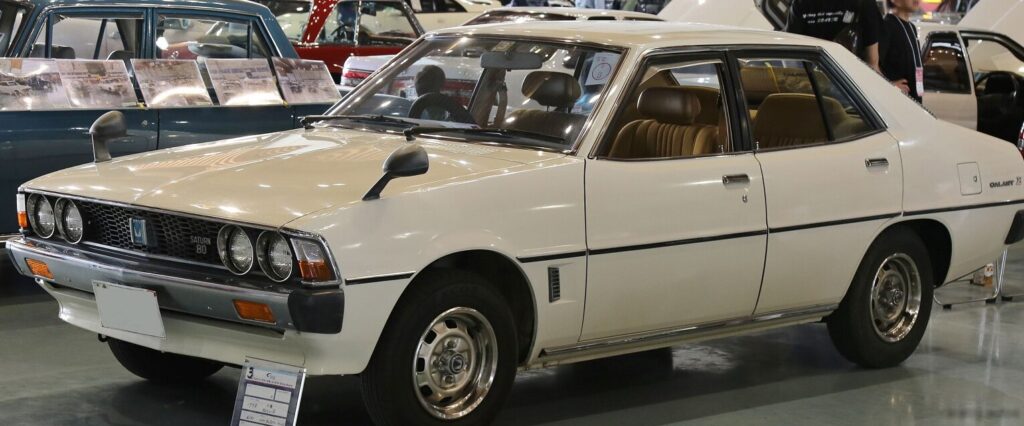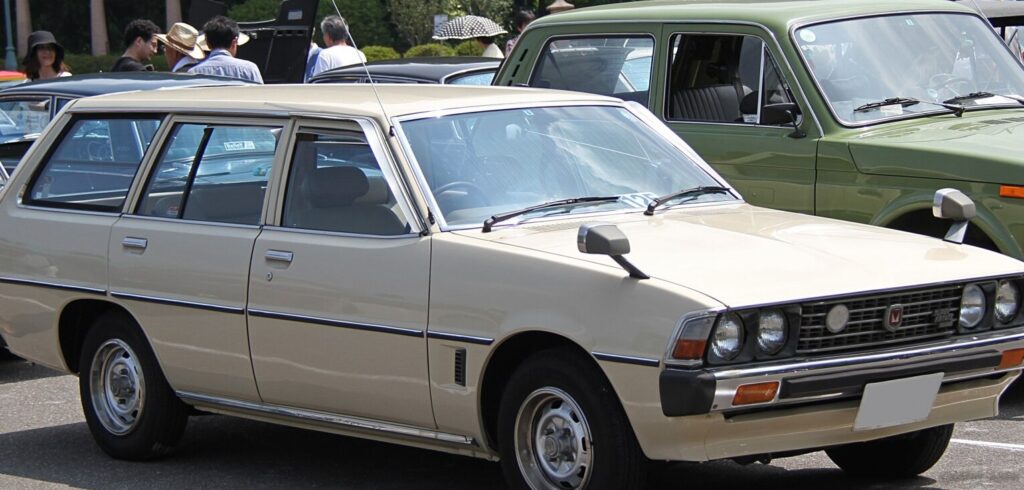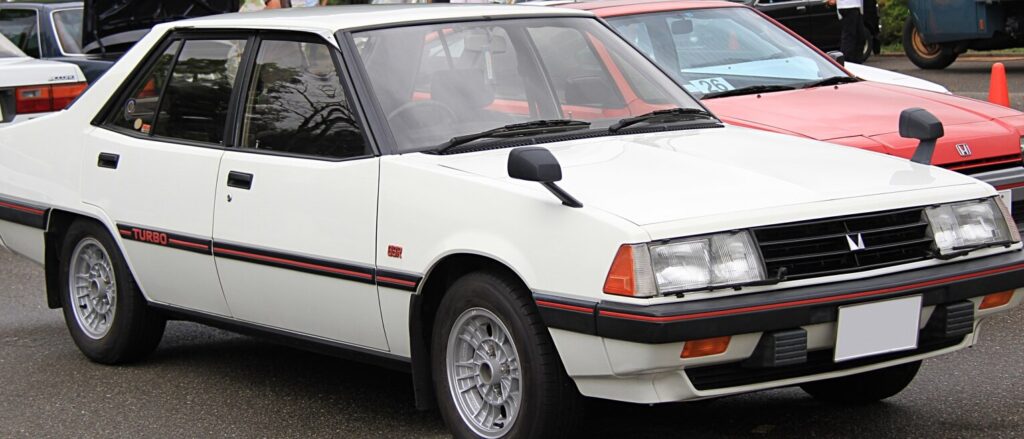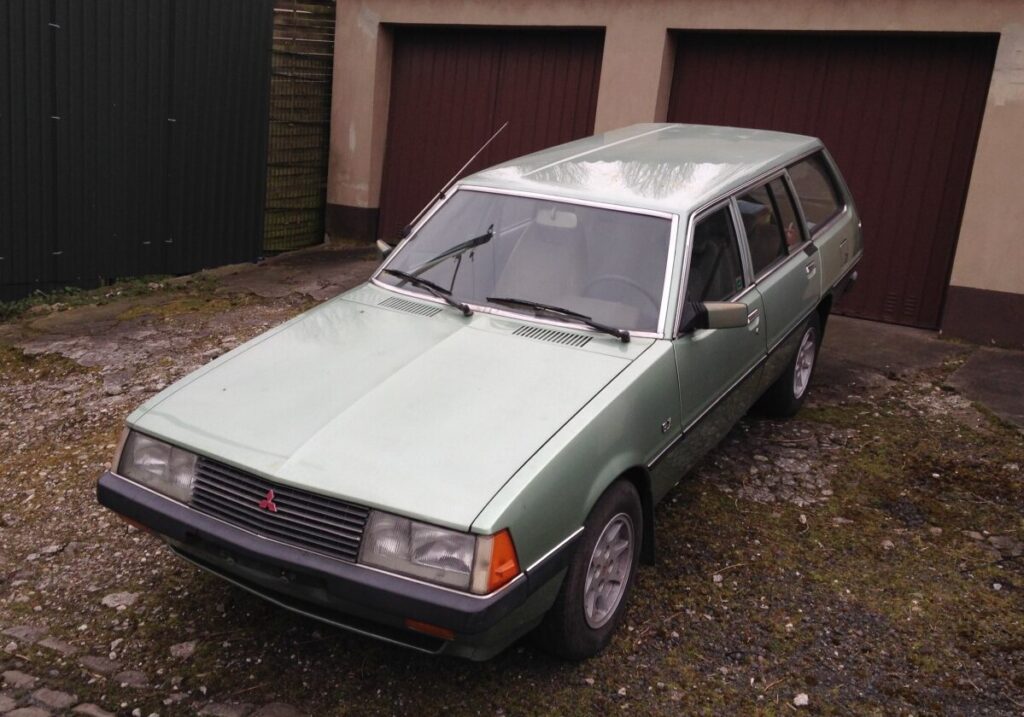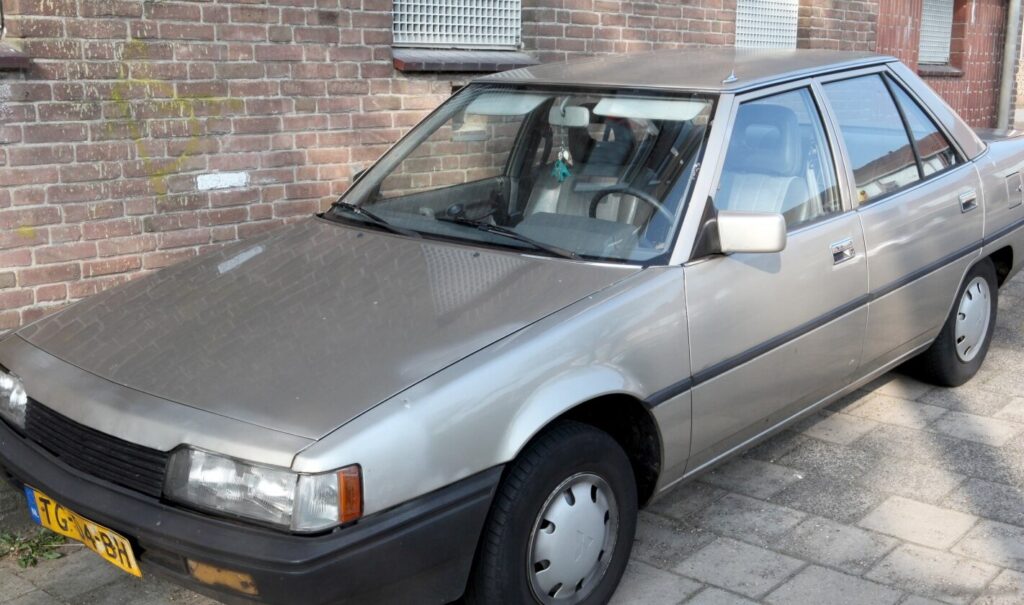
The Mitsubishi Galant V 2.0 GLS (E15A), produced between 1986 and 1987, represents a specific iteration within the fifth generation of Mitsubishi’s Galant line. This model, characterized by its 90 horsepower 2.0-liter engine paired with an automatic transmission, occupied a mid-range position in the Galant V lineup, offering a balance between affordability and comfort. The E15A chassis code designates this particular body style and engine configuration. The fifth-generation Galant (1985-1988) aimed to modernize the Galant’s image, offering improved styling, technology, and a wider range of engine options compared to its predecessor. This generation saw increased competition in the mid-size sedan segment, and the 2.0 GLS aimed to appeal to buyers seeking a reliable and reasonably equipped family car.
Mitsubishi Galant V 2.0 GLS: An Overview
The Galant V 2.0 GLS (E15A) was designed to provide a comfortable and practical driving experience. It was positioned below the more powerful, often turbocharged, variants and above the base-level models. Mitsubishi aimed this trim at buyers who prioritized ease of use and fuel efficiency over outright performance. The automatic transmission was a key selling point for this model, catering to drivers who preferred the convenience of not having to manually shift gears, particularly in urban driving conditions. The “GLS” designation indicated a higher level of standard equipment compared to the base “GL” trim, including features like upgraded interior trim and potentially additional convenience items.
Powertrain & Engine Architecture
The heart of the Galant V 2.0 GLS is the 4G63 inline-four cylinder engine, displacing 1997cc (2.0 liters). While the 4G63 engine family is well-known for its potential for high performance (particularly in later, turbocharged applications like the Mitsubishi Lancer Evolution), this specific iteration was tuned for economy and reliability. The 90 horsepower output at approximately 5,200 rpm and 109 lb-ft of torque at 3,000 rpm reflects this focus. The engine utilizes a naturally aspirated configuration, meaning it does not employ a turbocharger or supercharger. Fuel delivery is managed by a multi-point fuel injection system, a significant upgrade from the carburetors used in earlier Galant models, contributing to improved fuel efficiency and smoother operation.
The valvetrain consists of a single overhead camshaft (SOHC) operating two valves per cylinder. This configuration, while simpler than dual overhead camshaft (DOHC) designs, offered a good balance of performance and cost-effectiveness. The automatic transmission paired with this engine is a three-speed unit. While not offering the responsiveness of a manual transmission or the efficiency of a modern automatic, it provided smooth and effortless gear changes, aligning with the target audience’s preference for convenience. The transmission’s gear ratios were optimized for comfortable cruising and adequate acceleration in typical driving scenarios. The specific transmission code for this application is often identified as A313.
Driving Characteristics
The driving experience in the Galant V 2.0 GLS (E15A) is best described as comfortable and predictable. The 90 horsepower engine provides adequate power for everyday driving, but acceleration is not particularly brisk. Compared to the higher-output 2.0-liter or the turbocharged variants, the GLS feels noticeably slower, especially when fully loaded with passengers or cargo. The three-speed automatic transmission contributes to this sensation, as it lacks the close gear ratios found in manual transmissions or more modern automatics. However, the transmission’s smooth shifting and lack of harshness make it well-suited for city driving and long highway journeys.
The steering is relatively light and easy, making maneuvering in tight spaces straightforward. The suspension, tuned for comfort, absorbs bumps and imperfections in the road surface effectively, providing a smooth ride. However, this comfort comes at the expense of handling precision; the Galant V 2.0 GLS is not a particularly sporty car. Compared to a manual transmission equipped Galant V, the automatic version feels less engaging and offers less driver control. The automatic transmission also slightly diminishes fuel economy compared to the manual option.
Equipment & Trim Levels
The “GLS” trim level of the Galant V 2.0 offered a step up in features compared to the base “GL” model. Standard equipment typically included cloth upholstery, power steering, an AM/FM stereo, and basic instrumentation. The interior design was functional and relatively simple, with a focus on practicality. Optional extras available for the 2.0 GLS could include air conditioning, power windows, power door locks, and a sunroof. The dashboard layout was straightforward, with clearly labeled controls and a relatively uncluttered design. The GLS trim often featured upgraded door panels and interior trim accents compared to the base model.
Chassis & Braking
The Galant V 2.0 GLS (E15A) utilizes a front-engine, front-wheel-drive layout. The suspension system consists of MacPherson struts in the front and a multi-link suspension in the rear. This configuration provides a good balance of ride comfort and handling stability. The braking system features disc brakes in the front and drum brakes in the rear. While adequate for normal driving conditions, the rear drum brakes are less effective than disc brakes, particularly during hard braking or repeated stops. The chassis is a unibody construction, providing structural rigidity and contributing to the car’s overall safety. Stabilizer bars are present on both the front and rear axles, helping to reduce body roll during cornering.
Market Reception & Comparison
The Mitsubishi Galant V 2.0 GLS (E15A) was generally well-received by automotive critics as a practical and reliable family sedan. It was praised for its comfortable ride, spacious interior, and relatively fuel-efficient engine. However, it was often criticized for its lack of performance compared to other models in the Galant lineup and its competitors. Compared to the turbocharged variants, the 2.0 GLS offered significantly less power and acceleration. Compared to rivals like the Toyota Camry and Honda Accord, the Galant V 2.0 GLS offered a comparable level of features and reliability, but often at a slightly lower price point. Fuel economy was rated around 22 mpg city and 30 mpg highway, which was competitive for the time. Reliability was generally good, although some owners reported issues with the automatic transmission over the long term.
Technical Specifications
| Body Type | Sedan |
| Engine Type | Inline-4 Cylinder, Naturally Aspirated |
| Engine Displacement | 1997cc (2.0 liters) |
| Horsepower | 90 hp @ 5,200 rpm |
| Torque | 109 lb-ft @ 3,000 rpm |
| Fuel System | Multi-point Fuel Injection |
| Valvetrain | SOHC, 2 Valves per Cylinder |
| Transmission | 3-Speed Automatic |
| Drivetrain | Front-Wheel Drive |
| Front Suspension | MacPherson Struts |
| Rear Suspension | Multi-Link |
| Front Brakes | Disc |
| Rear Brakes | Drum |
| Curb Weight | Approximately 2,600 lbs |
| Wheelbase | 97.4 inches |
| Length | 183.9 inches |
| Width | 66.9 inches |
Legacy
The Mitsubishi Galant V 2.0 GLS (E15A) remains a relatively affordable and accessible classic car in the used market today. While not highly sought after by collectors, it represents a reliable and practical option for those seeking a vintage Japanese sedan. The 4G63 engine, despite its lower output in this application, is known for its durability and longevity. However, potential buyers should be aware of potential issues with the automatic transmission, particularly if it has not been properly maintained. Parts availability is generally good, although some specific trim pieces may be difficult to find. The Galant V 2.0 GLS serves as a reminder of a time when Mitsubishi offered a diverse range of vehicles aimed at a broad spectrum of buyers, and it continues to provide a comfortable and reliable driving experience for those who appreciate its understated charm.