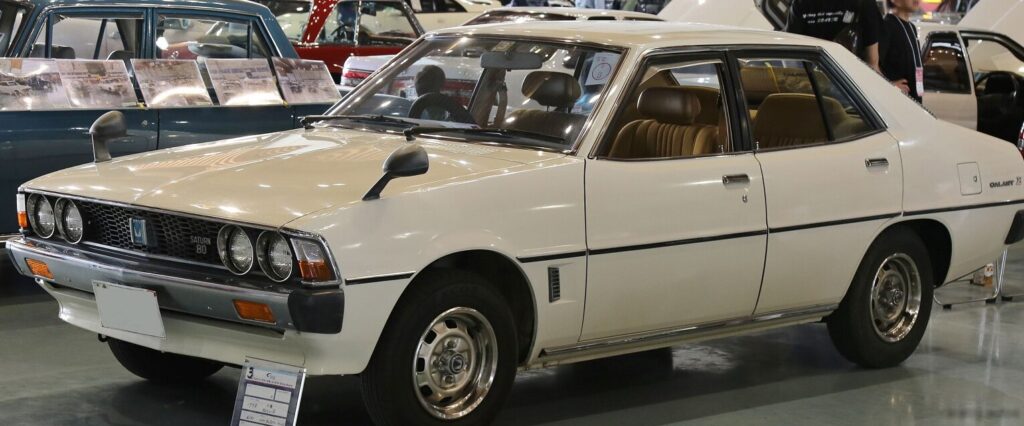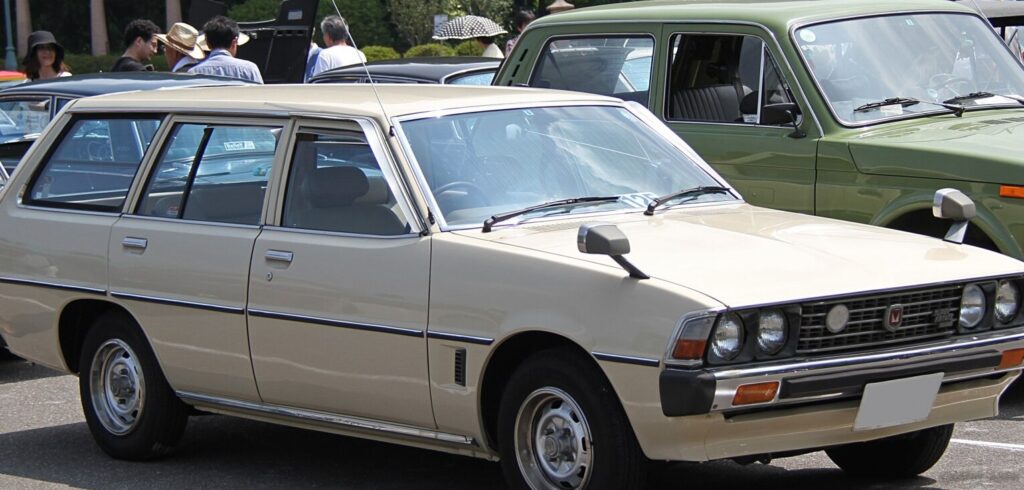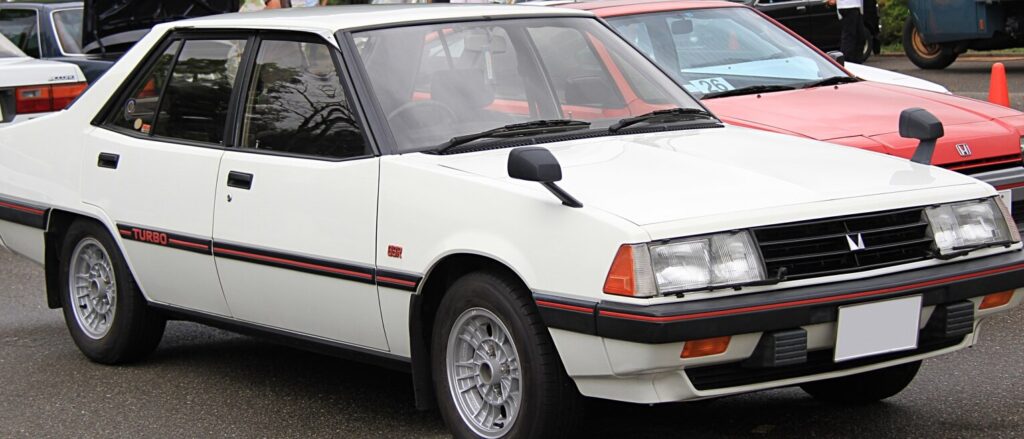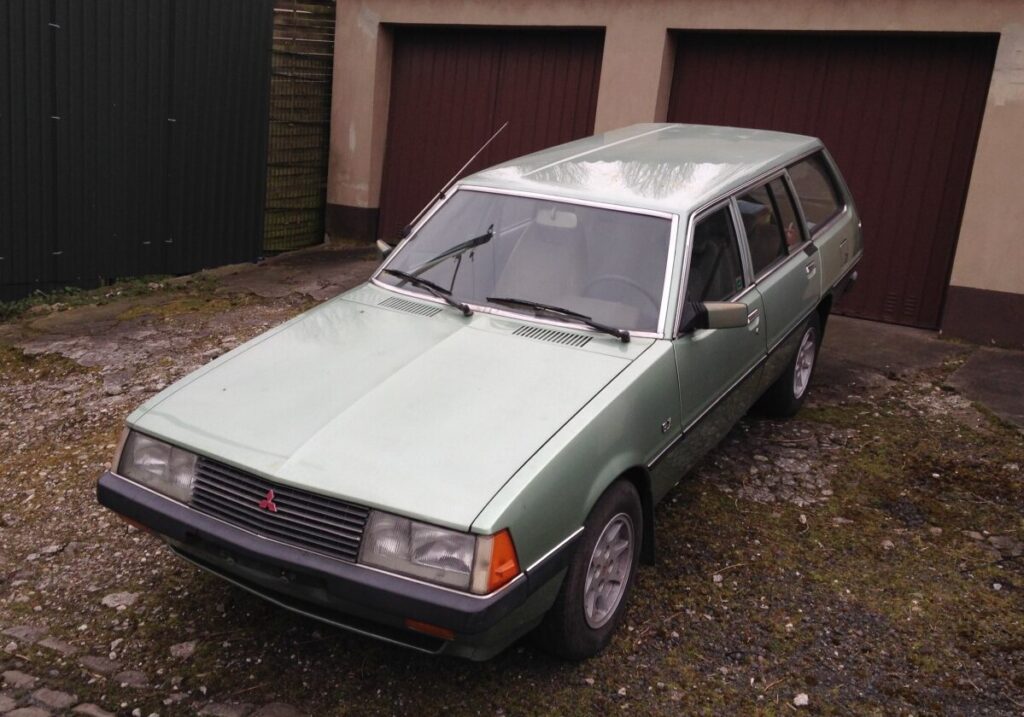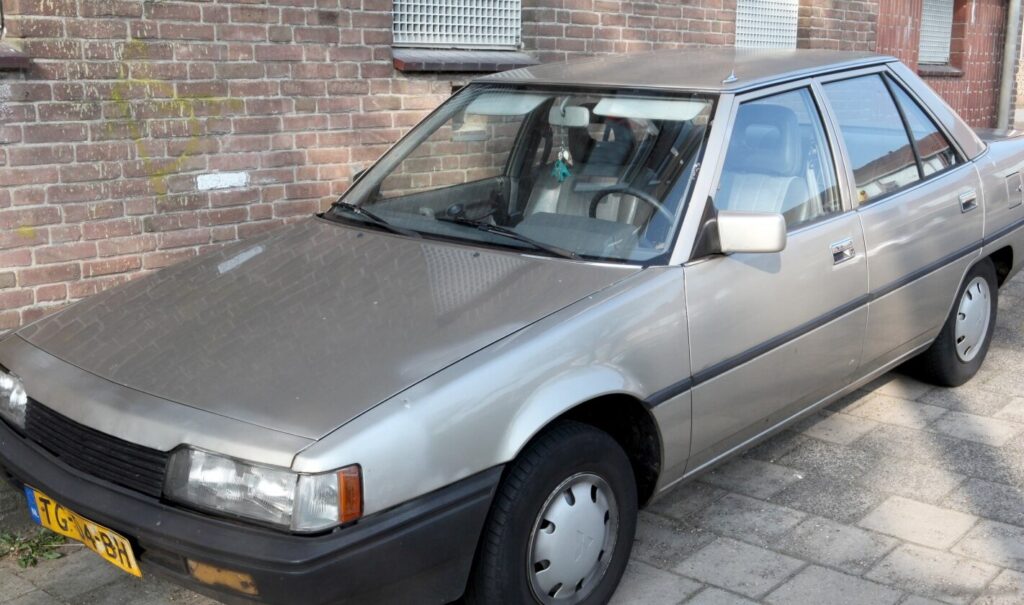
The Mitsubishi Galant V 2.0 Turbo ECi (E15A), produced between 1984 and 1985, represented a significant step forward for Mitsubishi’s mid-size sedan. Part of the fifth generation of the Galant (E15A chassis), this variant offered a compelling blend of performance and relative luxury for the time. It occupied a position as the performance-oriented trim level within the Galant V range, sitting above the naturally aspirated models and offering a more engaging driving experience. The introduction of turbocharging in the Galant line was a key feature, aimed at attracting buyers seeking a sportier sedan without the expense of outright luxury brands.
Mitsubishi Galant V 2.0 Turbo ECi: An Overview
The Galant V series, launched in 1984, was a crucial model for Mitsubishi, designed to compete with established rivals like the Toyota Camry and Honda Accord. The 2.0 Turbo ECi model distinguished itself with its turbocharged engine, offering a substantial power increase over the base models. The “ECi” designation referred to Mitsubishi’s Electronic Concentrated Injection fuel system, a sophisticated system for the era. This model year marked a transition for the Galant, incorporating more modern styling and technology compared to its predecessors. The E15A chassis was a clean-sheet design, offering improved rigidity and handling characteristics.
Powertrain & Engine Architecture
The heart of the Galant V 2.0 Turbo ECi is its 4G63T 2.0-liter inline-four cylinder engine. This engine is a cast-iron block with an aluminum cylinder head, a common configuration for Japanese engines of the period. The key feature, of course, is the turbocharger, which significantly boosts power output. The turbocharger itself was a Garrett unit, providing approximately 8 psi of boost. The 4G63T engine utilizes a single overhead camshaft (SOHC) design with two valves per cylinder. Fuel delivery is managed by Mitsubishi’s ECi electronic fuel injection system, which precisely controls fuel metering for optimal performance and emissions. The ECi system used a dedicated engine control unit (ECU) to monitor various sensors and adjust fuel delivery accordingly.
The engine’s compression ratio is 8.5:1, a relatively conservative figure chosen to accommodate the turbocharger and prevent pre-ignition. The engine produces 150 horsepower at 6000 rpm and approximately 158 lb-ft of torque at 3500 rpm. The transmission offered with the 2.0 Turbo ECi was a four-speed automatic transmission. While a five-speed manual transmission was available on some Galant V models, it was less commonly paired with the turbocharged engine, particularly in the US market. The automatic transmission was designed for smooth operation and reliability, prioritizing comfort over outright performance. It featured electronic control for improved shift quality.
Driving Characteristics
The Galant V 2.0 Turbo ECi offered a noticeable performance advantage over the naturally aspirated Galant models. The turbocharger provides a significant boost in mid-range power, making overtaking maneuvers and highway cruising considerably easier. While not a sports car, the turbocharged engine delivers brisk acceleration, estimated at around 8.5-9 seconds for a 0-60 mph sprint. The four-speed automatic transmission, while smooth, does detract somewhat from the engine’s potential. The gear ratios are spaced to prioritize fuel economy and comfort, rather than maximizing acceleration. The turbo lag, typical of turbochargers of this era, is present but manageable. Power delivery is relatively linear once the turbocharger spools up, providing a satisfying surge of acceleration.
Handling is competent, thanks to the E15A chassis’ improved rigidity. The suspension consists of MacPherson struts in the front and a multi-link setup in the rear. The steering is power-assisted, providing light and easy steering feel. However, it lacks the precision and feedback found in more performance-oriented vehicles. Overall, the driving experience is comfortable and refined, with a focus on providing a pleasant and effortless driving experience.
Equipment & Trim Levels
The Galant V 2.0 Turbo ECi was positioned as a well-equipped trim level. Standard features typically included power windows, power door locks, air conditioning, and a tilt steering wheel. The interior featured cloth upholstery, although leather upholstery was available as an option. The dashboard layout was functional and straightforward, with clearly labeled controls. An AM/FM stereo was standard, with a cassette player often included. Optional extras included a sunroof, upgraded sound system, and cruise control. The exterior featured body-colored bumpers and trim, giving it a more modern and upscale appearance compared to the base models.
The trim level also included some unique styling cues, such as a rear spoiler and alloy wheels, to differentiate it from the other Galant V models. The interior trim was often upgraded with a darker color scheme and more premium materials. The overall impression was one of understated elegance and sophistication.
Chassis & Braking
The Galant V 2.0 Turbo ECi utilizes a front-engine, front-wheel-drive layout. The chassis is a unibody construction, providing a good balance of strength and weight. The front suspension consists of MacPherson struts with coil springs and an anti-roll bar. The rear suspension features a multi-link setup with coil springs and shock absorbers. The braking system consists of disc brakes in the front and drum brakes in the rear. The brakes are power-assisted, providing adequate stopping power for most driving conditions. The tires were typically 185/60R14, providing a good compromise between ride comfort and handling.
The chassis was designed to provide a comfortable and stable ride, while also offering reasonable handling characteristics. The suspension tuning was geared towards absorbing bumps and providing a smooth ride, rather than maximizing cornering performance. The braking system, while adequate, lacked the stopping power of more modern vehicles.
Market Reception & Comparison
The Galant V 2.0 Turbo ECi was generally well-received by automotive critics. It was praised for its smooth engine, comfortable ride, and well-equipped interior. However, some critics noted the turbo lag and the lack of a manual transmission option. Compared to its rivals, such as the Toyota Camry and Honda Accord, the Galant V 2.0 Turbo ECi offered a more engaging driving experience, thanks to its turbocharged engine. However, it was generally considered less refined and less reliable than its Japanese competitors. Fuel economy was rated at around 19 mpg city and 26 mpg highway, which was comparable to other turbocharged vehicles of the era.
Compared to the naturally aspirated Galant models, the 2.0 Turbo ECi offered a significant performance advantage. However, it also came with a higher price tag and potentially higher maintenance costs. The 2.0 Turbo ECi appealed to buyers who wanted a sporty and well-equipped sedan without the expense of a luxury brand.
Technical Specifications
| Engine Type | 4G63T 2.0L Turbocharged Inline-4 |
| Displacement | 1997 cc (121.8 cu in) |
| Horsepower | 150 hp @ 6000 rpm |
| Torque | 158 lb-ft @ 3500 rpm |
| Fuel System | Electronic Concentrated Injection (ECi) |
| Compression Ratio | 8.5:1 |
| Turbocharger | Garrett |
| Transmission | 4-Speed Automatic |
| Drivetrain | Front-Wheel Drive |
| Brakes (Front) | Disc |
| Brakes (Rear) | Drum |
| Suspension (Front) | MacPherson Strut |
| Suspension (Rear) | Multi-Link |
| Weight | Approximately 2800 lbs |
| 0-60 mph | 8.5-9.0 seconds (estimated) |
Legacy
The Mitsubishi Galant V 2.0 Turbo ECi, while not a long-lived model, holds a special place in the hearts of many enthusiasts. The 4G63T engine, in particular, has become a legendary powerplant, known for its durability and potential for modification. Today, finding a well-maintained Galant V 2.0 Turbo ECi is becoming increasingly difficult. Those that remain are often sought after by collectors and enthusiasts. The powertrain, while aging, is generally considered reliable if properly maintained. Common issues include turbocharger wear, fuel injector problems, and corrosion. The Galant V 2.0 Turbo ECi represents a significant chapter in Mitsubishi’s history, showcasing the company’s engineering prowess and its commitment to innovation. It remains a testament to a time when turbocharged engines were becoming increasingly accessible to the average consumer.