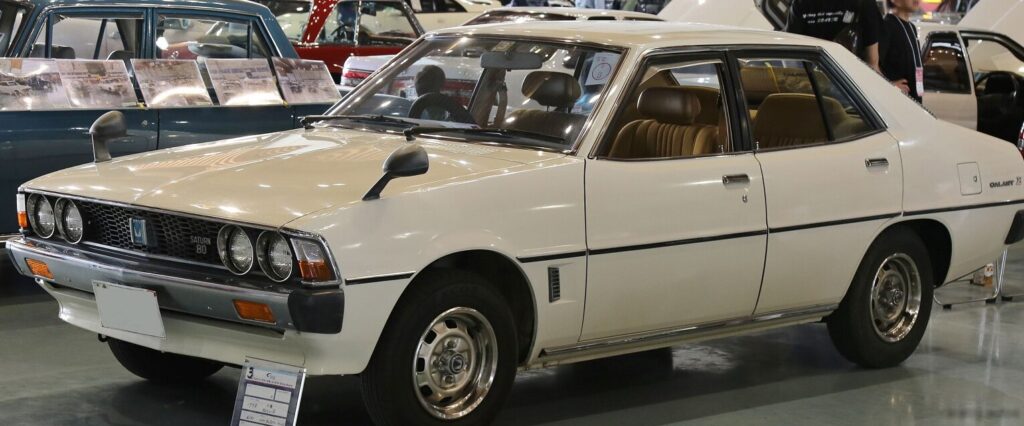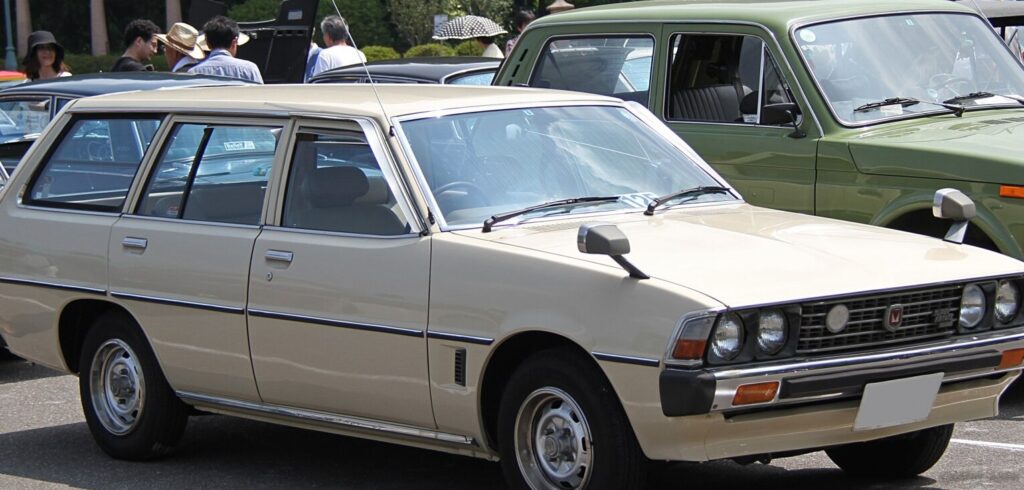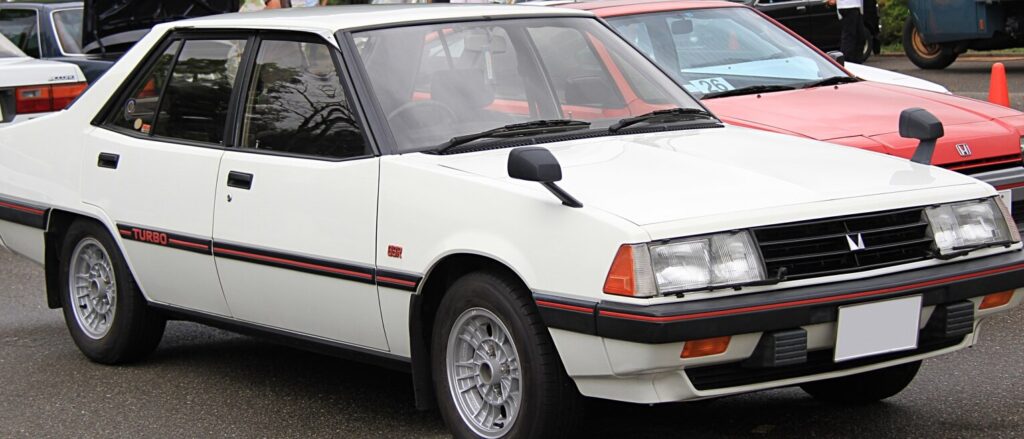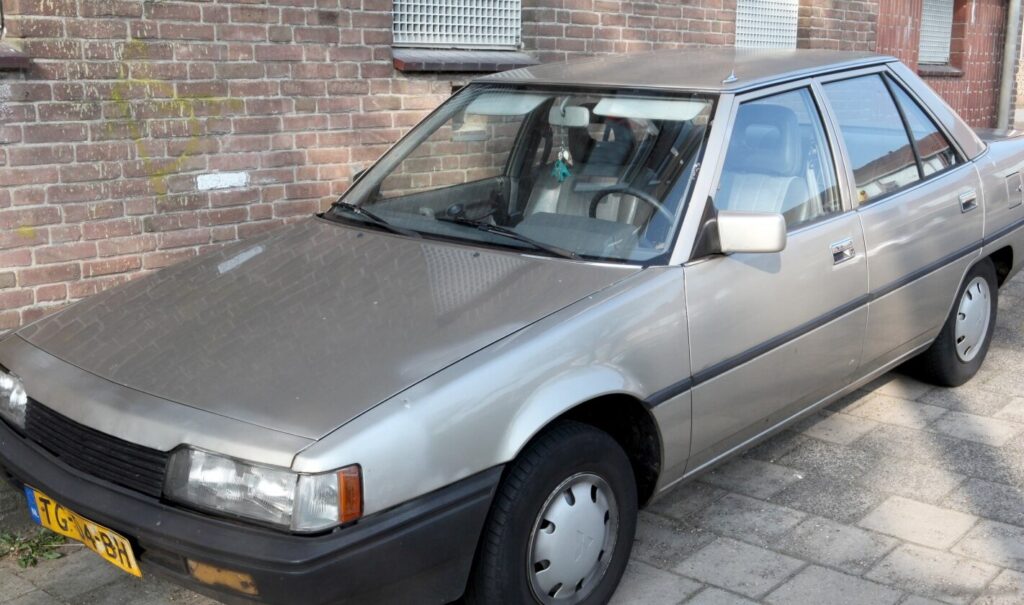
The Mitsubishi Galant V 2.3 GLS (E16A), produced between 1985 and 1987, represented a mid-range offering within the fifth generation of Mitsubishi’s Galant sedan. This generation, known internally as the E16A series, aimed to provide a balance of comfort, fuel efficiency, and reasonable performance for the family sedan market. The 2.3 GLS trim, powered by a 2.3-liter gasoline engine producing 112 horsepower, occupied a position between the base models and the more performance-oriented variants, offering a step up in features and refinement without the higher price tag of the top-tier trims. It was a key model in Mitsubishi’s attempt to gain market share in the increasingly competitive mid-size sedan segment.
Mitsubishi Galant V 2.3 GLS: An Overview
The Galant V series marked a significant evolution in Mitsubishi’s design language, moving towards more aerodynamic styling and a more spacious interior. The E16A chassis incorporated improvements in suspension geometry and body construction, aiming for a smoother ride and enhanced handling. The 2.3 GLS specifically targeted buyers who desired a comfortable and well-equipped sedan for daily commuting and family transportation. It was positioned as a practical and reliable choice, emphasizing value for money over outright performance. The model year range of 1985-1987 saw relatively minor changes, primarily focused on refining existing features and addressing any initial production issues.
Powertrain & Engine Architecture
The heart of the Galant V 2.3 GLS is the 4G63 inline-four cylinder engine, displacing 2.3 liters (2298 cc). This engine is naturally aspirated and utilizes a single overhead camshaft (SOHC) valvetrain with two valves per cylinder. Fuel delivery is managed by a multi-point fuel injection system, a significant upgrade from the carburetors used in earlier Galant models. This system contributed to improved fuel efficiency and smoother engine operation. The 4G63 engine in this configuration produced 112 horsepower at 5,200 rpm and 130 lb-ft of torque at 3,200 rpm. The engine block is constructed from cast iron, while the cylinder head is made of aluminum alloy, contributing to a reasonable weight balance. The engine’s design prioritized durability and ease of maintenance, making it a relatively reliable powerplant.
The 2.3 GLS was typically paired with a four-speed automatic transmission. This transmission, while not particularly advanced by modern standards, provided smooth and convenient gear changes, catering to the target audience’s preference for ease of driving. The transmission’s gear ratios were optimized for fuel economy and comfortable cruising, rather than aggressive acceleration. The automatic transmission featured a torque converter for smooth launches and low-speed operation. While a five-speed manual transmission was available on other Galant V trims, it was not offered with the 2.3 GLS, reinforcing the trim’s focus on comfort and convenience.
Driving Characteristics
The driving experience in the Galant V 2.3 GLS is best described as comfortable and predictable. The 112 horsepower engine provides adequate power for everyday driving situations, but it’s not designed for spirited acceleration. Acceleration from 0 to 60 mph takes approximately 11-12 seconds. The automatic transmission contributes to a relaxed driving style, with smooth gear changes and a lack of harshness. The suspension, tuned for comfort, absorbs bumps and irregularities in the road surface effectively, providing a pleasant ride quality. However, this comfort comes at the expense of sharp handling; the Galant V 2.3 GLS is not a particularly sporty vehicle. Steering is relatively light and precise, making it easy to maneuver in city traffic. Compared to the more powerful Galant V trims, such as those equipped with the 2.6-liter engine, the 2.3 GLS feels noticeably less responsive. The manual transmission variants offered a more engaging driving experience, but the automatic transmission in the GLS prioritized ease of use.
Equipment & Trim Levels
The 2.3 GLS trim level offered a respectable level of standard equipment for its time. Standard features typically included cloth upholstery, power steering, air conditioning, an AM/FM stereo radio, and a basic instrument cluster. The GLS trim also included features such as a tilt steering wheel, a rear window defogger, and upgraded interior trim compared to the base models. Optional extras available for the 2.3 GLS included power windows, power door locks, cruise control, and a sunroof. The interior design was functional and straightforward, with a focus on ergonomics and ease of use. The dashboard layout was clean and uncluttered, with clearly labeled controls. The GLS trim offered a noticeable step up in interior refinement compared to the more basic Galant V models.
Chassis & Braking
The Galant V 2.3 GLS utilizes a front independent suspension with MacPherson struts and a rear semi-independent suspension with trailing arms. This suspension setup provides a good balance of ride comfort and handling stability. The chassis is a unibody construction, providing adequate rigidity for everyday driving. The braking system consists of front disc brakes and rear drum brakes. While the front disc brakes provide adequate stopping power, the rear drum brakes are less effective, particularly in demanding situations. Power-assisted steering is standard, making it easy to maneuver the vehicle at low speeds. The 2.3 GLS typically came equipped with 185/70R14 tires, providing a reasonable compromise between ride comfort and handling grip. Stabilizer bars were included on both the front and rear axles to reduce body roll during cornering.
Market Reception & Comparison
The Mitsubishi Galant V 2.3 GLS was generally well-received by automotive critics as a practical and reliable family sedan. It was praised for its comfortable ride, spacious interior, and reasonable fuel economy. However, it was also criticized for its lack of performance and somewhat bland styling. Compared to its competitors, such as the Toyota Camry and Honda Accord, the Galant V 2.3 GLS offered a similar level of features and refinement at a competitive price point. Fuel economy was rated at approximately 21 mpg city and 28 mpg highway, which was competitive for its class. Reliability was generally good, with the 4G63 engine proving to be a durable and long-lasting powerplant. However, some owners reported issues with the automatic transmission, particularly at higher mileage. The 2.3 GLS offered a compelling alternative to other mid-size sedans, appealing to buyers who prioritized comfort and value over outright performance.
Technical Specifications
| Body Type | Sedan |
| Engine Type | Inline-4, Naturally Aspirated |
| Engine Displacement | 2.3 Liters (2298 cc) |
| Horsepower | 112 hp @ 5,200 rpm |
| Torque | 130 lb-ft @ 3,200 rpm |
| Fuel System | Multi-Point Fuel Injection |
| Valvetrain | SOHC, 2 Valves per Cylinder |
| Transmission | 4-Speed Automatic |
| Brakes (Front) | Disc |
| Brakes (Rear) | Drum |
| Suspension (Front) | MacPherson Strut |
| Suspension (Rear) | Trailing Arm |
| Tires | 185/70R14 |
| Curb Weight | 2,734 lbs (approx.) |
| Wheelbase | 103.9 inches |
| Length | 185.8 inches |
Legacy
The Mitsubishi Galant V 2.3 GLS, while not a particularly iconic or collectible model, remains a reasonably popular choice among enthusiasts and collectors of classic Japanese cars. The 4G63 engine, in its various iterations, has become renowned for its durability and tunability, making it a favorite among performance enthusiasts. The automatic transmission, while not known for its robustness, can be rebuilt and maintained with relative ease. Today, well-maintained examples of the Galant V 2.3 GLS can be found for sale at affordable prices, making them an attractive option for those seeking a classic and reliable Japanese sedan. The model represents a significant chapter in Mitsubishi’s history, showcasing the company’s commitment to building practical and well-engineered vehicles. Its enduring appeal lies in its simplicity, reliability, and comfortable driving experience.