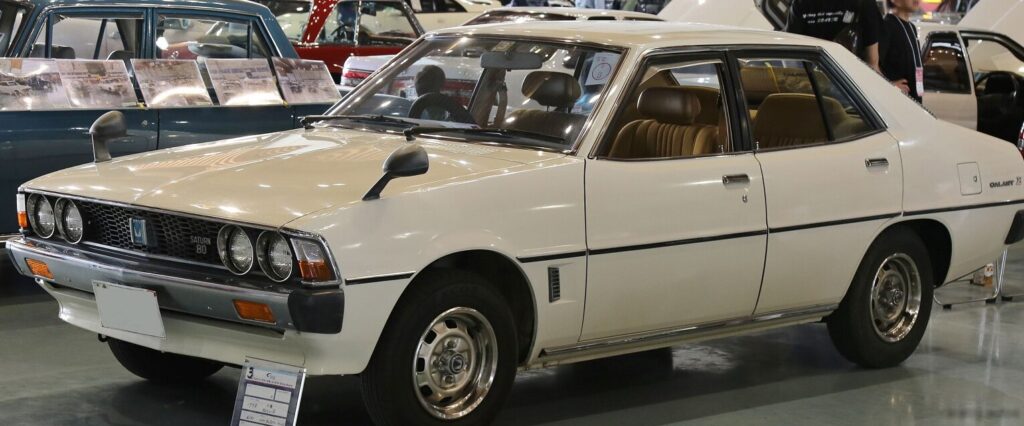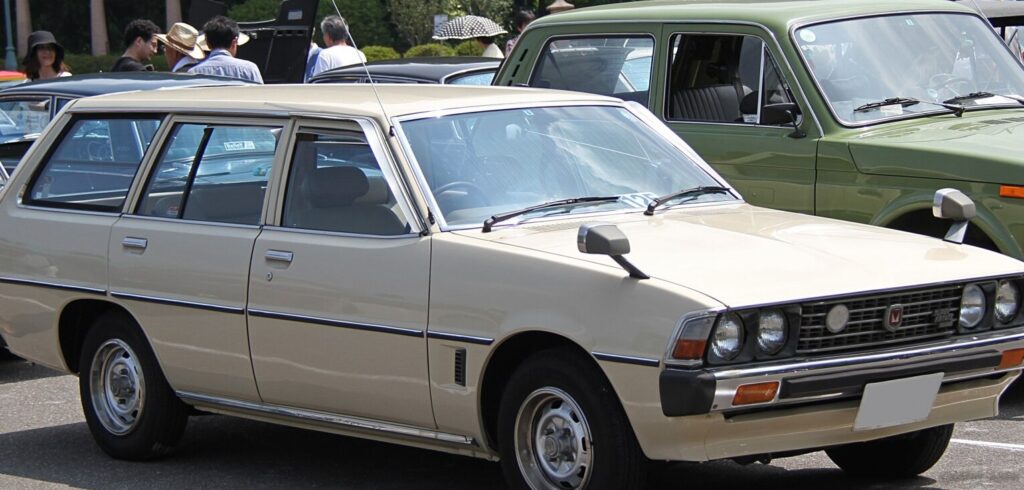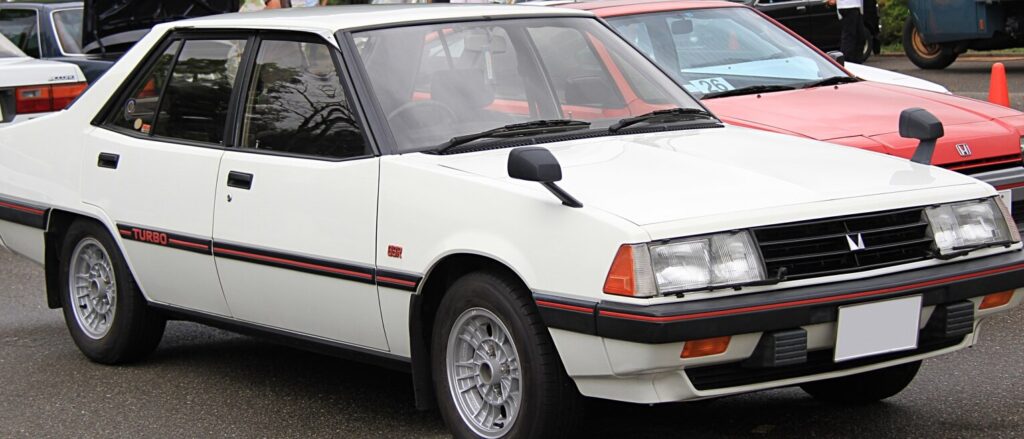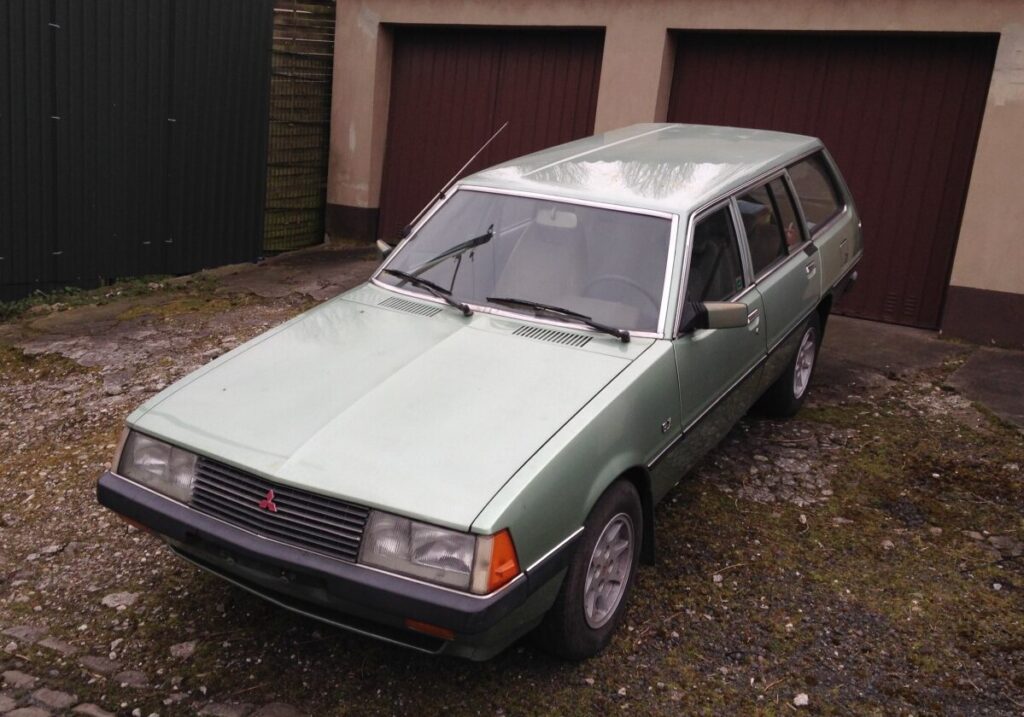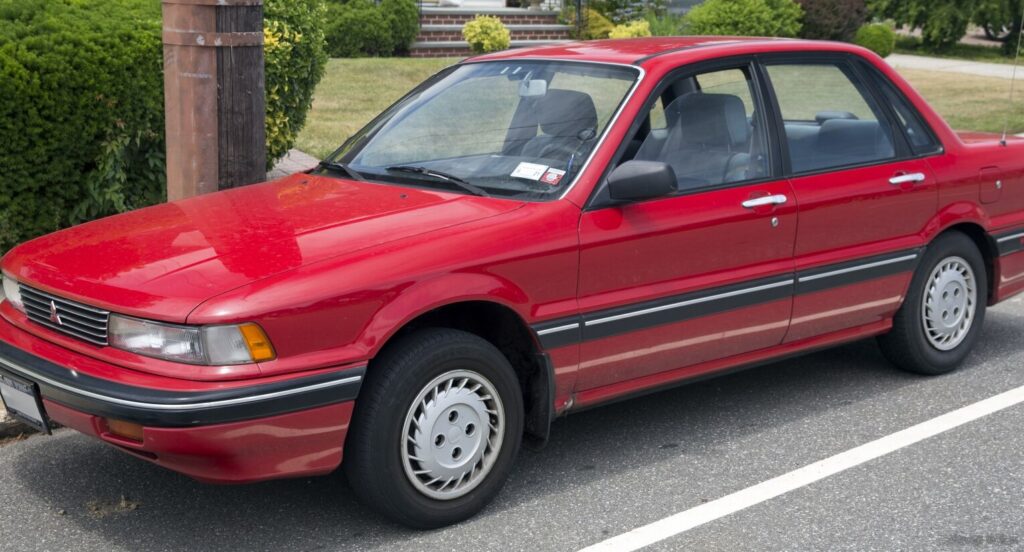
The Mitsubishi Galant VI, produced between 1988 and 1992, represented a significant evolution in Mitsubishi’s mid-size sedan offering. This generation, designated the E33A chassis code, aimed to provide a blend of comfort, reliability, and affordability. Within the Galant VI lineup, the 2.0-liter (E33A) variant with 109 horsepower and an automatic transmission occupied a middle ground, positioned as a more accessible option compared to potential higher-performance trims, while offering a more refined experience than base models. It was a popular choice for buyers seeking a comfortable and practical family sedan.
The 2.0L Automatic Galant VI: A Detailed Overview
The 2.0L automatic Galant VI was a mainstay of the model range throughout its production run. It catered to a broad demographic, prioritizing ease of use and comfort over outright sporting performance. This variant was particularly well-suited for daily commuting and family transportation, offering a balance between fuel efficiency and adequate power for most driving situations. The E33A chassis provided a solid foundation for the vehicle, and the 2.0L engine, while not the most powerful in the lineup, proved to be durable and relatively easy to maintain.
Powertrain & Engine Architecture
At the heart of the 2.0L Galant VI lay the 4G63 inline-four cylinder engine. This engine, displacing 1997cc, produced 109 horsepower. The 4G63 was a robust and well-regarded engine, known for its longevity and relatively simple design. It featured a single overhead camshaft (SOHC) valvetrain with two valves per cylinder. Fuel delivery was handled by a multi-port fuel injection (MPFI) system, which improved fuel efficiency and reduced emissions compared to earlier carburetor-based systems. The MPFI system precisely meters fuel into each intake port, optimizing combustion.
The engine was transversely mounted in the front of the vehicle, driving the front wheels. The automatic transmission was a conventional four-speed unit, designed to provide smooth and effortless gear changes. While not offering the responsiveness of a manual transmission, the automatic was favored by many buyers for its convenience, particularly in urban driving conditions. The transmission’s gear ratios were tuned for a balance of acceleration and fuel economy, with a relatively conservative first gear and a taller final drive ratio for highway cruising.
Driving Characteristics
The driving experience in the 2.0L automatic Galant VI was characterized by smoothness and predictability. Acceleration was adequate for everyday driving, but it wasn’t a particularly quick car. The 109 horsepower engine provided sufficient power for merging onto highways and passing slower vehicles, but it lacked the punch of more powerful engines. The automatic transmission contributed to a relaxed driving style, shifting smoothly and without noticeable hesitation. However, it did detract from driver engagement, and downshifts could sometimes feel sluggish. Compared to a manual transmission equipped Galant VI, the automatic version offered less control and a slightly slower 0-60 mph time. The suspension, tuned for comfort, absorbed bumps and imperfections in the road well, providing a comfortable ride for both driver and passengers.
Equipment & Trim Levels
The 2.0L automatic Galant VI typically came equipped with a reasonable level of standard features. These generally included power steering, air conditioning, an AM/FM radio, and cloth upholstery. Depending on the specific market and optional packages selected, additional features could include power windows, power door locks, a sunroof, and upgraded audio systems. Interior trim levels varied, with higher-spec models featuring more luxurious fabrics and additional convenience features. The dashboard layout was functional and straightforward, with easy-to-read gauges and logically placed controls. The seats were generally comfortable and supportive, providing adequate cushioning for long journeys.
Chassis & Braking
The Galant VI utilized an independent McPherson strut suspension system at the front, providing good handling and ride comfort. The rear suspension employed a semi-independent multi-link setup, which helped to minimize body roll and improve stability. The braking system consisted of ventilated discs at the front and solid discs at the rear, providing adequate stopping power for most driving conditions. An Anti-lock Braking System (ABS) was often included as standard equipment, enhancing safety by preventing wheel lockup during hard braking. The steering system was a rack-and-pinion setup with hydraulic power assistance, offering precise steering feel and ease of maneuverability. The vehicle rode on 185/70 R14 tires mounted on 5.5J x 14 inch steel or alloy wheels.
Market Reception & Comparison
The 2.0L automatic Galant VI was generally well-received by automotive critics and consumers alike. It was praised for its comfortable ride, spacious interior, and reliable powertrain. However, some critics noted that the engine lacked power and the automatic transmission could feel sluggish. Compared to other mid-size sedans of the era, such as the Toyota Camry and Honda Accord, the Galant VI offered a competitive package in terms of price, features, and reliability. Fuel economy was respectable, averaging around 22-26 mpg in combined driving conditions. The 2.0L automatic variant was often seen as a more practical and affordable alternative to higher-performance trims, such as those equipped with the V6 engine.
Technical Specifications
| Body Type | Sedan, 4 Doors, 5 Seats |
| Engine Type | Inline-4, Petrol (Gasoline) |
| Engine Code | 4G63 |
| Engine Displacement | 1997cc (2.0L) |
| Power Output | 109 hp |
| Torque Output | 132 lb-ft |
| Fuel Injection | Multi-port Fuel Injection |
| Valves per Cylinder | 2 |
| Transmission | 4-speed Automatic |
| Drivetrain | Front Wheel Drive |
| Front Suspension | Independent McPherson Strut |
| Rear Suspension | Semi-Independent Multi-Link |
| Front Brakes | Ventilated Discs |
| Rear Brakes | Discs |
| ABS | Available |
| Fuel Tank Capacity | 60 liters (15.85 US gallons) |
| Tire Size | 185/70 R14 |
Legacy
The 2.0L automatic Galant VI remains a relatively common sight on used car markets today. The 4G63 engine is known for its durability and can often withstand high mileage with proper maintenance. While not a particularly collectible model, the Galant VI is appreciated by enthusiasts for its simplicity, reliability, and affordability. Common maintenance issues include oil leaks, worn suspension components, and occasional problems with the automatic transmission. However, parts availability is generally good, and the car is relatively easy to repair. The 2.0L automatic variant continues to offer a practical and economical transportation option for those seeking a classic Japanese sedan.