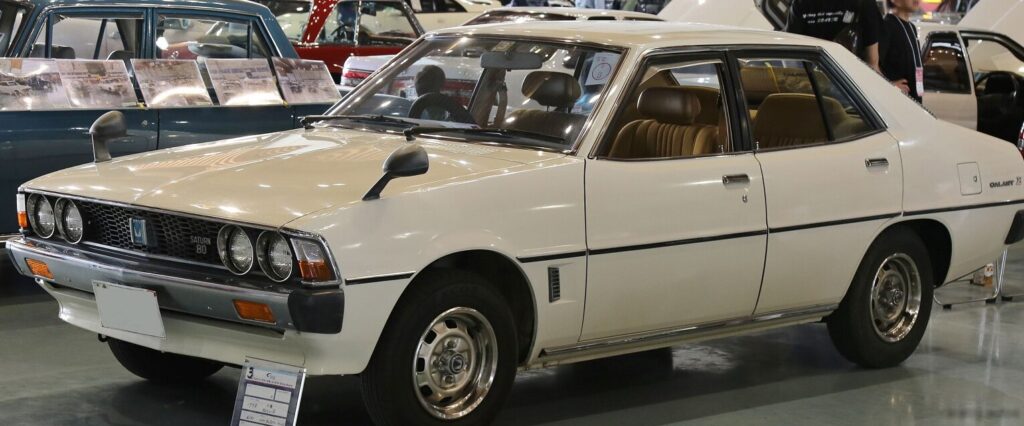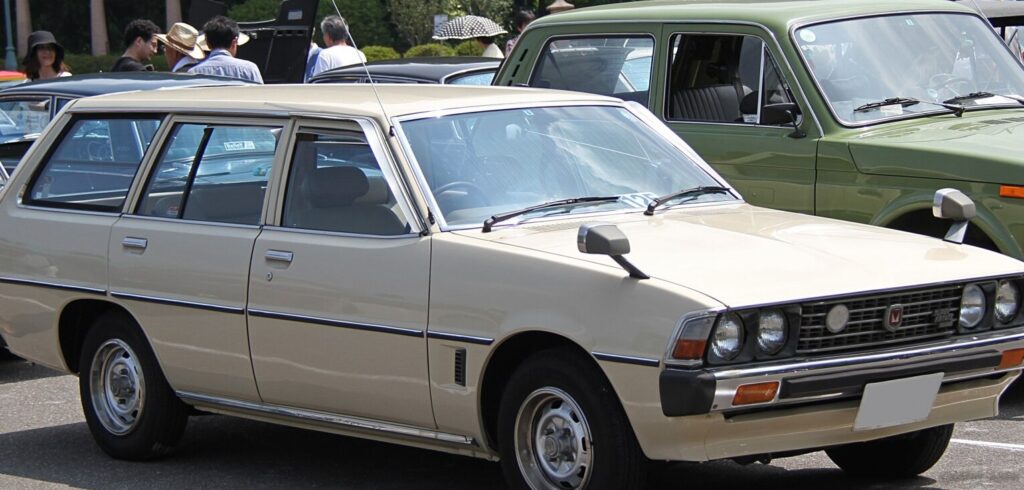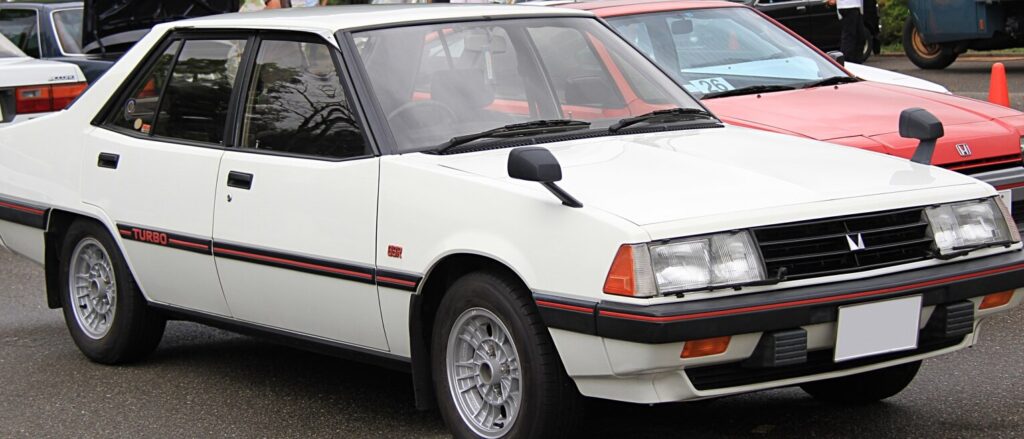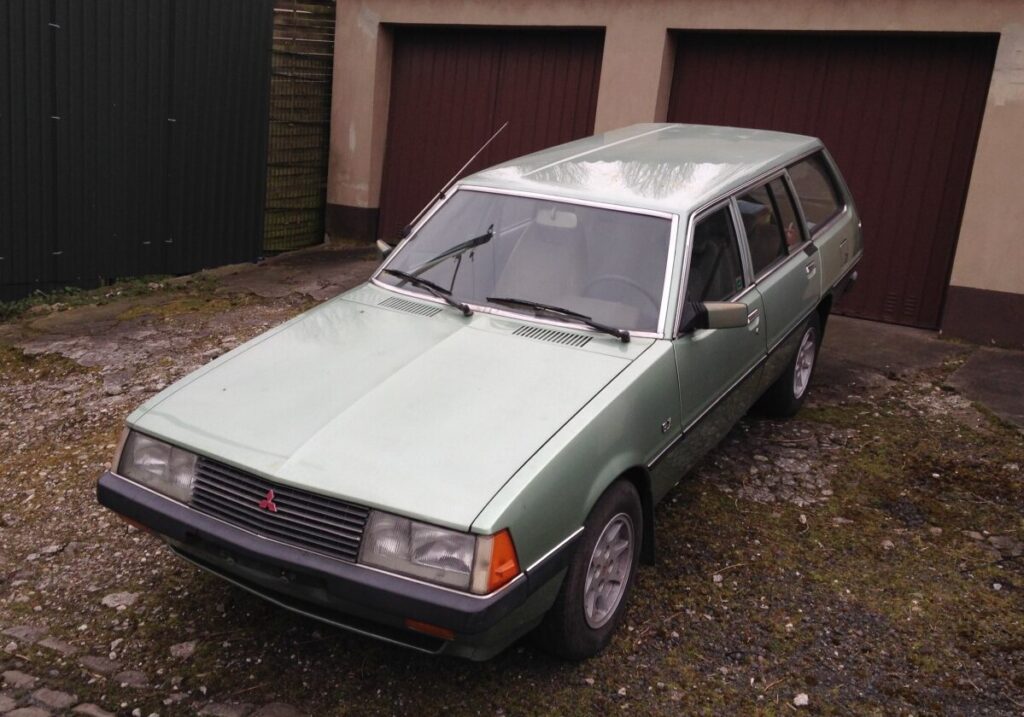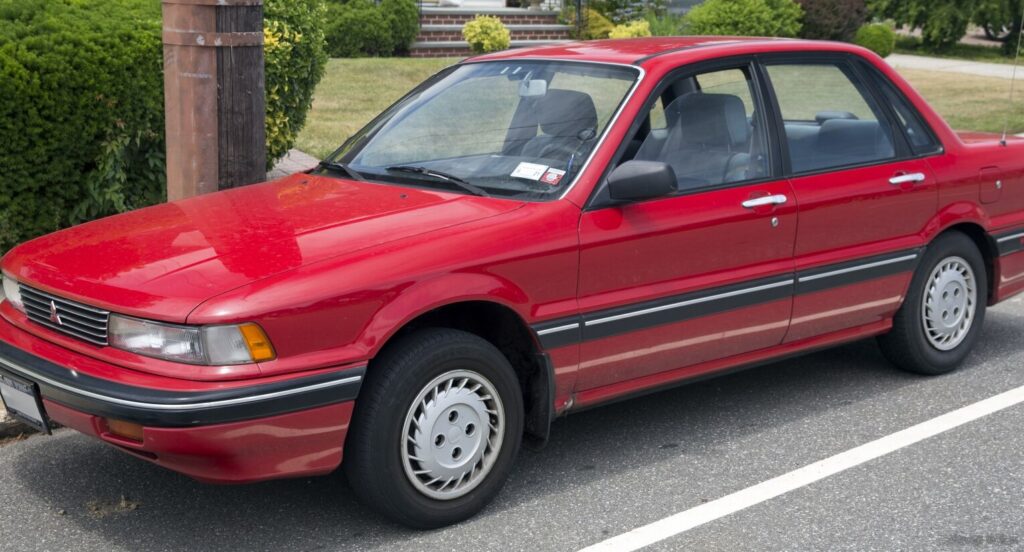
The Mitsubishi Galant VI 2.0 GTI 16V 4×4 (E39A), produced between 1989 and 1992, represented a significant step forward for Mitsubishi’s mid-size sedan. Part of the sixth generation of the Galant (1988-1992), the E39A variant was positioned as a performance-oriented trim, offering all-wheel drive and a more powerful engine option within the Galant VI lineup. It was designed to appeal to drivers seeking a blend of practicality, comfort, and spirited driving dynamics, particularly in regions with inclement weather where the all-wheel-drive system provided a distinct advantage. The Galant VI, as a whole, aimed to compete with established rivals like the Toyota Camry, Honda Accord, and Nissan Maxima.
Powertrain & Engine Architecture
The heart of the Galant VI 2.0 GTI 16V 4×4 was the 4G63 engine, a 2.0-liter (1997 cc) inline-four cylinder powerplant. This engine was notable for its double overhead camshaft (DOHC) valvetrain, operating 16 valves (four per cylinder). The 4G63 in this application featured multi-port fuel injection, a system that delivered fuel directly to each intake port, improving efficiency and responsiveness compared to earlier carburetor-based systems. The engine produced 144 horsepower at 5700 rpm and 182 Nm (134.24 lb-ft) of torque at 3500 rpm. The compression ratio was set at 9.8:1. Bore and stroke dimensions were 85 mm (3.35 in) and 88 mm (3.46 in) respectively.
The “GTI” designation indicated a focus on performance, and the 4×4 system further enhanced the car’s capabilities. The transmission was a four-speed automatic, chosen to provide ease of use and accessibility for a wider range of drivers. While a five-speed manual transmission was available on other Galant VI models, it was not offered with the 2.0 GTI 16V 4×4 configuration. The automatic transmission was designed to handle the engine’s torque output and distribute power effectively to all four wheels.
Transmission Details
The four-speed automatic transmission used in the E39A was a conventional hydraulic control unit. It featured torque converter lock-up for improved fuel efficiency at cruising speeds. Gear ratios were tuned to balance acceleration and fuel economy, with a focus on providing smooth shifts during normal driving conditions. While not as sporty as a manual transmission, the automatic offered a comfortable and convenient driving experience, particularly in urban environments.
Driving Characteristics
The Galant VI 2.0 GTI 16V 4×4 offered a noticeably more engaging driving experience than lower-spec Galant models. The 144 hp engine provided adequate power for everyday driving and allowed for confident overtaking maneuvers. The all-wheel-drive system significantly improved traction, especially on slippery surfaces, making it a capable vehicle in a variety of weather conditions. However, the automatic transmission did result in some power loss compared to the manual versions of the 4G63 engine.
The car’s weight of 1341 kg (2956.4 lbs) contributed to a weight-to-power ratio of 9.3 kg/hp. While not a sports car, the Galant VI 2.0 GTI 16V 4×4 offered a balanced driving experience, combining comfort with a degree of performance. The all-wheel-drive system also added to the car’s stability during cornering, providing a more secure feel for the driver.
Equipment & Trim Levels
The 2.0 GTI 16V 4×4 trim level was relatively well-equipped for its time. Standard features typically included power windows, power door locks, and a basic audio system. Interior upholstery was generally cloth, although leather options were sometimes available as an upgrade. The dashboard layout was functional and straightforward, with easy-to-read gauges. Air conditioning was a common feature, and some models included a sunroof. Optional extras could include upgraded audio systems, alloy wheels, and a more luxurious interior trim.
The GTI designation also meant some cosmetic enhancements, such as a sportier steering wheel and unique badging. The overall interior design prioritized comfort and practicality, with ample space for passengers and luggage. The Galant VI’s interior was considered to be well-built and durable for its class.
Chassis & Braking
The Galant VI utilized a MacPherson strut front suspension and a multi-link rear suspension. This setup provided a good balance between ride comfort and handling. Stabilizer bars were fitted to both the front and rear axles to reduce body roll during cornering. The all-wheel-drive system added to the car’s stability and handling prowess.
Braking duties were handled by disc brakes on the front wheels and drum brakes on the rear wheels. This configuration was typical for vehicles in this price range during the late 1980s and early 1990s. Power steering was standard, making the car easy to maneuver at low speeds. The braking system provided adequate stopping power for normal driving conditions, although it wasn’t as powerful as the disc brake setups found on some higher-performance vehicles.
Market Reception & Comparison
The Mitsubishi Galant VI 2.0 GTI 16V 4×4 was generally well-received by automotive critics. It was praised for its comfortable ride, spacious interior, and capable all-wheel-drive system. The 4G63 engine was also recognized for its smooth power delivery and reliability. However, some critics noted that the automatic transmission detracted slightly from the car’s overall performance.
Compared to other Galant VI trims, the 2.0 GTI 16V 4×4 offered a significant performance upgrade. It was more powerful and offered superior traction compared to the base models. Fuel economy was comparable to other 2.0-liter sedans of the era, averaging around 22-26 mpg in mixed driving conditions. Reliability was generally good, although regular maintenance was essential to ensure the longevity of the engine and transmission.
Technical Specifications
| Body Type | Sedan, 4 Doors, 5 Seats |
| Engine Type | Petrol (Gasoline) |
| Maximum Speed | 204 km/h (126.76 mph) |
| Weight-to-Power Ratio | 9.3 kg/Hp |
| Weight-to-Torque Ratio | 7.4 kg/Nm |
| Power | 144 Hp @ 5700 rpm |
| Power per Litre | 72.1 Hp/l |
| Torque | 182 Nm @ 3500 rpm (134.24 lb.-ft. @ 3500 rpm) |
| Engine Layout | Front, Transverse |
| Engine Model/Code | 4G63 |
| Engine Displacement | 1997 cm3 (121.86 cu. in.) |
| Number of Cylinders | 4 |
| Engine Configuration | Inline |
| Cylinder Bore | 85 mm (3.35 in) |
| Piston Stroke | 88 mm (3.46 in) |
| Compression Ratio | 9.8:1 |
| Number of Valves per Cylinder | 4 |
| Fuel Injection System | Multi-port manifold injection |
| Engine Aspiration | Naturally aspirated |
| Valvetrain | DOHC |
| Kerb Weight | 1341 kg (2956.4 lbs) |
| Length | 4572 mm (180 in) |
| Width | 1674 mm (65.91 in) |
| Height | 1433 mm (56.42 in) |
| Wheelbase | 2600 mm (102.36 in) |
| Drivetrain | All wheel drive (4×4) |
Legacy
The Mitsubishi Galant VI 2.0 GTI 16V 4×4, while not a particularly rare or highly sought-after classic today, holds a respectable position among enthusiasts. The 4G63 engine is renowned for its durability and tunability, making it a popular choice for modifications. The all-wheel-drive system remains a desirable feature, particularly in regions with challenging weather conditions.
In the used car market, these Galants are typically found in reasonable condition, although rust can be a concern depending on the vehicle’s history and location. Parts availability is generally good, although some specific trim pieces may be difficult to find. The Galant VI 2.0 GTI 16V 4×4 represents a solid and reliable mid-size sedan from the late 1980s and early 1990s, offering a blend of performance, comfort, and all-weather capability.