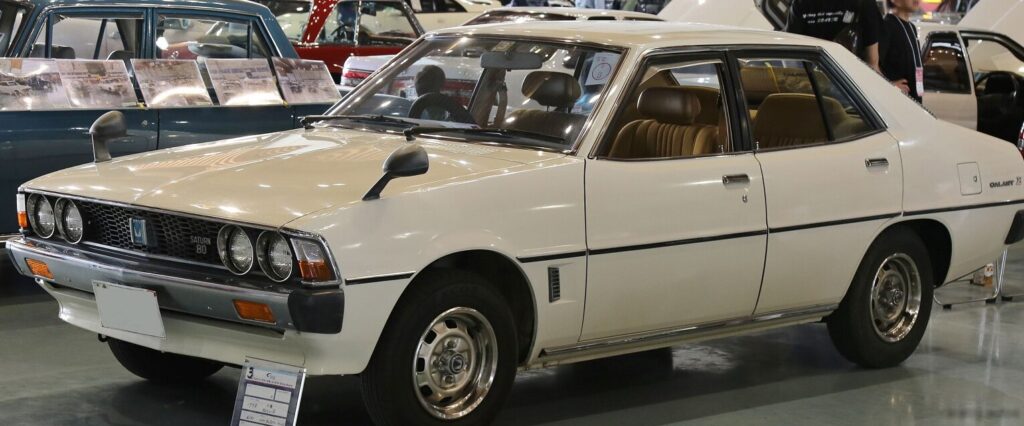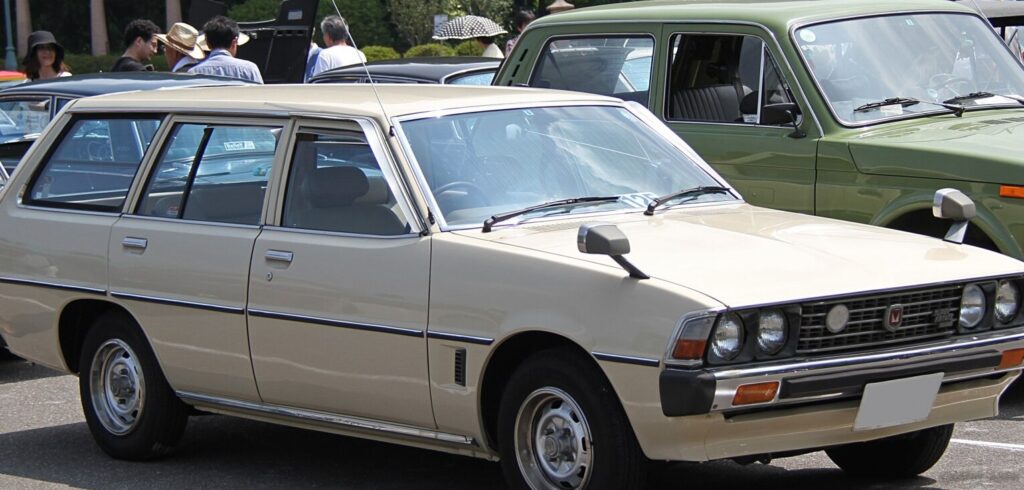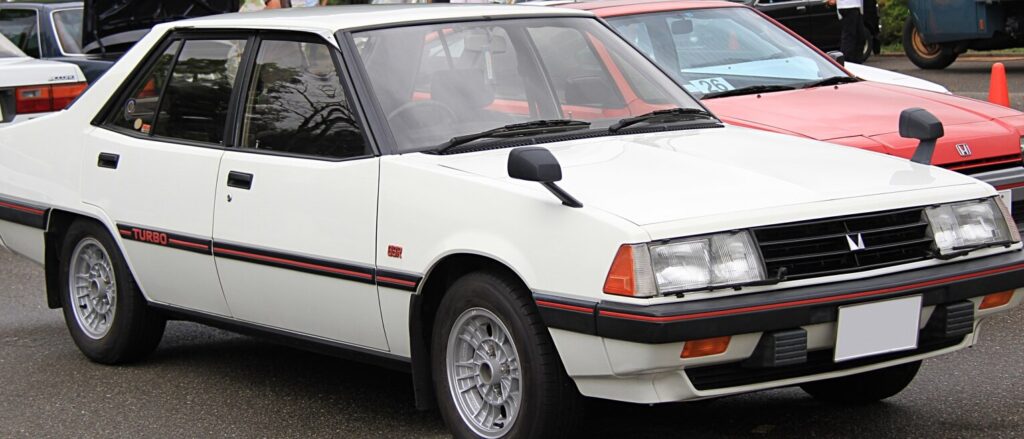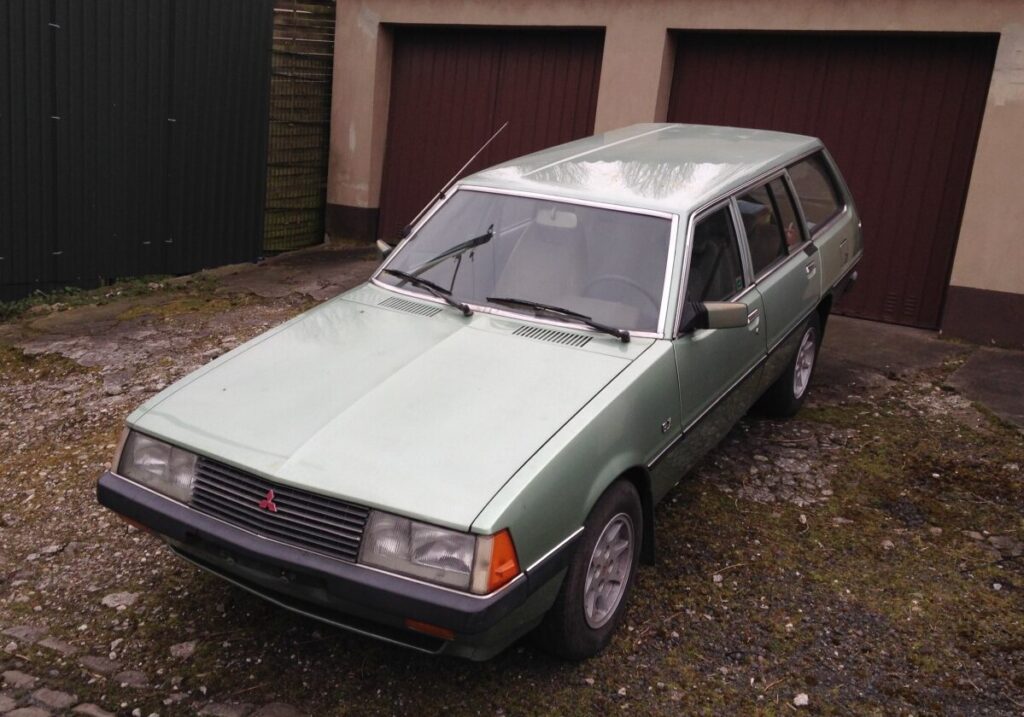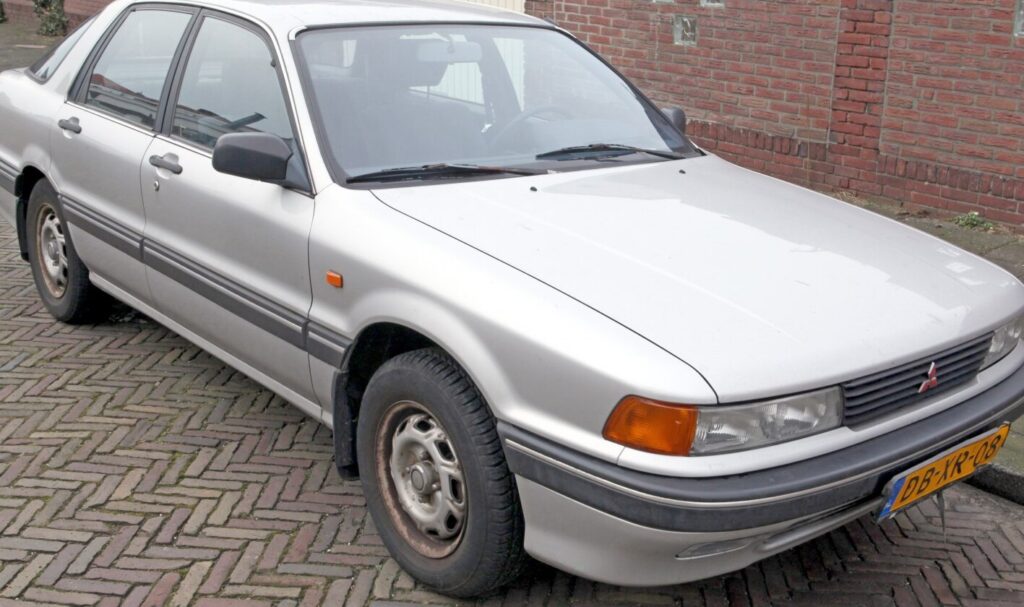
The Mitsubishi Galant VI, produced between 1988 and 1992, represented a significant evolution in Mitsubishi’s mid-size offerings. Within the VI generation (E38A chassis), the 2.0-liter 4×4 variant, developing 144 horsepower, occupied a unique position. It was positioned as a more capable, all-weather version of the Galant, appealing to buyers in regions with inclement weather or those desiring added traction and stability. This model aimed to bridge the gap between the more basic, front-wheel-drive Galant trims and the potentially more expensive and sporty options available. The E38A platform itself was a departure from previous Galant generations, embracing more modern styling and engineering principles.
Mitsubishi Galant VI 2.0 4×4 (E38A): An Overview
The Galant VI, available as a sedan and hatchback, was a crucial model for Mitsubishi, competing in a crowded segment against rivals like the Toyota Camry, Honda Accord, and Nissan Maxima. The 2.0-liter 4×4 hatchback variant distinguished itself with its full-time four-wheel-drive system, offering enhanced grip and control. While not a dedicated off-roader, the 4×4 system provided a noticeable advantage in slippery conditions, making it a practical choice for drivers in areas prone to snow, ice, or gravel roads. The hatchback body style further enhanced its practicality, offering increased cargo space compared to the sedan.
Powertrain & Engine Architecture
The heart of the Galant VI 2.0 4×4 was the 4G63 inline-four cylinder engine. This 1997cc (2.0-liter) engine featured a naturally aspirated configuration and produced 144 horsepower at 5,800 rpm and approximately 130 lb-ft of torque at 4,500 rpm. The engine utilized a multi-point fuel injection system, contributing to improved fuel efficiency and smoother operation compared to earlier carbureted designs. The 4G63 engine was known for its durability and relatively simple maintenance requirements. The valvetrain consisted of a single overhead camshaft (SOHC) operating two valves per cylinder.
The transmission paired with the 2.0-liter engine was a four-speed automatic transmission. While not offering the most modern gear ratios, it was a reliable unit designed for smooth and comfortable operation. The automatic transmission was chosen to appeal to a broader audience seeking convenience over outright performance. The 4×4 system employed a viscous coupling center differential, distributing power between the front and rear axles as needed. This system operated full-time, requiring no driver intervention, and provided a seamless transition between two-wheel and four-wheel drive. The rear differential was typically an open differential, although limited-slip differentials were occasionally available as an option.
Driving Characteristics
The driving experience in the Galant VI 2.0 4×4 was characterized by its comfortable ride and predictable handling. The four-wheel-drive system provided enhanced stability, particularly in adverse weather conditions. Acceleration was adequate for everyday driving, but the 144 horsepower engine and four-speed automatic transmission didn’t deliver particularly brisk performance. Compared to the manual transmission versions of the 2.0-liter engine, the automatic resulted in a slight decrease in acceleration due to the inherent power losses within the torque converter and the less aggressive gear ratios. The automatic transmission prioritized smooth shifts and fuel economy over sporty responsiveness. The 4×4 system added some weight compared to the front-wheel-drive models, which slightly impacted handling agility, but the added traction generally outweighed this drawback in most driving situations.
Equipment & Trim Levels
The Galant VI 2.0 4×4 was typically offered in a single, well-equipped trim level. Standard features generally included power steering, power brakes, air conditioning, and an AM/FM stereo. Interior upholstery was typically cloth, with options for upgraded materials available. The dashboard layout was functional and straightforward, with easy-to-read gauges and logically placed controls. Optional extras could include power windows, power door locks, a sunroof, and upgraded audio systems. The hatchback configuration provided a generous amount of cargo space, making it a practical choice for families or those needing to transport larger items. The level of equipment was competitive with other mid-size cars of the era, offering a good balance of comfort and convenience.
Chassis & Braking
The Galant VI utilized a MacPherson strut front suspension and a multi-link rear suspension. This suspension setup provided a comfortable ride while maintaining reasonable handling characteristics. The 4×4 models often featured slightly stiffer springs and dampers to compensate for the added weight of the four-wheel-drive components. The braking system consisted of disc brakes on the front wheels and drum brakes on the rear wheels. While adequate for normal driving conditions, the rear drum brakes were a point of criticism compared to the all-disc brake setups found on some competing models. The Galant VI’s chassis was relatively lightweight, contributing to its fuel efficiency and handling balance. Stabilizer bars were fitted to both the front and rear axles to reduce body roll during cornering.
Market Reception & Comparison
The Mitsubishi Galant VI 2.0 4×4 was generally well-received by automotive critics. It was praised for its comfortable ride, spacious interior, and capable four-wheel-drive system. However, some critics noted that the engine lacked the power of some of its rivals, and the automatic transmission wasn’t particularly sporty. Fuel economy was considered average for the class, typically ranging from 20-24 mpg in combined driving. Compared to the front-wheel-drive Galant models, the 4×4 variant offered superior traction and stability, but at the cost of slightly increased fuel consumption and a higher price tag. Compared to the V6-powered Galant trims, the 2.0-liter 4×4 offered a more affordable entry point into the Galant lineup, albeit with less performance. The 4×4 system also set it apart from many competitors, which primarily offered front-wheel drive or rear-wheel drive configurations.
Technical Specifications
| Body Type | Hatchback |
| Engine Type | Inline-4 Cylinder, Naturally Aspirated |
| Engine Displacement | 1997cc (2.0 liters) |
| Horsepower | 144 hp @ 5,800 rpm |
| Torque | 130 lb-ft @ 4,500 rpm |
| Fuel System | Multi-Point Fuel Injection |
| Transmission | 4-Speed Automatic |
| Drivetrain | Full-Time Four-Wheel Drive |
| Front Suspension | MacPherson Strut |
| Rear Suspension | Multi-Link |
| Front Brakes | Disc |
| Rear Brakes | Drum |
| Curb Weight | Approximately 3,000 lbs (1,360 kg) |
| Fuel Economy (Combined) | 20-24 mpg |
Legacy
The Mitsubishi Galant VI 2.0 4×4, while not the most common variant, holds a respectable position among enthusiasts and collectors. The 4G63 engine is renowned for its durability and potential for modification, making it a popular choice for engine swaps and performance upgrades. The full-time four-wheel-drive system remains a desirable feature for those seeking all-weather capability. In the used car market, well-maintained examples of the Galant VI 2.0 4×4 can command a premium price, particularly those with low mileage and a complete service history. While age and mileage inevitably take their toll, the Galant VI 2.0 4×4 remains a reliable and practical vehicle, offering a unique blend of comfort, capability, and affordability. The E38A chassis, in general, is considered a robust platform, and parts availability, while diminishing, is still reasonable. The Galant VI 2.0 4×4 represents a significant chapter in Mitsubishi’s history, showcasing the company’s engineering prowess and commitment to producing quality vehicles.