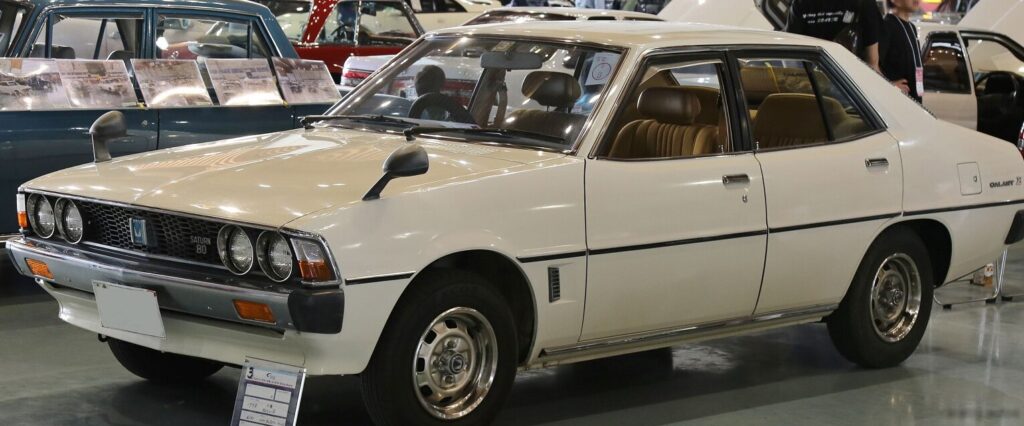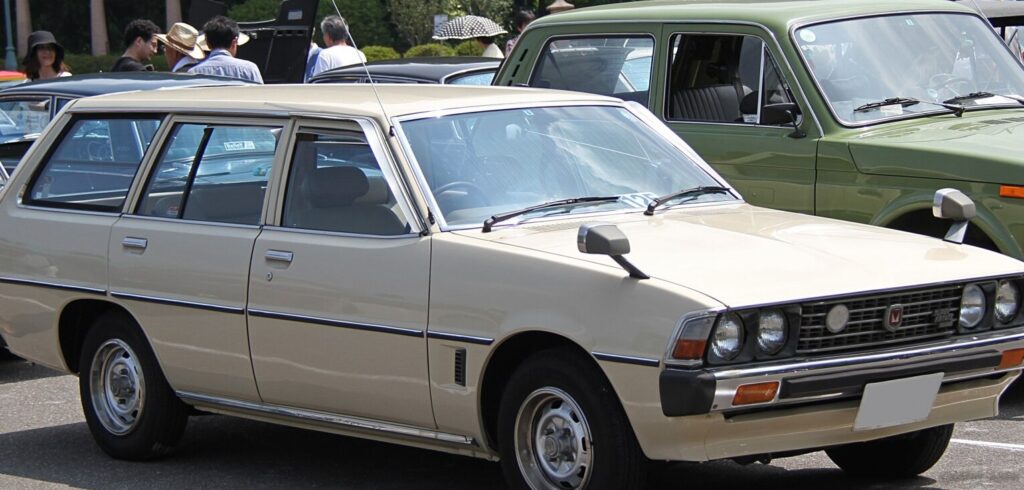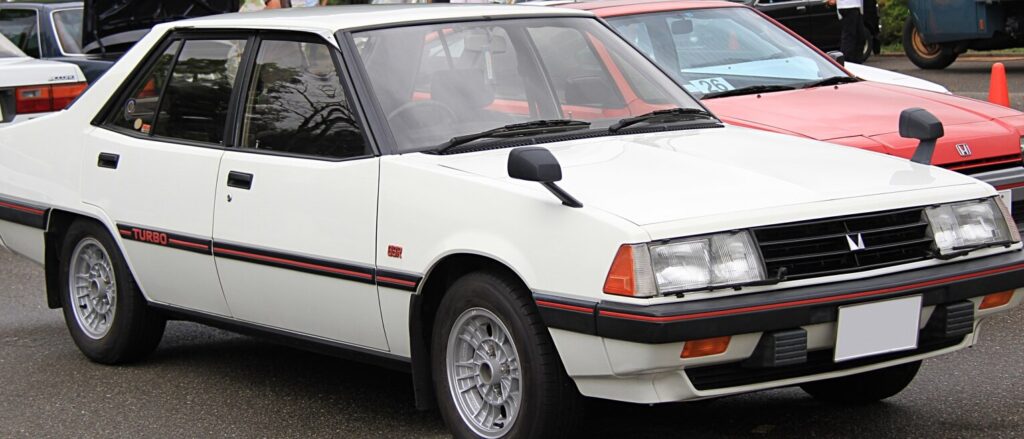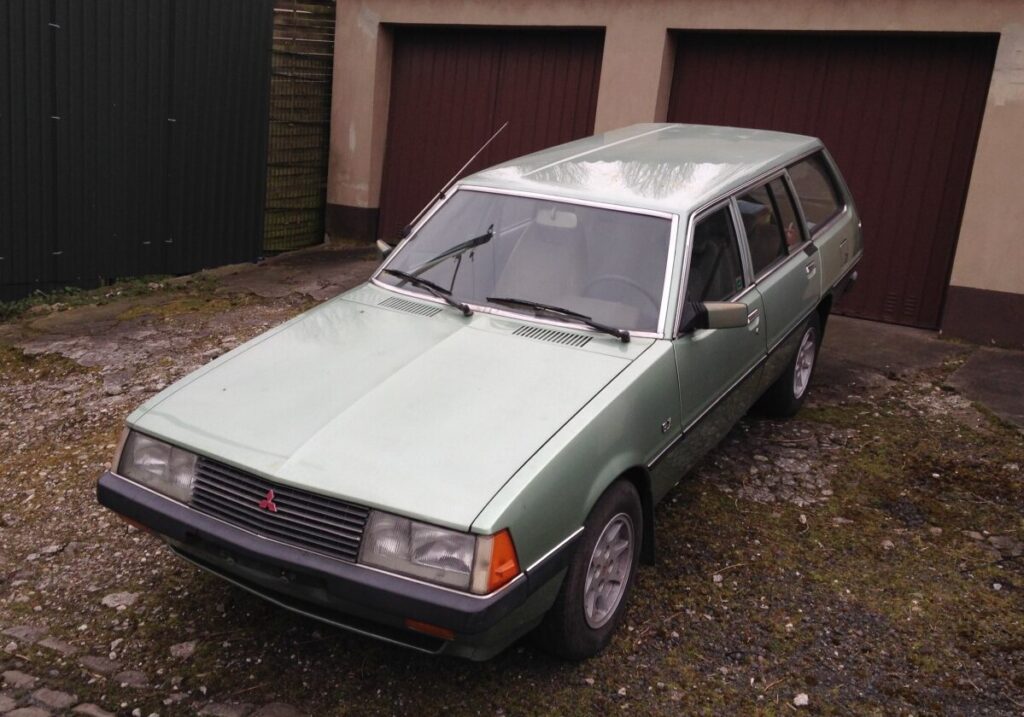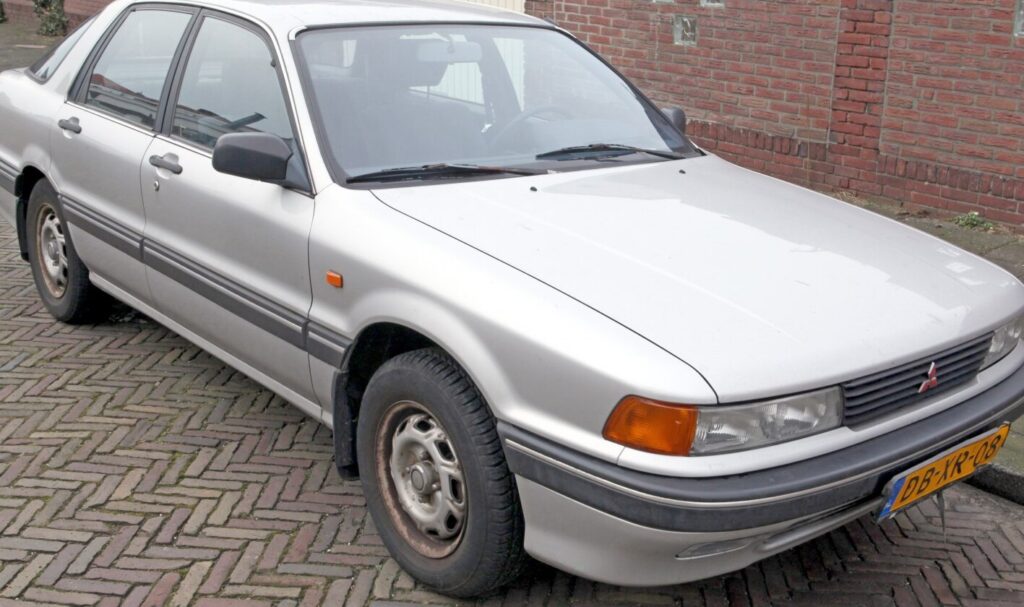
The Mitsubishi Galant VI, produced between 1987 and 1992, represented a significant evolution in Mitsubishi’s mid-size offerings. The sixth generation, designated the E33A chassis code, moved away from the more angular designs of the preceding generation and embraced a more aerodynamic and contemporary aesthetic. Offered in both sedan and hatchback body styles, the Galant VI aimed to compete with established rivals like the Toyota Camry, Honda Accord, and Nissan Maxima. This article focuses specifically on the 2.0-liter (109 hp) hatchback variant (E33A), a model positioned as a practical and reasonably well-equipped option within the Galant VI lineup, often serving as a step up from the base models while remaining more accessible than the higher-performance trims.
Mitsubishi Galant VI Hatchback 2.0 (E33A): An Overview
The 2.0-liter hatchback version of the Galant VI was a key component of Mitsubishi’s strategy to offer a diverse range of models catering to different consumer preferences. The hatchback body style, while less common in the American market than the sedan, provided increased cargo versatility, appealing to buyers who prioritized practicality. The 109 horsepower engine, while not the most powerful option available in the Galant VI range, offered a balance of fuel efficiency and adequate performance for everyday driving. Production spanned from 1987 to 1992, coinciding with a period of increasing competition in the mid-size segment.
Powertrain & Engine Architecture
The heart of the Galant VI 2.0-liter hatchback is the 4G63 inline-four cylinder engine. This engine, displacing 1997cc, utilizes a naturally aspirated configuration. While the 4G63 is renowned for its robustness and tuning potential (particularly in later, turbocharged applications like the Mitsubishi Lancer Evolution), the 109 hp version found in the E33A Galant was equipped with a single overhead camshaft (SOHC) valvetrain and a two-barrel carburetor in many markets. Fuel injection became more common in later years of production, improving efficiency and emissions. The engine block is cast iron, providing durability, while the cylinder head is aluminum, contributing to weight reduction. The compression ratio typically ranged from 8.5:1 to 9.0:1, depending on the specific market and emissions regulations.
The transmission paired with the 2.0-liter engine in the Galant VI hatchback was typically a four-speed automatic transmission. This transmission, while not particularly sophisticated by modern standards, was known for its reliability and smooth operation. It featured a conventional torque converter and hydraulic control system. Manual transmission options were available in other Galant VI trims, but the automatic was a popular choice for buyers prioritizing convenience. The gear ratios were tuned for fuel economy and comfortable cruising, rather than outright acceleration. The automatic transmission contributed to the Galant’s appeal as a practical and easy-to-drive vehicle.
Driving Characteristics
The driving experience in the Galant VI 2.0-liter hatchback is best described as comfortable and predictable. The 109 hp engine provides adequate power for typical commuting and highway driving, but it’s not a particularly sporty performer. Acceleration from a standstill is modest, and passing maneuvers require careful planning. The four-speed automatic transmission contributes to this relaxed driving style, with smooth but deliberate gear changes. Compared to the more powerful 2.0-liter 16-valve or V6 versions of the Galant VI, the 109 hp model feels noticeably less responsive. However, the lower power output also translates to better fuel economy. The suspension is tuned for comfort, absorbing bumps and imperfections in the road reasonably well. Steering is light and easy, making the Galant VI hatchback a straightforward and user-friendly vehicle to drive.
Equipment & Trim Levels
The Galant VI 2.0-liter hatchback typically came equipped with a reasonable level of standard features, reflecting its position as a mid-range offering. Standard equipment often included power steering, air conditioning, an AM/FM radio, and cloth upholstery. Higher trim levels, often denoted by designations like “GL” or “LS”, added features such as power windows, power door locks, cruise control, and upgraded audio systems. Interior upholstery ranged from basic cloth patterns to more premium velour options. The dashboard layout was functional and straightforward, with clearly labeled controls. Optional extras included a sunroof, alloy wheels, and upgraded sound systems. The hatchback configuration provided a generous amount of cargo space, further enhancing the Galant’s practicality.
Chassis & Braking
The Galant VI utilized a front-engine, front-wheel-drive layout. The suspension system consisted of MacPherson struts at the front and a multi-link suspension at the rear. This configuration provided a good balance of ride comfort and handling. The chassis was relatively lightweight, contributing to the Galant’s fuel efficiency. Braking systems varied depending on the trim level and market. Base models typically featured drum brakes at the rear, while higher-spec models were equipped with disc brakes all around. Front brakes were typically ventilated discs. Power-assisted steering was standard. Stabilizer bars were fitted to both the front and rear axles to reduce body roll during cornering. The braking system, while adequate for everyday driving, wasn’t particularly powerful compared to some of its rivals.
Market Reception & Comparison
The Mitsubishi Galant VI 2.0-liter hatchback received generally positive reviews from automotive critics. It was praised for its comfortable ride, spacious interior, and reasonable fuel economy. However, some critics noted that the 109 hp engine lacked the punch of its competitors, particularly the V6-powered models. Compared to the higher-performance Galant VI trims, the 2.0-liter hatchback offered a more affordable and fuel-efficient alternative. In terms of reliability, the Galant VI generally proved to be a dependable vehicle, although some owners reported issues with the carburetor (in models not equipped with fuel injection) and the automatic transmission. Fuel economy was typically in the range of 22-26 mpg city and 28-32 mpg highway, depending on driving conditions and maintenance. Compared to rivals like the Toyota Camry and Honda Accord, the Galant VI offered a similar level of practicality and reliability, but often at a slightly lower price point.
Technical Specifications
| Body Type | Hatchback |
| Engine Type | Inline-4 Cylinder, Naturally Aspirated |
| Engine Displacement | 1997cc (2.0L) |
| Horsepower | 109 hp @ 5500 rpm |
| Torque | 132 lb-ft @ 3250 rpm |
| Fuel System | Carbureted or Fuel Injected (depending on year/market) |
| Valvetrain | SOHC (Single Overhead Camshaft) |
| Transmission | 4-Speed Automatic |
| Drivetrain | Front-Wheel Drive |
| Front Suspension | MacPherson Strut |
| Rear Suspension | Multi-Link |
| Brakes (Front) | Ventilated Discs |
| Brakes (Rear) | Discs or Drums (depending on trim) |
| Curb Weight | Approximately 2700-2900 lbs |
| Fuel Economy (City/Highway) | 22-26 / 28-32 mpg (estimated) |
Legacy
The Mitsubishi Galant VI 2.0-liter hatchback, while not the most iconic or sought-after variant of the sixth-generation Galant, remains a reasonably well-regarded vehicle among enthusiasts and collectors. The 4G63 engine, even in its 109 hp guise, is known for its durability and relatively simple maintenance requirements. Finding well-maintained examples today can be challenging, as many have succumbed to age and neglect. However, those that remain often represent a good value for buyers seeking a classic Japanese hatchback with a reputation for reliability. The automatic transmission, while not a performance-oriented unit, has proven to be reasonably durable over the long term. The Galant VI 2.0-liter hatchback serves as a reminder of a time when Mitsubishi offered a diverse and competitive range of mid-size vehicles, appealing to a wide range of consumers.