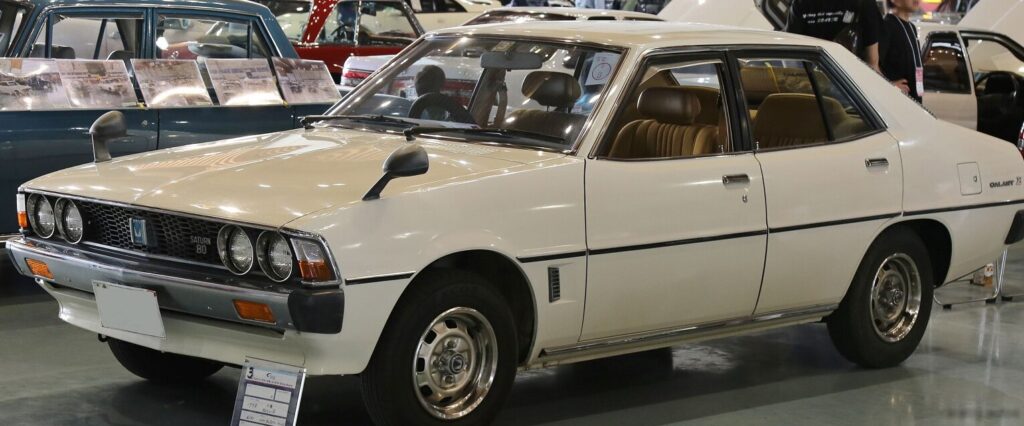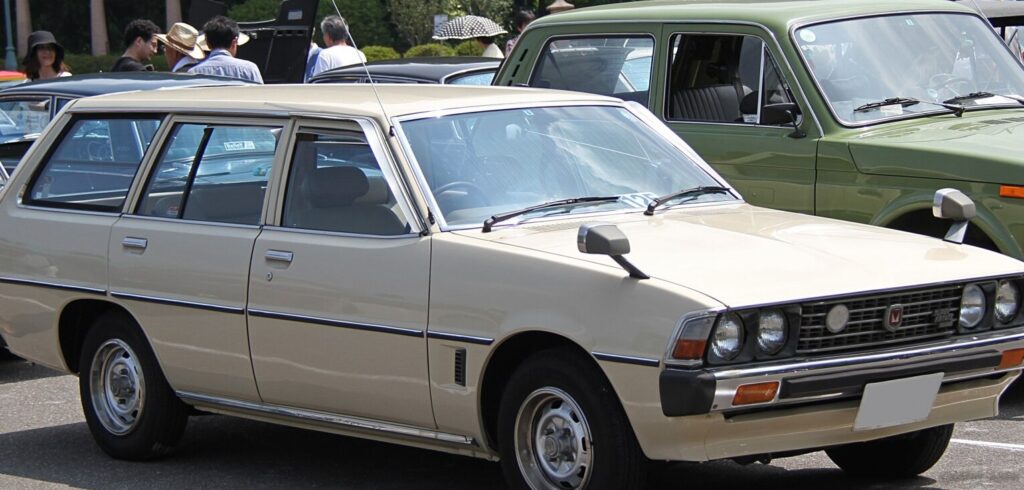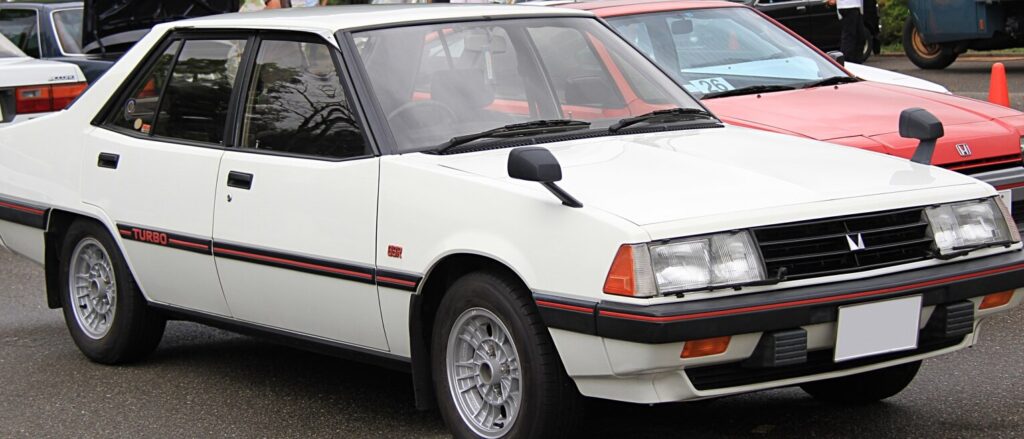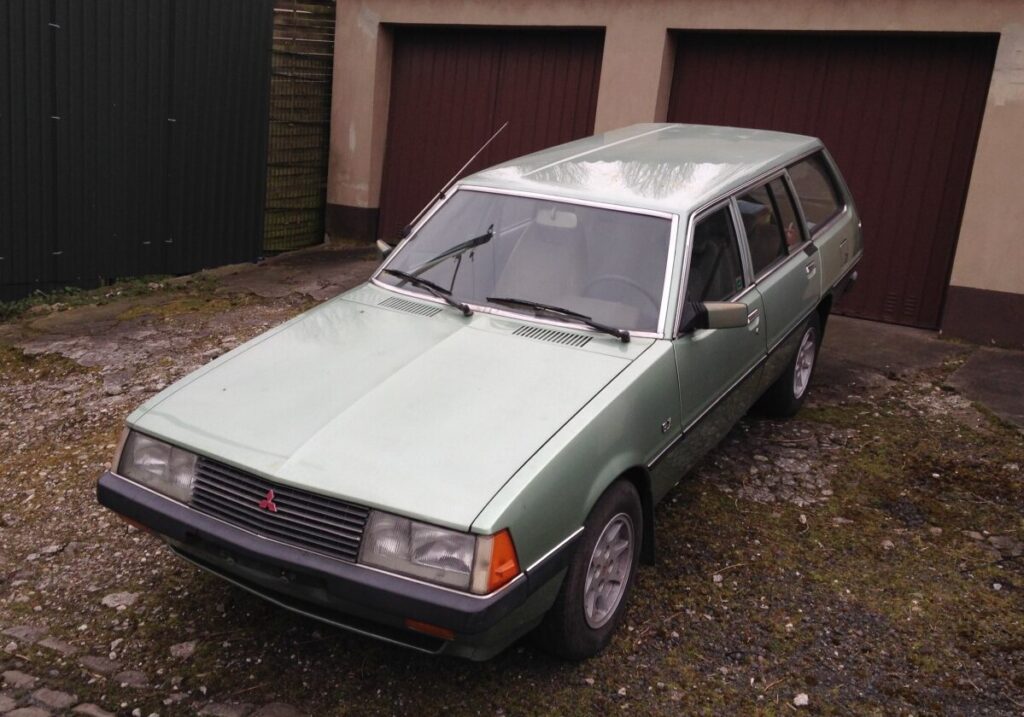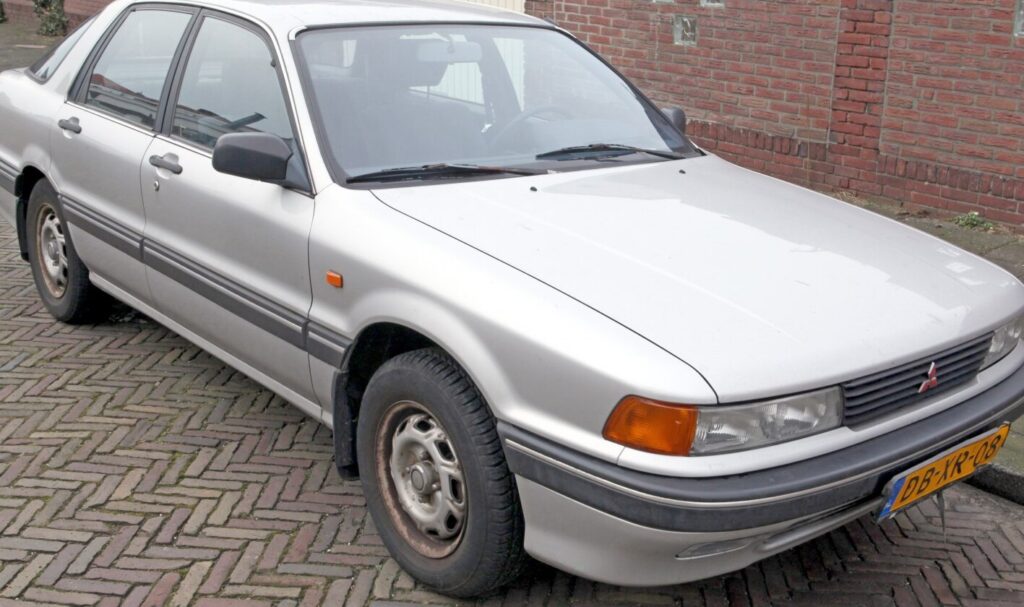
The Mitsubishi Galant VI, produced between 1991 and 1992 in hatchback form, represented a significant evolution of the Galant lineage. Within this generation, the 2.0 GTI 16V 4×4 CAT (150 hp) variant occupied a performance-oriented niche, positioned as the flagship model for those seeking a blend of practicality, all-wheel drive capability, and spirited driving. This model, identifiable by its specific engine code and four-wheel drive system, was a relatively short-lived offering, bridging the gap between the earlier Galant models and the subsequent redesigns. It was built on the platform shared with other Mitsubishi vehicles of the era, offering a degree of mechanical commonality while maintaining a distinct character.
Mitsubishi Galant VI 2.0 GTI 16V 4×4 CAT: An Overview
The Galant VI, introduced in 1991, marked a departure in styling and engineering for the Galant. The hatchback body style, while not as common in the US market as the sedan, offered increased cargo versatility. The 2.0 GTI 16V 4×4 CAT was the top-tier trim level, boasting a more powerful engine, a sophisticated four-wheel drive system, and a range of features designed to appeal to enthusiasts. The “CAT” designation refers to the catalytic converter, indicating compliance with emissions regulations. Production of this specific variant was limited to the 1991 and 1992 model years, making it a relatively rare find today.
Powertrain & Engine Architecture
At the heart of the 2.0 GTI 16V 4×4 CAT lay the 4G63 engine, a 2.0-liter (1997cc) inline-four cylinder gasoline engine. This engine was notable for its dual overhead camshafts (DOHC) and 16 valves, contributing to its higher power output compared to other engines in the Galant VI range. The 4G63 was a robust and well-regarded engine, known for its potential for modification and tuning. It featured multi-point fuel injection, enhancing fuel efficiency and throttle response. The engine produced 150 horsepower (hp) and approximately 145 lb-ft of torque.
The transmission paired with the 4G63 was a four-speed automatic transmission. While a five-speed manual transmission was available on some Galant VI models, it was not offered with the 4×4 system. The automatic transmission was chosen to provide ease of use and accessibility for a wider range of drivers. The transmission’s gear ratios were tuned to balance acceleration and fuel economy, though the all-wheel drive system and engine weight did impact overall efficiency. The automatic transmission featured electronic control for smoother shifting and improved responsiveness.
Driving Characteristics
The 2.0 GTI 16V 4×4 CAT offered a noticeably different driving experience compared to the lower-spec Galant VI models. The 150 hp engine provided brisk acceleration, especially considering the vehicle’s weight and the added complexity of the all-wheel drive system. The four-wheel drive system, a viscous coupling type, provided enhanced traction in various road conditions, making it particularly well-suited for inclement weather or gravel roads. However, the all-wheel drive system also added weight and complexity, slightly diminishing fuel economy and increasing maintenance requirements.
The automatic transmission, while convenient, did result in some power loss compared to a manual transmission. Gear changes were generally smooth, but not as immediate or engaging as a manual gearbox. The suspension was tuned to provide a balance between comfort and handling, offering a reasonably compliant ride while maintaining good body control during cornering. The steering was precise and responsive, contributing to a confident driving experience.
Equipment & Trim Levels
As the top-of-the-line Galant VI hatchback, the 2.0 GTI 16V 4×4 CAT came equipped with a comprehensive list of standard features. These typically included power windows, power door locks, power steering, and air conditioning. The interior featured comfortable cloth upholstery, often with a sporty pattern. A high-quality audio system was also standard, with options for upgraded speakers and a cassette player. The dashboard layout was functional and well-organized, with easy-to-read gauges and controls.
Optional extras available for this trim level included a sunroof, alloy wheels, and upgraded interior trim. Some models also featured a rear spoiler, adding a sporty visual element. The level of equipment varied slightly depending on the specific market, with European and Japanese models often offering different options compared to those sold in other regions.
Chassis & Braking
The Galant VI chassis was a monocoque construction, providing a rigid and durable platform. The 2.0 GTI 16V 4×4 CAT featured a MacPherson strut front suspension and a multi-link rear suspension, offering a good balance of ride comfort and handling precision. The suspension components were specifically tuned to accommodate the added weight and complexity of the all-wheel drive system. Stabilizer bars were fitted to both the front and rear axles to reduce body roll during cornering.
The braking system consisted of ventilated disc brakes on the front wheels and drum brakes on the rear wheels. While the front discs provided ample stopping power, the rear drums were a cost-saving measure that slightly compromised overall braking performance. Power assistance was standard, making it easier to modulate braking force. The braking system was generally reliable, but regular maintenance was essential to ensure optimal performance.
Market Reception & Comparison
The Mitsubishi Galant VI 2.0 GTI 16V 4×4 CAT was generally well-received by automotive critics. It was praised for its powerful engine, all-wheel drive capability, and comfortable interior. However, some critics noted that the automatic transmission detracted from the driving experience, and the fuel economy was not particularly impressive. Compared to other trims in the Galant VI lineup, the 2.0 GTI 16V 4×4 CAT offered significantly more performance and features, but at a higher price point.
Compared to competitors such as the Ford Escort RS Cosworth or the Subaru Impreza, the Galant VI 2.0 GTI 16V 4×4 CAT offered a different blend of attributes. It was more comfortable and refined than the Escort RS Cosworth, but less focused on outright performance. It was less rally-bred than the Subaru Impreza, but offered a more practical and versatile package. The Galant VI’s unique combination of features and capabilities made it a compelling option for buyers seeking a sporty and capable hatchback.
Technical Specifications
| Engine Type | Inline-4, DOHC 16V |
| Displacement | 1997 cc (2.0 L) |
| Horsepower | 150 hp @ 6000 rpm |
| Torque | 145 lb-ft @ 5000 rpm |
| Fuel System | Multi-point Fuel Injection |
| Transmission | 4-speed Automatic |
| Drivetrain | All-Wheel Drive (4×4) |
| Front Suspension | MacPherson Strut |
| Rear Suspension | Multi-Link |
| Front Brakes | Ventilated Discs |
| Rear Brakes | Drums |
| Curb Weight | Approximately 2900 lbs (1315 kg) |
| Fuel Economy (City/Highway) | Estimated 18/24 mpg (US) |
Legacy
The Mitsubishi Galant VI 2.0 GTI 16V 4×4 CAT, while a relatively short-lived model, has gained a following among enthusiasts. The 4G63 engine remains highly regarded for its durability and potential for modification. The all-wheel drive system provides a unique driving experience that is still appreciated today. In the used car market, these models are becoming increasingly rare and collectible.
The long-term reliability of the 4G63 engine is generally excellent, provided that regular maintenance is performed. Common issues include oil leaks and wear on the timing belt. The automatic transmission is also generally reliable, but may require servicing or rebuilding after high mileage. Overall, the Galant VI 2.0 GTI 16V 4×4 CAT represents a well-engineered and capable vehicle that continues to offer a rewarding driving experience for those who appreciate its unique blend of performance, practicality, and all-wheel drive capability.