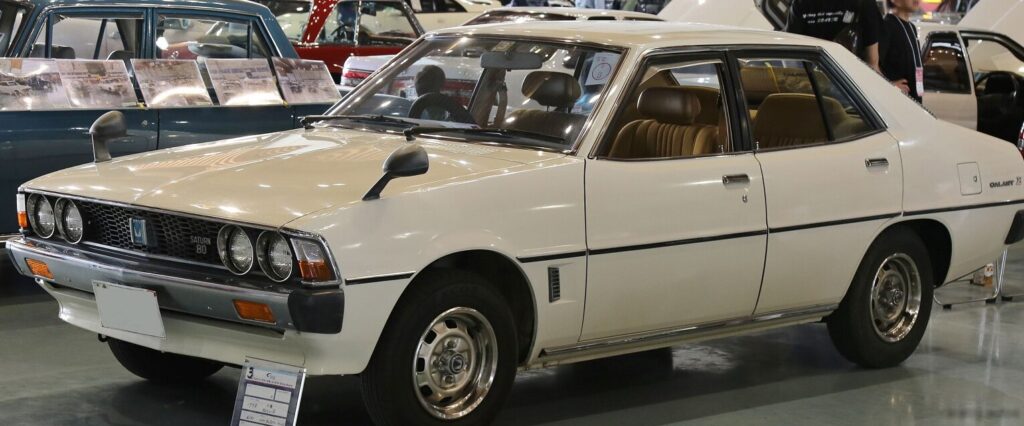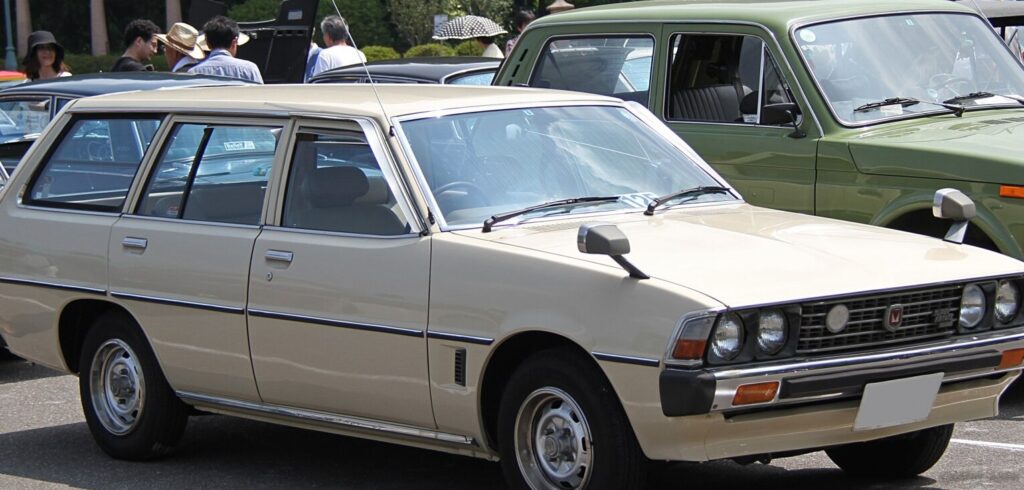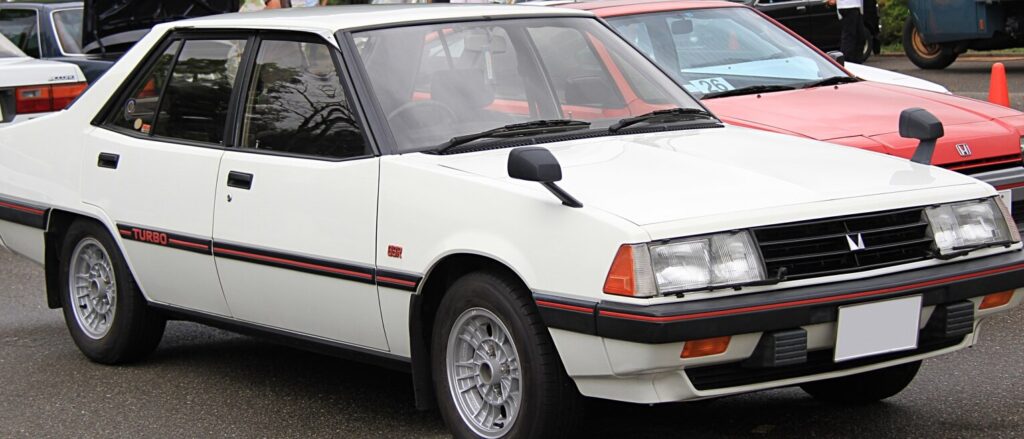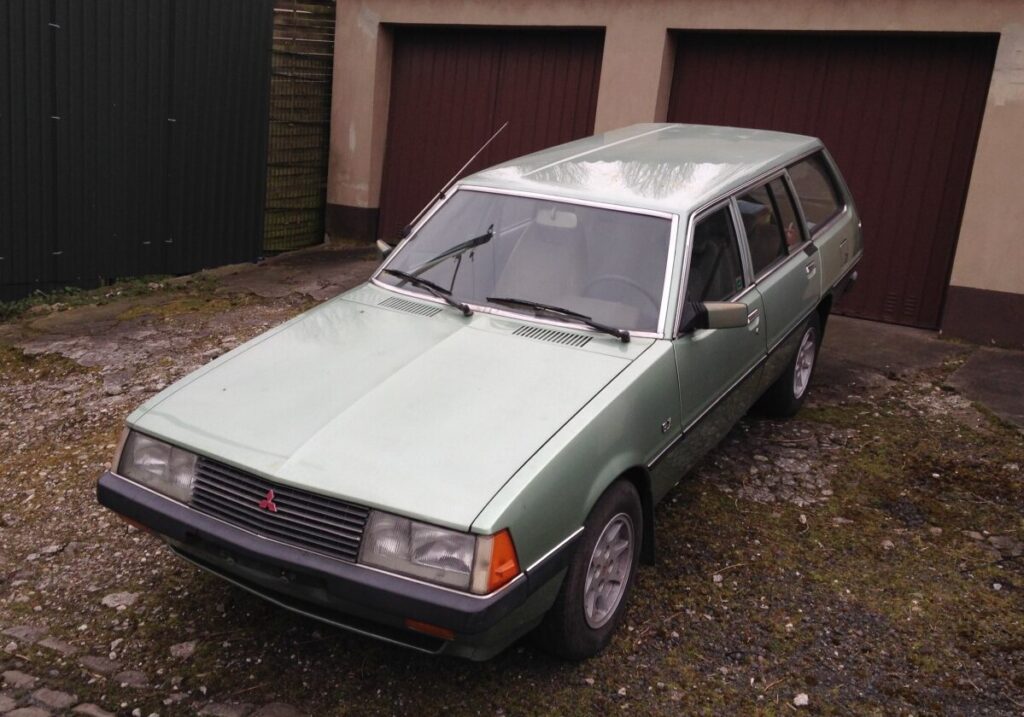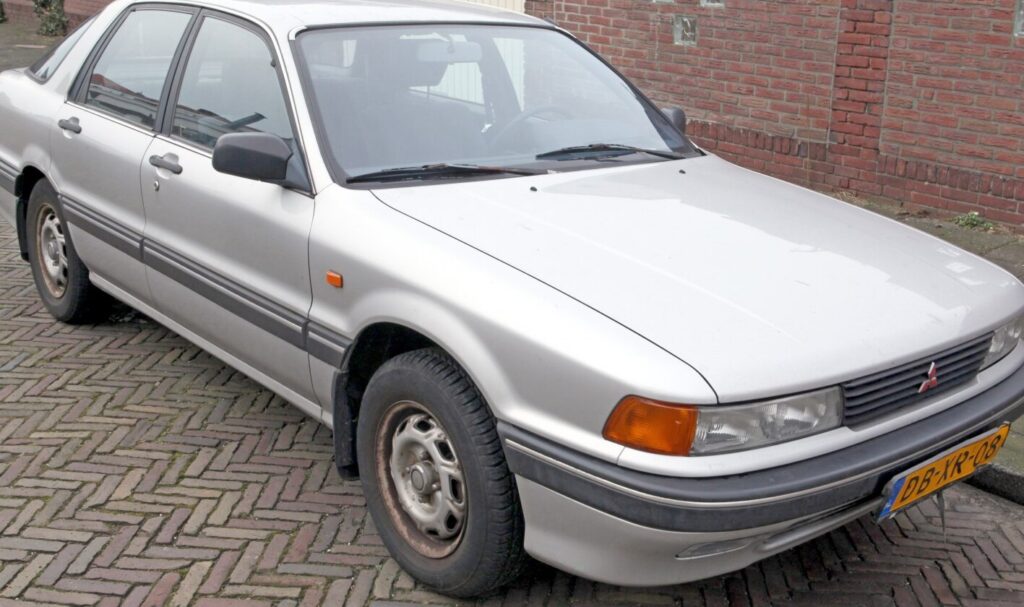
The Mitsubishi Galant VI, produced between 1987 and 1992, represented a significant evolution in Mitsubishi’s mid-size offerings. Within the VI generation (E33A chassis), the 2.0 GTi 16V hatchback variant stood as a performance-oriented model, positioned above the base trims and offering a more engaging driving experience. This model aimed to appeal to buyers seeking a sporty, yet practical, vehicle with a blend of performance and everyday usability. The Galant VI, in general, was a departure from previous generations, adopting a more aerodynamic and modern design, and incorporating more advanced technology for its time.
Mitsubishi Galant VI 2.0 GTi 16V: An Overview
The 2.0 GTi 16V hatchback was a key component of the Galant VI lineup, particularly in European and Asian markets. While the Galant was sold in various body styles – including sedan and station wagon – the hatchback offered a unique combination of practicality and sporty styling. The “GTi” designation signified a higher level of equipment and performance compared to the standard Galant models. The 16V designation referred to the engine’s four-valve-per-cylinder cylinder head, a feature that contributed to its increased power output. This variant was designed to compete with other sporty hatchbacks of the era, such as the Volkswagen Golf GTI and Ford Escort RS Turbo.
Powertrain & Engine Architecture
The heart of the Galant VI 2.0 GTi 16V is the 4G63 inline-four cylinder engine. This 1997cc (2.0-liter) engine is naturally aspirated and features a multi-point fuel injection system. The 16-valve cylinder head, with two intake and two exhaust valves per cylinder, is a crucial element of its performance. The engine utilizes a single overhead camshaft (SOHC) design, which was a common configuration for engines of this era. The 4G63 engine is known for its robustness and potential for modification, although the factory specification in the Galant VI GTi 16V produced 144 horsepower (hp) and approximately 138 lb-ft of torque. The engine’s block is cast iron, contributing to its durability, while the cylinder head is aluminum alloy, helping to reduce weight.
The Galant VI 2.0 GTi 16V was typically equipped with a five-speed manual transmission, although a four-speed automatic transmission was also available as an option. The manual transmission offered a more direct and engaging driving experience, while the automatic provided convenience for everyday driving. The automatic transmission, while not as sporty as the manual, was designed to provide smooth and reliable operation. The final drive ratio varied depending on the transmission choice, impacting acceleration and top speed. The manual transmission typically featured a slightly shorter final drive for improved acceleration.
Driving Characteristics
The driving experience in the Galant VI 2.0 GTi 16V is characterized by a balance between performance and comfort. The 144 hp engine provides adequate power for spirited driving, although it’s not in the same league as some of the more powerful sports cars of the time. Acceleration from 0 to 60 mph typically takes around 8.5 to 9.5 seconds, depending on the transmission and vehicle weight. The engine is responsive and delivers a linear power curve, making it easy to control. The five-speed manual transmission allows the driver to fully utilize the engine’s power, while the four-speed automatic provides smooth gear changes. The suspension is tuned for a comfortable ride, but it also provides good handling and stability. The car feels planted on the road, even when cornering at higher speeds. Compared to the base model Galants, the GTi 16V offers a noticeably more engaging and dynamic driving experience. The manual transmission version is particularly rewarding for drivers who enjoy a more involved driving style.
Equipment & Trim Levels
The 2.0 GTi 16V trim level came with a comprehensive list of standard features. Interior appointments typically included sport seats upholstered in cloth or optional leather, a sporty three-spoke steering wheel, and a comprehensive instrument cluster. Power windows, power door locks, and a basic audio system were also standard. Optional extras included air conditioning, a sunroof, and upgraded audio systems. The dashboard layout was functional and driver-focused, with easy-to-read gauges and well-placed controls. The hatchback body style offered a generous amount of cargo space, making it a practical choice for families or those who frequently transport large items. The exterior styling of the GTi 16V was distinguished by its unique alloy wheels, subtle body kit, and rear spoiler.
Chassis & Braking
The Galant VI utilized a MacPherson strut front suspension and a multi-link rear suspension. This suspension setup provided a good balance between ride comfort and handling performance. The front suspension featured coil springs and a stabilizer bar, while the rear suspension also utilized coil springs and a stabilizer bar. The braking system consisted of disc brakes on all four wheels, providing ample stopping power. The GTi 16V typically featured larger brake rotors and calipers compared to the base models, further enhancing braking performance. Power steering was standard, making it easy to maneuver the car at low speeds. The chassis was reinforced in key areas to improve rigidity and handling. The tire size was typically 195/60R15, providing a good balance between grip and ride comfort.
Market Reception & Comparison
The Mitsubishi Galant VI 2.0 GTi 16V was generally well-received by automotive critics. It was praised for its sporty styling, comfortable ride, and reliable engine. However, some critics noted that its performance was not as impressive as some of its rivals, such as the Volkswagen Golf GTI. Fuel economy was considered to be reasonable for a car of its class, typically achieving around 25-30 mpg in mixed driving conditions. In terms of reliability, the Galant VI was generally considered to be a dependable vehicle, although some owners reported issues with the electrical system. Compared to the other Galant trims, the 2.0 GTi 16V offered a significant upgrade in performance and features. It was positioned as a more premium and sporty alternative to the base models. The 2.0 GTi 16V offered a compelling package for buyers seeking a practical and enjoyable hatchback.
Technical Specifications
| Body Type | Hatchback |
| Engine Type | Inline-4, Naturally Aspirated |
| Engine Displacement | 1997 cc (2.0 liters) |
| Horsepower | 144 hp @ 6000 rpm |
| Torque | 138 lb-ft @ 4500 rpm |
| Fuel System | Multi-point Fuel Injection |
| Valvetrain | SOHC, 16 Valves |
| Transmission | 5-Speed Manual or 4-Speed Automatic |
| Brakes (Front/Rear) | Disc / Disc |
| Suspension (Front/Rear) | MacPherson Strut / Multi-Link |
| Weight | Approximately 2700 lbs (1225 kg) |
| 0-60 mph | 8.5 – 9.5 seconds (estimated) |
Legacy
The Mitsubishi Galant VI 2.0 GTi 16V has become a sought-after classic among enthusiasts. The 4G63 engine is particularly well-regarded for its durability and potential for modification. While finding a well-maintained example can be challenging, these cars offer a unique blend of 1980s/early 1990s styling and performance. The Galant VI GTi 16V remains a testament to Mitsubishi’s engineering prowess and its commitment to producing engaging and reliable vehicles. In the used car market today, prices for well-preserved examples are steadily increasing, reflecting their growing popularity among collectors and enthusiasts. The 4G63 engine’s continued use in other Mitsubishi models, such as the Lancer Evolution, has further cemented its legacy as a legendary powerplant.