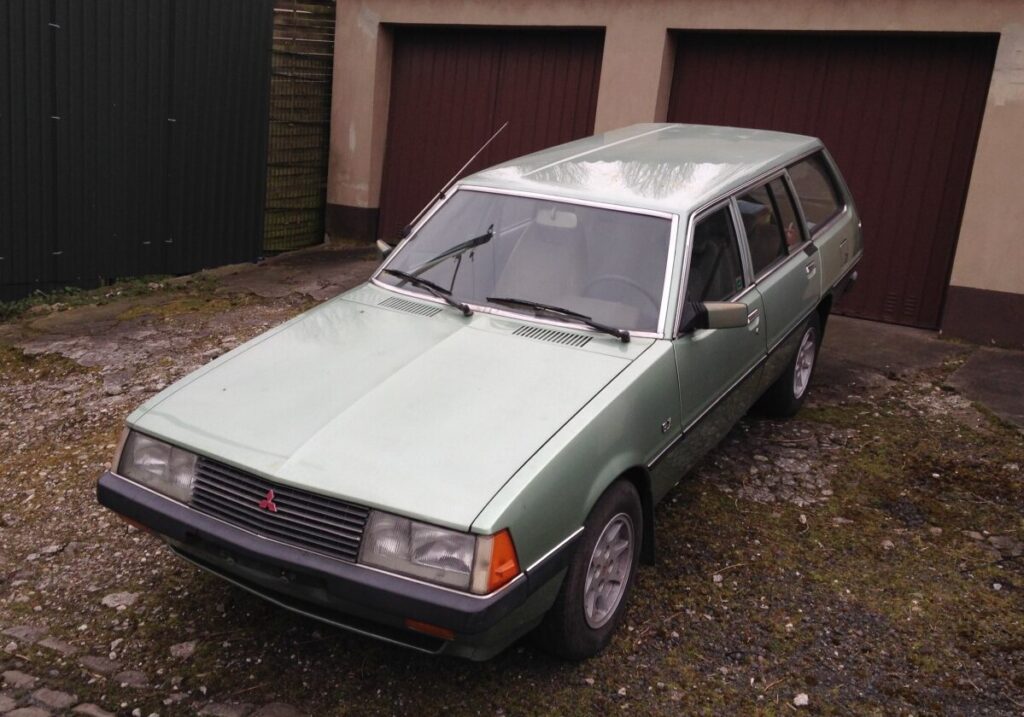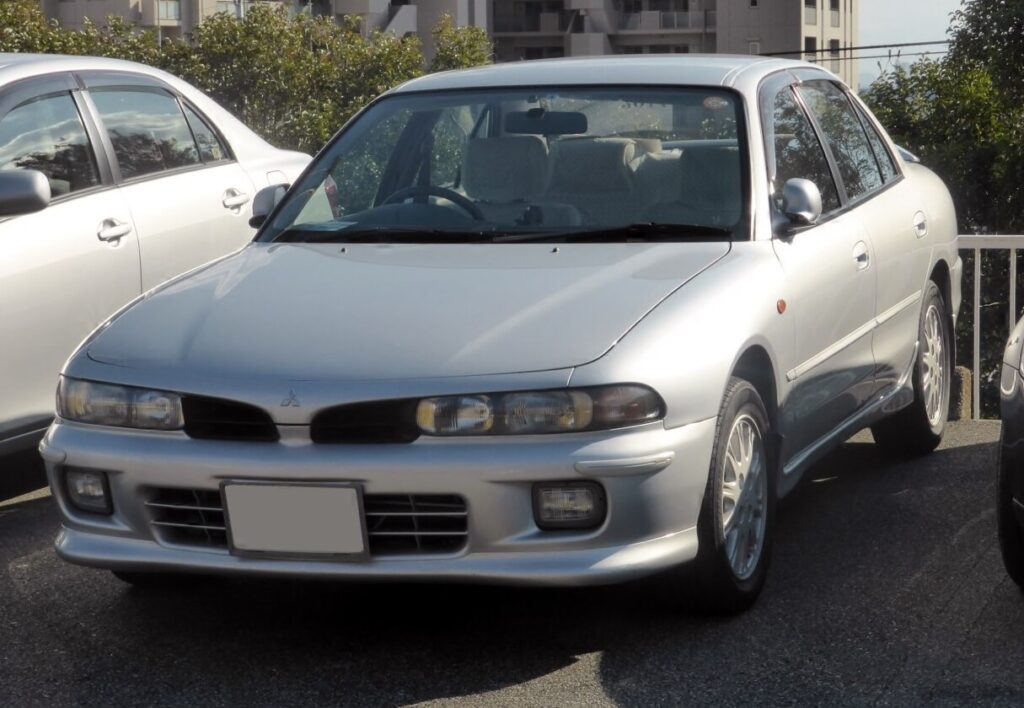
The Mitsubishi Galant VII 2.0 GLSI 4×4 (E75A), produced between 1992 and 1996, represented a sophisticated offering within the seventh generation of Mitsubishi’s Galant line. This variant, powered by a 2.0-liter inline-four engine paired with a four-speed automatic transmission and featuring all-wheel drive, occupied a mid-to-upper position in the Galant VII lineup. It aimed to provide a blend of comfort, practicality, and all-weather capability, appealing to buyers seeking a well-equipped and capable family sedan. The Galant VII itself was built on the 1HX0/A3 platform, shared with other Mitsubishi models like the Diamante and the Dodge Stealth.
Powertrain & Engine Architecture
The heart of the 2.0 GLSI 4×4 was the 4G63 engine, a 1997 cc (121.86 cu. in.) inline-four cylinder powerplant. This engine produced 137 horsepower at 6000 rpm and 176 Nm (129.81 lb-ft) of torque at 4750 rpm. The engine featured a cast iron block and an aluminum cylinder head, utilizing a single overhead camshaft (OHC) valvetrain with four valves per cylinder. Fuel delivery was managed by a multi-port fuel injection system, contributing to improved efficiency and responsiveness compared to earlier carburetor-equipped models. The compression ratio was set at 10:1.
The transmission was a four-speed automatic, designed to provide smooth and convenient shifting. While not known for its sportiness, the automatic transmission was well-suited to the engine’s torque curve and the intended use case of the vehicle – comfortable cruising and everyday driving. The all-wheel-drive system was a viscous coupling type, providing automatic torque distribution between the front and rear axles based on traction conditions. This system enhanced stability and grip, particularly on slippery surfaces.
Engine Codes and Variations
The 4G63 engine family was remarkably versatile, and several variations existed within the Galant VII range. While the 2.0 GLSI 4×4 utilized a specific tuning of the 4G63, other Galant VII models were available with different engine options, including a 2.0-liter SOHC engine with lower output and a 2.4-liter V6. The 4G63 engine itself would go on to become a legendary powerplant, finding fame in Mitsubishi’s rally and performance cars like the Lancer Evolution.
Driving Characteristics
The 137 hp and 176 Nm of torque delivered by the 2.0 GLSI 4×4 provided adequate, though not exhilarating, performance. Acceleration from 0 to 60 mph was recorded around 11.2 seconds, and the car had a top speed of approximately 124.27 mph (200 km/h). The automatic transmission, while smooth, did contribute to some power loss compared to the available manual transmission options. Gear ratios were optimized for fuel efficiency and comfortable cruising rather than aggressive acceleration.
The all-wheel-drive system significantly impacted the driving experience, providing enhanced traction and stability, especially in inclement weather. The car felt planted and secure, even on loose surfaces. However, the added weight of the AWD system and the automatic transmission did result in a slightly less nimble feel compared to rear-wheel-drive or front-wheel-drive Galant variants. The steering, utilizing a hydraulic rack and pinion system, was reasonably precise but lacked significant feedback.
Equipment & Trim Levels
The 2.0 GLSI 4×4 trim level was relatively well-equipped for its time. Standard features typically included power windows, power locks, air conditioning, and an AM/FM stereo. The interior was generally finished with comfortable cloth upholstery, and the dashboard layout was functional and straightforward. The GLSI designation indicated a higher level of trim, with features like upgraded interior materials and additional convenience items.
Optional extras available for the 2.0 GLSI 4×4 could include a sunroof, upgraded audio systems, and alloy wheels. The level of equipment varied slightly depending on the specific market and year of production. The Galant VII generally offered a comfortable and spacious interior, with ample room for five passengers and a reasonably sized trunk.
Chassis & Braking
The Galant VII 2.0 GLSI 4×4 utilized a double wishbone suspension setup at the front and a spring strut arrangement at the rear. This suspension configuration aimed to provide a balance between ride comfort and handling. The suspension was tuned for a relatively soft ride, prioritizing comfort over sporty handling. Stabilizer bars were included at both the front and rear to reduce body roll during cornering.
The braking system consisted of disc brakes on all four wheels, providing adequate stopping power. An Anti-lock Braking System (ABS) was included as standard equipment, enhancing safety by preventing wheel lockup during hard braking. The tires were typically 185/70 R14, providing a good compromise between ride comfort and grip.
Market Reception & Comparison
The Mitsubishi Galant VII 2.0 GLSI 4×4 was generally well-received by automotive critics. It was praised for its comfortable ride, spacious interior, and all-weather capability. However, some critics noted that the performance was not particularly exciting, and the automatic transmission could feel somewhat sluggish. Compared to other trims in the Galant VII lineup, the 2.0 GLSI 4×4 offered a more refined and capable driving experience, but at a higher price point.
In terms of fuel economy, the 2.0 GLSI 4×4 was reasonably efficient for its class, but the all-wheel-drive system did contribute to slightly higher fuel consumption compared to front-wheel-drive variants. Reliability was generally good, although like any vehicle of this age, regular maintenance was essential to prevent issues. The 4G63 engine was known for its durability, but the automatic transmission could be prone to wear and tear if not properly maintained.
Technical Specifications
| Brand | Mitsubishi |
| Model | Galant |
| Generation | Galant VII |
| Type | 2.0 GLSI 4×4 (E75A) Automatic |
| Start of production | 1992 |
| End of production | 1996 |
| Engine Type | Petrol (Gasoline) |
| Acceleration 0-100 km/h | 11.8 sec |
| Acceleration 0-62 mph | 11.8 sec |
| Acceleration 0-60 mph | 11.2 sec |
| Maximum Speed | 200 km/h (124.27 mph) |
| Power | 137 Hp @ 6000 rpm |
| Torque | 176 Nm @ 4750 rpm (129.81 lb-ft @ 4750 rpm) |
| Engine Displacement | 1997 cm3 (121.86 cu. in.) |
| Number of Cylinders | 4 |
| Engine Configuration | Inline |
| Cylinder Bore | 85 mm (3.35 in.) |
| Piston Stroke | 88 mm (3.46 in.) |
| Compression Ratio | 10:1 |
| Fuel Injection System | Multi-port manifold injection |
| Kerb Weight | 1130 kg (2491.22 lbs.) |
| Trunk Space (min/max) | 450/660 l (15.89/23.31 cu. ft.) |
| Fuel Tank Capacity | 64 l (16.91 US gal | 14.08 UK gal) |
| Length | 4620 mm (181.89 in.) |
| Width | 1730 mm (68.11 in.) |
| Height | 1395 mm (54.92 in.) |
| Wheelbase | 2635 mm (103.74 in.) |
| Transmission | 4 gears, automatic |
| Drive Wheel | All wheel drive (4×4) |
| Front Suspension | Double wishbone |
| Rear Suspension | Spring Strut |
| Front Brakes | Disc |
| Rear Brakes | Disc |
Legacy
The Mitsubishi Galant VII 2.0 GLSI 4×4, while not a particularly rare or highly sought-after model today, holds a place in automotive history as a competent and well-rounded family sedan. The 4G63 engine, in particular, has gained a strong following among enthusiasts due to its durability and potential for modification.
In the used car market, these Galants are often found with relatively high mileage, and condition varies greatly. Reliability is generally good if the vehicle has been well-maintained, but potential buyers should be aware of common issues such as automatic transmission wear, rust (depending on geographic location), and aging suspension components. The 2.0 GLSI 4×4 remains a viable option for those seeking an affordable and capable all-wheel-drive sedan, offering a unique blend of comfort, practicality, and all-weather performance.