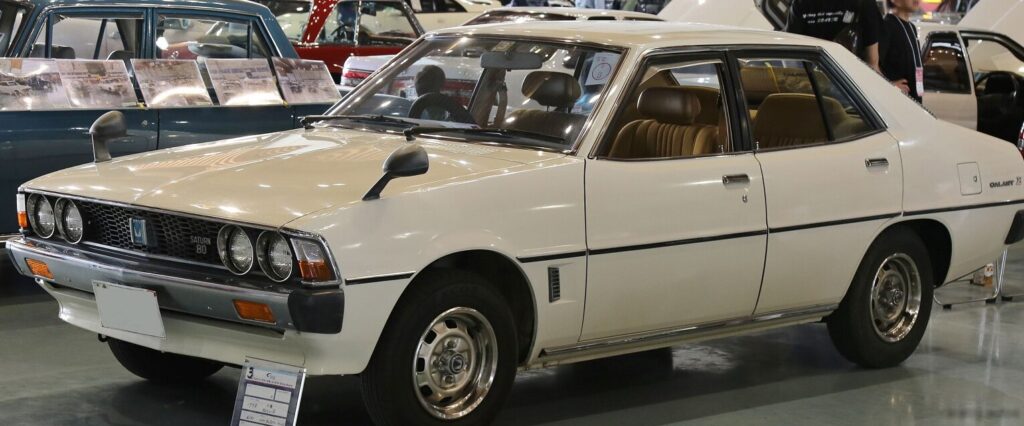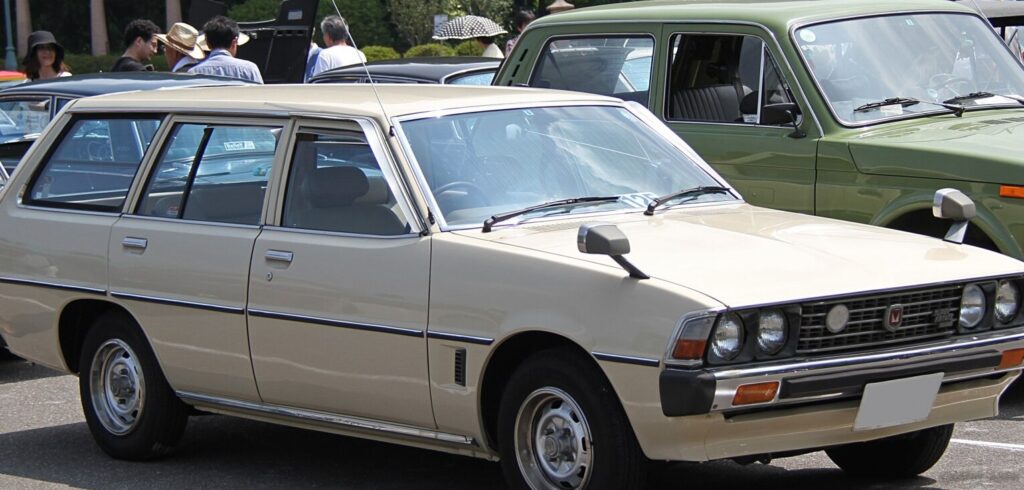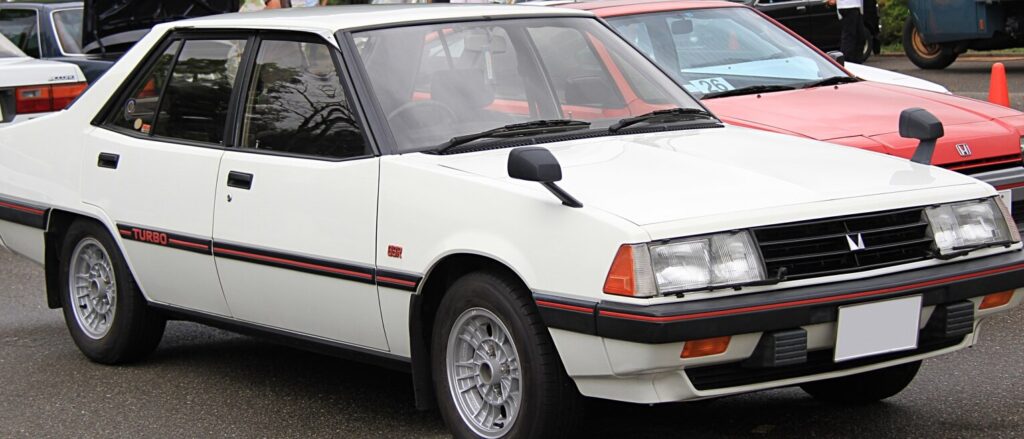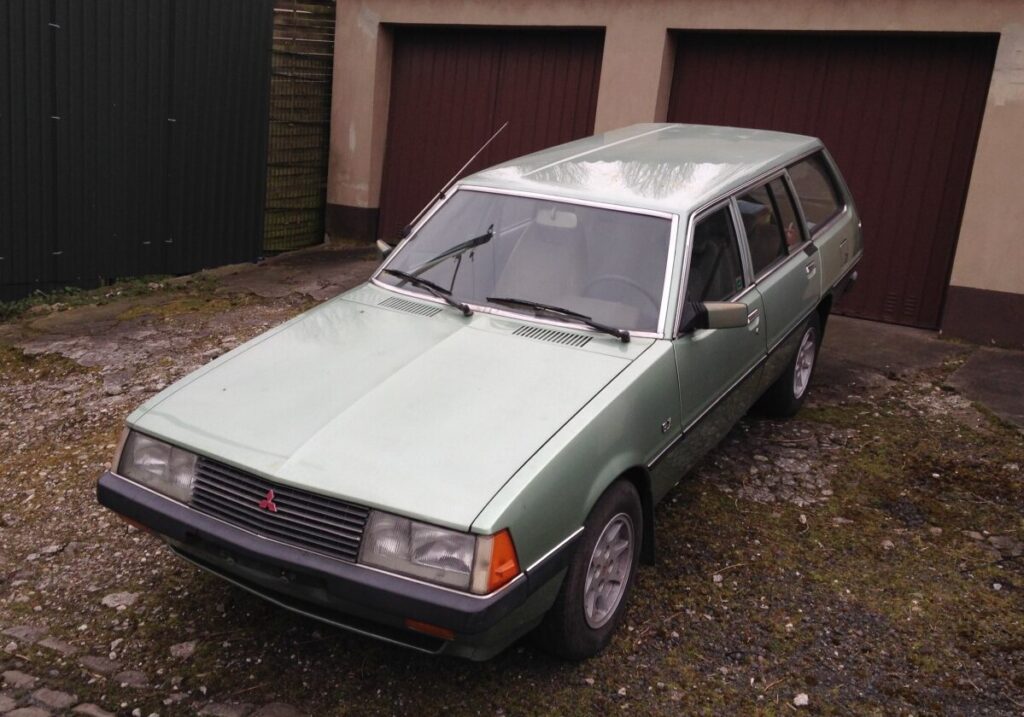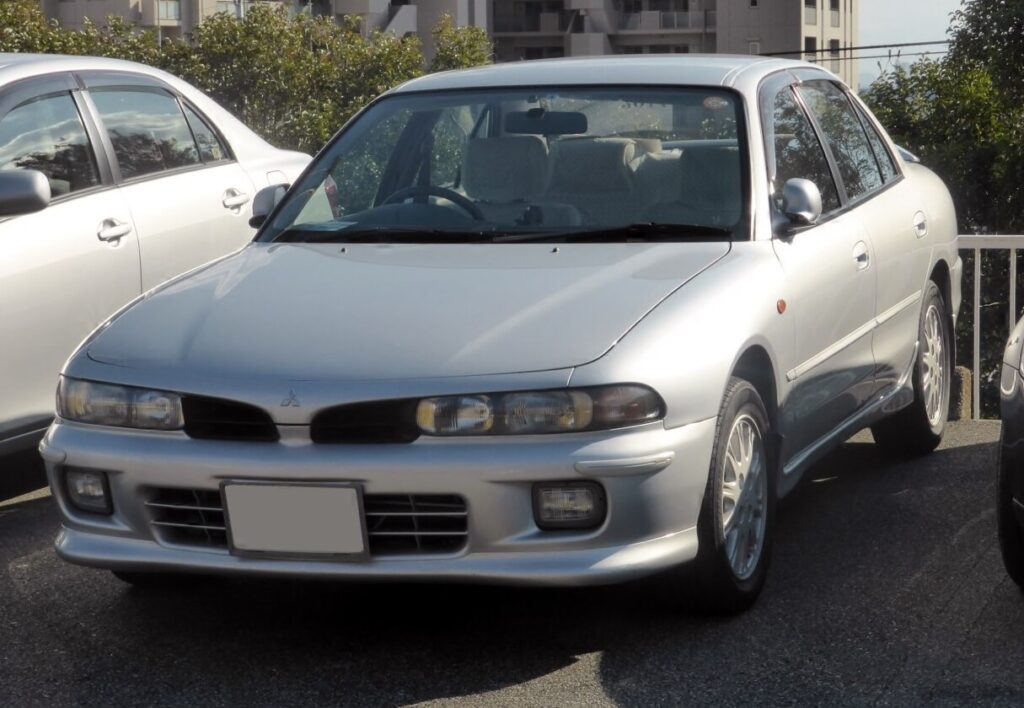
The Mitsubishi Galant VII, produced between 1992 and 1996, represented a significant evolution in Mitsubishi’s mid-size sedan offerings. The 2.0 V6-24 (E54A) variant, equipped with a 2.0-liter V6 engine producing 150 horsepower, occupied a middle ground within the Galant VII lineup, positioned above the base 2.0-liter four-cylinder models and below the more performance-oriented 2.5-liter V6 versions. This model aimed to provide a balance of performance, refinement, and affordability, appealing to buyers seeking a comfortable and well-equipped family sedan with a touch of sporting character. The Galant VII was built on the 1HX0/A3 platform, shared with other Mitsubishi models of the era, and was sold in various markets globally, including North America, Europe, and Asia.
Powertrain & Engine Architecture
The heart of the Galant VII 2.0 V6-24 (E54A) is the 6A12 engine, a 2.0-liter (1999 cc) DOHC 24-valve V6. This engine, designated as the E54A in some markets, featured a 60-degree V-angle, contributing to a relatively compact engine bay layout. The engine utilized a multi-port fuel injection system, delivering fuel directly to each cylinder for optimized combustion. Bore and stroke dimensions were 78.4 mm x 69 mm, resulting in a compression ratio of 10:1. The valvetrain employed double overhead camshafts (DOHC), allowing for precise control of valve timing and contributing to the engine’s relatively high power output for its displacement. The 6A12 engine was known for its smooth operation and willingness to rev, characteristics typical of a well-designed V6. While a five-speed manual transmission was available, this article focuses on the variant paired with a four-speed automatic transmission.
Automatic Transmission Details
The four-speed automatic transmission used in the Galant VII 2.0 V6-24 was a conventional hydraulic automatic, offering smooth shifts and ease of use. While not particularly advanced by modern standards, it was a reliable unit well-suited to the engine’s torque characteristics. Gear ratios were tuned for a balance of acceleration and fuel economy, with a relatively conservative first gear for smooth take-offs and a higher final drive ratio for comfortable highway cruising. The transmission featured electronic control for improved shift quality and adaptability to driving conditions.
Driving Characteristics
The Galant VII 2.0 V6-24 (E54A) with the automatic transmission offered a comfortable and refined driving experience. The 150 horsepower engine provided adequate acceleration, achieving 0-60 mph in approximately 8.6 seconds and a top speed of 133.59 mph. While not a sports sedan, the V6 engine delivered a noticeable step up in performance compared to the four-cylinder models. The automatic transmission, while smooth, did result in some power loss compared to the five-speed manual version. The power delivery was linear and predictable, making the car easy to drive in various traffic conditions. The suspension, tuned for comfort, absorbed bumps and irregularities in the road well, providing a stable and controlled ride. Compared to the 2.5-liter V6 models, the 2.0-liter version felt less powerful, particularly during overtaking maneuvers, but offered improved fuel economy.
Equipment & Trim Levels
The Galant VII 2.0 V6-24 (E54A) typically came equipped with a respectable level of standard features. These generally included power windows, power door locks, air conditioning, and an AM/FM stereo. Higher trim levels offered options such as a sunroof, upgraded upholstery (often cloth or velour), alloy wheels, and a more sophisticated audio system. Interior appointments were generally well-executed, with a focus on comfort and practicality. The dashboard layout was functional and easy to use, with clearly labeled controls. Optional extras often included cruise control, a power driver’s seat, and anti-lock brakes (ABS). The specific trim levels and available options varied depending on the market.
Chassis & Braking
The Galant VII featured a front-engine, front-wheel-drive layout. The suspension system consisted of a double wishbone setup at the front and a spring strut arrangement at the rear. This configuration provided a good balance of ride comfort and handling. Steering was via a hydraulic power steering rack and pinion system, offering precise and responsive control. Braking duties were handled by ventilated discs at the front and discs at the rear, providing adequate stopping power for the vehicle’s weight and performance. Anti-lock brakes (ABS) were often available as an option, enhancing safety and control during emergency braking situations. The chassis was designed to provide a stable and predictable platform, contributing to the car’s overall driving confidence.
Market Reception & Comparison
The Mitsubishi Galant VII 2.0 V6-24 (E54A) was generally well-received by automotive critics. It was praised for its smooth engine, comfortable ride, and well-equipped interior. However, some critics noted that the automatic transmission could feel somewhat sluggish compared to the manual version, and that the car lacked the sporty handling characteristics of some of its competitors. In terms of fuel economy, the 2.0-liter V6 offered a reasonable compromise between performance and efficiency, achieving around 26.4 US mpg in combined driving. Compared to the four-cylinder Galant models, the V6 offered a significant performance upgrade, while the 2.5-liter V6 provided even more power but at the expense of fuel economy. The Galant VII competed with other mid-size sedans such as the Honda Accord, Toyota Camry, and Nissan Maxima.
Technical Specifications
| Brand | Mitsubishi |
| Model | Galant |
| Generation | Galant VII |
| Type (Engine) | 2.0 V6-24 (E54A) (150 Hp) |
| Start of production | 1992 |
| End of production | 1996 |
| Body type | Sedan |
| Seats | 5 |
| Doors | 4 |
| Fuel consumption (combined) | 8.9 l/100 km |
| Fuel consumption (US mpg) | 26.4 US mpg |
| Fuel consumption (UK mpg) | 31.7 UK mpg |
| Fuel Type | Petrol (Gasoline) |
| Acceleration 0 – 100 km/h | 9 sec |
| Acceleration 0 – 62 mph | 9 sec |
| Acceleration 0 – 60 mph | 8.6 sec |
| Maximum speed | 215 km/h (133.59 mph) |
| Power | 150 Hp @ 6750 rpm |
| Torque | 179 Nm @ 4000 rpm (132.02 lb.-ft. @ 4000 rpm) |
| Engine layout | Front, Transverse |
| Engine displacement | 1999 cm3 (121.99 cu. in.) |
| Number of cylinders | 6 |
| Engine configuration | V-engine |
| Cylinder Bore | 78.4 mm (3.09 in.) |
| Piston Stroke | 69 mm (2.72 in.) |
| Compression ratio | 10:1 |
| Number of valves per cylinder | 4 |
| Fuel injection system | Multi-port manifold injection |
| Engine aspiration | Naturally aspirated |
| Valvetrain | DOHC |
| Kerb Weight | 1338 kg (2949.79 lbs.) |
| Max. weight | 1840 kg (4056.51 lbs.) |
| Trunk (boot) space | 450 l (15.89 cu. ft.) |
| Fuel tank capacity | 64 l (16.91 US gal | 14.08 UK gal) |
| Length | 4620 mm (181.89 in.) |
| Width | 1730 mm (68.11 in.) |
| Height | 1395 mm (54.92 in.) |
| Wheelbase | 2635 mm (103.74 in.) |
| Number of gears | 4 (Automatic) |
Legacy
The Mitsubishi Galant VII 2.0 V6-24 (E54A) powertrain, while not without its quirks, proved to be relatively reliable. The 6A12 V6 engine is known for its durability, and with proper maintenance, can last for many years. The automatic transmission, while not as sophisticated as later designs, is also generally considered to be reliable. Today, these Galants are becoming increasingly rare, and well-maintained examples are sought after by enthusiasts. Common issues include age-related wear and tear on suspension components, and potential for oil leaks from the engine. However, parts availability is generally good, and the car’s relatively simple mechanical design makes it accessible to home mechanics. The Galant VII 2.0 V6-24 (E54A) represents a solid and dependable mid-size sedan from the 1990s, offering a comfortable ride, respectable performance, and a touch of Japanese engineering refinement.