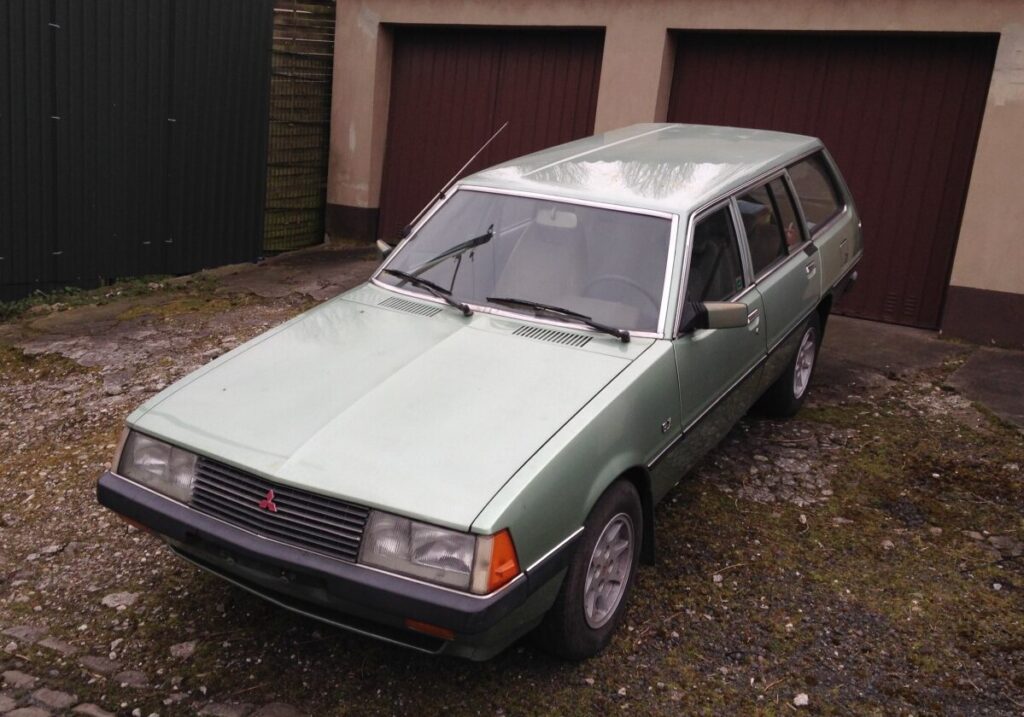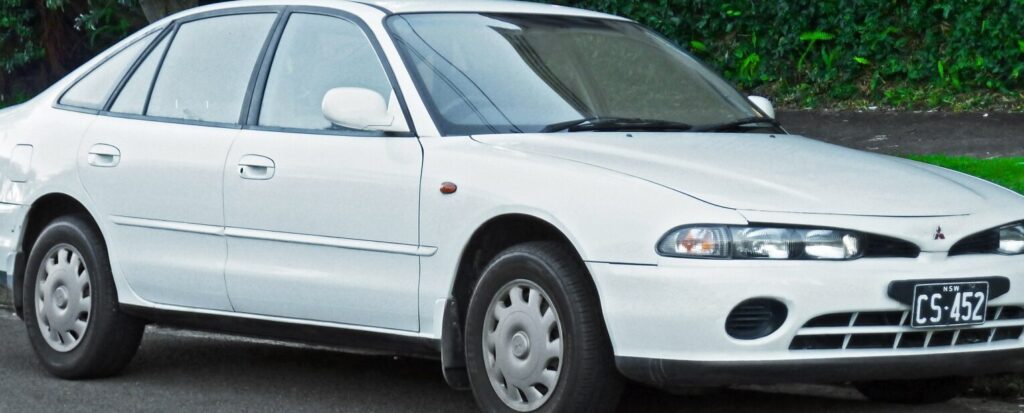
The Mitsubishi Galant VII, produced from 1992 to 2000, represented a significant evolution in Mitsubishi’s mid-size offering. Within the seventh generation (E70 series, with the E75A denoting the hatchback variant), the 2.0 GLSI 4×4 model, powered by a 137 horsepower engine, occupied a position as a well-equipped, all-wheel-drive option aimed at buyers seeking practicality, comfort, and all-weather capability. This variant distinguished itself from the base models with its more powerful engine and the added security of a four-wheel-drive system, while remaining below the more performance-oriented trims available in some markets. The Galant VII, in hatchback form, was primarily sold in select markets including Europe, Australia, and parts of Asia, differing significantly from the sedan-focused sales strategy in North America.
Mitsubishi Galant VII Hatchback 2.0 GLSI 4×4 (E75A) – An Overview
The E75A chassis code specifically identifies the hatchback body style of the Galant VII. This body configuration offered increased cargo versatility compared to the sedan, appealing to families and those with active lifestyles. The “GLSI” designation indicated a higher trim level, typically including features like power windows, power locks, and upgraded interior appointments. The “4×4” designation is crucial, as it highlights the all-wheel-drive system, a key selling point for this particular variant. Production spanned nearly a decade, with minor revisions occurring throughout the model’s lifespan, primarily focused on cosmetic updates and emissions compliance.
Powertrain & Engine Architecture
The heart of the 2.0 GLSI 4×4 was the Mitsubishi 4G63 engine, a 2.0-liter (1998cc) inline-four cylinder gasoline engine. This engine, while sharing a basic architecture with other 4G63 variants, was tuned to produce 137 horsepower (102 kW) at 5,600 rpm and approximately 137 lb-ft (186 Nm) of torque at 4,500 rpm. The engine employed a naturally aspirated configuration, meaning it did not utilize a turbocharger or supercharger. Fuel delivery was managed by a multi-point fuel injection system, contributing to improved fuel efficiency and reduced emissions compared to earlier carbureted engines. The 4G63 featured a single overhead camshaft (SOHC) design with two valves per cylinder.
The transmission paired with the 2.0 GLSI 4×4 was typically a four-speed automatic transmission. While not known for its sporty responsiveness, this automatic provided smooth shifts and ease of use, aligning with the car’s overall focus on comfort and practicality. The automatic transmission was electronically controlled, optimizing shift points based on driving conditions. The all-wheel-drive system was a viscous coupling type, automatically distributing torque between the front and rear axles as needed to maintain traction. This system was not a full-time 50/50 split; instead, it primarily operated in front-wheel drive, engaging the rear wheels when slippage was detected.
Driving Characteristics
The driving experience in the Galant VII 2.0 GLSI 4×4 was characterized by a balance of comfort and capability. The 137 horsepower engine provided adequate, though not exhilarating, acceleration. Zero to sixty mph times were typically in the 9-10 second range. The automatic transmission, while smooth, could feel somewhat sluggish, particularly during quick overtaking maneuvers. The all-wheel-drive system significantly enhanced traction, especially on slippery surfaces like snow or gravel. This made the 2.0 GLSI 4×4 a confident performer in inclement weather conditions. Compared to the base model Galants with smaller engines, the 2.0 GLSI 4×4 offered a noticeable improvement in performance. However, it lagged behind any potential turbocharged or V6 variants offered in other markets in terms of outright speed. The suspension was tuned for comfort, providing a relatively soft ride, but this also resulted in some body roll during cornering.
Equipment & Trim Levels
The GLSI trim level placed the 2.0 GLSI 4×4 above the base models in terms of standard equipment. Typical features included power windows, power door locks, central locking, and an upgraded audio system. Air conditioning was standard. Interior upholstery was typically cloth, with options for upgraded materials in some markets. The dashboard featured a straightforward layout with easy-to-read gauges. Optional extras could include a sunroof, alloy wheels, and a more advanced audio system with a CD player. The hatchback configuration provided a generous amount of cargo space, further enhanced by the folding rear seats. Safety features were relatively basic for the time, typically including seatbelts and a driver’s airbag.
Chassis & Braking
The Galant VII utilized a MacPherson strut front suspension and a multi-link rear suspension. This suspension setup provided a good balance of ride comfort and handling. Stabilizer bars were fitted to both the front and rear axles to reduce body roll. The braking system consisted of ventilated disc brakes on the front wheels and drum brakes on the rear wheels. This configuration was typical for vehicles in this class during the 1990s. Power steering was standard, making the car easy to maneuver at low speeds. The tires were typically 185/65R14 or 195/60R15, depending on the market and optional equipment.
Market Reception & Comparison
The Mitsubishi Galant VII 2.0 GLSI 4×4 was generally well-received by automotive critics as a practical and capable family car. Its all-wheel-drive system was praised for providing enhanced traction and safety in adverse weather conditions. However, some critics noted that the engine lacked the power and refinement of some of its competitors. Fuel economy was considered average for the class, typically ranging from 22-28 mpg depending on driving conditions. Compared to other trims in the Galant VII lineup, the 2.0 GLSI 4×4 offered a compelling combination of performance, features, and all-weather capability. It was positioned as a step up from the base models, offering more power and the added security of all-wheel drive, but remained more affordable than the higher-performance trims. Competitors included the Toyota Carina E, Honda Accord, and Ford Mondeo.
Technical Specifications
| Body Type | Hatchback |
| Engine Type | Inline-4 Cylinder, Naturally Aspirated |
| Engine Displacement | 1998 cc (2.0 liters) |
| Engine Code | 4G63 |
| Maximum Power | 137 hp (102 kW) @ 5,600 rpm |
| Maximum Torque | 137 lb-ft (186 Nm) @ 4,500 rpm |
| Fuel System | Multi-point Fuel Injection |
| Transmission | 4-Speed Automatic |
| Drivetrain | All-Wheel Drive (Viscous Coupling) |
| Front Suspension | MacPherson Strut |
| Rear Suspension | Multi-Link |
| Front Brakes | Ventilated Discs |
| Rear Brakes | Drums |
| Curb Weight | Approximately 3,150 lbs (1,430 kg) |
| Fuel Economy (Combined) | 22-28 mpg (estimated) |
Legacy
The Mitsubishi Galant VII 2.0 GLSI 4×4, while not a high-performance icon, holds a respectable position among enthusiasts and collectors. The 4G63 engine, in its various forms, is known for its durability and potential for modification. The all-wheel-drive system, while relatively simple, proved to be reliable and effective. Today, well-maintained examples of the Galant VII 2.0 GLSI 4×4 are becoming increasingly rare. The car’s long-term reliability is generally considered good, although age-related issues such as corrosion and wear on rubber components are common. In the used car market, these Galants are often sought after by those looking for a unique and capable vehicle with a touch of 1990s styling. Parts availability can be a challenge in some regions, but a dedicated community of enthusiasts continues to support the model.