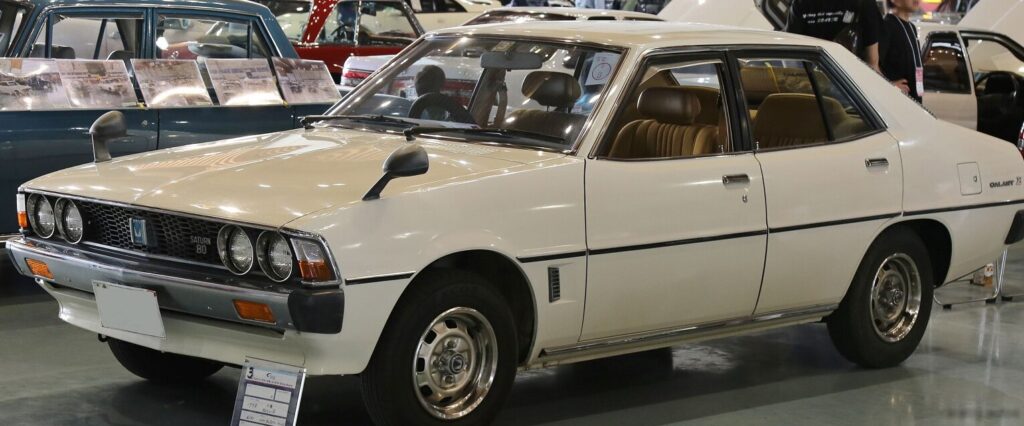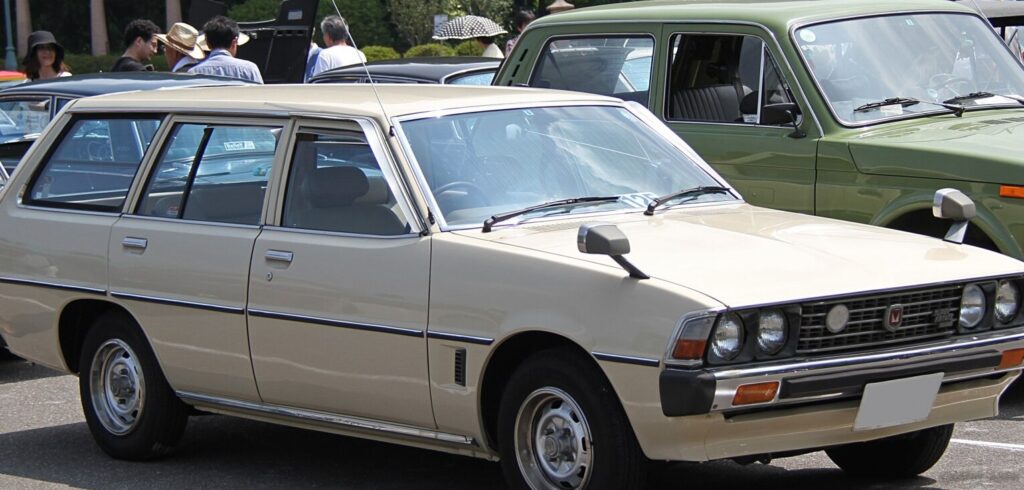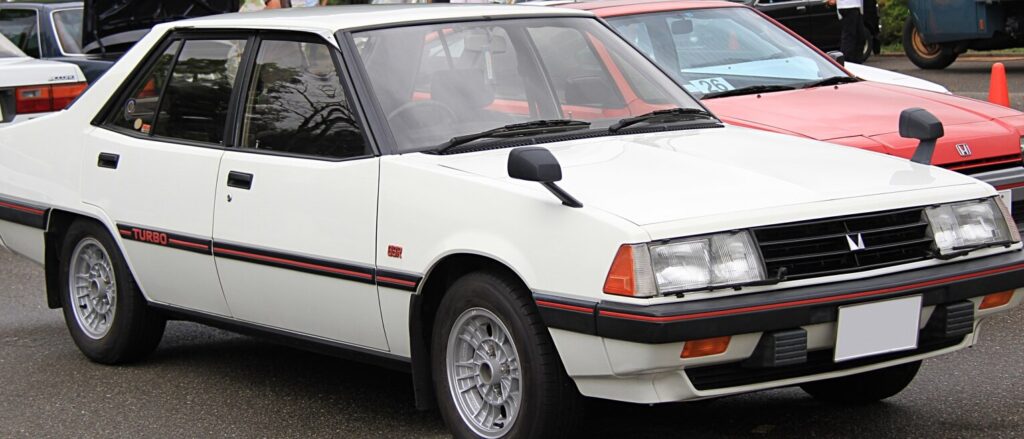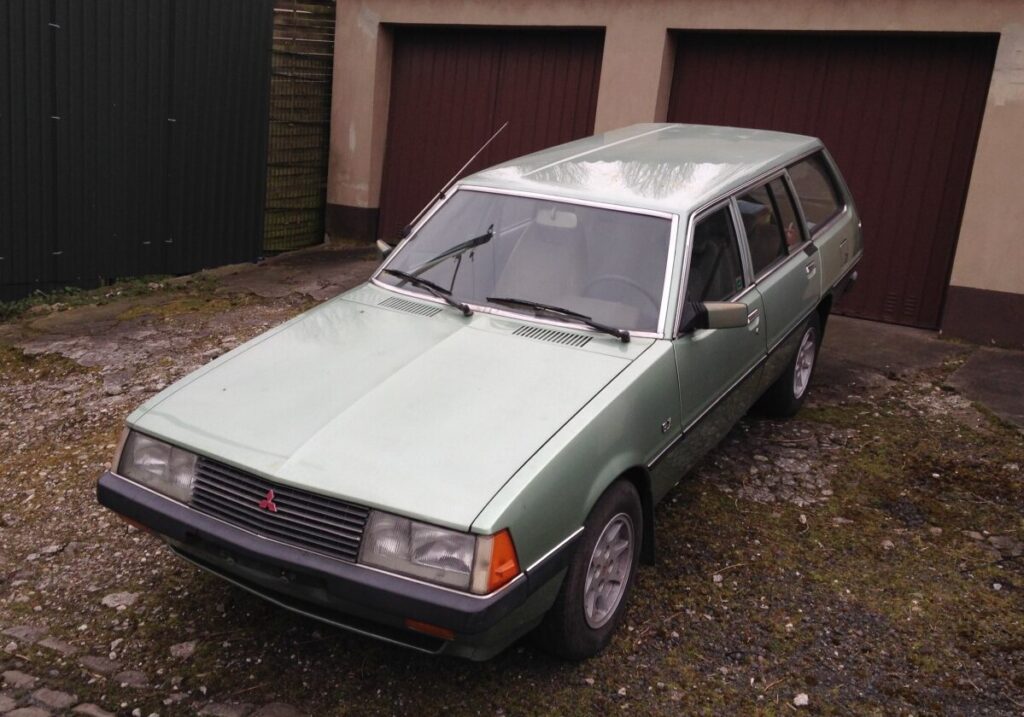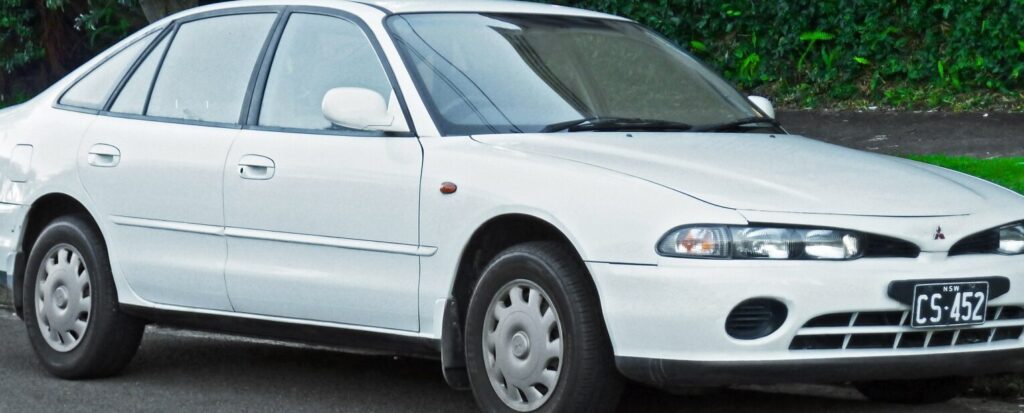
The Mitsubishi Galant VII, produced between 1992 and 2000, represented a significant evolution in Mitsubishi’s mid-size offering. Available in both sedan and hatchback body styles, the seventh generation (E55A chassis code) aimed to blend practicality, comfort, and a degree of sporting appeal. The 2.0 GLSI Automatic variant, powered by the 4G63 engine producing 137 horsepower, occupied a middle ground within the Galant VII lineup, offering a balance between performance and affordability. It was positioned above the base models and below the more powerful V6-equipped trims, targeting buyers seeking a comfortable and well-equipped family vehicle with the convenience of an automatic transmission.
The 2.0 GLSI Automatic: A Mid-Range Offering
The 2.0 GLSI Automatic trim was a popular choice for Galant VII buyers, particularly in markets where automatic transmissions were preferred. It provided a step up in features and refinement compared to the entry-level models, while remaining more accessible than the flagship V6 versions. This variant aimed to appeal to families and commuters who valued ease of driving and a comfortable interior without sacrificing a reasonable level of performance. The hatchback body style, specifically, offered increased cargo versatility compared to the sedan.
Powertrain & Engine Architecture
At the heart of the 2.0 GLSI Automatic was Mitsubishi’s 4G63 inline-four cylinder engine, displacing 1997cc (121.86 cubic inches). This engine featured a cast iron block and an aluminum cylinder head, incorporating a single overhead camshaft (OHC) valvetrain with four valves per cylinder. The 4G63 was known for its durability and relatively straightforward maintenance. Fuel delivery was handled by a multi-port fuel injection system, optimizing fuel atomization and combustion efficiency. The engine produced 137 hp at 6000 rpm and 176 Nm (129.81 lb-ft) of torque at 4750 rpm. Compression ratio was set at 10:1.
The engine was mated to a four-speed automatic transmission. While not offering the most modern gear ratios, this transmission provided smooth and convenient shifting, contributing to the Galant’s comfortable driving experience. The transmission was electronically controlled, adapting shift points based on throttle input and vehicle speed. The drivetrain configuration was front-wheel drive, typical for vehicles in this class during the 1990s.
Driving Characteristics
The 2.0 GLSI Automatic Galant offered adequate performance for everyday driving. Acceleration from 0 to 60 mph was achieved in approximately 9.3 to 9.8 seconds, and the vehicle had a top speed of around 127.38 mph (205 km/h). While not a sports car, the engine provided sufficient power for merging onto highways and overtaking slower traffic. The automatic transmission, while smooth, did result in some power loss compared to the available five-speed manual transmission. The gear ratios were tuned for fuel efficiency and comfortable cruising rather than outright acceleration. The weight-to-power ratio of 9.7 kg/hp indicated a reasonable, though not exceptional, power-to-weight balance.
Equipment & Trim Levels
The 2.0 GLSI Automatic trim level included a number of standard features designed to enhance comfort and convenience. These typically included power windows, power door locks, air conditioning, and an AM/FM stereo system. Interior upholstery was generally cloth, with options for upgraded materials available. The dashboard layout was functional and straightforward, with easy-to-read gauges and controls. Optional extras could include a sunroof, upgraded sound system, and alloy wheels. The hatchback configuration provided a versatile cargo area, with a minimum capacity of 450 liters (15.89 cubic feet) expanding to 660 liters (23.31 cubic feet) with the rear seats folded down.
Chassis & Braking
The Galant VII utilized a front independent suspension with double wishbones, providing a comfortable ride and reasonable handling characteristics. The rear suspension employed a spring strut design. This setup was tuned for a balance between ride comfort and stability. Braking duties were handled by ventilated discs on the front wheels and solid discs on the rear. An Anti-lock Braking System (ABS) was included as standard equipment, enhancing safety and control during emergency braking situations. The steering system was a rack and pinion setup with hydraulic power assistance, providing precise and responsive steering feel. The vehicle rode on 195/65 R14 tires mounted on 14-inch wheels.
Market Reception & Comparison
The Mitsubishi Galant VII 2.0 GLSI Automatic was generally well-received by automotive critics. It was praised for its comfortable ride, spacious interior, and reliable powertrain. However, some reviewers noted that the automatic transmission could feel somewhat sluggish compared to the manual option, and the overall driving experience lacked the sporty feel of some competitors. Fuel economy was rated at approximately 8.3 l/100 km (28.3 US mpg, 34 UK mpg), which was competitive for its class at the time. Compared to the V6-equipped Galant trims, the 2.0 GLSI Automatic offered better fuel economy and lower maintenance costs, but at the expense of performance. Compared to the base models, it provided a significant upgrade in features and refinement.
Technical Specifications
| Brand | Mitsubishi |
| Model | Galant |
| Generation | Galant VII Hatchback |
| Type | 2.0 GLSI (E55A) Automatic |
| Start of production | 1992 |
| End of production | 2000 |
| Engine Type | Internal Combustion Engine (Petrol/Gasoline) |
| Body Type | Hatchback |
| Number of Seats | 5 |
| Number of Doors | 5 |
| Fuel Consumption (Combined) | 8.3 l/100 km (28.3 US mpg, 34 UK mpg) |
| Fuel Type | Petrol (Gasoline) |
| 0-100 km/h | 9.8 sec |
| 0-60 mph | 9.3 sec |
| Maximum Speed | 205 km/h (127.38 mph) |
| Kerb Weight | 1331 kg (2934.35 lbs) |
| Max Weight | 1800 kg (3968.32 lbs) |
| Engine Displacement | 1997 cm3 (121.86 cu. in.) |
| Number of Cylinders | 4 |
| Engine Configuration | Inline |
| Cylinder Bore | 85 mm (3.35 in) |
| Piston Stroke | 88 mm (3.46 in) |
| Compression Ratio | 10:1 |
| Fuel Injection System | Multi-port Fuel Injection |
| Power | 137 hp @ 6000 rpm |
| Torque | 176 Nm (129.81 lb-ft) @ 4750 rpm |
| Transmission | 4-speed Automatic |
| Drive Wheels | Front Wheel Drive |
| Front Suspension | Double Wishbone |
| Rear Suspension | Spring Strut |
| Front Brakes | Ventilated Discs |
| Rear Brakes | Discs |
| Tire Size | 195/65 R14 |
| Fuel Tank Capacity | 64 l (16.91 US gal, 14.08 UK gal) |
| Trunk Space (Min) | 450 l (15.89 cu. ft.) |
| Trunk Space (Max) | 660 l (23.31 cu. ft.) |
Legacy
The Mitsubishi Galant VII 2.0 GLSI Automatic, while not a particularly rare or collectible vehicle, remains a reasonably reliable and affordable option in the used car market. The 4G63 engine is known for its durability, and with proper maintenance, can provide many years of service. However, like any vehicle of this age, potential buyers should be aware of common issues such as rust, worn suspension components, and potential transmission problems. The 2.0 GLSI Automatic variant represents a practical and comfortable choice for those seeking a mid-size hatchback with a proven powertrain and a reasonable level of equipment. Its blend of affordability, reliability, and practicality has ensured its continued presence on roads today.