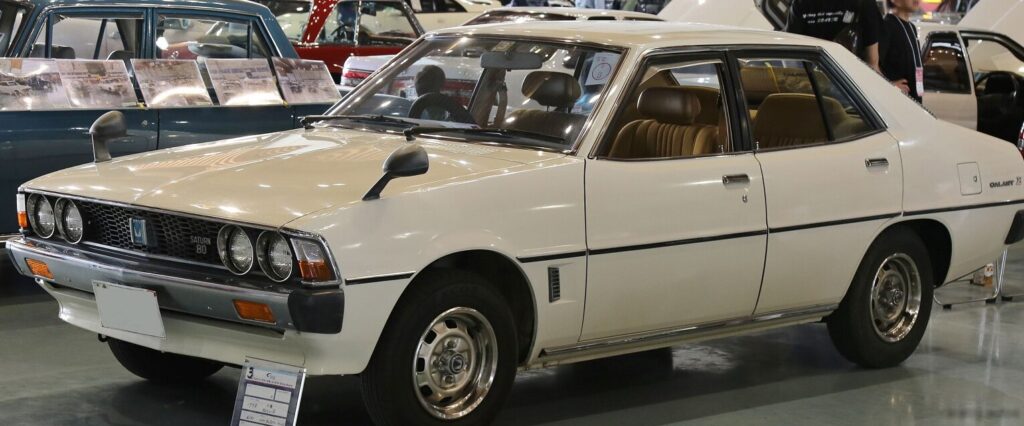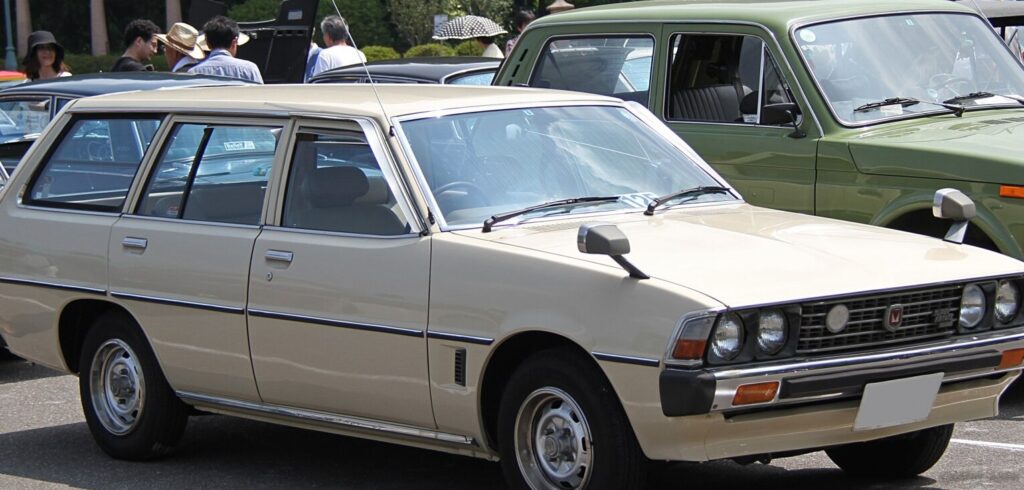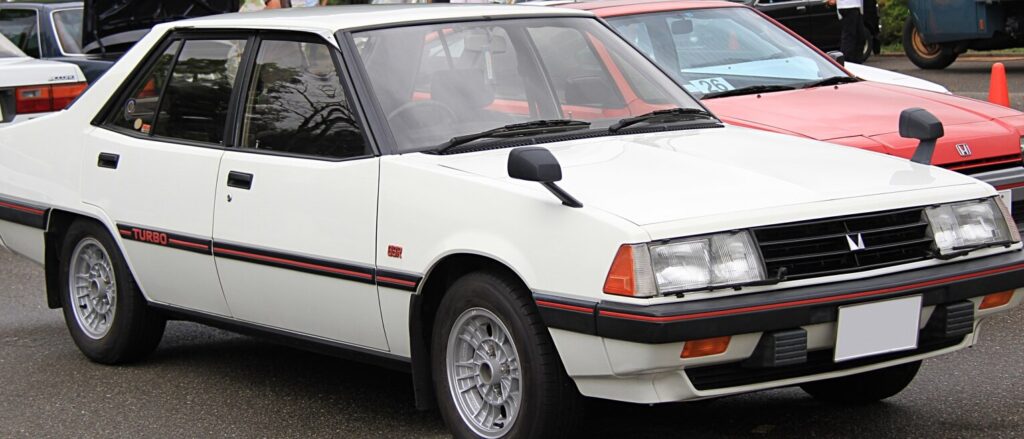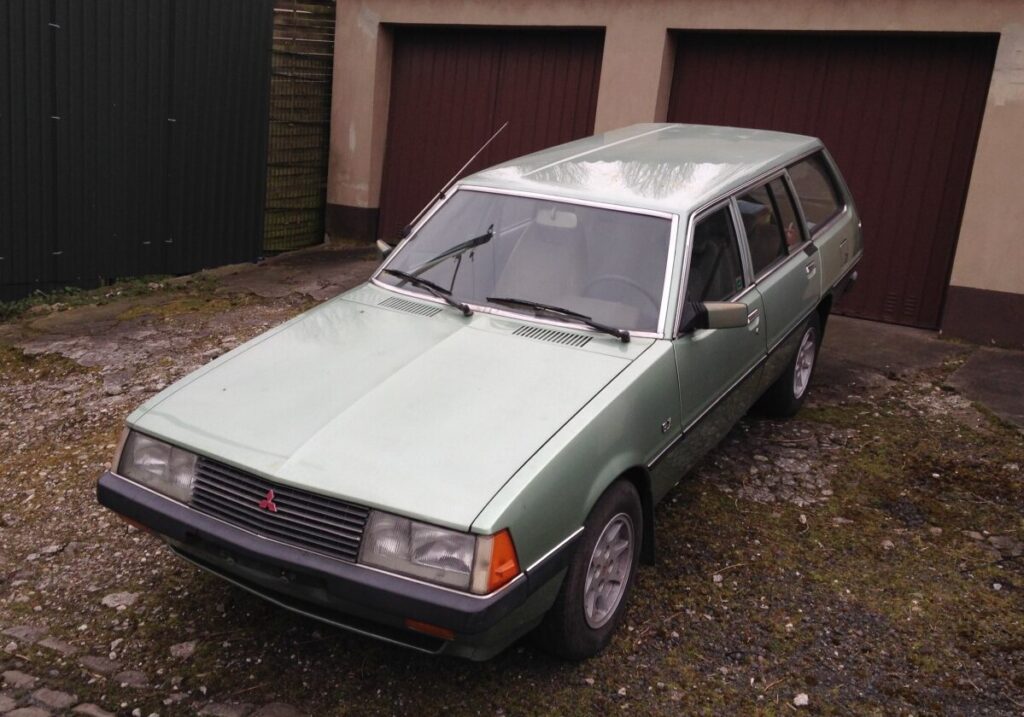
The Mitsubishi Galant VIII Restyling 2.4 i, produced from 2002 to 2006, represented a mid-cycle refresh of the eighth-generation Galant (EA series). This variant occupied a middle ground within the Galant lineup, offering a balance between performance and affordability. It was positioned above the base 2.0-liter models and below the more powerful V6 options. The “Restyling” designation refers to cosmetic and minor mechanical updates applied during this period, aimed at modernizing the vehicle and improving its market appeal. The Galant VIII series, and this 2.4i variant specifically, was built on the PS platform, shared with the Dodge Stratus and Chrysler Sebring.
Powertrain & Engine Architecture
The heart of the Galant VIII Restyling 2.4 i is the 4G64 engine, a 2.4-liter inline-four cylinder gasoline engine. This engine is a naturally aspirated powerplant, meaning it does not utilize forced induction like a turbocharger or supercharger. The 4G64 features a cast iron block and an aluminum cylinder head, a common configuration for balancing durability and weight. It boasts a displacement of 2351 cm³ (143.47 cubic inches) with a bore of 86.5 mm (3.41 inches) and a stroke of 100 mm (3.94 inches). The compression ratio is set at 11.5:1, contributing to its power output.
The 4G64 utilizes a single overhead camshaft (OHC) valvetrain with four valves per cylinder. This configuration allows for efficient cylinder filling and exhaust scavenging, enhancing performance. Fuel delivery is managed by a multi-point fuel injection system, ensuring precise fuel metering for optimal combustion. While not direct injection as some later engines would employ, the system was effective for its time. The engine produces 150 horsepower at 5500 rpm and 225 Nm (165.95 lb-ft) of torque at 3500 rpm. The engine oil capacity is 4.3 liters (4.54 US quarts / 3.78 UK quarts), and Mitsubishi recommended specific oil specifications for optimal performance and longevity.
Transmission
The Galant VIII Restyling 2.4 i was primarily equipped with a four-speed automatic transmission. This transmission was chosen to provide a comfortable and convenient driving experience, appealing to a broader range of buyers. While not as sporty or fuel-efficient as a manual transmission, the automatic offered smooth gear changes and ease of use, particularly in urban driving conditions. The gear ratios were tuned to balance acceleration and fuel economy, prioritizing everyday usability over outright performance. A manual transmission was available in some markets, but the automatic was the more common choice in the United States.
Driving Characteristics
The driving experience in the Galant VIII Restyling 2.4 i is best described as comfortable and composed. The 150 hp engine provides adequate power for typical driving situations, such as highway cruising and city commuting. Acceleration is not particularly brisk, with 0-60 mph times estimated around 9-10 seconds. However, the engine delivers a reasonably broad torque curve, making it responsive enough for passing maneuvers. The four-speed automatic transmission, while smooth, can sometimes feel a bit dated compared to more modern transmissions with more gears. The transmission’s shift points are programmed for fuel efficiency, which can sometimes result in the engine feeling slightly strained during hard acceleration.
Compared to the V6-powered Galant variants, the 2.4 i offers less overall performance. The V6 models provided significantly more horsepower and torque, resulting in quicker acceleration and a more engaging driving experience. However, the 2.4 i offered better fuel economy and a lower purchase price. Compared to the base 2.0-liter models, the 2.4 i provided a noticeable improvement in power and responsiveness, making it a more enjoyable vehicle to drive.
Equipment & Trim Levels
The Galant VIII Restyling 2.4 i typically came standard with a reasonable level of equipment. Standard features generally included air conditioning, power windows and locks, a CD player, and basic cloth upholstery. Safety features such as dual front airbags and anti-lock brakes (ABS) were also commonly included. Higher trim levels, such as the LS or Limited, added features like alloy wheels, a sunroof, upgraded audio systems, leather upholstery, and automatic climate control. Optional extras could include a navigation system, premium sound systems, and various cosmetic enhancements.
The interior design of the 2.4 i was functional and relatively spacious. The dashboard layout was straightforward and easy to use, with clearly labeled controls. The seats were comfortable and supportive, providing adequate cushioning for long drives. The overall interior ambiance was typical of a mid-size sedan from the early 2000s – practical and durable, rather than luxurious.
Chassis & Braking
The Galant VIII Restyling 2.4 i utilized a MacPherson strut front suspension and a multi-link rear suspension. This suspension setup provided a good balance between ride comfort and handling. The suspension was tuned to prioritize comfort, resulting in a smooth and compliant ride over most road surfaces. However, it also offered reasonable handling characteristics, allowing for confident cornering. The steering was power-assisted, providing light and easy steering effort.
The braking system consisted of ventilated front disc brakes and rear drum brakes. While the front discs provided adequate stopping power, the rear drums were a cost-saving measure that limited overall braking performance. Anti-lock brakes (ABS) were standard, enhancing safety by preventing wheel lockup during hard braking. Stabilizer bars were included on both the front and rear axles to reduce body roll during cornering.
Market Reception & Comparison
The Mitsubishi Galant VIII Restyling 2.4 i received generally positive reviews from automotive critics. It was praised for its comfortable ride, spacious interior, and reasonable fuel economy. However, it was also criticized for its somewhat bland styling and lack of sporty driving dynamics. Compared to its competitors, such as the Honda Accord, Toyota Camry, and Nissan Altima, the Galant offered a competitive package, but it often lacked the brand recognition and reputation of its rivals.
Fuel economy for the 2.4 i was rated at around 22 mpg city and 30 mpg highway, which was competitive for its class at the time. Reliability was generally considered to be average, with some reports of minor issues with the fuel injection system and automatic transmission. However, overall, the 4G64 engine proved to be a durable and reliable powerplant.
Technical Specifications
| Engine Type | Inline-4, Naturally Aspirated |
| Engine Code | 4G64 |
| Displacement | 2351 cm³ (143.47 cu in) |
| Bore x Stroke | 86.5 mm x 100 mm (3.41 in x 3.94 in) |
| Compression Ratio | 11.5:1 |
| Valve Configuration | OHC, 4 valves per cylinder |
| Fuel Injection | Multi-point |
| Maximum Power | 150 hp @ 5500 rpm |
| Maximum Torque | 225 Nm (165.95 lb-ft) @ 3500 rpm |
| Transmission | 4-speed Automatic |
| Drivetrain | Front-Wheel Drive |
| Engine Oil Capacity | 4.3 l (4.54 US qt / 3.78 UK qt) |
| Coolant Capacity | 6 l (6.34 US qt / 5.28 UK qt) |
Legacy
The Mitsubishi Galant VIII Restyling 2.4 i, while not a standout performer, remains a reasonably reliable and affordable used car option today. The 4G64 engine is known for its durability and relatively low maintenance costs. Parts availability is generally good, and the vehicle’s simple design makes it relatively easy to repair. However, potential buyers should be aware of the age of the vehicle and the potential for wear and tear on components such as the automatic transmission and suspension. The Galant VIII series, including the 2.4i variant, represents a solid, if somewhat unremarkable, chapter in Mitsubishi’s history, offering a practical and dependable transportation solution for many years.