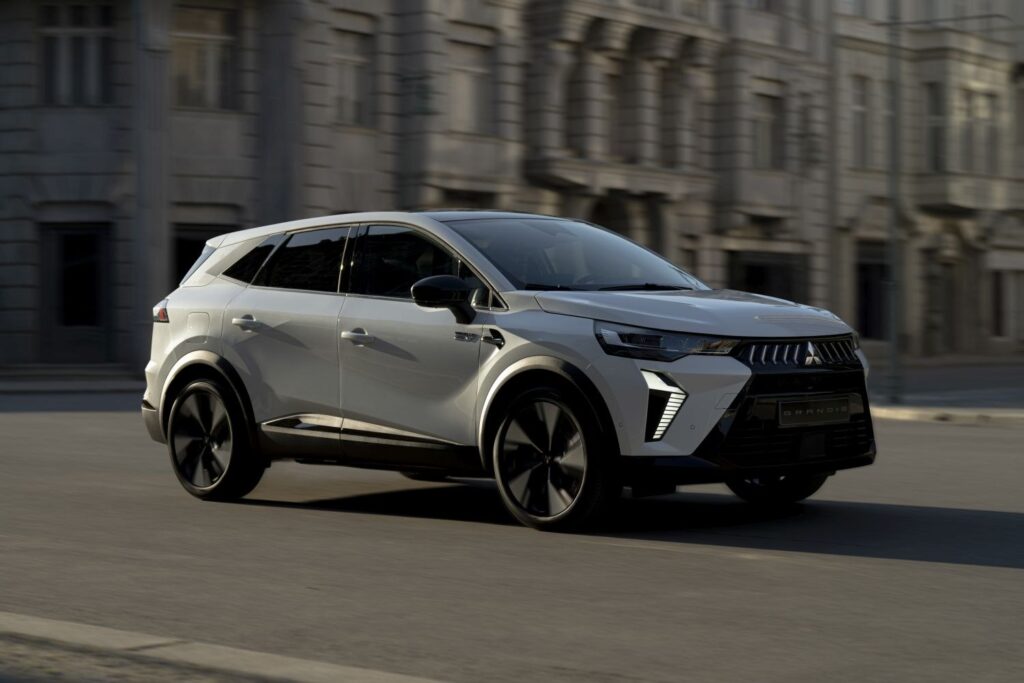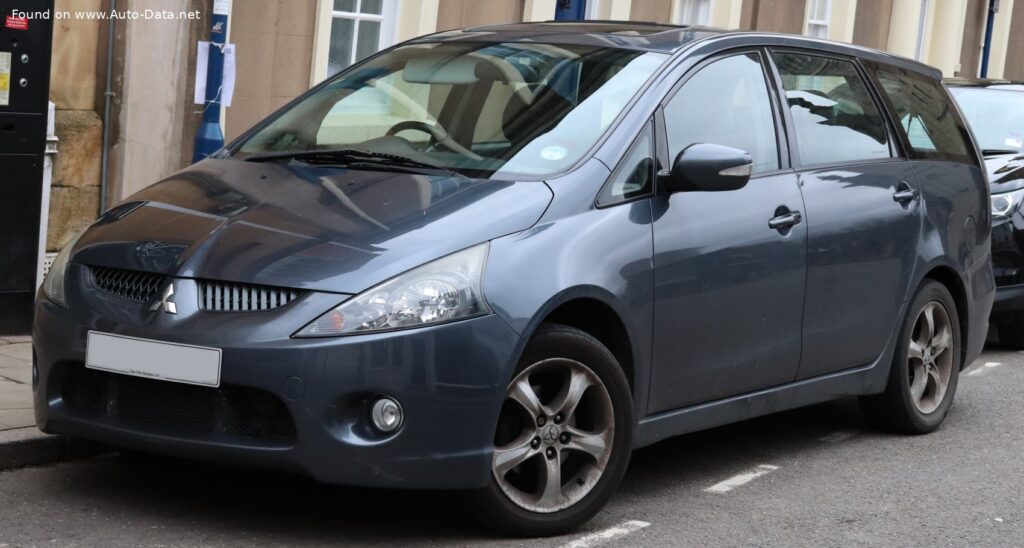
The Mitsubishi Grandis 2.0 DI-D Automatic, produced between 2005 and 2011, was a seven-seat minivan positioned as a practical and spacious family vehicle. It represented Mitsubishi’s entry into the increasingly popular multi-purpose vehicle (MPV) segment, offering a diesel engine option alongside gasoline variants. The Grandis, built on the PS90 platform (shared with the Outlander), aimed to provide a comfortable and versatile driving experience, particularly for larger families. The 2.0 DI-D Automatic trim occupied a mid-range position within the Grandis lineup, offering a balance between fuel efficiency, performance, and equipment levels.
Powertrain & Engine Architecture
The heart of the Grandis 2.0 DI-D Automatic is the 4N14 BSY engine, a 1.968-liter (120.09 cubic inches) inline-four cylinder diesel engine. This engine utilizes a pump-nozzle (unit injector) fuel injection system, a technology known for its precise fuel delivery and contribution to improved combustion efficiency. The engine boasts a high compression ratio of 18:1, which is typical for diesel engines and aids in maximizing energy extraction from the fuel. It features four valves per cylinder, enhancing volumetric efficiency and contributing to increased power output. A turbocharger with an intercooler is employed to further boost performance by forcing more air into the cylinders.
The engine produces 136 horsepower at 4,000 rpm and 310 Nm (228.64 lb-ft) of torque at 1,750 rpm. This torque output is a key characteristic of diesel engines, providing strong low-end pulling power. The engine is transversely mounted in the front of the vehicle. The Grandis 2.0 DI-D was exclusively paired with a four-speed automatic transmission. This transmission, while providing convenience, was a point of criticism (discussed later) due to its relatively limited number of gears compared to contemporary automatic transmissions.
Fuel Injection and Valvetrain Details
The pump-nozzle injection system used in the 4N14 BSY engine is a direct injection system where each cylinder has its own high-pressure pump and injector. This allows for very precise control over the timing and amount of fuel injected, optimizing combustion. The four-valve-per-cylinder configuration (DOHC – Dual Overhead Camshaft) utilizes two camshafts, one for the intake valves and one for the exhaust valves. This design allows for more efficient valve timing and improved airflow, contributing to the engine’s overall performance.
Driving Characteristics
The Mitsubishi Grandis 2.0 DI-D Automatic offered a comfortable, if not particularly sporty, driving experience. The 310 Nm of torque provided ample power for everyday driving and hauling a full load of passengers. Acceleration from 0-100 km/h (0-62 mph) took approximately 10.8 seconds, and 0-60 mph was achieved in around 10.3 seconds. While these figures weren’t groundbreaking, they were adequate for the vehicle’s intended purpose. The four-speed automatic transmission, however, was a limiting factor. Compared to manual transmission versions or higher-output gasoline variants, the automatic felt somewhat sluggish, particularly during overtaking maneuvers. The gear ratios were spaced relatively wide, leading to noticeable shifts and a lack of responsiveness at times. The engine was relatively quiet for a diesel, but the transmission could be somewhat intrusive during gear changes.
The Grandis’s weight of 1,740 kg (3,836 lbs) contributed to its moderate acceleration. The front-wheel-drive configuration provided predictable handling, but it wasn’t designed for aggressive cornering. Overall, the driving experience prioritized comfort and practicality over outright performance.
Equipment & Trim Levels
The 2.0 DI-D Automatic trim level of the Mitsubishi Grandis typically included features such as air conditioning, power windows, power door locks, and a basic audio system. Standard safety equipment included ABS (Anti-lock Braking System) and airbags. Interior upholstery was typically cloth, with options for leather upgrades. The dashboard layout was functional and straightforward, with easy-to-read gauges and controls. Optional extras available for this trim included alloy wheels, a sunroof, upgraded audio systems, and rear parking sensors. The seven-seat configuration offered flexibility for families, with the third-row seats typically folding flat into the floor to maximize cargo space. The trunk space ranged from 320 liters (11.3 cubic feet) with all seats in use to 1,545 liters (54.56 cubic feet) with the rear seats folded down.
Chassis & Braking
The Mitsubishi Grandis utilized a front strut suspension and a transverse stabilizer bar to provide a comfortable ride and reasonable handling. The rear suspension employed a multi-link setup, further enhancing ride quality. The front brakes were ventilated discs, providing good stopping power, while the rear brakes were solid discs. The steering system was a rack and pinion type, offering precise and responsive steering. The Grandis 2.0 DI-D Automatic came equipped with 215/60 R16 tires mounted on 16-inch wheels. The curb weight of 1,740 kg (3,836 lbs) and the weight distribution contributed to the vehicle’s stability.
Market Reception & Comparison
The Mitsubishi Grandis 2.0 DI-D Automatic received mixed reviews from automotive critics. While the spacious interior, fuel efficiency of the diesel engine, and practicality of the seven-seat configuration were praised, the four-speed automatic transmission was often criticized for its lack of responsiveness and limited gear ratios. Compared to other MPVs in the segment, such as the Toyota Sienna or Honda Odyssey, the Grandis offered a more affordable price point but lacked the refinement and performance of its competitors. The 2.0 DI-D engine offered better fuel economy than the gasoline variants, making it an attractive option for drivers who prioritized fuel savings. However, the diesel engine also came with a slightly higher maintenance cost due to the more complex fuel injection system.
Technical Specifications
| Engine Type | Inline-4 Diesel |
| Engine Displacement | 1,968 cc (120.09 cu in) |
| Engine Code | 4N14 BSY |
| Power | 136 hp @ 4,000 rpm |
| Torque | 310 Nm (228.64 lb-ft) @ 1,750 rpm |
| Compression Ratio | 18:1 |
| Fuel Injection | Pump-Nozzle (Unit Injector) |
| Transmission | 4-speed Automatic |
| Drive Wheels | Front Wheel Drive |
| Kerb Weight | 1,740 kg (3,836.04 lbs) |
| Maximum Weight | 2,340 kg (5,158.82 lbs) |
| Fuel Tank Capacity | 65 liters (17.17 US gal) |
| Length | 4,765 mm (187.6 in) |
| Width | 1,795 mm (70.67 in) |
| Height | 1,655 mm (65.16 in) |
| Wheelbase | 2,830 mm (111.42 in) |
| Tires | 215/60 R16 |
| 0-100 km/h | 10.8 sec |
| 0-62 mph | 10.8 sec |
| Top Speed | 197 km/h (122.41 mph) |
Legacy
The Mitsubishi Grandis 2.0 DI-D Automatic, while not a runaway success, remains a reasonably reliable and practical option in the used car market. The 4N14 diesel engine, when properly maintained, is known for its durability. However, potential buyers should be aware of the potential for issues with the pump-nozzle fuel injection system, which can be expensive to repair. The four-speed automatic transmission is also a potential weak point, and it’s important to check for smooth shifting and any signs of slippage. Overall, the Grandis 2.0 DI-D Automatic offers a good value proposition for families seeking a spacious and fuel-efficient minivan, provided that it has been well-maintained and the potential issues with the engine and transmission are addressed.