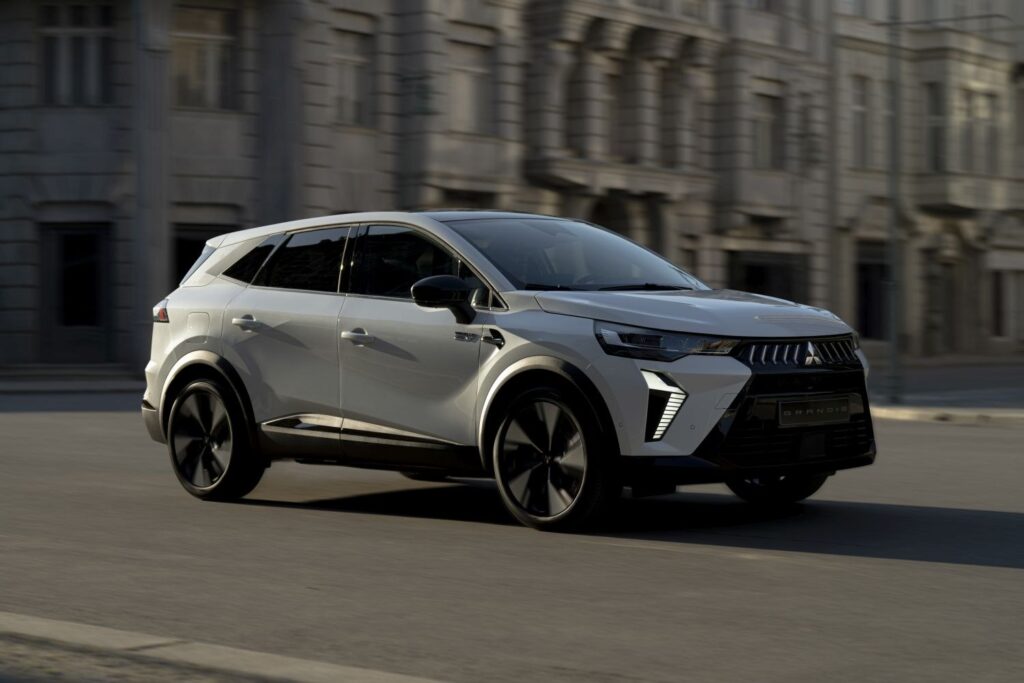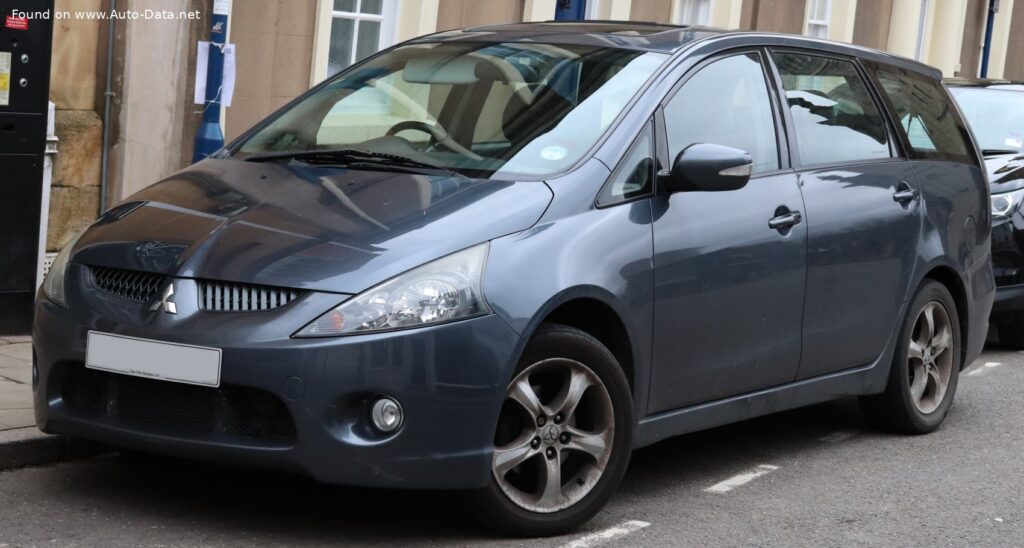
The Mitsubishi Grandis 2.4 i 16V MIVEC, produced from 2003 to 2011, was a seven-seat minivan positioned as a family-oriented vehicle within Mitsubishi’s lineup. It represented the second generation of the Grandis, built on the GA2W platform. This particular variant, equipped with the 4G69 2.4-liter inline-four engine producing 165 horsepower, served as a mid-range offering, bridging the gap between more basic trims and potentially higher-specification models available in certain markets. The Grandis aimed to compete with other MPVs like the Toyota Sienna, Honda Odyssey, and Kia Carnival, offering a blend of space, practicality, and a relatively affordable price point.
Powertrain & Engine Architecture
The heart of the Grandis 2.4 i 16V MIVEC is the 4G69 engine, a 2.4-liter (2378 cc) inline-four cylinder gasoline engine. This engine is a naturally aspirated design, meaning it doesn’t utilize forced induction like a turbocharger or supercharger. It features a cast iron block and an aluminum cylinder head, a common configuration for balancing durability and weight. The “MIVEC” designation stands for Mitsubishi Innovative Valve timing and lift Electronic Control, indicating the engine employs variable valve timing on both the intake and exhaust camshafts. This technology optimizes engine performance and fuel efficiency across a wider range of engine speeds.
The 4G69 utilizes a multi-port fuel injection system, delivering fuel directly into the intake ports just before the intake valves. This system, while not as advanced as direct injection, provides efficient fuel atomization and good combustion control. The engine’s valvetrain consists of a double overhead camshaft (DOHC) design with four valves per cylinder (16V total), further enhancing its breathing capabilities. The compression ratio is set at 9.5:1, a moderate figure balancing performance and the ability to run on regular unleaded gasoline. The engine produces 165 hp at 6000 rpm and 217 Nm (160.05 lb-ft) of torque at 4000 rpm.
While a five-speed manual transmission was available in some markets, the automatic transmission option for the 2.4 i MIVEC was typically a four-speed unit. This automatic transmission, while reliable, is considered somewhat dated by modern standards. It features conventional hydraulic control and lacks the efficiency of more modern transmissions with more gears. The gear ratios were tuned for comfortable cruising and adequate acceleration, prioritizing usability over outright performance.
Transmission Details
The four-speed automatic transmission used in the Grandis 2.4 i MIVEC is a relatively simple design. First gear is geared for quick acceleration from a standstill, while the higher gears (third and fourth) are optimized for fuel efficiency during highway driving. The transmission’s shift points are programmed to balance performance and fuel economy, but can feel somewhat sluggish compared to more modern automatic transmissions. The transmission is electronically controlled, allowing for adaptive shift patterns based on driving conditions and throttle input.
Driving Characteristics
The Grandis 2.4 i 16V MIVEC with the automatic transmission delivers a comfortable, if not particularly sporty, driving experience. Acceleration from 0-60 mph takes approximately 9.5 seconds, and 0-100 km/h in 10 seconds, which is adequate for everyday driving but doesn’t offer much in the way of spirited performance. The engine feels reasonably responsive at lower and mid-range speeds, providing enough power for merging onto highways and overtaking slower vehicles. However, the engine’s power begins to taper off noticeably at higher RPMs.
The automatic transmission contributes to a smooth and predictable driving experience, but its limited number of gears can result in the engine feeling strained during hard acceleration or when climbing hills. The transmission’s shift quality is generally good, but it can occasionally exhibit some hesitation or hunting for the right gear. Compared to the manual transmission version, the automatic Grandis sacrifices some responsiveness and fuel efficiency in exchange for ease of use.
Equipment & Trim Levels
The Grandis 2.4 i 16V MIVEC typically came equipped with a reasonable level of standard features, reflecting its position as a mid-range trim. Standard equipment generally included air conditioning, power windows and locks, a basic audio system (often with a CD player), and alloy wheels. Interior upholstery was typically cloth, with options for leather seats available on higher-specification models or as optional extras.
Optional extras could include a sunroof, upgraded audio system with more speakers and a subwoofer, rear parking sensors, and a navigation system (depending on the market). Safety features typically included ABS (Anti-lock Braking System) and airbags for the driver and front passenger. Higher trim levels might add side airbags and curtain airbags for enhanced occupant protection.
Chassis & Braking
The Grandis utilizes a front-engine, front-wheel-drive layout. The front suspension consists of a MacPherson strut setup, while the rear suspension employs a multi-link design with a transverse stabilizer bar. This suspension configuration provides a comfortable ride quality, absorbing bumps and irregularities in the road surface effectively. The stabilizer bar helps to reduce body roll during cornering, improving handling stability.
The braking system features ventilated discs on the front wheels and solid discs on the rear wheels. ABS (Anti-lock Braking System) is standard, helping to prevent wheel lockup during hard braking and maintain steering control. The braking performance is adequate for the vehicle’s weight and intended use, but it’s not particularly strong or progressive.
Market Reception & Comparison
The Mitsubishi Grandis 2.4 i 16V MIVEC received generally positive reviews from automotive critics, who praised its spacious interior, comfortable ride, and relatively affordable price. However, some critics noted that the engine felt underpowered, especially when fully loaded with passengers and luggage. The four-speed automatic transmission was also criticized for its dated design and lack of efficiency.
Compared to other MPVs in its class, the Grandis offered a good value proposition, providing a lot of space and practicality for the money. However, it lacked the refinement and performance of some of its more expensive competitors. Fuel economy was average for its class, with combined fuel consumption figures around 9.3 l/100 km (25.3 US mpg). Reliability was generally good, but some owners reported minor issues with the automatic transmission and electrical components.
Technical Specifications
| Engine Model/Code | 4G69 |
| Engine Displacement | 2378 cm3 (145.11 cu. in.) |
| Number of Cylinders | 4, Inline |
| Power | 165 Hp @ 6000 rpm |
| Torque | 217 Nm @ 4000 rpm (160.05 lb.-ft. @ 4000 rpm) |
| Compression Ratio | 9.5:1 |
| Fuel Injection System | Multi-port manifold injection |
| Valvetrain | DOHC |
| Fuel Type | Petrol (Gasoline) |
| Acceleration 0-100 km/h | 10 sec |
| Acceleration 0-60 mph | 9.5 sec |
| Maximum Speed | 200 km/h (124.27 mph) |
| Kerb Weight | 1645 kg (3626.6 lbs.) |
| Max. Weight | 2250 kg (4960.4 lbs.) |
| Fuel Tank Capacity | 65 l (17.17 US gal | 14.3 UK gal) |
| Length | 4765 mm (187.6 in.) |
| Width | 1795 mm (70.67 in.) |
| Height | 1655 mm (65.16 in.) |
| Wheelbase | 2830 mm (111.42 in.) |
| Transmission | 4-speed Automatic |
Legacy
The Mitsubishi Grandis 2.4 i 16V MIVEC, while not a groundbreaking vehicle, remains a reasonably popular choice in the used car market, particularly for families seeking an affordable and spacious MPV. The 4G69 engine is known for its durability and relatively low maintenance costs, making it a reliable powertrain option. However, potential buyers should be aware of the limitations of the four-speed automatic transmission and inspect it carefully for any signs of wear or damage. Overall, the Grandis 2.4 i MIVEC represents a practical and dependable vehicle that continues to offer good value for money.