
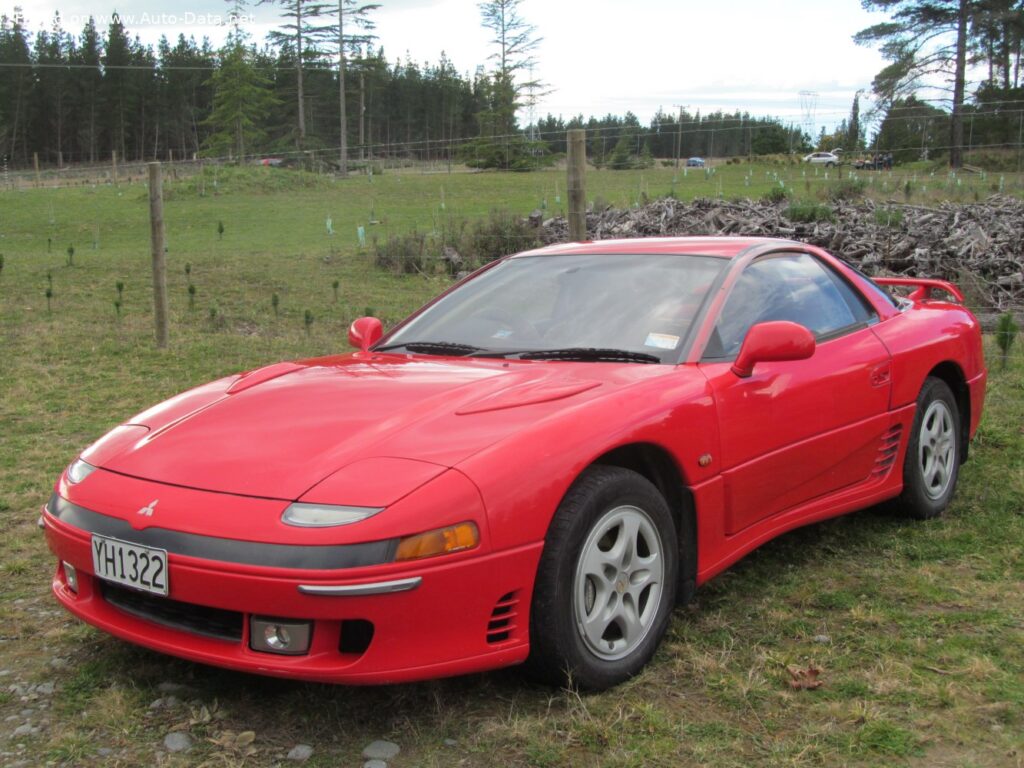
The Mitsubishi GTO, known as the 3000GT in North America, was a grand tourer produced by Mitsubishi Motors from 1990 to 2005. The Z16 chassis code designates the first generation, produced from 1990-1993. Within the Z16 range, the 3.0 i V6 4WD variant with an automatic transmission represented a compelling blend of performance and accessibility. This model occupied a mid-range position in the GTO lineup, offering a significant step up from the base 2.0-liter models while remaining more attainable than the higher-performance VR-4 trim. It aimed to deliver a refined driving experience with the added security of all-wheel drive.
The 3.0 i V6 Automatic: Positioning and Target Audience
The 3.0 i V6 4WD Automatic GTO was designed to appeal to buyers seeking a sophisticated and capable grand tourer. It wasn’t intended to be a track-focused machine like the VR-4, but rather a comfortable and powerful coupe for long-distance driving and spirited weekend excursions. The automatic transmission broadened its appeal to drivers who preferred convenience over the involvement of a manual gearbox. Compared to the base 2.0-liter models, the 3.0-liter engine provided a substantial increase in power and torque, enhancing both acceleration and cruising ability. It was positioned as a more luxurious and powerful alternative to competitors like the Mazda RX-7 and Toyota Supra, offering a unique blend of Japanese engineering and grand touring sensibilities.
Powertrain & Engine Architecture
At the heart of the 3.0 i V6 Automatic GTO lies the 6A12 engine, a 2,972 cc (181.36 cu. in.) DOHC 24-valve V6. This engine produced 225 horsepower at 6,000 rpm and 275 Nm (202.83 lb-ft) of torque at 4,500 rpm. The engine featured a cast iron block with an aluminum cylinder head, contributing to its durability and relatively lightweight construction. Fuel delivery was handled by a multi-port fuel injection system, ensuring precise fuel metering for optimal performance and efficiency. The valvetrain employed double overhead camshafts (DOHC) and four valves per cylinder, maximizing airflow and contributing to the engine’s high-revving nature.
The automatic transmission paired with the 6A12 engine was a four-speed unit, designed to provide smooth and effortless gear changes. While not as sporty as a manual transmission, it offered a more relaxed driving experience, particularly in city traffic. The transmission was electronically controlled, adapting shift points based on throttle input and driving conditions. The all-wheel-drive system, a key feature of the GTO, utilized a viscous coupling to distribute torque between the front and rear axles, enhancing traction and stability in various weather conditions. This system was primarily rear-wheel drive biased, providing a sporty feel while still offering all-weather capability.
Driving Characteristics
The 3.0 i V6 Automatic GTO delivered a refined and comfortable driving experience. The 225 hp engine provided ample power for confident acceleration and effortless highway cruising. While not as brutally quick as the VR-4, the 3.0-liter engine offered a broad torque curve, making it responsive in a variety of driving situations. The four-speed automatic transmission, while smooth, did result in slightly slower acceleration times compared to the five-speed manual transmission available in other GTO models. The all-wheel-drive system provided excellent grip and stability, particularly on slippery surfaces. The steering was precise and well-weighted, offering a good connection to the road. Overall, the driving experience was characterized by a balance of performance, comfort, and refinement.
Equipment & Trim Levels
The 3.0 i V6 4WD Automatic GTO came standard with a range of features designed to enhance comfort and convenience. Standard equipment typically included power windows, power locks, air conditioning, a premium sound system, and leather upholstery. The interior featured a driver-focused cockpit with well-placed controls and comfortable seating. Optional extras included a sunroof, upgraded sound systems, and various cosmetic enhancements. The dashboard layout was clean and functional, with easy-to-read gauges and a central information display. The level of standard equipment positioned this variant as a well-appointed grand tourer, offering a comfortable and enjoyable driving experience.
Chassis & Braking
The GTO Z16 chassis featured a robust and well-engineered suspension system. The front suspension utilized a MacPherson strut design, while the rear suspension employed a multi-link setup. This combination provided a good balance of ride comfort and handling performance. The 3.0 i V6 Automatic model typically featured ventilated disc brakes on all four wheels, providing ample stopping power. An Anti-lock Braking System (ABS) was standard, enhancing safety and control during emergency braking situations. The car’s curb weight of 1640 kg (3615.58 lbs) was managed effectively by the suspension and braking systems, resulting in a stable and predictable handling experience. The tires were typically 225/50 R17 V rated, providing good grip and handling characteristics.
Market Reception & Comparison
The Mitsubishi GTO 3.0 i V6 Automatic received generally positive reviews from automotive critics. It was praised for its powerful engine, comfortable ride, and sophisticated styling. However, some critics noted that the automatic transmission detracted slightly from the car’s overall performance potential. Fuel economy was also a point of concern, with the combined fuel consumption rated at 8.9 l/100 km (26.4 US mpg). Compared to the VR-4, the 3.0 i V6 Automatic offered a more relaxed and accessible driving experience, while sacrificing some of the VR-4’s outright performance. Compared to competitors like the Mazda RX-7 and Toyota Supra, the GTO offered a unique blend of Japanese engineering, all-wheel-drive capability, and grand touring comfort.
Technical Specifications
| Brand | Mitsubishi |
| Model | GTO |
| Generation | GTO (Z16) |
| Type | 3.0 i V6 4WD (225 Hp) Automatic |
| Start of production | 1990 |
| End of production | 2005 |
| Engine Displacement | 2972 cm3 (181.36 cu. in.) |
| Number of Cylinders | 6 |
| Engine Configuration | V-engine |
| Power | 225 Hp @ 6000 rpm |
| Torque | 275 Nm @ 4500 rpm (202.83 lb.-ft. @ 4500 rpm) |
| Fuel Type | Petrol (Gasoline) |
| Fuel Consumption (Combined) | 8.9 l/100 km (26.4 US mpg, 31.7 UK mpg, 11.2 km/l) |
| Maximum Speed | 220 km/h (136.7 mph) |
| Kerb Weight | 1640 kg (3615.58 lbs.) |
| Fuel Tank Capacity | 75 l (19.81 US gal | 16.5 UK gal) |
| Transmission | 4 gears, automatic transmission |
| Drive Wheel | All wheel drive (4×4) |
| Length | 4575 mm (180.12 in.) |
| Width | 1840 mm (72.44 in.) |
| Height | 1285 mm (50.59 in.) |
Legacy
The Mitsubishi GTO 3.0 i V6 Automatic, while not as highly sought after as the VR-4, remains a desirable classic car. The 6A12 engine is known for its durability and reliability, provided it is properly maintained. The automatic transmission, while not as sporty, is generally reliable and requires less maintenance than a manual gearbox. Today, these cars are increasingly appreciated by enthusiasts for their unique styling, comfortable ride, and all-wheel-drive capability. Finding well-maintained examples can be challenging, as many have been subjected to neglect or modification. However, a well-preserved 3.0 i V6 Automatic GTO offers a compelling blend of performance, comfort, and Japanese engineering, making it a rewarding classic car ownership experience.
