
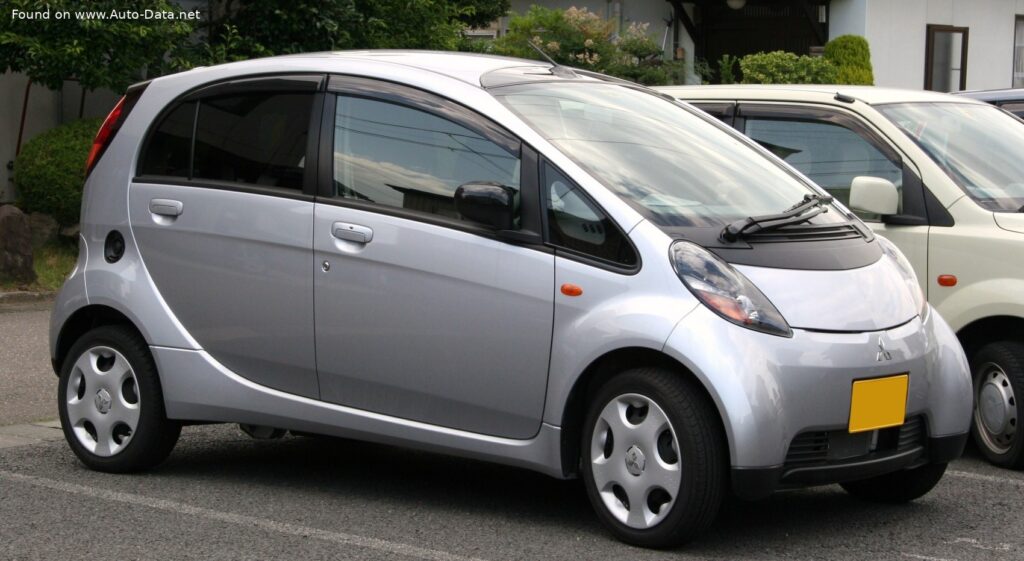
The Mitsubishi i (HA1W) 0.7 12V AWD, produced from 2005 to 2013, represents a unique entry in the microcar segment. This variant, powered by a diminutive 659cc three-cylinder engine paired with a four-speed automatic transmission and all-wheel drive, was positioned as the entry-level offering within the HA1W i lineup. It aimed to provide affordable and practical transportation, particularly appealing to urban drivers and those seeking a compact, easy-to-park vehicle. The ‘i’ was a significant departure for Mitsubishi, representing a focus on maximizing interior space within a minimal exterior footprint, a concept heavily influenced by Japanese Kei car regulations, though the ‘i’ exceeded those dimensional limits.
Powertrain & Engine Architecture
The heart of the Mitsubishi i 0.7 12V AWD is the 3G83 engine, a 659cc inline three-cylinder petrol engine. Despite its small displacement, the engine utilizes a single overhead camshaft (SOHC) design with four valves per cylinder (12V total). This configuration, coupled with multi-point fuel injection, allows for a reasonable power output of 64 horsepower at 6000 rpm and 94 Nm (69.33 lb-ft) of torque. Notably, this specific version of the 3G83 engine was turbocharged and intercooled, a feature not found on all ‘i’ variants. The turbocharger was implemented to offset the power deficit inherent in such a small displacement engine, providing a modest boost in performance. The engine is transversely mounted at the rear of the vehicle, a layout uncommon in modern automobiles, contributing to the car’s unique driving characteristics.
The four-speed automatic transmission, designated as F4A2, was specifically chosen for its compact size and suitability for the vehicle’s low power output. It’s a conventional hydraulic automatic, lacking the more advanced features found in later transmissions. The transmission’s gear ratios are optimized for city driving, prioritizing acceleration from a standstill over high-speed cruising. The all-wheel-drive system is a viscous coupling type, automatically distributing torque between the front and rear axles as needed, enhancing traction in slippery conditions. This system is primarily reactive, engaging the rear wheels when front wheel slip is detected.
Engine Codes & Variations
The 3G83 engine was produced with several variations. The version used in the 0.7 12V AWD (HA1W) is identifiable by its turbocharger and intercooler. Later, non-turbocharged versions of the 3G83 were used in other ‘i’ trims, offering slightly lower power output but improved fuel economy. The engine code is crucial for identifying specific parts and maintenance requirements.
Driving Characteristics
The driving experience in the Mitsubishi i 0.7 12V AWD is defined by its compact size and lightweight construction. Acceleration is modest, with 0-60 mph times estimated around 14-16 seconds. The turbocharger provides a noticeable, though not overwhelming, boost in power during acceleration. The automatic transmission shifts smoothly, but can feel somewhat sluggish, particularly when attempting quick overtaking maneuvers. The rear-engine, rear-wheel-drive layout contributes to a unique handling balance. While not sporty, the car feels nimble and responsive in city traffic. The all-wheel-drive system provides enhanced stability and traction, particularly on wet or snowy roads. However, the small tires and relatively soft suspension limit cornering grip.
Compared to the naturally aspirated versions of the ‘i’, the 0.7 12V AWD offers a noticeable performance advantage, especially at lower speeds. However, it falls short of the performance offered by the larger-displacement engines available in other microcar segments. The automatic transmission, while convenient, sacrifices some of the responsiveness offered by the available manual transmission.
Equipment & Trim Levels
The Mitsubishi i 0.7 12V AWD was typically offered with a relatively basic level of equipment, reflecting its position as the entry-level trim. Standard features generally included air conditioning, power windows, central locking, and an AM/FM radio. Interior upholstery was typically cloth, with a simple, functional dashboard layout. Optional extras included alloy wheels, a CD player, and upgraded interior trim. Safety features were limited, typically including dual front airbags and ABS (Anti-lock Braking System). The interior space, despite the car’s small exterior dimensions, is surprisingly generous, thanks to the clever packaging and tall roofline.
Chassis & Braking
The Mitsubishi i 0.7 12V AWD utilizes a relatively simple chassis design. The front suspension consists of independent coil springs, while the rear suspension employs a dependent spring suspension with a transverse stabilizer bar. This setup prioritizes ride comfort over handling precision. The braking system features disc brakes on the front wheels and drum brakes on the rear wheels. The ABS system helps to prevent wheel lockup during hard braking, enhancing safety. The tires are typically 145/65 R15, chosen for their balance of fuel efficiency and grip.
Market Reception & Comparison
The Mitsubishi i 0.7 12V AWD received mixed reviews from automotive critics. While praised for its innovative packaging, fuel efficiency, and affordability, it was often criticized for its limited performance and basic interior. Compared to other microcars available at the time, such as the Fiat Panda or the Renault Twingo, the ‘i’ offered a unique combination of features, including all-wheel drive. However, its limited availability in some markets and its unconventional rear-engine layout hindered its widespread adoption. Fuel economy was a strong point, with combined cycle figures typically around 50-55 mpg. Reliability was generally good, although the turbocharger and automatic transmission required regular maintenance.
Technical Specifications
| Brand | Mitsubishi |
| Model | i |
| Generation | i (HA1W) |
| Type (Engine) | 0.7 12V AWD (64 Hp) |
| Start of production | 2005 |
| End of production | 2013 |
| Powertrain Architecture | Internal Combustion engine |
| Body type | Hatchback |
| Seats | 4 |
| Doors | 5 |
| Fuel Type | Petrol (Gasoline) |
| Power | 64 Hp @ 6000 rpm |
| Torque | 94 Nm / 69.33 lb.-ft. |
| Engine layout | Rear, Transverse |
| Engine displacement | 659 cm3 / 40.21 cu. in. |
| Number of cylinders | 3 |
| Engine configuration | Inline |
| Cylinder Bore | 65.4 mm / 2.57 in. |
| Piston Stroke | 65.4 mm / 2.57 in. |
| Compression ratio | 8.8:1 |
| Number of valves per cylinder | 4 |
| Fuel injection system | Multi-port manifold injection |
| Engine aspiration | Turbocharger, Intercooler |
| Fuel tank capacity | 35 l / 9.25 US gal | 7.7 UK gal |
| Length | 3395 mm / 133.66 in. |
| Width | 1475 mm / 58.07 in. |
| Height | 1600 mm / 62.99 in. |
| Wheelbase | 2550 mm / 100.39 in. |
| Front track | 1310 mm / 51.57 in. |
| Rear track | 1270 mm / 50 in. |
| Drive wheel | All wheel drive (4×4) |
| Number of gears and type of gearbox | 4 gears, automatic transmission |
| Front suspension | Independent coil spring |
| Rear suspension | Dependent spring suspension with transverse stabilizer |
| Front brakes | Disc |
| Rear brakes | Drum |
| Assisting systems | ABS (Anti-lock braking system) |
| Tires size | 145/65 R15 |
Legacy
The Mitsubishi i 0.7 12V AWD, while not a mainstream success, has gained a cult following among enthusiasts who appreciate its unique design and engineering. The 3G83 engine, while small, has proven to be relatively reliable when properly maintained. The turbocharger does require more frequent servicing than a naturally aspirated engine. On the used car market, these ‘i’ models are relatively affordable, making them an attractive option for budget-conscious buyers. However, finding parts can be challenging, as the car was not widely sold in many regions. The HA1W ‘i’ represents a bold attempt by Mitsubishi to redefine the microcar segment, and its innovative features and quirky charm continue to appeal to a dedicated group of owners.
