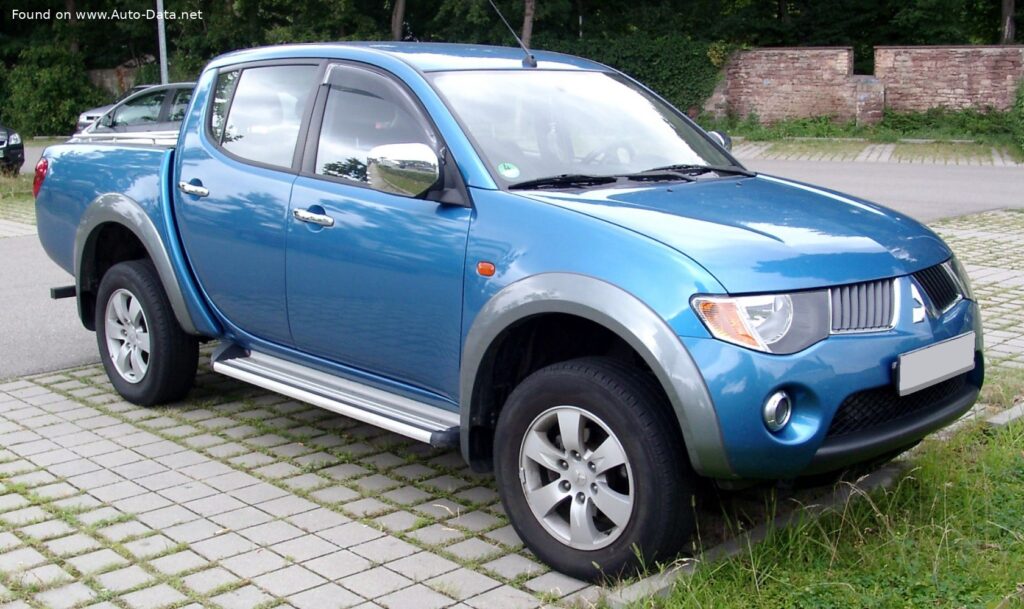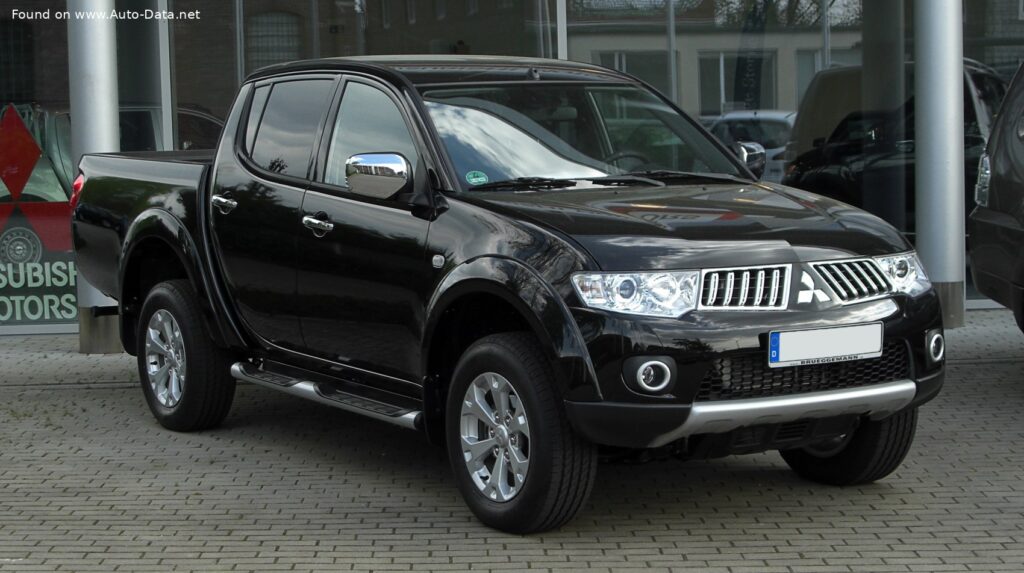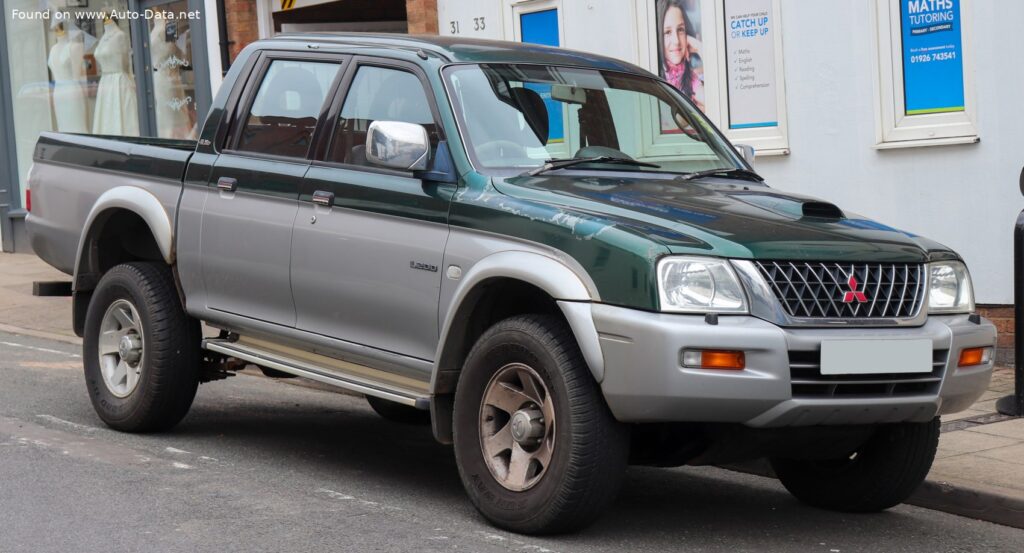
The Mitsubishi L200 III Double Cab 2.5 TD (87 hp) 4WD, produced between 1996 and 2006, represents a significant iteration of Mitsubishi’s popular pickup truck. This variant occupied the lower to mid-range position within the L200 III lineup, offering a balance between affordability, practicality, and four-wheel-drive capability. It was part of the broader L200 III generation (internally designated as the third generation), built on the robust platform that aimed to provide a durable and versatile workhorse for both commercial and personal use. This specific model catered to buyers needing a capable pickup with a focus on fuel efficiency and reasonable running costs, rather than outright performance.
Powertrain & Engine Architecture
At the heart of the L200 III Double Cab 2.5 TD (87 hp) 4WD lies the 4D56 2.5-liter inline-four diesel engine. This engine utilized a precombustion chamber injection system, a common technology for diesel engines of the era, designed to improve combustion efficiency and reduce noise. The 4D56 engine featured a single overhead camshaft (SOHC) valvetrain operating two valves per cylinder. A turbocharger was employed to boost power output, bringing the engine’s peak horsepower to 87 hp at 4200 rpm and torque to 201 Nm (148.25 lb-ft) at 2000 rpm. The engine’s displacement is 2477 cm³ (151.16 cu. in.) with a bore of 91.1 mm (3.59 in.) and a stroke of 95 mm (3.74 in.). The compression ratio was relatively high at 21:1, typical for diesel engines. Engine oil capacity is 6.5 liters (6.87 US qt | 5.72 UK qt).
The engine was typically paired with a five-speed manual transmission, although automatic transmission options were available in some markets. The transmission was configured to deliver power to all four wheels via a part-time four-wheel-drive system. This system allowed the driver to switch between two-wheel drive (rear-wheel drive) for normal road conditions and four-wheel drive for increased traction in off-road or slippery situations. The 4WD system employed an electrically or mechanically operated clutch to engage the front wheels when needed.
Fuel Injection System
The precombustion chamber injection system used in the 4D56 engine involved injecting fuel into a small precombustion chamber connected to the main combustion chamber. This design promoted better mixing of fuel and air, leading to more complete combustion and reduced emissions compared to direct injection systems of the time. However, it also resulted in a slightly noisier engine operation.
Driving Characteristics
The 87 hp output of the 2.5 TD engine, combined with the weight of the Double Cab body style (approximately 1685 kg or 3714.79 lbs), resulted in modest performance. Acceleration from 0 to 100 km/h (0-62 mph) took around 23.7 seconds, and 0 to 60 mph was achieved in approximately 22.5 seconds. The top speed was limited to 135 km/h (83.89 mph). The engine’s torque delivery was relatively flat, providing adequate pulling power for hauling loads and navigating challenging terrain, but it lacked the responsiveness of higher-output versions. The five-speed manual transmission offered a reasonable spread of gear ratios, allowing the driver to keep the engine within its optimal operating range. Compared to the later, more powerful 2.5 TD Intercooler variants, or the gasoline-powered options, this 87 hp version prioritized fuel economy and durability over outright speed.
Equipment & Trim Levels
The L200 III Double Cab 2.5 TD (87 hp) 4WD typically came equipped with basic but functional features. Standard equipment generally included power steering, a relatively simple dashboard layout, and vinyl or cloth upholstery. Air conditioning was often an optional extra, as were power windows and central locking. The Double Cab configuration provided seating for five passengers, making it a practical choice for families or work crews. The interior trim was generally utilitarian, focusing on durability rather than luxury. Optional extras could include alloy wheels, upgraded audio systems, and various exterior enhancements.
Chassis & Braking
The L200 III Double Cab featured a robust chassis designed to withstand the rigors of off-road use and heavy loads. The front suspension utilized a double wishbone setup, providing a comfortable ride and good handling characteristics. The rear suspension employed leaf springs, a traditional design for pickup trucks, offering excellent load-carrying capacity. The braking system consisted of ventilated discs on the front wheels and drum brakes on the rear. Hydraulic power steering was standard, making it easier to maneuver the vehicle, especially at low speeds. Tire size was typically 255/70 R15, mounted on 7J x 15 inch wheel rims.
Market Reception & Comparison
The Mitsubishi L200 III Double Cab 2.5 TD (87 hp) 4WD was generally well-received as a practical and affordable pickup truck. Critics praised its durability, four-wheel-drive capability, and relatively fuel-efficient diesel engine. However, its modest performance was often noted, particularly when compared to more powerful versions of the L200 or competing models. Fuel consumption figures were around 11.2 l/100 km (21 US mpg / 25.2 UK mpg) in urban conditions and 8.8 l/100 km (26.7 US mpg / 32.1 UK mpg) on the open road. Compared to the later 2.5 TD Intercooler models, which offered significantly more power, this variant was seen as a more economical option, suitable for buyers who prioritized practicality and fuel efficiency over performance. The 87 hp version also tended to be more reliable than some of the higher-output engines, due to its simpler design and lower stress levels.
Technical Specifications
| Brand | Mitsubishi |
| Model | L200 |
| Generation | L200 III Double Cab |
| Type (Engine) | 2.5 TD (87 Hp) 4WD |
| Start of production | 1996 year |
| End of production | 2006 year |
| Fuel consumption (urban) | 11.2 l/100 km (21 US mpg / 25.2 UK mpg) |
| Fuel consumption (extra urban) | 8.8 l/100 km (26.7 US mpg / 32.1 UK mpg) |
| Fuel Type | Diesel |
| Acceleration 0 – 100 km/h | 23.7 sec |
| Acceleration 0 – 62 mph | 23.7 sec |
| Acceleration 0 – 60 mph | 22.5 sec |
| Maximum speed | 135 km/h (83.89 mph) |
| Power | 87 Hp @ 4200 rpm |
| Torque | 201 Nm @ 2000 rpm (148.25 lb.-ft. @ 2000 rpm) |
| Engine layout | Front, Longitudinal |
| Engine Model/Code | 4D56 |
| Engine displacement | 2477 cm3 (151.16 cu. in.) |
| Number of cylinders | 4 |
| Cylinder Bore | 91.1 mm (3.59 in.) |
| Piston Stroke | 95 mm (3.74 in.) |
| Compression ratio | 21:1 |
| Engine oil capacity | 6.5 l (6.87 US qt | 5.72 UK qt) |
| Kerb Weight | 1685 kg (3714.79 lbs.) |
| Max. weight | 2525 kg (5566.67 lbs.) |
| Max load | 840 kg (1851.88 lbs.) |
| Fuel tank capacity | 75 l (19.81 US gal | 16.5 UK gal) |
| Length | 4920 mm (193.7 in.) |
| Width | 1655 mm (65.16 in.) |
| Height | 1745 mm (68.7 in.) |
| Wheelbase | 2960 mm (116.54 in.) |
| Number of gears | 5 |
| Gearbox type | Manual transmission |
Legacy
The Mitsubishi L200 III Double Cab 2.5 TD (87 hp) 4WD has proven to be a relatively reliable and durable vehicle. The 4D56 engine, while not particularly powerful, is known for its longevity and relatively simple maintenance requirements. In the used car market, these models are often sought after by buyers looking for an affordable and capable pickup truck. However, potential buyers should be aware of the age-related issues common to vehicles of this era, such as corrosion and wear and tear on suspension components. The 4D56 engine, when properly maintained, can continue to provide reliable service for many years, making this L200 variant a viable option for those seeking a practical and dependable workhorse.