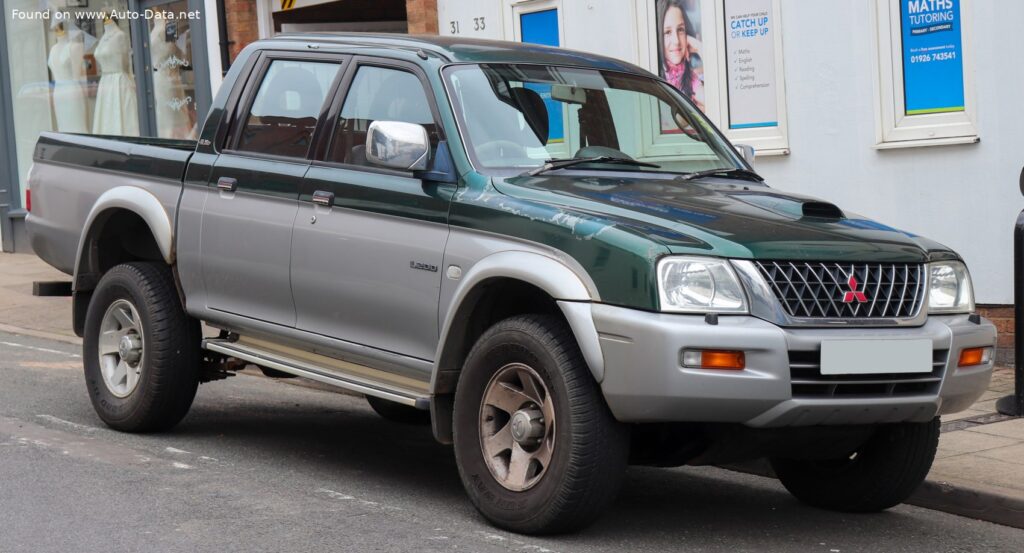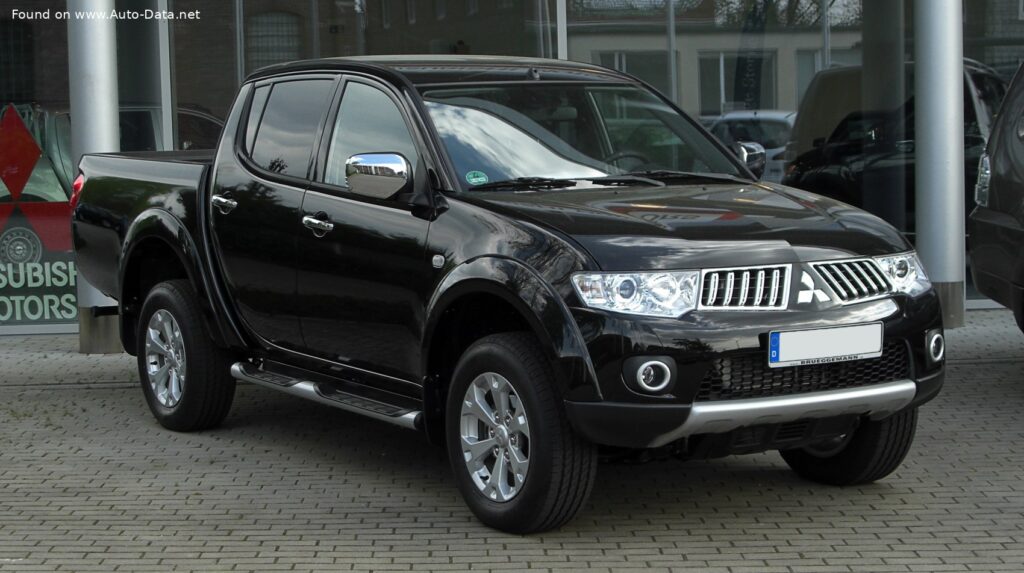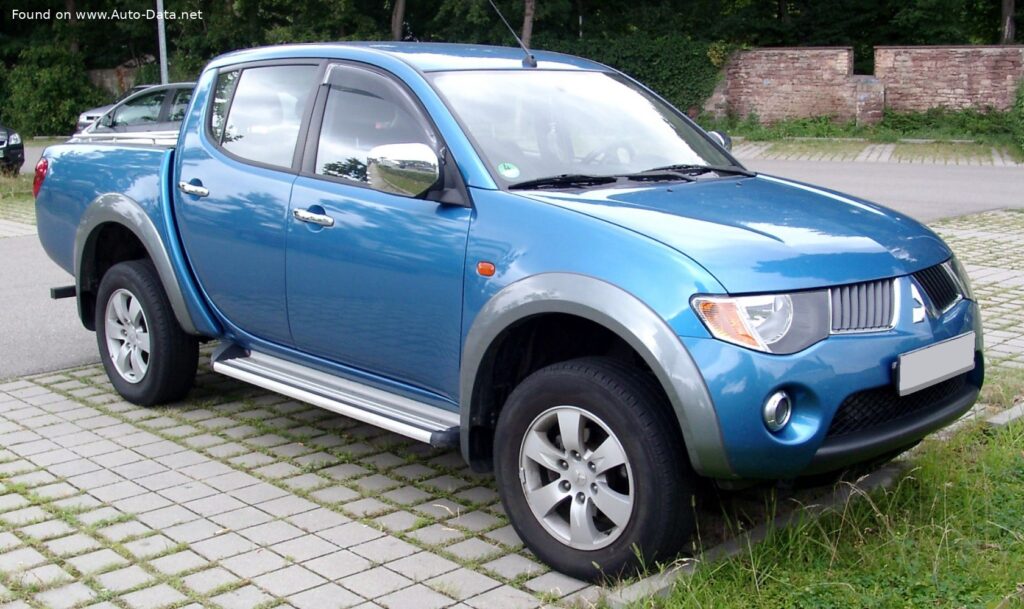
The Mitsubishi L200 IV Double Cab 2.5 TD, produced between 2006 and 2010, represents a significant iteration of Mitsubishi’s popular pickup truck. This variant, powered by a 2.5-liter turbocharged diesel engine producing 136 horsepower, occupied a middle ground within the fourth-generation L200 (also known as the Triton in some markets) lineup. It was positioned as a practical and capable workhorse, appealing to buyers needing both passenger and cargo space, without the higher price tag of more powerful or luxurious trims. The L200 IV series, built on the robust platform, aimed to balance durability, functionality, and a degree of comfort for both commercial and private users.
Powertrain & Engine Architecture
The heart of the L200 IV Double Cab 2.5 TD is the 4D56 diesel engine, a 2.5-liter inline-four cylinder powerplant. This engine utilizes a precombustion chamber injection system, a design common in diesel engines of this era. This system involves a small pre-chamber where fuel is initially injected and ignited, then transferred to the main combustion chamber for complete burning. This method aids in more complete combustion, particularly during cold starts. The engine is turbocharged and intercooled, enhancing power output and efficiency. The turbocharger forces more air into the cylinders, while the intercooler cools the compressed air, increasing its density and further improving combustion.
The 4D56 engine produces 136 horsepower at 4000 rpm and 314 Nm (231.59 lb-ft) of torque at 2300 rpm. This torque figure is particularly important for a pickup truck, providing strong pulling power and the ability to handle heavy loads. The engine’s displacement is 2477 cm³ (151.16 cubic inches), and it features two valves per cylinder. The engine oil capacity is 6.4 liters (6.76 US quarts or 5.63 UK quarts), and it requires an oil meeting specific Mitsubishi specifications. The cooling system holds 8.2 liters (8.66 US quarts or 7.21 UK quarts) of coolant.
Transmission
The 2006-2010 L200 IV Double Cab 2.5 TD was primarily equipped with a 5-speed manual transmission. While an automatic transmission was offered in some markets, the manual was the more common configuration, particularly in Europe and other regions where fuel economy and driver control were prioritized. The manual transmission’s gear ratios are tuned for a balance of acceleration and fuel efficiency, with a relatively low first gear for off-road capability and hauling, and a higher fifth gear for comfortable highway cruising. The transmission is directly linked to the engine’s output, providing a robust and reliable power transfer to the wheels.
Driving Characteristics
The driving experience of the L200 IV Double Cab 2.5 TD is characterized by its work-oriented nature. The 136 horsepower engine, while adequate, doesn’t deliver particularly brisk acceleration. 0-100 km/h (0-62 mph) takes approximately 14.6 seconds, and 0-60 mph is achieved in around 13.9 seconds. The maximum speed is limited to 167 km/h (103.77 mph). However, the engine’s strong low-end torque makes it well-suited for hauling and towing. The truck feels most comfortable when maintaining a steady speed, rather than rapid acceleration.
Compared to higher-output versions of the L200 IV, such as those equipped with more powerful diesel engines, the 2.5 TD feels less responsive. The manual transmission allows for greater driver control, but requires more frequent shifting, especially when loaded. The suspension, tuned for carrying capacity, provides a relatively firm ride, even when unladen. The 4×4 system provides excellent traction in off-road conditions, making it a capable vehicle for both work and recreational use.
Equipment & Trim Levels
The L200 IV Double Cab 2.5 TD typically came with a fairly basic level of standard equipment, reflecting its positioning as a practical work vehicle. Standard features generally included power steering, air conditioning, and a basic audio system. The interior upholstery was typically vinyl or a durable cloth material. The dashboard layout is functional and straightforward, with clearly labeled controls.
Optional extras varied depending on the market, but could include alloy wheels, upgraded audio systems, electric windows, central locking, and a limited-slip differential. Higher trim levels offered more luxurious interior appointments, such as leather seats and woodgrain trim. The Double Cab configuration provides seating for five passengers, with a rear seat that can be folded down to create additional cargo space. The cab offers a reasonable level of comfort for passengers, but is not designed for long-distance luxury travel.
Chassis & Braking
The L200 IV Double Cab 2.5 TD features a body-on-frame construction, providing a robust and durable chassis. The front suspension utilizes a torsion bar setup, while the rear suspension employs leaf springs. This combination is designed to handle heavy loads and provide a stable ride. The front brakes are discs, while the rear brakes are drums. This configuration was common for pickup trucks of this era, balancing cost and performance. Hydraulic power steering is standard, providing relatively light and precise steering control. The vehicle rides on 205/80 R16 tires, which offer a good balance of on-road and off-road performance.
Market Reception & Comparison
The Mitsubishi L200 IV Double Cab 2.5 TD received generally positive reviews for its practicality, durability, and off-road capability. Critics praised its strong torque output and its ability to handle heavy loads. However, some reviewers noted that the 136 horsepower engine felt underpowered, particularly when fully loaded or traveling uphill. Fuel economy was generally considered to be good for a pickup truck of its size, with a combined fuel consumption of 8.6 l/100 km (27.4 US mpg or 32.8 UK mpg).
Compared to other trims in the L200 IV lineup, the 2.5 TD offered a more affordable entry point. It was less expensive than the higher-output diesel versions and provided a good balance of performance and fuel economy. In terms of reliability, the 4D56 engine is generally considered to be a robust and dependable unit, although regular maintenance is essential. Compared to competitors like the Toyota Hilux and Nissan Navara, the L200 IV offered a competitive package, with a focus on practicality and value.
Technical Specifications
| Brand | Mitsubishi |
| Model | L200 |
| Generation | L200 IV Double Cab |
| Type | 2.5 TD (136 Hp) Double Cab |
| Production Years | 2006-2010 |
| Engine Type | Internal Combustion Engine (Diesel) |
| Body Type | Pick-up |
| Seats | 5 |
| Doors | 4 |
| Fuel Consumption (Combined) | 8.6 l/100 km (27.4 US mpg, 32.8 UK mpg, 11.6 km/l) |
| Fuel Type | Diesel |
| Acceleration 0-100 km/h | 14.6 sec |
| Acceleration 0-62 mph | 14.6 sec |
| Acceleration 0-60 mph | 13.9 sec |
| Maximum Speed | 167 km/h (103.77 mph) |
| Emission Standard | Euro 4 |
| Engine Layout | Front, Longitudinal |
| Engine Model/Code | 4D56 |
| Engine Displacement | 2477 cm³ (151.16 cu. in.) |
| Number of Cylinders | 4 |
| Engine Configuration | Inline |
| Number of Valves per Cylinder | 2 |
| Fuel Injection System | Precombustion Chamber Injection |
| Engine Aspiration | Turbocharger, Intercooler |
| Engine Oil Capacity | 6.4 l (6.76 US qt, 5.63 UK qt) |
| Coolant Capacity | 8.2 l (8.66 US qt, 7.21 UK qt) |
| Kerb Weight | 1935 kg (4265.94 lbs) |
| Max. Weight | 2850 kg (6283.17 lbs) |
| Max Load | 915 kg (2017.23 lbs) |
| Fuel Tank Capacity | 75 l (19.81 US gal, 16.5 UK gal) |
| Length | 5000 mm (196.85 in) |
| Width | 1750 mm (68.9 in) |
| Height | 1775 mm (69.88 in) |
| Wheelbase | 3000 mm (118.11 in) |
| Drive Wheel | All Wheel Drive (4×4) |
| Number of Gears | 5 |
| Gearbox Type | Manual Transmission |
| Front Suspension | Torsion |
| Rear Suspension | Leaf Spring |
| Front Brakes | Disc |
| Rear Brakes | Drum |
| Power Steering | Hydraulic |
| Tire Size | 205/80 R16 |
Legacy
The Mitsubishi L200 IV Double Cab 2.5 TD has proven to be a relatively reliable and durable vehicle, particularly when properly maintained. The 4D56 engine is known for its longevity, and many examples are still in service today. In the used car market, these trucks are often sought after for their practicality and affordability. While they may not offer the refinement or performance of more modern pickups, they represent a solid and dependable option for those needing a versatile work vehicle. The 2.5 TD variant, in particular, is often considered a good value, offering a balance of capability and fuel economy. Regular maintenance, including oil changes and filter replacements, is crucial for ensuring the continued reliability of this powertrain.