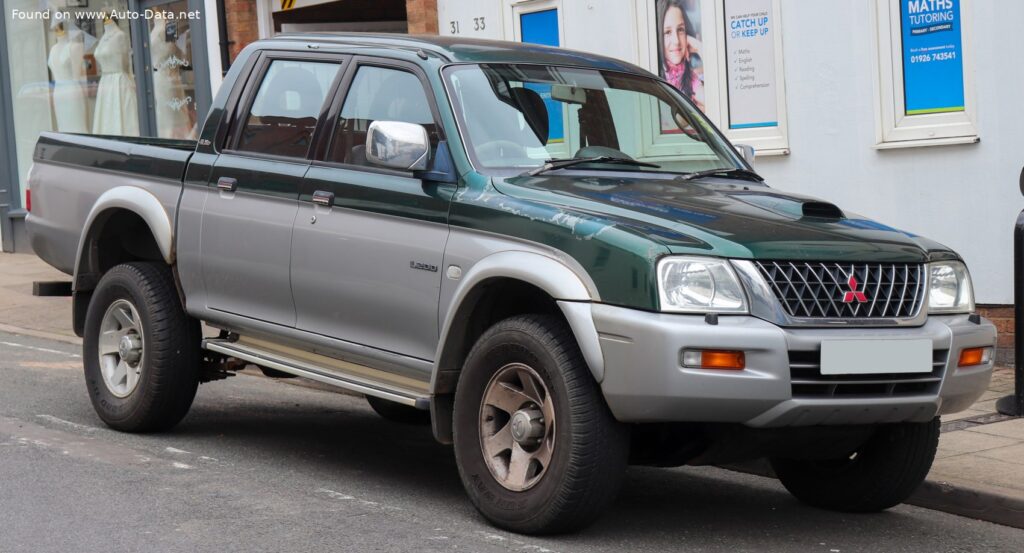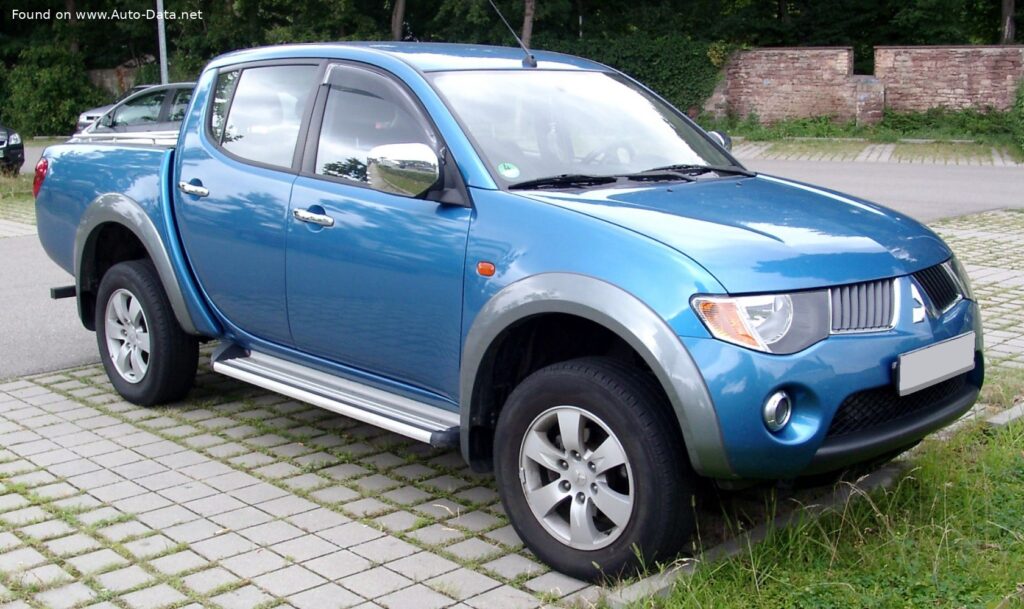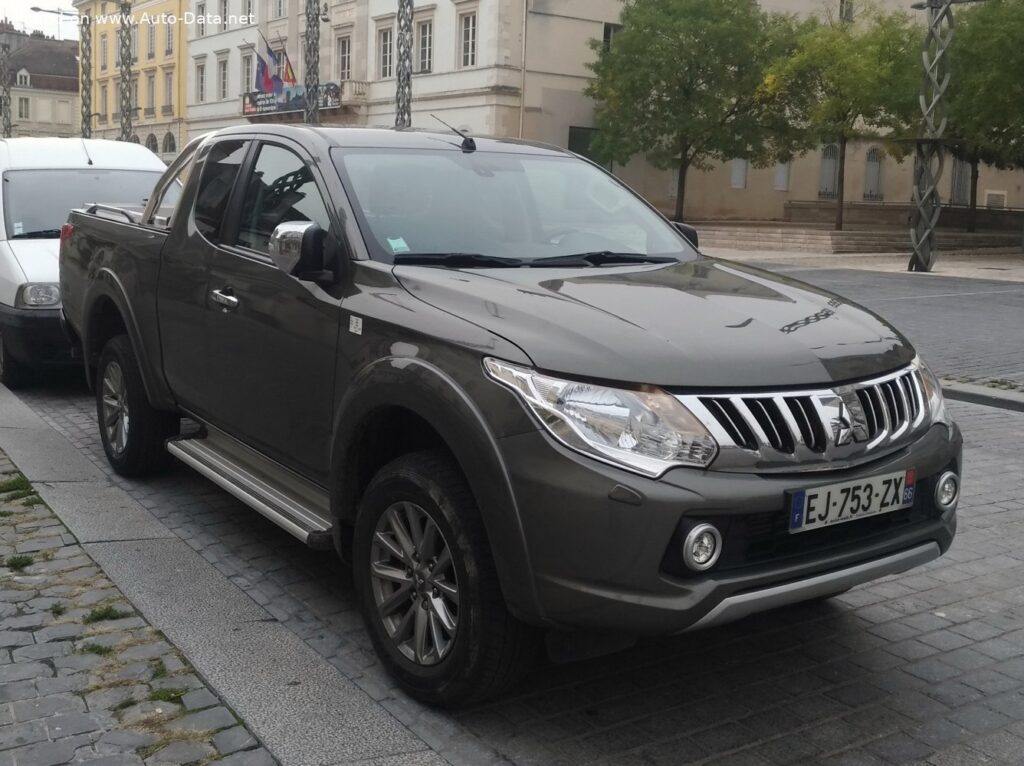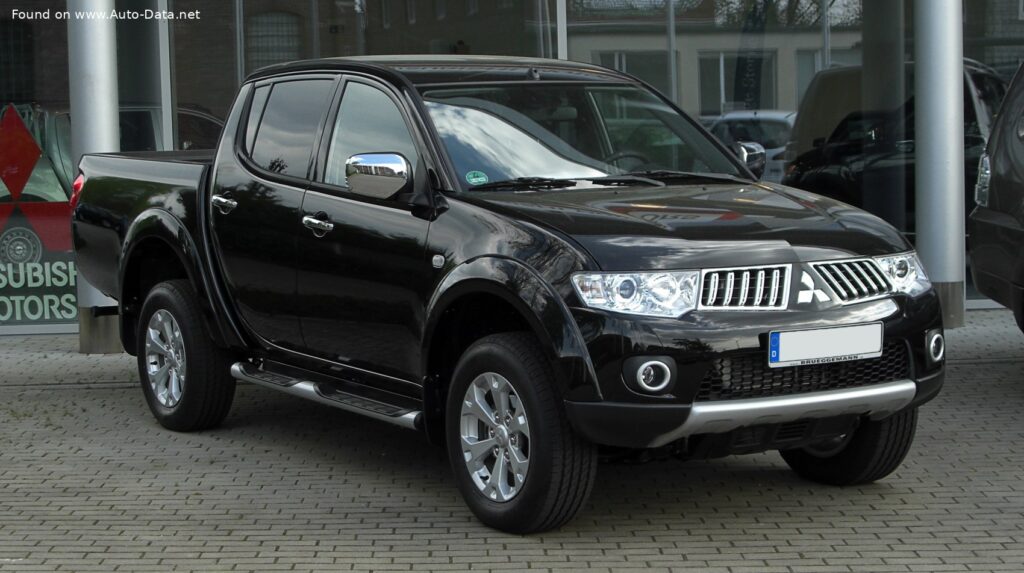
The Mitsubishi L200 IV Double Cab, specifically the facelifted version introduced in 2010, represented a significant update to Mitsubishi’s popular pickup truck line. This iteration, produced from 2010 to 2015, offered a blend of practicality, durability, and improved refinement. Among the various engine and drivetrain configurations available, the 2.5 DI-D variant producing 136 horsepower was a common choice, particularly in markets where diesel fuel was favored. This model occupied a middle ground in the L200 IV lineup, offering a balance between performance, fuel economy, and affordability, appealing to both commercial and private buyers. It was built on the robust platform of the previous generation, refined for improved comfort and features.
The 2.5 DI-D 136 Hp: Positioning and Overview
The 2.5 DI-D 136 horsepower engine, coupled with a five-speed manual transmission, was a mainstay of the L200 IV Double Cab range during the 2010-2015 facelift period. It wasn’t the most powerful engine offered – that distinction belonged to the higher-output versions of the 2.5 DI-D – but it provided ample torque for typical pickup truck duties, such as hauling and towing. It was positioned as a practical, work-oriented option, sitting below the more expensive and performance-focused trims. The Double Cab configuration, with its four doors and five-seat capacity, broadened the L200’s appeal beyond purely commercial applications, making it suitable for families and those needing passenger space alongside cargo capacity.
Powertrain & Engine Architecture
The heart of this L200 variant is the 4D56 2.5-liter four-cylinder diesel engine. This engine utilizes a common rail direct injection system, a technology that significantly improved fuel efficiency and reduced noise compared to older diesel injection methods. The 4D56 is a longitudinal engine, meaning it’s mounted lengthwise in the chassis. It’s turbocharged and intercooled, enhancing power output and mitigating turbo lag. The intercooler cools the compressed air from the turbocharger, increasing its density and further improving combustion efficiency. The engine produces 136 horsepower at 4000 rpm and 314 Nm (231.59 lb-ft) of torque at 2000 rpm. This torque curve provides strong pulling power at relatively low engine speeds, ideal for hauling loads. The five-speed manual transmission was the standard gearbox for this configuration, offering a straightforward and durable shifting experience. The gear ratios were tuned to prioritize torque delivery for work applications, rather than outright acceleration.
Fuel Injection and Valvetrain
The diesel common rail system employed by the 4D56 engine delivers fuel at extremely high pressure, atomizing it into a fine mist for more complete combustion. This system is electronically controlled, allowing for precise fuel metering and optimized engine performance. The engine features a single overhead camshaft (SOHC) valvetrain, operating four valves per cylinder. This configuration balances simplicity with adequate airflow for efficient combustion. The engine also incorporates a diesel particulate filter (DPF) to meet Euro 5 emission standards, reducing harmful particulate matter emissions.
Driving Characteristics
The 2.5 DI-D 136 hp L200 Double Cab offers a driving experience focused on practicality and robustness. Acceleration is not its strong suit, with a 0-100 km/h (0-62 mph) time of around 14 seconds. However, the engine’s strong low-end torque makes it capable of handling heavy loads and navigating challenging terrain. The five-speed manual transmission provides a direct connection to the engine, allowing the driver to maintain control over gear selection. Compared to higher-output versions of the 2.5 DI-D, this variant feels less eager to rev, but it offers better fuel economy. The manual transmission also provides a more engaging driving experience than the optional automatic transmission available on some trims. The all-wheel-drive system, selectable between 2H (rear-wheel drive), 4H (four-wheel drive high range), and 4L (four-wheel drive low range), provides excellent traction in various conditions.
Equipment & Trim Levels
The 2.5 DI-D 136 hp Double Cab typically came equipped with a reasonable level of standard features. These generally included air conditioning, power steering, central locking, and an audio system with CD player. Interior upholstery was typically vinyl or cloth, depending on the specific trim level. Higher trim levels offered upgrades such as alloy wheels, side steps, a rear window defogger, and electric windows. Optional extras included a navigation system, leather upholstery, and a sunroof. The dashboard layout was functional and straightforward, prioritizing ease of use over aesthetic flair. Safety features typically included ABS (Anti-lock Braking System) and driver and passenger airbags.
Chassis & Braking
The L200 IV Double Cab utilizes a body-on-frame construction, providing a robust and durable chassis. The front suspension consists of independent torsion bars with double wishbones, offering a comfortable ride and good handling characteristics. The rear suspension employs an elastic beam setup, which is simpler and more durable than independent rear suspension, but may result in a slightly less refined ride. The braking system features ventilated discs on the front wheels and drum brakes on the rear wheels. This configuration provides adequate stopping power for most driving conditions, although the rear drum brakes are less effective at dissipating heat than disc brakes. The steering system is a rack and pinion type, providing precise and responsive steering feel.
Market Reception & Comparison
The Mitsubishi L200 IV Double Cab 2.5 DI-D 136 hp was generally well-received by critics as a practical and reliable workhorse. It was praised for its strong torque, durable construction, and reasonable fuel economy. Compared to other trims in the L200 lineup, such as the higher-output 2.5 DI-D variants, it offered a more affordable entry point, albeit with slightly less performance. Against competitors like the Toyota Hilux and Nissan Navara, the L200 offered a competitive package, often undercutting them on price. Fuel economy figures were respectable, with combined cycle consumption around 7.5 l/100 km (31.4 US mpg). Reliability was generally good, although some owners reported issues with the DPF system, a common problem with modern diesel engines.
Technical Specifications
| Brand | Mitsubishi |
| Model | L200 |
| Generation | L200 IV Double Cab (facelift 2010) |
| Type (Engine) | 2.5 DI-D (136 Hp) |
| Start of production | 2010 |
| End of production | 2015 |
| Body type | Pick-up |
| Seats | 5 |
| Doors | 4 |
| Fuel consumption (urban) | 8.9 l/100 km (26.4 US mpg) |
| Fuel consumption (extra urban) | 6.8 l/100 km (34.6 US mpg) |
| Fuel consumption (combined) | 7.5 l/100 km (31.4 US mpg) |
| Fuel Type | Diesel |
| Acceleration 0-100 km/h | 14 sec |
| Acceleration 0-62 mph | 14 sec |
| Acceleration 0-60 mph | 13.3 sec |
| Maximum speed | 167 km/h (103.77 mph) |
| Emission standard | Euro 5 |
| Power | 136 Hp @ 4000 rpm |
| Torque | 314 Nm @ 2000 rpm (231.59 lb.-ft. @ 2000 rpm) |
| Engine layout | Front, Longitudinal |
| Engine Model/Code | 4D56 |
| Engine displacement | 2477 cm3 (151.16 cu. in.) |
| Fuel injection system | Diesel Commonrail |
| Engine aspiration | Turbocharger, Intercooler |
| Kerb Weight | 1870 kg (4122.64 lbs.) |
| Fuel tank capacity | 75 l (19.81 US gal) |
| Length | 5185 mm (204.13 in.) |
| Width | 1750 mm (68.9 in.) |
| Height | 1775 mm (69.88 in.) |
| Wheelbase | 3000 mm (118.11 in.) |
| Number of gears and type of gearbox | 5 gears, manual transmission |
Legacy
The Mitsubishi L200 IV Double Cab 2.5 DI-D 136 hp has proven to be a relatively reliable and durable vehicle. The 4D56 engine, while not without its quirks (particularly related to the DPF), is generally considered a robust unit. On the used car market, these models represent a good value proposition for buyers seeking a practical and affordable pickup truck. Maintenance costs are generally reasonable, and parts availability is good. However, potential buyers should be aware of the potential for DPF issues and ensure that the vehicle has been properly maintained. The L200 IV Double Cab continues to be a popular choice for those needing a versatile vehicle capable of both work and family duties.