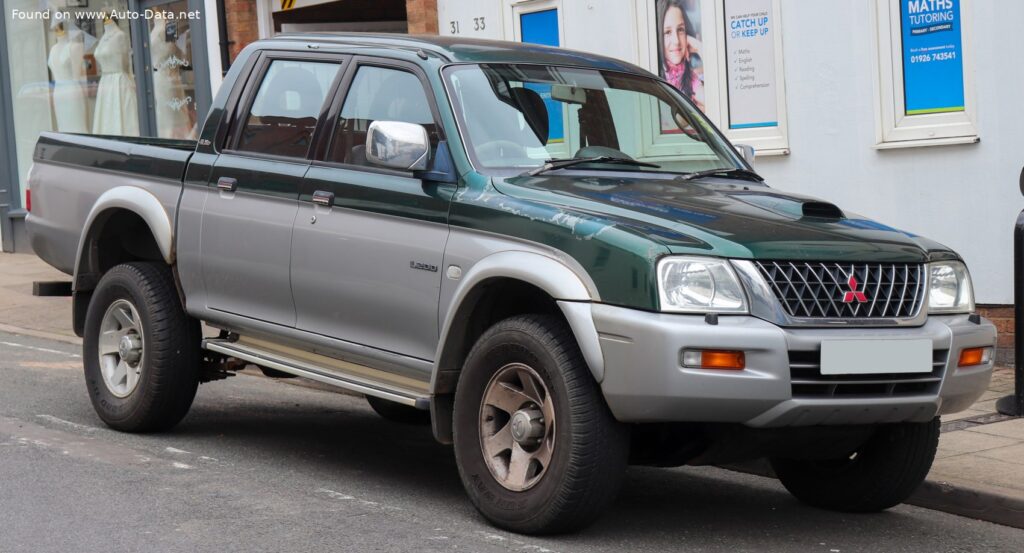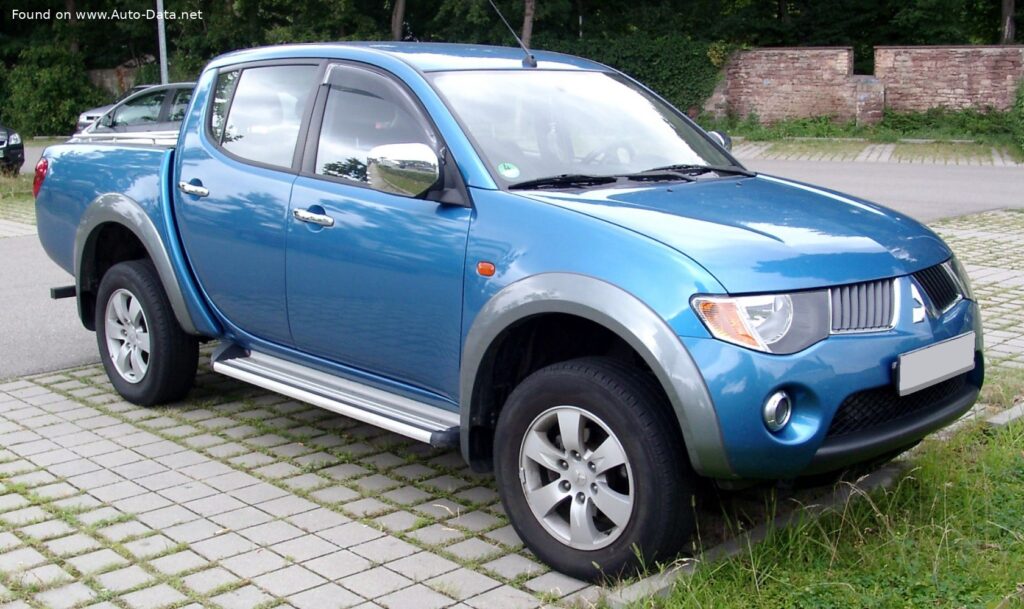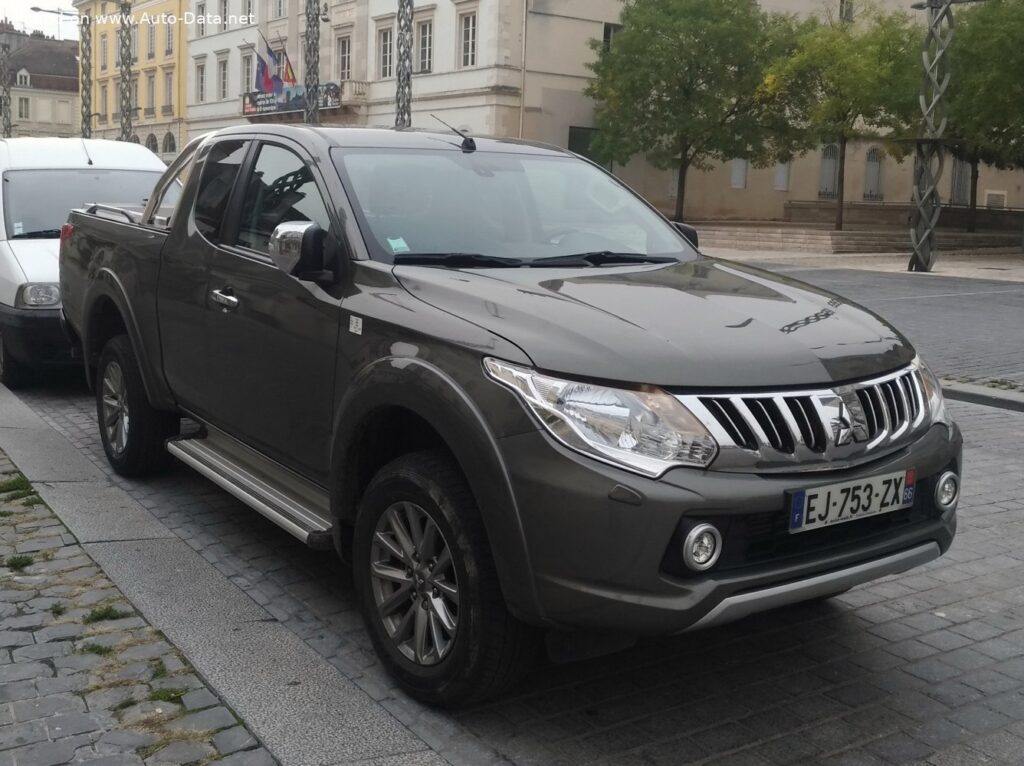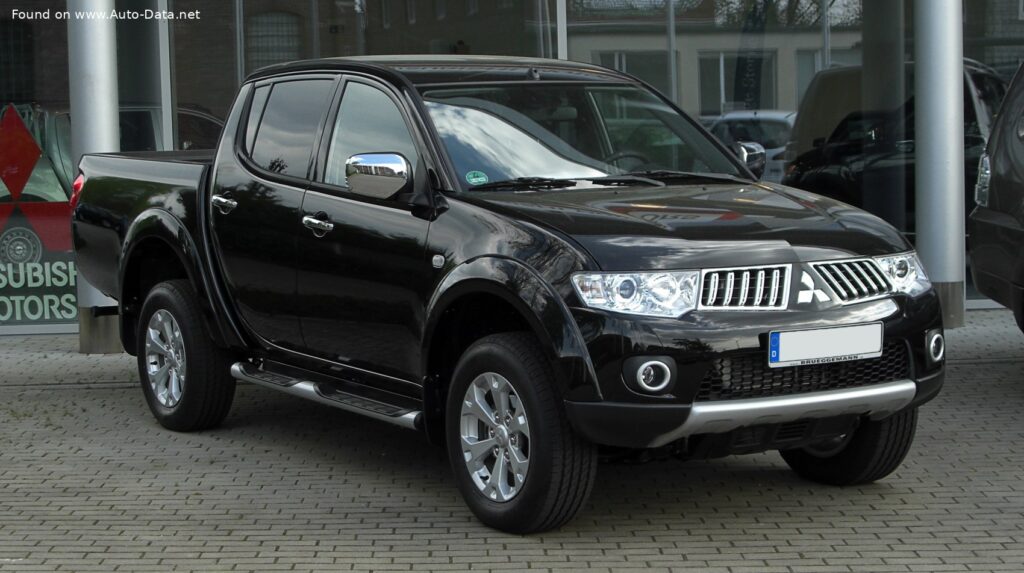
The Mitsubishi L200 IV Double Cab, specifically the facelifted version introduced in 2010, represented a significant update to Mitsubishi’s popular pickup truck line. This iteration, produced from 2010 through 2015, offered a blend of practicality, durability, and improved refinement compared to earlier versions. Among the engine options available, the 2.5 HP DI-D producing 178 horsepower became a common choice, particularly in markets outside of North America. This variant occupied a middle ground in the L200 IV lineup, offering a balance between performance and fuel efficiency, appealing to both commercial and private buyers. It was positioned above the lower-powered engine options and below the more expensive, higher-output versions.
The 2.5 HP DI-D Engine and its Role in the L200 IV Lineup
The 2.5-liter 4D56 HP DI-D engine was a key component of the L200 IV’s appeal. This engine, a turbocharged diesel, was designed to deliver robust torque for hauling and towing while maintaining reasonable fuel economy. The “HP DI-D” designation signifies High Power Direct Injection Diesel, highlighting Mitsubishi’s advanced fuel injection technology. This engine was a mainstay in the L200 range, offering a compelling alternative to gasoline engines and lower-powered diesel options. The 178 hp output, achieved at 3750 rpm, provided sufficient power for most everyday tasks, while the 400 Nm (295 lb-ft) of torque, available between 2000-2850 rpm, ensured strong pulling power. This engine was often paired with a five-speed manual transmission, as detailed in this article, though an automatic transmission was also available in some markets.
Powertrain & Engine Architecture
The 4D56 engine is a 2.5-liter, four-cylinder diesel engine with a longitudinal front engine layout. It utilizes a common rail direct injection system, which precisely meters fuel into the cylinders for optimal combustion. This system, coupled with a turbocharger and intercooler, contributes to the engine’s power and efficiency. The engine features a cast iron block and aluminum cylinder head, providing a balance of durability and weight reduction. The valvetrain consists of a single overhead camshaft (SOHC) operating four valves per cylinder. The engine’s design prioritizes low-end torque, making it well-suited for the demands of a pickup truck. The five-speed manual transmission used in this variant provides a relatively direct driving experience, with gear ratios optimized for both on-road cruising and off-road capability. The transmission’s gear ratios are designed to keep the engine within its optimal torque band during typical driving conditions.
Driving Characteristics
The 2.5 HP DI-D powered L200 IV Double Cab offered a practical and capable driving experience. While not a performance-oriented vehicle, the engine provided ample torque for hauling loads and navigating challenging terrain. Acceleration from 0-100 km/h (0-62 mph) took approximately 12.1 seconds, and 0-60 mph was achieved in around 11.5 seconds. Top speed was rated at 179 km/h (111.23 mph). Compared to lower-powered versions of the L200, the 178 hp engine offered noticeably improved responsiveness, particularly when fully loaded or climbing hills. However, it didn’t match the outright performance of the higher-output engine options. The five-speed manual transmission allowed for precise control over gear selection, enabling drivers to maximize the engine’s torque. The ride quality, typical of a body-on-frame pickup truck, was firm but generally comfortable for everyday use.
Equipment & Trim Levels
The 2010-2015 L200 IV Double Cab 2.5 HP DI-D was available in various trim levels, depending on the market. Standard equipment typically included air conditioning, power windows, power steering, and a basic audio system. Higher trim levels added features such as alloy wheels, a more sophisticated audio system, climate control, and leather upholstery. The Double Cab configuration provided seating for five passengers, with a spacious rear cabin. The interior design was functional and durable, with hard-wearing materials used throughout. Optional extras included a navigation system, a sunroof, and parking sensors. The specific features offered varied depending on the country and the chosen trim level.
Chassis & Braking
The L200 IV Double Cab utilized a traditional body-on-frame construction, providing a robust and durable platform. The front suspension consisted of independent torsion bars with double wishbones, while the rear suspension employed an elastic beam setup. This suspension configuration provided a good balance between ride comfort and load-carrying capacity. The braking system featured ventilated discs on the front wheels and drum brakes on the rear wheels. Anti-lock Braking System (ABS) was standard, enhancing safety during emergency braking situations. The steering system was a rack and pinion type, providing precise and responsive steering feel. The vehicle’s all-wheel-drive system offered selectable four-wheel drive modes, allowing drivers to optimize traction for various driving conditions.
Market Reception & Comparison
The Mitsubishi L200 IV Double Cab 2.5 HP DI-D was generally well-received by critics and buyers alike. It was praised for its robust build quality, strong diesel engine, and practical Double Cab configuration. Fuel economy was a strong point, with combined fuel consumption figures of around 7.7 l/100 km (30.5 US mpg). Compared to other trims in the L200 lineup, the 2.5 HP DI-D offered a good balance between performance and fuel efficiency. It was more economical than the higher-output engine options but provided more power than the lower-powered versions. Reliability was generally good, although some owners reported issues with the diesel particulate filter (DPF) system, a common concern with modern diesel engines. Compared to competitors such as the Toyota Hilux and Nissan Navara, the L200 IV offered a competitive package in terms of price, features, and performance.
Technical Specifications
| Brand | Mitsubishi |
| Model | L200 |
| Generation | L200 IV Double Cab (facelift 2010) |
| Type (Engine) | 2.5 HP DI-D (178 Hp) |
| Start of production | 2010 |
| End of production | 2015 |
| Fuel consumption (urban) | 9.1 l/100 km (25.8 US mpg) |
| Fuel consumption (extra urban) | 7 l/100 km (33.6 US mpg) |
| Fuel consumption (combined) | 7.7 l/100 km (30.5 US mpg) |
| Fuel Type | Diesel |
| Acceleration 0-100 km/h | 12.1 sec |
| Acceleration 0-62 mph | 12.1 sec |
| Acceleration 0-60 mph | 11.5 sec |
| Maximum speed | 179 km/h (111.23 mph) |
| Emission standard | Euro 5 |
| Power | 178 Hp @ 3750 rpm |
| Torque | 400 Nm @ 2000-2850 rpm (295.02 lb.-ft.) |
| Engine layout | Front, Longitudinal |
| Engine Model/Code | 4D56 |
| Engine displacement | 2477 cm3 (151.16 cu. in.) |
| Fuel injection system | Diesel Commonrail |
| Engine aspiration | Turbocharger, Intercooler |
| Engine oil capacity | 6.4 l (6.76 US qt | 5.63 UK qt) |
| Coolant capacity | 8.2 l (8.66 US qt | 7.21 UK qt) |
| Kerb Weight | 1900 kg (4188.78 lbs.) |
| Fuel tank capacity | 75 l (19.81 US gal | 16.5 UK gal) |
| Length | 5185 mm (204.13 in.) |
| Width | 1750 mm (68.9 in.) |
| Height | 1775 mm (69.88 in.) |
| Wheelbase | 3000 mm (118.11 in.) |
| Drive wheel | All wheel drive (4×4) |
| Number of gears | 5 gears, manual transmission |
| Front suspension | Independent torsion bar, double wishbone |
| Rear suspension | Elastic beam |
| Front brakes | Ventilated discs |
| Rear brakes | Drum |
Legacy
The Mitsubishi L200 IV Double Cab 2.5 HP DI-D has proven to be a reliable and durable vehicle, maintaining a strong presence in the used car market. The 4D56 engine, while not without its potential issues (such as DPF concerns), is generally considered to be a robust and long-lasting unit. These vehicles continue to be popular choices for those seeking a practical and capable pickup truck. Their affordability and relatively low running costs make them an attractive option for both commercial and private buyers. The L200 IV, and specifically this 2.5 HP DI-D variant, cemented Mitsubishi’s reputation as a manufacturer of tough and dependable pickup trucks.