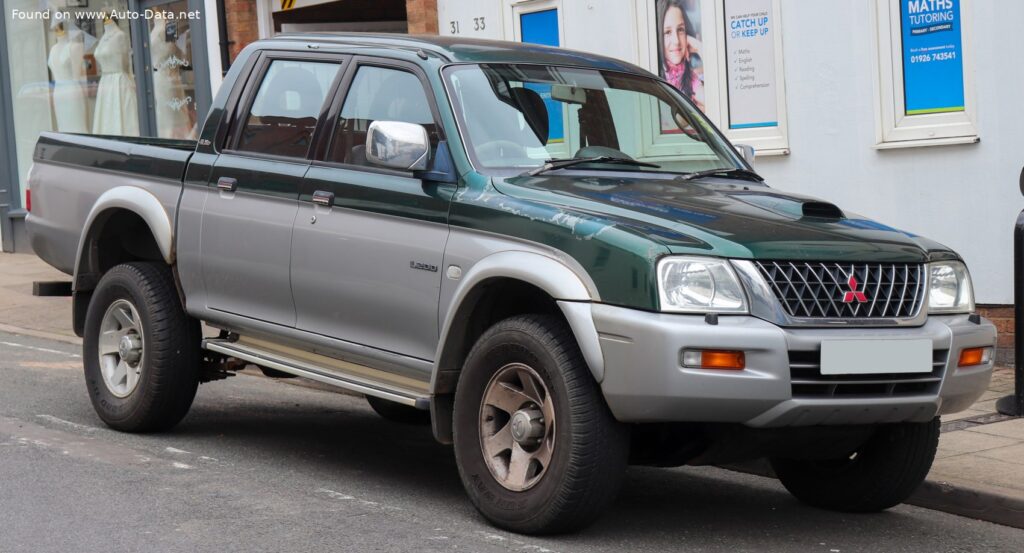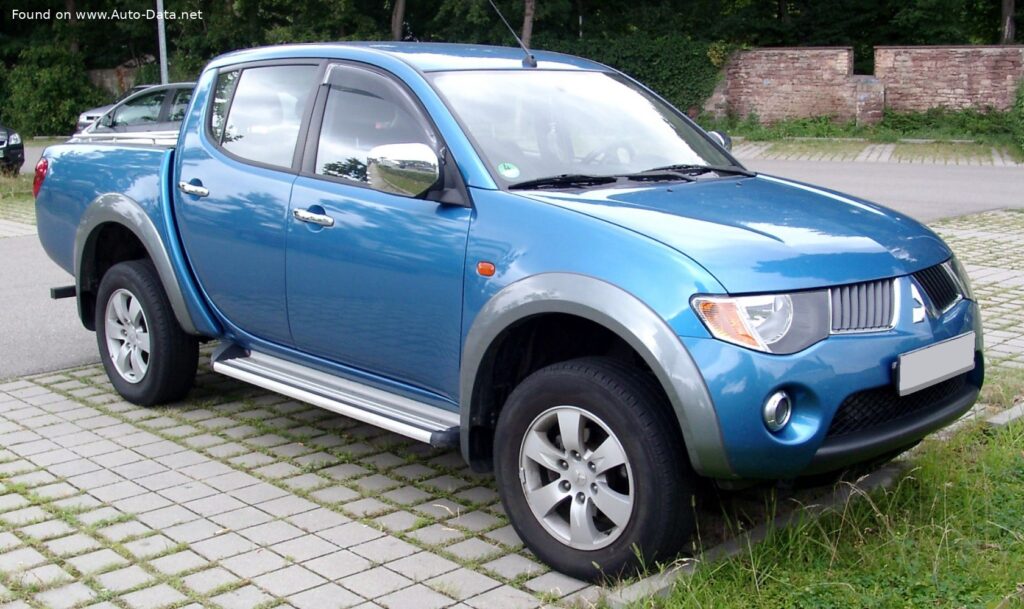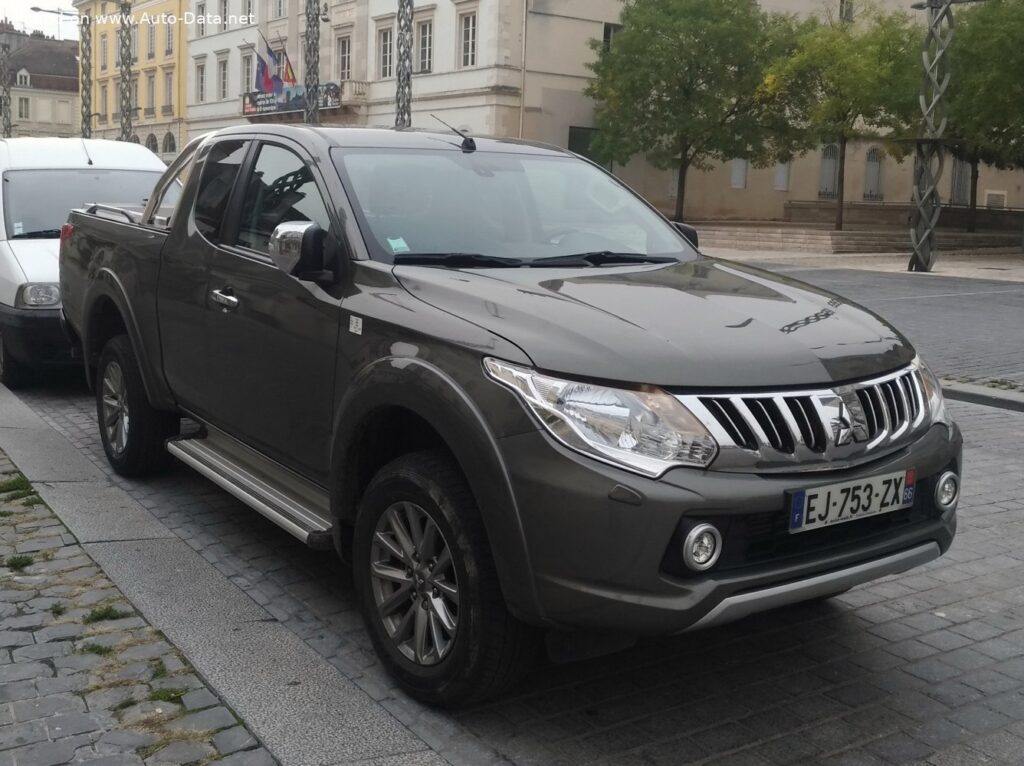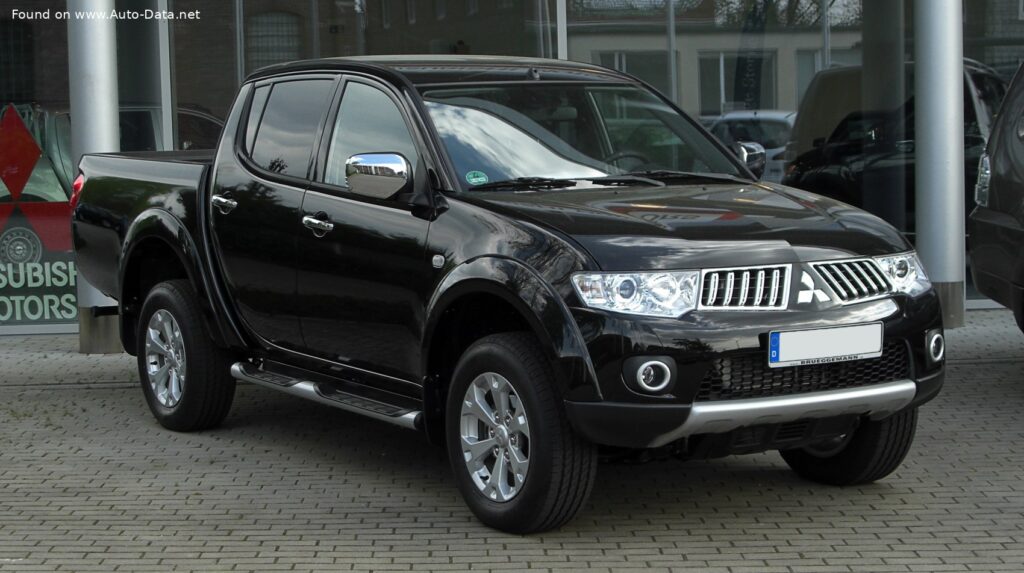
The Mitsubishi L200 IV Double Cab, specifically the facelifted version introduced in 2010, represented a significant update to Mitsubishi’s popular pickup truck line. This iteration, produced through 2015, offered a blend of practicality, durability, and increasingly, comfort features. Among the various engine and drivetrain configurations available, the 2.5 HP DI-D (178 Hp) Automatic variant occupied a middle ground, appealing to buyers seeking a balance between performance, fuel efficiency, and ease of use. It was positioned as a step up from the base engine options, offering more power for towing and hauling, while remaining more accessible than the range-topping trims.
The 2.5 HP DI-D Automatic: A Mid-Range Offering
The 2010-2015 facelift of the L200 IV Double Cab brought with it revised styling, improved interior appointments, and refinements to the engine lineup. The 2.5-liter HP DI-D engine, coupled with a five-speed automatic transmission, was a key component of this update. This combination aimed to provide a more relaxed driving experience compared to the standard manual transmission, particularly for those frequently operating in urban environments or undertaking long journeys. The Double Cab configuration, offering seating for five, further enhanced the L200’s versatility, making it suitable for both work and family use.
Powertrain & Engine Architecture
At the heart of this L200 variant lies the 4D56 2.5-liter four-cylinder diesel engine. This engine utilizes a high-pressure direct injection (HP DI-D) common rail system, delivering fuel directly into the combustion chamber at extremely high pressure. This technology, coupled with a turbocharger and intercooler, optimizes combustion efficiency and maximizes power output. The engine produces 178 horsepower at 3750 rpm and 350 Nm (258.15 lb-ft) of torque between 1800 and 3500 rpm. The longitudinal engine layout contributes to a balanced weight distribution. The five-speed automatic transmission was chosen for its smooth operation and convenience, although it wasn’t known for being particularly sporty or fuel-efficient compared to more modern automatic gearboxes. The transmission features standard torque converter technology and electronically controlled shifting.
Driving Characteristics
The 2.5 HP DI-D Automatic L200 delivers a respectable, if not exhilarating, driving experience. Acceleration from 0 to 100 km/h (0-62 mph) takes approximately 13 seconds, while 0-60 mph is achieved in around 12.4 seconds. Top speed is rated at 175 km/h (108.74 mph). The automatic transmission provides smooth gear changes under normal driving conditions, but can sometimes feel hesitant during quick acceleration or when attempting to downshift for overtaking. The engine’s torque peak, available across a broad rev range, makes it well-suited for hauling loads and tackling moderate inclines. Compared to the manual transmission versions of the same engine, the automatic sacrifices some responsiveness, but gains in overall comfort and ease of driving. It also falls short of the performance offered by higher-output engine options, such as the 2.5-liter variants with increased power tuning.
Equipment & Trim Levels
The 2.5 HP DI-D Automatic typically came equipped with a reasonable level of standard features. These generally included air conditioning, power windows, power door locks, and a basic audio system. Higher trim levels, often denoted by designations like “GLX” or “Instyle,” added features such as alloy wheels, a more sophisticated audio system with Bluetooth connectivity, leather upholstery, and climate control. Optional extras could include a sunroof, navigation system, and parking sensors. The interior design, while functional, was not particularly luxurious, focusing on durability and practicality rather than premium materials. The Double Cab configuration provided ample space for passengers in both the front and rear seats, although rear legroom could be somewhat limited depending on the front seat position.
Chassis & Braking
The L200 IV Double Cab utilizes a robust chassis designed to withstand the demands of pickup truck usage. The front suspension consists of independent torsion bars with a double wishbone setup, providing a comfortable ride and good handling characteristics. The rear suspension employs an elastic beam design, which is simpler and more durable, but less refined than a fully independent setup. Braking duties are handled by ventilated discs at the front and drum brakes at the rear. Anti-lock Braking System (ABS) is standard, enhancing safety during emergency braking situations. The steering system is a rack and pinion type, offering precise and responsive steering feel. The kerb weight of approximately 1915 kg (4221.85 lbs) contributes to the vehicle’s stability and overall driving dynamics.
Market Reception & Comparison
The Mitsubishi L200 IV Double Cab, in its various configurations, enjoyed a strong reputation for reliability and durability. The 2.5 HP DI-D Automatic variant was generally well-received by critics as a practical and versatile option. Fuel economy figures were respectable for a vehicle of its size and type, with combined fuel consumption averaging around 8.5 l/100 km (27.7 US mpg, 33.2 UK mpg). Compared to other trims in the L200 lineup, the 2.5 HP DI-D Automatic offered a good balance between performance and fuel efficiency. It was more economical than the higher-output engine options, but provided more power than the base engine models. In terms of reliability, the 4D56 engine proved to be generally robust, although regular maintenance, including oil changes and filter replacements, was crucial for long-term durability. Compared to competitors like the Toyota Hilux and Nissan Navara, the L200 offered a competitive package in terms of price, features, and overall value.
Technical Specifications
| Brand | Mitsubishi |
| Model | L200 |
| Generation | L200 IV Double Cab (facelift 2010) |
| Type (Engine) | 2.5 HP DI-D (178 Hp) Automatic |
| Start of production | 2010 |
| End of production | 2015 |
| Fuel consumption (urban) | 10.2 l/100 km (23.1 US mpg, 27.7 UK mpg) |
| Fuel consumption (extra urban) | 7.6 l/100 km (30.9 US mpg, 37.2 UK mpg) |
| Fuel consumption (combined) | 8.5 l/100 km (27.7 US mpg, 33.2 UK mpg) |
| Fuel Type | Diesel |
| Acceleration 0-100 km/h | 13 sec |
| Acceleration 0-62 mph | 13 sec |
| Acceleration 0-60 mph | 12.4 sec |
| Maximum speed | 175 km/h (108.74 mph) |
| Emission standard | Euro 5 |
| Power | 178 Hp @ 3750 rpm |
| Torque | 350 Nm @ 1800-3500 rpm (258.15 lb.-ft.) |
| Engine layout | Front, Longitudinal |
| Engine Model/Code | 4D56 |
| Engine displacement | 2477 cm3 (151.16 cu. in.) |
| Fuel injection system | Diesel Commonrail |
| Engine aspiration | Turbocharger, Intercooler |
| Engine oil capacity | 6.4 l (6.76 US qt | 5.63 UK qt) |
| Coolant capacity | 8.2 l (8.66 US qt | 7.21 UK qt) |
| Kerb Weight | 1915 kg (4221.85 lbs) |
| Fuel tank capacity | 75 l (19.81 US gal | 16.5 UK gal) |
| Length | 5185 mm (204.13 in) |
| Width | 1750 mm (68.9 in) |
| Height | 1775 mm (69.88 in) |
| Wheelbase | 3000 mm (118.11 in) |
| Number of gears and type of gearbox | 5 gears, automatic transmission |
Legacy
The 2.5 HP DI-D Automatic powertrain in the Mitsubishi L200 IV Double Cab has proven to be relatively reliable in the long term, provided it has been properly maintained. While not without its potential issues – such as turbocharger wear and common rail injector problems – these are generally manageable with regular servicing. On the used car market, these L200s represent a good value proposition for buyers seeking a capable and durable pickup truck. They are often found with reasonable mileage and at affordable prices. The combination of a diesel engine, automatic transmission, and Double Cab configuration makes them particularly appealing to those who need a versatile vehicle for both work and personal use. However, potential buyers should be aware of the age-related wear and tear that may be present and should thoroughly inspect the vehicle before making a purchase.