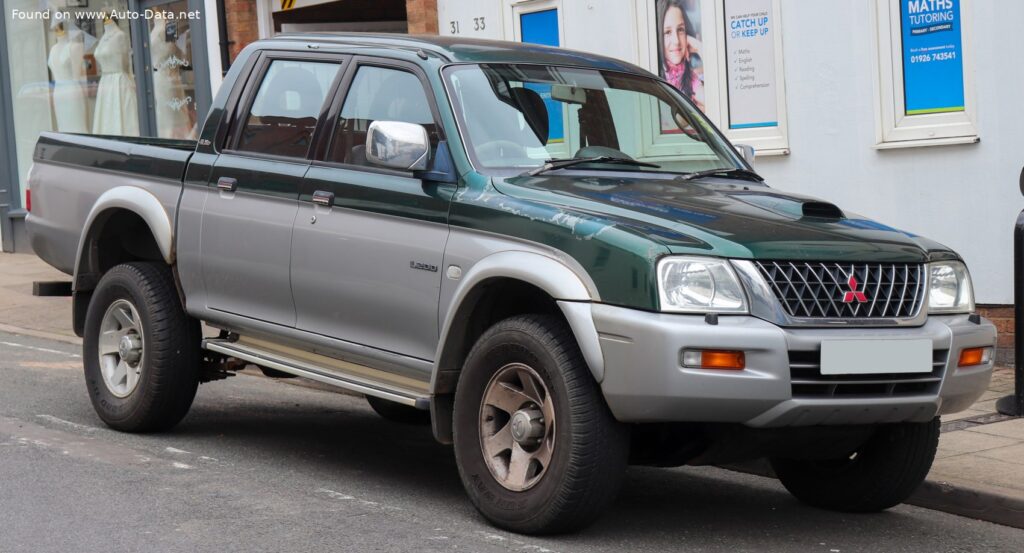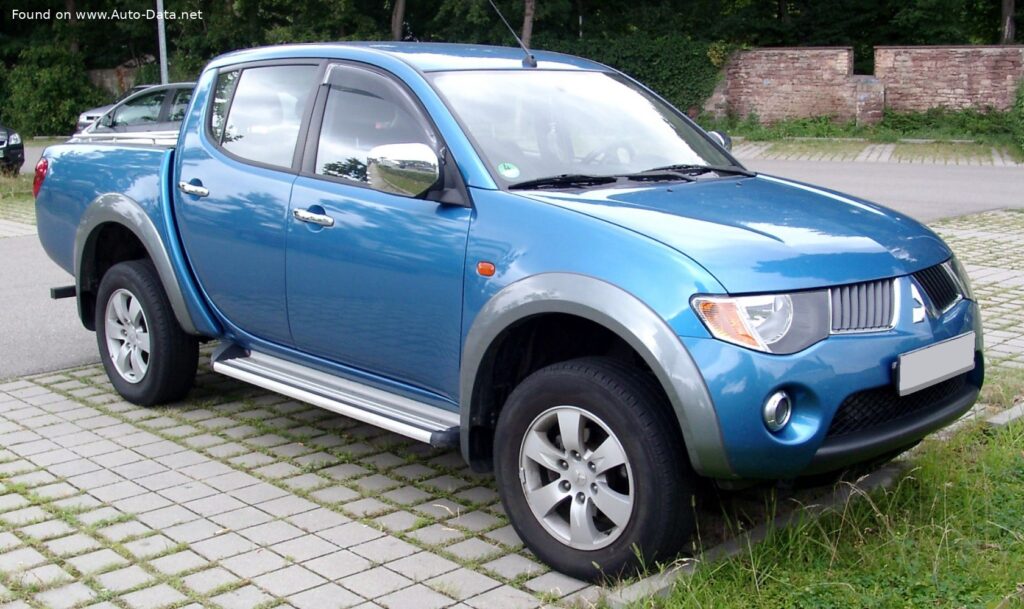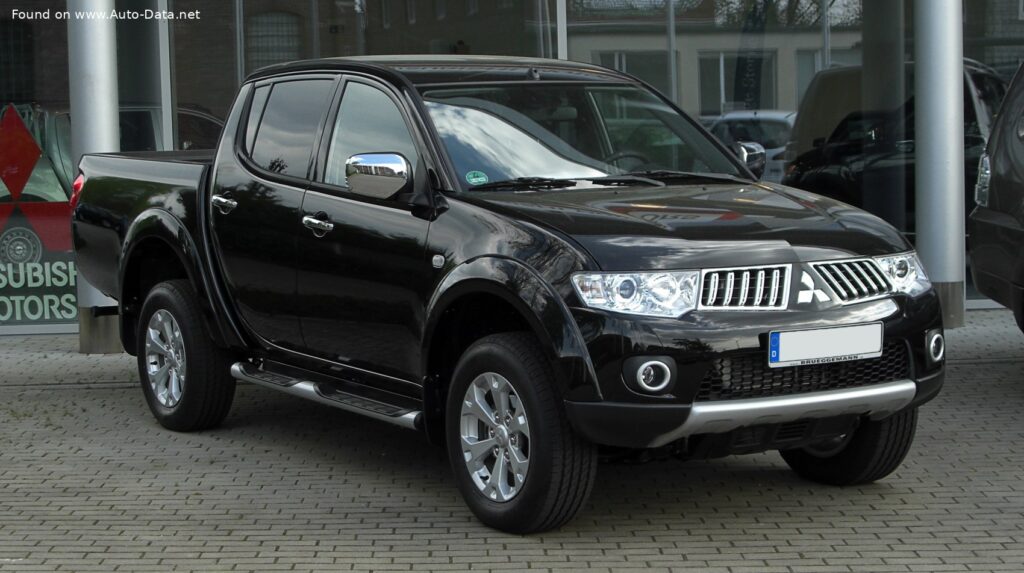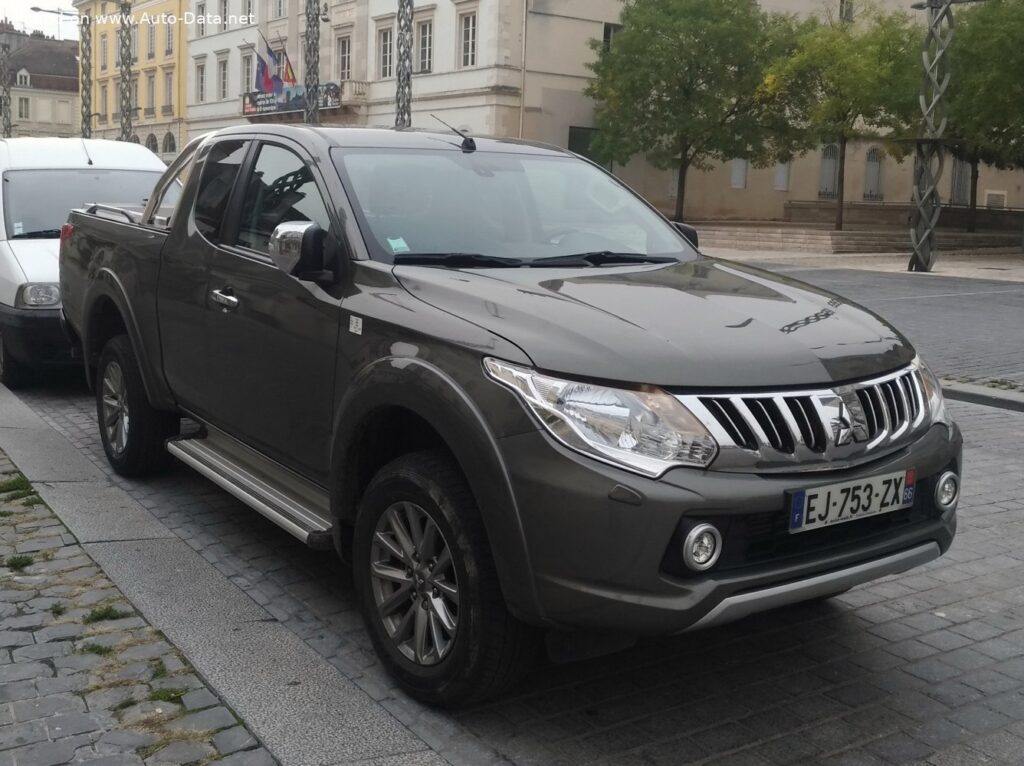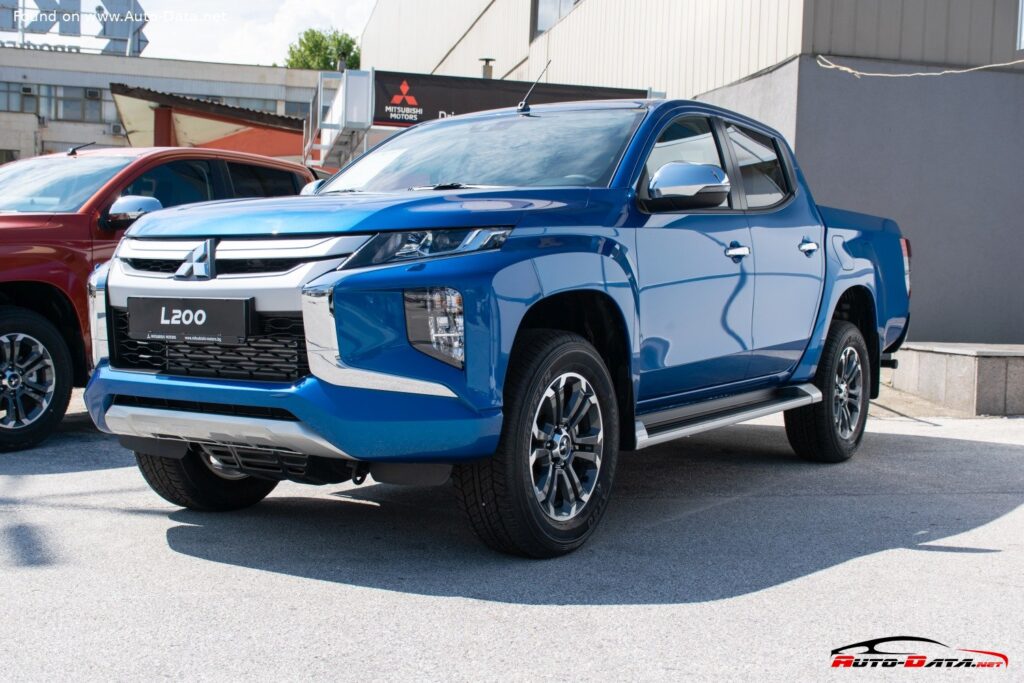
The Mitsubishi L200, marketed as the Triton in many regions, is a long-running series of pickup trucks produced by Mitsubishi Motors since 1978. The fifth generation, launched in 2015 and receiving a significant facelift in 2019, continued this legacy. This article focuses specifically on the Mitsubishi L200 V Double Cab (facelift 2019) 2.3d (150 hp) 4WD Automatic, produced from September 2019 through 2023. This variant represented a key offering within the L200 range, balancing capability with a degree of comfort and refinement aimed at both commercial and private buyers in markets like Europe, Asia, Australia, and Latin America.
The 2019 Facelift: Enhancing a Proven Platform
The 2019 facelift for the L200 V Double Cab was more than just a cosmetic update. While the core chassis and mechanical components remained largely unchanged from the 2015 model, the exterior styling was comprehensively revised to align with Mitsubishi’s “Dynamic Shield” design language, also seen on vehicles like the Outlander and Pajero Sport. This included a redesigned front fascia with a bolder grille, sleeker headlights, and a more sculpted bumper. The rear also received updates, including new taillights and a revised tailgate. Beyond aesthetics, the facelift incorporated improvements to the suspension tuning and steering feel, aiming to enhance ride quality and handling. The goal was to maintain the L200’s reputation for durability and off-road prowess while elevating its appeal to buyers seeking a more modern and comfortable pickup truck. This iteration competed directly with popular models like the Toyota Hilux, Ford Ranger (international market versions), Isuzu D-Max, and Nissan Navara.
Powertrain & Engine Architecture
The L200 V Double Cab (facelift 2019) 2.3d 4WD Automatic is powered by the 4N14 2.3-liter inline four-cylinder diesel engine. This engine displaces 2,268 cubic centimeters (138.4 cubic inches) and produces 150 horsepower (112 kW) at 3,500 rpm and 380 Nm (280 lb-ft) of torque between 1,500 and 2,500 rpm. The 4N14 engine utilizes a common-rail direct injection system, delivering fuel at extremely high pressure for improved combustion efficiency and reduced emissions. It features a double overhead camshaft (DOHC) valvetrain with four valves per cylinder, optimizing airflow for enhanced performance. A turbocharger with an intercooler further boosts power and torque output. The engine is constructed with a cast iron block and an aluminum cylinder head, balancing durability with weight reduction.
The automatic transmission paired with this engine is a five-speed unit. While not the most modern transmission available at the time, it was chosen for its robustness and reliability. The transmission features electronically controlled torque converter lock-up, improving fuel efficiency at cruising speeds. Gear ratios are tuned to prioritize low-end torque for off-road capability and towing, rather than outright acceleration. The 4WD system is selectable, offering 2H (two-wheel drive high range), 4H (four-wheel drive high range), and 4L (four-wheel drive low range) modes. An electronic transfer case allows the driver to switch between modes on the fly (from 2H to 4H) at lower speeds.
Engine Codes and Variations
The 4N14 engine was available in various states of tune depending on the market. While the 150 hp version was common in Europe and Australia, other regions received higher-output variants. The engine was designed to meet stringent emissions standards, incorporating technologies like diesel particulate filters (DPF) and selective catalytic reduction (SCR) systems (depending on the market) to reduce harmful emissions.
Driving Characteristics
The 2019 L200 V Double Cab 2.3d Automatic delivers a driving experience focused on practicality and capability rather than sporty performance. The 150 hp engine provides adequate power for everyday driving and moderate towing duties, but it’s not particularly quick. Acceleration is linear, with the engine delivering strong low-end torque that makes it well-suited for off-road conditions and hauling loads. The five-speed automatic transmission shifts smoothly, but can feel somewhat dated compared to more modern six- or eight-speed transmissions. The gear ratios are spaced to maximize torque delivery, resulting in a relatively low cruising speed for optimal fuel economy. Compared to higher-output versions of the L200, or competitors with more powerful engines, this variant feels less responsive and requires more planning when overtaking. However, its simplicity and robustness contribute to its long-term reliability.
Equipment & Trim Levels
The “V” trim level in the L200 range typically represented a mid-range offering, positioned above the base models and below the more luxurious variants. Standard equipment on the 2019 facelift included air conditioning, power windows, power door locks, a basic audio system with Bluetooth connectivity, and alloy wheels. Safety features included dual front airbags, ABS brakes, and electronic stability control. The Double Cab configuration provided seating for five passengers, with a spacious rear cabin. Optional extras available for this trim included a touchscreen infotainment system with navigation, a reversing camera, parking sensors, leather upholstery, and a sunroof. The interior materials were generally durable and practical, reflecting the L200’s work-oriented nature. The dashboard layout was functional and straightforward, with easy-to-use controls.
Chassis & Braking
The L200 V Double Cab (facelift 2019) utilizes a body-on-frame construction, providing a robust and durable platform for demanding applications. The front suspension consists of double wishbones with coil springs and stabilizer bar, while the rear suspension employs leaf springs. The leaf spring rear suspension is a traditional design choice for pickup trucks, offering high load-carrying capacity and durability. The braking system features ventilated disc brakes on the front wheels and drum brakes on the rear wheels. The drum brakes on the rear were a cost-saving measure, common in this class of vehicle. The steering system is a hydraulic power-assisted rack and pinion system, providing responsive and predictable handling. A stabilizer bar is fitted to the front suspension to reduce body roll during cornering.
Market Reception & Comparison
The Mitsubishi L200 V Double Cab (facelift 2019) 2.3d Automatic was generally well-received by automotive critics as a capable and reliable workhorse. Reviewers praised its rugged construction, comfortable ride (especially after the facelift), and strong off-road performance. However, some criticized the dated five-speed automatic transmission and the relatively modest power output compared to some competitors. Fuel economy was considered reasonable for a vehicle of its size and type, averaging around 31-35 mpg (combined cycle) depending on driving conditions. Compared to the higher-output versions of the L200, this 150 hp variant offered a more affordable price point and potentially better fuel economy, but at the expense of performance. Compared to rivals like the Toyota Hilux and Ford Ranger, the L200 often offered a more competitive price and a longer warranty, making it an attractive option for budget-conscious buyers.
Technical Specifications
| Engine Type | 2.3L Inline-4 Diesel |
| Engine Code | 4N14 |
| Displacement | 2,268 cc (138.4 cu in) |
| Horsepower | 150 hp (112 kW) @ 3,500 rpm |
| Torque | 380 Nm (280 lb-ft) @ 1,500-2,500 rpm |
| Fuel Injection | Common Rail Direct Injection |
| Valvetrain | DOHC, 4 valves per cylinder |
| Turbocharger | Yes, with Intercooler |
| Transmission | 5-speed Automatic |
| Drivetrain | 4WD (Selectable: 2H, 4H, 4L) |
| Front Suspension | Double Wishbones, Coil Springs, Stabilizer Bar |
| Rear Suspension | Leaf Springs |
| Front Brakes | Ventilated Discs |
| Rear Brakes | Drums |
| Curb Weight | Approximately 2,050 kg (4,520 lbs) |
| Fuel Tank Capacity | 75 liters (19.8 gallons) |
Legacy
The Mitsubishi L200 V Double Cab (facelift 2019) 2.3d Automatic has proven to be a reliable and durable vehicle, with many examples still in service today. The 4N14 engine, while not known for being particularly refined, is generally considered robust and capable of high mileage with proper maintenance. The five-speed automatic transmission, while dated, is also known for its durability. On the used car market, these L200s represent a good value proposition for buyers seeking a capable and affordable pickup truck. Common maintenance issues include diesel particulate filter (DPF) clogging (if equipped) and wear and tear on suspension components. Overall, this variant of the L200 continues to hold its own as a practical and dependable workhorse, maintaining Mitsubishi’s reputation for building tough and reliable vehicles.