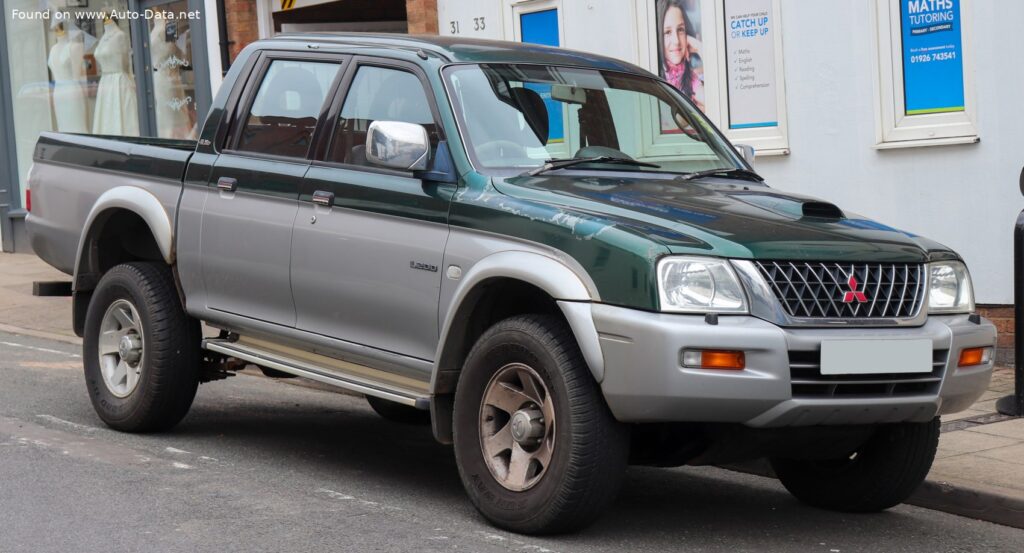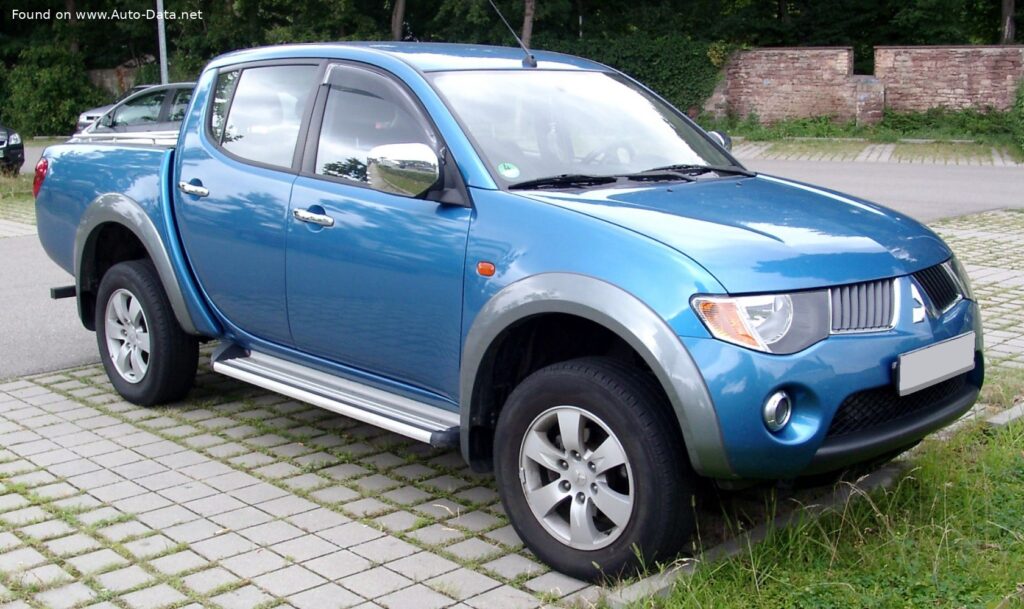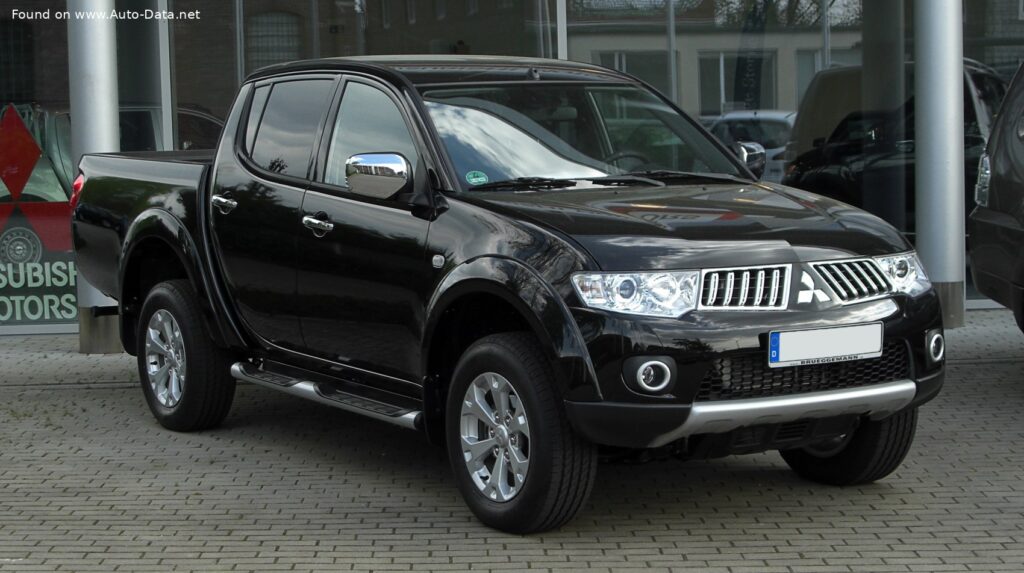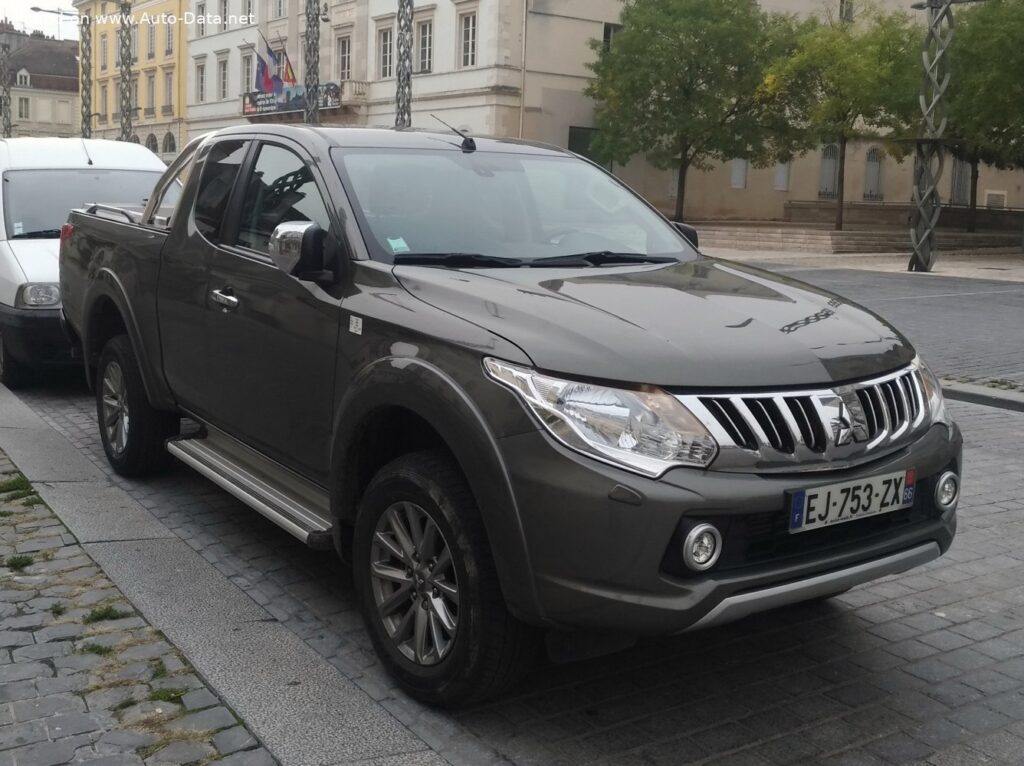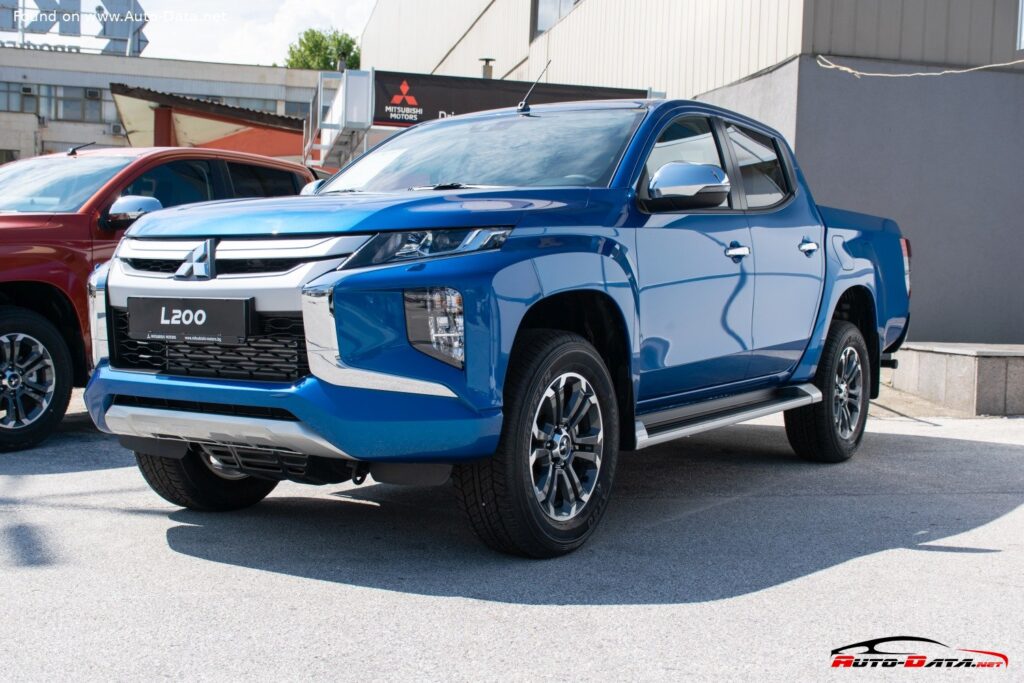
The Mitsubishi L200 V Double Cab (facelift 2019) 2.4 MIVEC (181 Hp) represents a significant evolution of Mitsubishi Motors’ globally recognized mid-size pickup truck. Produced from 2019 to 2023, this iteration builds upon the L200’s established reputation for durability and off-road capability, incorporating design and technological updates. While not sold as the L200 in the United States, it’s a prominent vehicle in markets across Europe, Asia, Australia, and South America. The 2.4 MIVEC (181 Hp) variant offered a balance of power, efficiency, and refinement, appealing to both commercial and recreational users, and positioned itself as a mid-range offering within the broader L200 lineup.
Powertrain & Engine Architecture
The core of the Mitsubishi L200 V Double Cab (facelift 2019) 2.4 MIVEC (181 Hp) is the 4N15 2.4-liter inline four-cylinder diesel engine. This powerplant showcases modern diesel technology, prioritizing both performance and fuel economy. The MIVEC (Mitsubishi Innovative Valve timing Electronic Control) system, typically found in gasoline engines, is adapted to optimize valve timing for the diesel cycle, enhancing power delivery and efficiency across the engine’s operating range.
The engine produces 181 horsepower at 3500 rpm, providing sufficient power for towing, hauling, and highway driving. Crucially for a pickup, the torque output is substantial, peaking at 430 Nm (317.15 lb.-ft.) at 2500 rpm. This low-end torque is vital for off-road performance and pulling heavy loads. The power-to-liter ratio of 74.1 hp/liter highlights the engine’s efficiency.
A turbocharger and intercooler further enhance performance. The turbocharger increases air intake for more complete combustion and higher power, while the intercooler cools the compressed air, increasing its density and improving efficiency. Fuel delivery is managed by a Diesel Commonrail injection system, precisely controlling fuel injection for optimal combustion and reduced emissions. The engine features a compression ratio of 14.9:1 and a DOHC valvetrain with four valves per cylinder, contributing to both power and longevity. The engine is longitudinally mounted in the front of the vehicle.
Power is transmitted to the rear wheels through a six-speed manual transmission, offering drivers precise control. While many L200 models utilize Mitsubishi’s Super Select 4WD-II system, this specific variant is primarily rear-wheel drive, positioning it as a capable 2WD work truck or a base model in certain markets.
Driving Characteristics
The 2.4 MIVEC engine, paired with the six-speed manual transmission, delivers a driving experience focused on practicality and efficiency. While not offering the outright acceleration of higher-output variants, the 181 hp engine provides ample power for everyday tasks and moderate towing. The substantial low-end torque is particularly noticeable during acceleration from a standstill or when climbing inclines. The manual transmission allows for precise gear selection, enabling drivers to maintain optimal engine speed for the task at hand.
Compared to potential higher-output versions, the 2.4 MIVEC offers a more relaxed driving experience, prioritizing fuel economy and ease of use over outright performance. The rear-wheel-drive configuration contributes to a slightly lighter feel and improved fuel efficiency compared to four-wheel-drive models. However, it does limit off-road capability in extremely challenging conditions. The gear ratios are tuned for a balance between acceleration and fuel efficiency, with a focus on maximizing torque in the lower gears for hauling and towing.
Equipment & Trim Levels
The L200 V Double Cab (facelift 2019) 2.4 MIVEC (181 Hp) typically served as a mid-range trim level, offering a balance of features and affordability. Standard equipment generally included air conditioning, power windows, power door locks, and a basic audio system. The Double Cab body style provided seating for five passengers, with a spacious cabin and a versatile cargo bed. Interior upholstery was typically cloth, with durable and practical materials used throughout the cabin.
Optional extras varied depending on the market but often included alloy wheels, a more advanced audio system with touchscreen display, rear parking sensors, a reversing camera, and upgraded interior trim. Some models also offered features such as cruise control, automatic climate control, and keyless entry. The dashboard configuration was functional and straightforward, prioritizing ease of use and durability. Safety features typically included ABS (Anti-lock Braking System) and driver and passenger airbags.
Chassis & Braking
The L200 V Double Cab (facelift 2019) features a robust chassis designed to withstand the demands of commercial use and off-road driving. The front suspension utilizes a double-wishbone configuration, providing a comfortable ride and precise steering. The rear suspension employs a dependent suspension system with two longitudinal semi-elliptic leaf springs, known for its durability and load-carrying capacity.
Braking is handled by ventilated discs at the front for effective stopping power, complemented by drum brakes at the rear. This configuration is common in this segment, offering a balance of performance and cost-effectiveness. The Anti-lock Braking System (ABS) prevents wheel lock-up during hard braking, maintaining steering control. Steering is managed by a rack and pinion system with electric power steering, making the large pickup relatively easy to maneuver. Tire sizes range from 245/70 R16 to 265/60 R18, depending on the trim level and market.
Market Reception & Comparison
The Mitsubishi L200 V Double Cab (facelift 2019) 2.4 MIVEC (181 Hp) generally received positive reviews for its reliability, durability, and practicality. Critics praised the engine’s fuel efficiency and ample torque, making it well-suited for both work and leisure. However, some noted that the 181 hp output was not as powerful as some competitors, particularly when towing heavy loads.
Compared to other trims in the L200 lineup, the 2.4 MIVEC offered a compelling value proposition. It provided a good balance of performance and fuel economy at a more affordable price point than higher-output variants. Compared to the more powerful engines, it offered better fuel economy, making it a popular choice for drivers who prioritize cost-effectiveness. Against competitors like the Toyota Hilux and Ford Ranger, the L200 offered a competitive level of equipment and capability, often at a lower price. Its reputation for reliability and durability also gave it an edge in certain markets.
Technical Specifications
| Category | Specification |
| Brand | Mitsubishi |
| Model | L200 V Double Cab (facelift 2019) |
| Engine Type | 2.4 MIVEC (181 Hp) |
| Production Years | 2019 – 2023 |
| Body Type | Pick-up, 4 Doors, 5 Seats |
| Fuel Type | Diesel |
| Power | 181 Hp @ 3500 rpm |
| Power per liter | 74.1 Hp/l |
| Torque | 430 Nm (317.15 lb.-ft.) @ 2500 rpm |
| Engine Layout | Front, Longitudinal |
| Engine Model/Code | 4N15 |
| Engine Displacement | 2442 cm³ (149.02 cu. in.) |
| Number of Cylinders | 4, Inline |
| Cylinder Bore | 86 mm (3.39 in.) |
| Piston Stroke | 105.1 mm (4.14 in.) |
| Compression Ratio | 14.9:1 |
| Valves per Cylinder | 4 |
| Fuel Injection System | Diesel Commonrail |
| Engine Aspiration | Turbocharger, Intercooler |
| Valvetrain | DOHC |
| Engine Oil Capacity | 8.4 l (8.88 US qt) |
| Coolant Capacity | 7.7 l (8.14 US qt) |
| Fuel Tank Capacity | 75 l (19.81 US gal) |
| Length | 5300 mm (208.66 in.) |
| Width | 1815 mm (71.46 in.) |
| Height | 1780-1795 mm (70.08 – 70.67 in.) |
| Wheelbase | 3000 mm (118.11 in.) |
| Front Track | 1520 mm (59.84 in.) |
| Rear Track | 1515 mm (59.65 in.) |
| Ground Clearance | 205-220 mm (8.07 – 8.66 in.) |
| Minimum Turning Circle | 11.8 m (38.71 ft.) |
| Approach Angle | 30.0-31.0° |
| Departure Angle | 22.0-23.0° |
| Ramp-over Angle | 24.0-25.0° |
| Drivetrain Architecture | Internal Combustion engine drives rear wheels |
| Drive Wheel | Rear wheel drive |
| Gearbox | 6 gears, manual transmission |
| Front Suspension | Double wishbone |
| Rear Suspension | Dependent suspension of two longitudinal semi-elliptic leaf springs |
| Front Brakes | Ventilated discs |
| Rear Brakes | Drum |
| Assisting Systems | ABS (Anti-lock braking system) |
| Steering Type | Steering rack and pinion, Electric Steering |
| Tire Sizes | 245/70 R16; 245/65 R17; 265/60 R18 |
| Wheel Rim Sizes | 16; 17; 18 |
Legacy
The Mitsubishi L200 V Double Cab (facelift 2019) 2.4 MIVEC (181 Hp) powertrain has proven to be remarkably reliable. The 4N15 engine is known for its durability and longevity, even under demanding conditions. In the used car market, these models are generally well-regarded, commanding reasonable prices reflecting their proven track record. Regular maintenance, including timely oil changes and filter replacements, is crucial for ensuring continued reliability.
While diesel engines can be susceptible to issues with the fuel injection system and turbocharger, the 4N15 has demonstrated a relatively low incidence of these problems when properly maintained. The simplicity of the rear-wheel-drive configuration also contributes to its reliability, reducing the number of components that could potentially fail. Overall, the L200 V Double Cab (facelift 2019) 2.4 MIVEC (181 Hp) represents a solid and dependable choice for buyers seeking a practical and durable pickup truck.