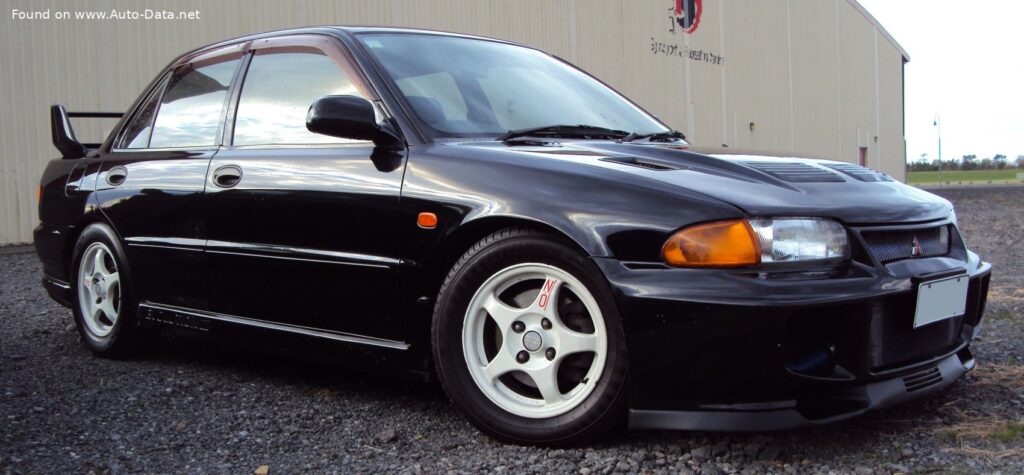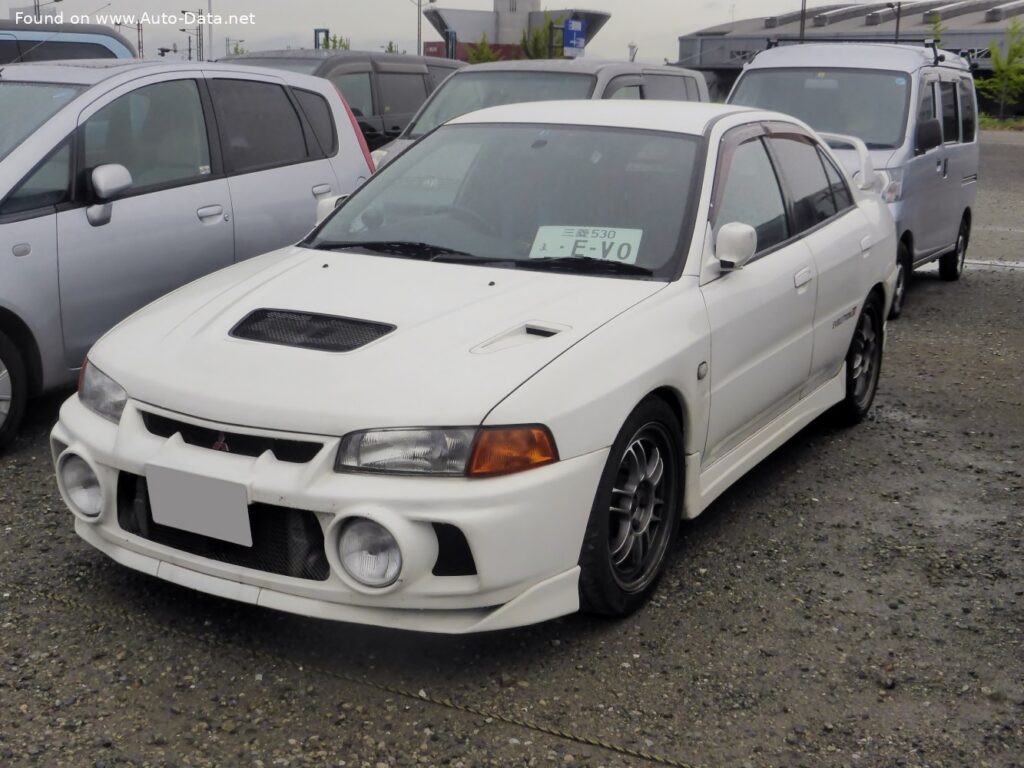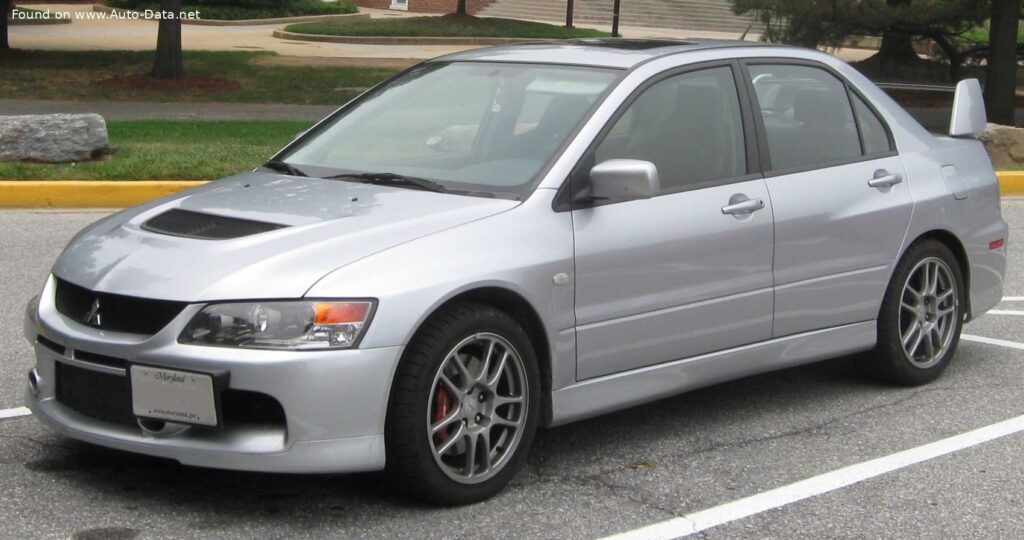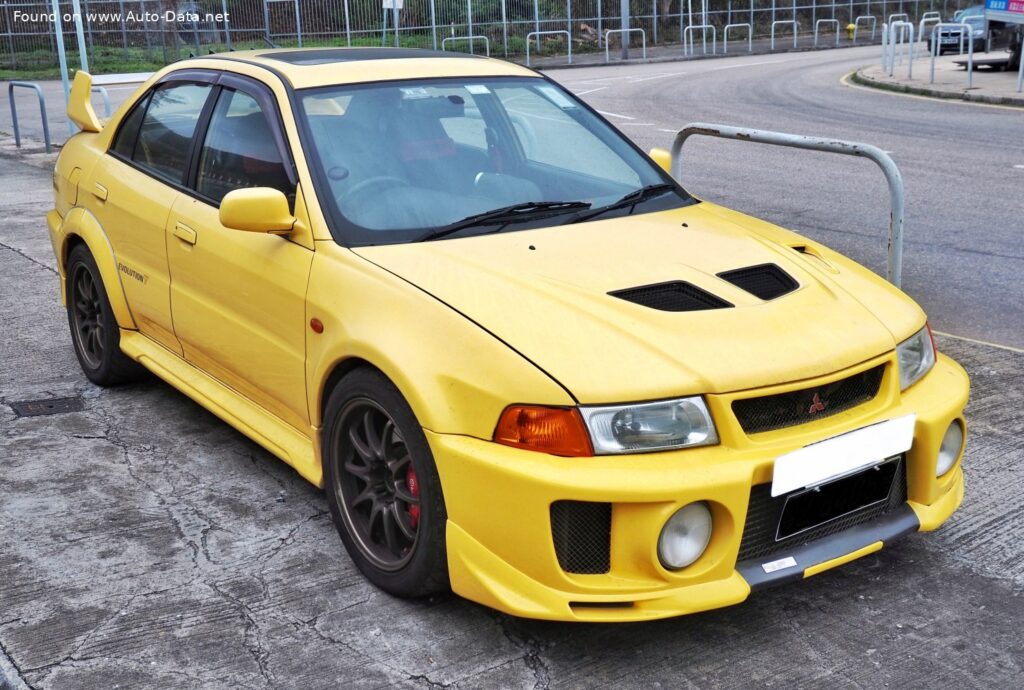
The Mitsubishi Lancer Cedia 1.5i (105 Hp) represents a significant evolution in Mitsubishi’s Lancer compact car lineage. Introduced in 2000, the Cedia generation marked a departure from previous models, featuring a more contemporary design, improved safety features, and advanced powertrain technology. Primarily targeted towards the Japanese Domestic Market (JDM) and various Asian markets, the Cedia – an acronym for “Century Diamond” – embodied Mitsubishi’s vision for the new millennium: a combination of sophistication, efficiency, and practicality. This specific variant, equipped with the 1.5-liter engine producing 105 horsepower, was positioned as an economical and sensible option within the lineup, appealing to drivers prioritizing reliability and fuel efficiency without compromising modern conveniences.
During its production run from 2000 to 2004, the Lancer Cedia demonstrated Mitsubishi’s engineering capabilities, particularly in powertrain refinement and interior ergonomics. While not sold in the United States under the “Cedia” name, its platform and technological advancements influenced later Lancer models that were available in North America. The Lancer Cedia 1.5i (105 Hp) was a testament to Mitsubishi’s commitment to delivering a well-rounded compact sedan suitable for urban commuting and family transportation in its core markets.
Powertrain & Engine Architecture
The Mitsubishi Lancer Cedia 1.5i (105 Hp) was powered by Mitsubishi’s 4G15 engine, a naturally aspirated, inline four-cylinder unit. This engine was known for its robust construction and efficiency. It featured a Double Overhead Camshaft (DOHC) valvetrain with four valves per cylinder, totaling 16 valves. A key technological feature for its class was the implementation of a multi-point fuel injection system, which improved fuel atomization, leading to better combustion efficiency, enhanced power delivery, and reduced emissions.
With a displacement of 1468 cubic centimeters (approximately 1.5 liters or 89.58 cubic inches), the 4G15 engine produced 105 horsepower at 6000 revolutions per minute (rpm). The power output per liter was 71.5 horsepower per liter, indicating a relatively efficient design for a naturally aspirated engine of that era. Torque output peaked at 103.26 lb-ft (140 Nm) at 3500 rpm. This broad torque band provided responsive acceleration and adequate pulling power for everyday driving, whether navigating city streets or cruising on highways.
The engine was mounted in a front, transverse layout, driving the front wheels through a four-speed automatic transmission. This front-wheel-drive configuration, coupled with the automatic gearbox, offered a comfortable and convenient driving experience, appealing to drivers who preferred the ease of an automatic over a manual transmission. While the manual transmission version offered a more engaging driving experience, the automatic version prioritized ease of use and accessibility.
Driving Characteristics
The 1.8L Automatic Lancer Cedia offered a comfortable and predictable driving experience. Compared to the five-speed manual version, the automatic transmission slightly diminished acceleration due to inherent torque converter losses. The four-speed automatic transmission featured relatively conservative gear ratios, prioritizing fuel economy over outright performance. First gear was geared for smooth take-offs, while higher gears were designed for efficient highway cruising. The automatic transmission shifted smoothly, but lacked the responsiveness of a modern transmission with more gears. Compared to higher-output Lancer variants, such as those equipped with larger engines, the 1.5i Automatic felt less powerful, particularly when fully loaded or climbing hills. However, it provided sufficient power for typical urban and suburban driving conditions.
Equipment & Trim Levels
The Lancer Cedia 1.5i (105 Hp) was typically offered in a single, well-equipped trim level in most markets. Standard features generally included power windows, power door locks, air conditioning, and a basic AM/FM radio with cassette player. Interior upholstery was typically cloth, available in a range of neutral colors. Optional extras, depending on the market, could include alloy wheels, a CD player, upgraded audio systems, and a sunroof. Safety features typically included dual front airbags and, in some markets, Anti-lock Braking System (ABS). The interior design prioritized functionality and ease of use, with logically placed controls and ample storage compartments.
Chassis & Braking
The Lancer Cedia 1.5i (105 Hp) utilized a MacPherson strut front suspension and a multi-link rear suspension. This suspension setup provided a comfortable ride quality while maintaining reasonable handling characteristics. The front suspension featured a stabilizer bar to reduce body roll during cornering. The rear suspension was tuned for comfort, prioritizing ride smoothness over sporty handling. Braking duties were handled by disc brakes on the front wheels and drum brakes on the rear wheels. ABS was often available as an option, enhancing braking performance and stability, particularly on slippery surfaces. The chassis was designed to be lightweight, contributing to improved fuel efficiency and handling.
Market Reception & Comparison
Critics generally viewed the Lancer Cedia 1.5i (105 Hp) as a sensible and reliable compact sedan. It was praised for its fuel efficiency, comfortable ride, and well-appointed interior. However, some critics noted that its performance was modest compared to rivals equipped with larger engines. Fuel economy was a strong point, typically achieving around 30-35 mpg in combined driving conditions. In terms of reliability, the Lancer Cedia enjoyed a good reputation, with few reported mechanical issues. Compared to other trims in the Lancer lineup, such as the 1.8L or 2.0L variants, the 1.5i Automatic was positioned as the entry-level model, appealing to budget-conscious buyers who prioritized fuel economy and practicality over performance. It offered a more affordable alternative to the higher-performance trims, while still providing a comfortable and well-equipped driving experience.
Technical Specifications
| Category | Specification |
| General Information | |
| Brand | Mitsubishi |
| Model | Lancer |
| Generation | Lancer Cedia |
| Type (Engine) | 1.5i (105 Hp) |
| Start of Production | 2000 |
| End of Production | 2004 |
| Powertrain Architecture | Internal Combustion engine |
| Body type | Sedan |
| Performance Specs | |
| Fuel Type | Petrol (Gasoline) |
| Power | 105 Hp @ 6000 rpm |
| Power per liter | 71.5 Hp/l |
| Torque | 140 Nm (103.26 lb-ft.) @ 3500 rpm |
| Engine Specs | |
| Engine layout | Front, Transverse |
| Engine Model/Code | 4G15 |
| Engine displacement | 1468 cm3 (1.5 liters / 89.58 cu. in.) |
| Number of cylinders | 4 |
| Engine configuration | Inline |
| Cylinder Bore | 75.5 mm (2.97 in.) |
| Piston Stroke | 82 mm (3.23 in.) |
| Number of valves per cylinder | 4 |
| Fuel injection system | Multi-point fuel injection |
| Engine aspiration | Naturally aspirated engine |
| Valvetrain | DOHC |
| Drivetrain, Brakes and Suspension Specs | |
| Drivetrain Architecture | The Internal combustion engine (ICE) drives the front wheels of the vehicle. |
| Drive wheel | Front wheel drive |
| Number of gears and type of gearbox | 4 gears, automatic transmission |
Legacy
The Mitsubishi Lancer Cedia 1.5i (105 Hp), along with its other variants, established a solid reputation for reliability and durability. The 4G15 engine proved to be a robust and long-lasting unit, with many examples still on the road today. In the used car market, the Cedia 1.5i Automatic is often sought after for its affordability, fuel efficiency, and ease of maintenance. While not a performance icon, it remains a practical and dependable choice for drivers seeking a reliable and economical compact sedan. Its legacy lies in its contribution to Mitsubishi’s reputation for building durable and well-engineered vehicles, and its influence on subsequent Lancer models.