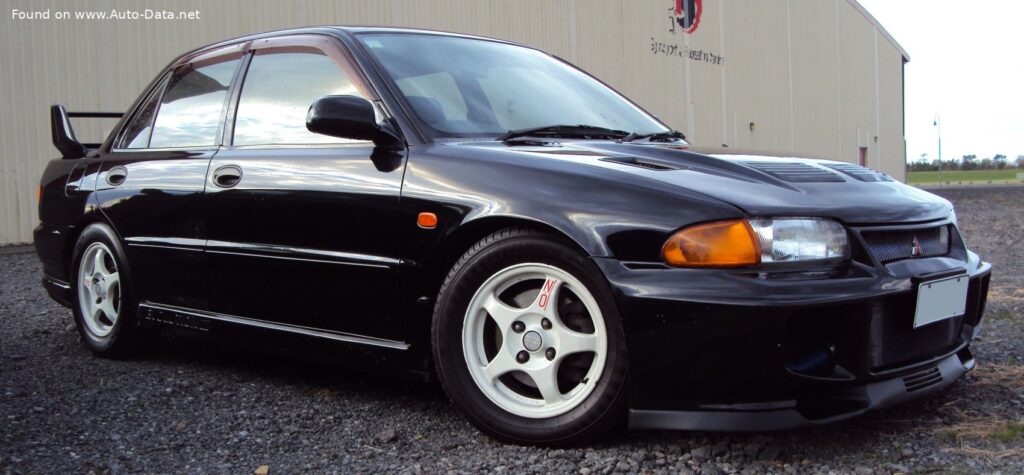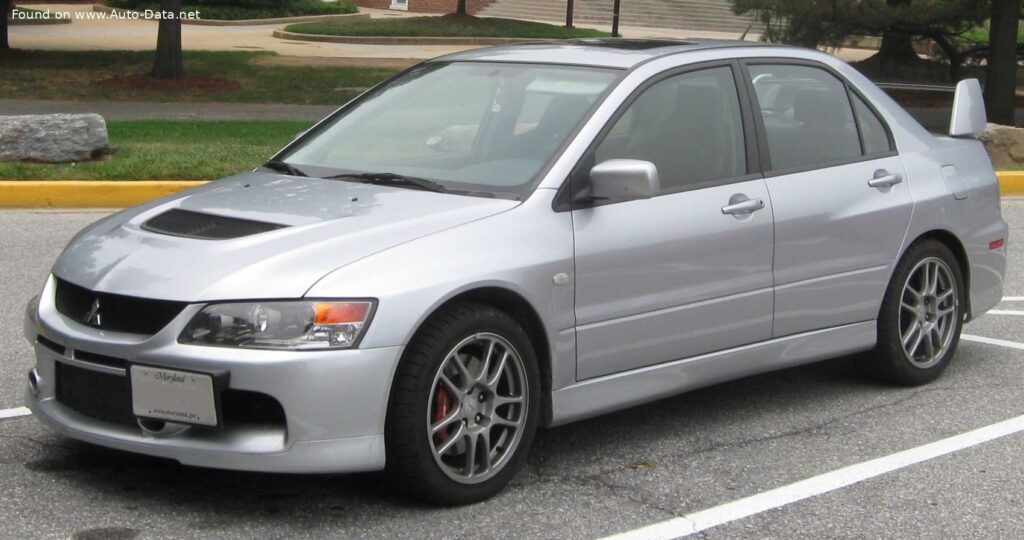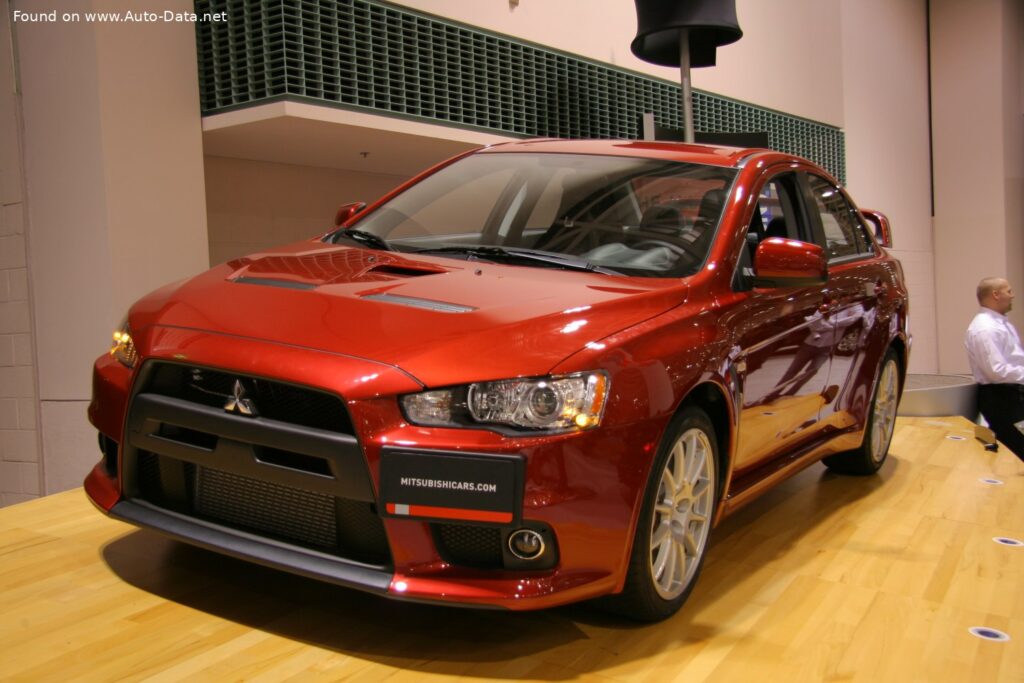
The Mitsubishi Lancer Evolution X represents the tenth and final generation of Mitsubishi’s iconic high-performance sports sedan, a lineage deeply rooted in rally motorsport. Launched in 2007 for the 2008 model year, the Evolution X marked a significant departure from its predecessors in terms of design, platform, and powertrain, yet it retained the core philosophy of a rally-bred street machine. This particular variant, the 2.0 MIVEC (295 Hp) S-AWC, produced between 2008 and 2010, exemplified the model’s formidable capabilities, combining a potent turbocharged engine with Mitsubishi’s highly advanced Super All-Wheel Control (S-AWC) system. Positioned in the highly competitive compact performance segment, the Lancer Evolution X aimed to fuse cutting-edge technology with the raw driving exhilaration that had defined the “Evo” name for over a decade.
Powertrain & Engine Architecture
At the core of the Mitsubishi Lancer Evolution X 2.0 MIVEC (295 Hp) S-AWC was the newly developed 4B11T engine, a 2.0-liter (1998 cm3 or 121.93 cu. in.) all-aluminum inline-four power plant. This engine represented a modernization over the previous 4G63 engine, featuring a DOHC valvetrain with Mitsubishi Innovative Valve timing Electronic Control (MIVEC) on both intake and exhaust camshafts. Equipped with a turbocharger and an intercooler, the 4B11T delivered a robust 295 horsepower at 6500 rpm, translating to an impressive power output of 147.6 horsepower per liter. Peak torque stood at 269.95 lb.-ft. (366 Nm) available at a relatively low 3500 rpm, providing a broad powerband ideal for both spirited driving and track performance.
The 4B11T engine utilized multi-port fuel injection, a system chosen for its responsiveness and ability to deliver precise fuel metering. The turbocharger was a twin-scroll design, contributing to reduced turbo lag and improved low-end torque. The engine block was constructed from aluminum alloy, reducing weight and improving thermal management. The standard transmission for this variant was a 5-speed manual, prioritizing driver engagement. While an automated manual transmission (TC-SST) was available on other Evo X trims, the 5-speed manual was the sole offering for this specific configuration.
Driving Characteristics
The 2.0 MIVEC (295 Hp) S-AWC variant of the Lancer Evolution X offered a distinctly engaging driving experience. Compared to the TC-SST equipped models, the 5-speed manual provided a more direct connection between driver and machine. The gear ratios were tuned for acceleration, with a relatively short final drive contributing to brisk off-the-line performance. While not as quick in purely objective acceleration tests as the TC-SST versions due to driver shift speed limitations, the manual transmission offered a more visceral and rewarding experience for enthusiasts.
The engine’s power delivery was linear and predictable, with minimal turbo lag thanks to the twin-scroll turbocharger. The broad torque curve made the car tractable in everyday driving situations, while the high-revving nature of the engine encouraged spirited driving. The S-AWC system played a crucial role in enhancing handling, allowing the car to maintain composure even under hard acceleration and cornering. Compared to the base Lancer, the Evo X’s suspension and chassis tuning were significantly stiffer, resulting in a more focused, less comfortable ride.
Equipment & Trim Levels
The 2.0 MIVEC (295 Hp) S-AWC variant of the Lancer Evolution X was positioned as a performance-focused trim, offering a comprehensive set of features geared towards driving enthusiasts. Standard equipment included sport seats with supportive bolstering, a unique instrument cluster with performance data displays, and a leather-wrapped steering wheel. The interior trim was typically finished in black with red accents, emphasizing the car’s sporty character.
While not as lavishly equipped as some of the higher-end Lancer trims, the Evo X offered essential comfort and convenience features such as air conditioning, power windows and locks, and a CD/MP3 stereo system. Optional extras included a premium sound system, sunroof, and Recaro sport seats. The exterior featured a prominent rear spoiler, flared wheel arches, and unique alloy wheels. This trim level was generally considered the “core” Evo X experience, offering the best balance of performance and value.
Chassis & Braking
The chassis of the Lancer Evolution X was engineered for exceptional handling and stability. It utilized an independent McPherson strut suspension with coil springs and a transverse stabilizer at the front, paired with an independent multi-link suspension, coil springs, and a transverse stabilizer at the rear. This setup provided a balance of ride comfort and dynamic performance, crucial for a car designed for both road and track. The suspension was significantly stiffer than that of the standard Lancer, contributing to reduced body roll and improved cornering grip.
Braking power was equally impressive, with large ventilated discs on all four wheels: 350 mm in diameter at the front and 330 mm at the rear. These were complemented by an Anti-lock Braking System (ABS) as standard, ensuring confident stopping power under various conditions. The steering system featured a hydraulic rack and pinion setup, delivering precise and communicative feedback to the driver. The vehicle rode on performance-oriented 245/40 R18 tires mounted on 8.5J x 18-inch wheel rims, providing substantial grip.
Market Reception & Comparison
The Mitsubishi Lancer Evolution X, particularly the 2.0 MIVEC (295 Hp) S-AWC variant, received generally positive reviews from automotive critics. It was praised for its exceptional handling, potent engine, and advanced S-AWC system. However, some critics noted the increased weight compared to earlier generations and the slightly less raw feel of the 4B11T engine compared to the legendary 4G63.
Compared to other trims in the Lancer Evolution X lineup, the 2.0 MIVEC (295 Hp) S-AWC offered a more engaging driving experience for enthusiasts who preferred a manual transmission. It was positioned as a direct competitor to the Subaru Impreza WRX STI, with both vehicles offering similar levels of performance and all-wheel-drive capability. The Evo X generally offered a more sophisticated and technologically advanced all-wheel-drive system, while the STI was often praised for its more raw and visceral driving experience. Fuel economy was comparable between the two, with both vehicles averaging around 17-23 mpg in real-world driving. Reliability was generally good, although the Evo X’s complex drivetrain and turbocharger system required regular maintenance.
Technical Specifications
| Category | Specification |
| Brand | Mitsubishi |
| Model | Lancer Evolution |
| Generation | Lancer Evolution X |
| Type (Engine) | 2.0 MIVEC (295 Hp) S-AWC |
| Production Start | 2008 |
| Production End | 2010 |
| Body Type | Sedan |
| Seats | 5 |
| Doors | 4 |
| Performance Specs | |
| 0 – 60 mph Acceleration | 5.1 seconds |
| 0 – 62 mph (100 km/h) Acceleration | 5.4 seconds |
| Maximum Speed | 149.13 mph (240 km/h) |
| Fuel Consumption (Urban) | 17.3 US mpg (13.6 l/100 km) |
| Fuel Consumption (Extra Urban) | 28.3 US mpg (8.3 l/100 km) |
| Fuel Consumption (Combined) | 23.1 US mpg (10.2 l/100 km) |
| CO2 Emissions (NEDC) | 243 g/km |
| Emission Standard | Euro 4 |
| Fuel Type | Petrol (Gasoline) |
| Weight-to-Power Ratio | 5.3 kg/Hp (189.1 Hp/tonne) |
| Engine Specs | |
| Power | 295 Hp @ 6500 rpm |
| Power per liter | 147.6 Hp/l |
| Torque | 269.95 lb.-ft. (366 Nm) @ 3500 rpm |
| Engine Layout | Front, Transverse |
| Engine Model/Code | 4B11T |
| Engine Displacement | 121.93 cu. in. (1998 cm3) |
| Number of Cylinders | 4 |
| Engine Configuration | Inline |
Legacy
The Mitsubishi Lancer Evolution X, particularly the 2.0 MIVEC (295 Hp) S-AWC variant, holds a significant place in automotive history as the culmination of Mitsubishi’s rally-inspired performance car development. It entered a highly competitive niche, primarily squaring off against its perennial rival, the Subaru Impreza WRX STI. Both vehicles shared a philosophy of turbocharged all-wheel-drive performance derived from their World Rally Championship heritage, creating a fierce rivalry that captivated enthusiasts worldwide.
In the used car market today, the Evo X commands a premium due to its limited production numbers and iconic status. Well-maintained examples are highly sought after by collectors and enthusiasts. The 4B11T engine, while not as indestructible as the 4G63, has proven to be relatively reliable with proper maintenance. The S-AWC system remains a technological marvel, offering exceptional handling and stability. However, potential buyers should be aware of the need for regular maintenance and the potential for costly repairs if the car has been neglected. The Evo X represents a unique blend of performance, technology, and rally heritage, making it a modern classic that continues to be appreciated by driving enthusiasts.