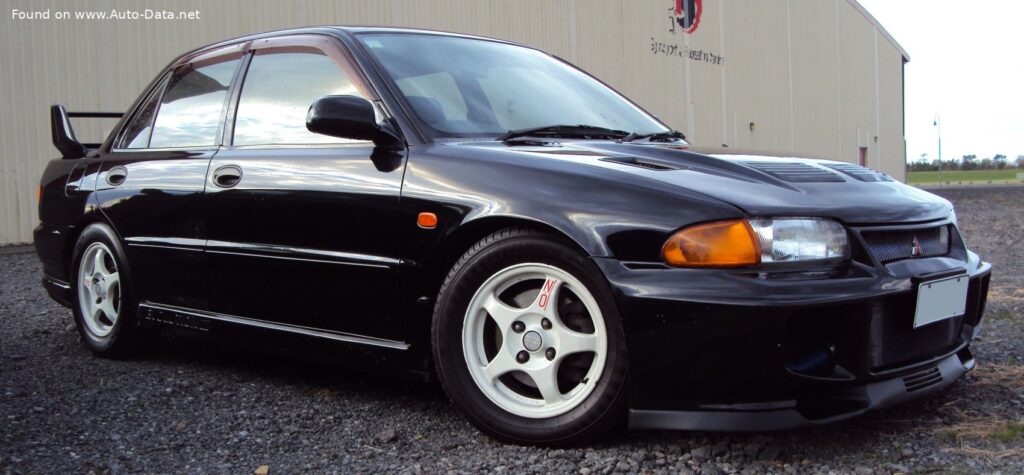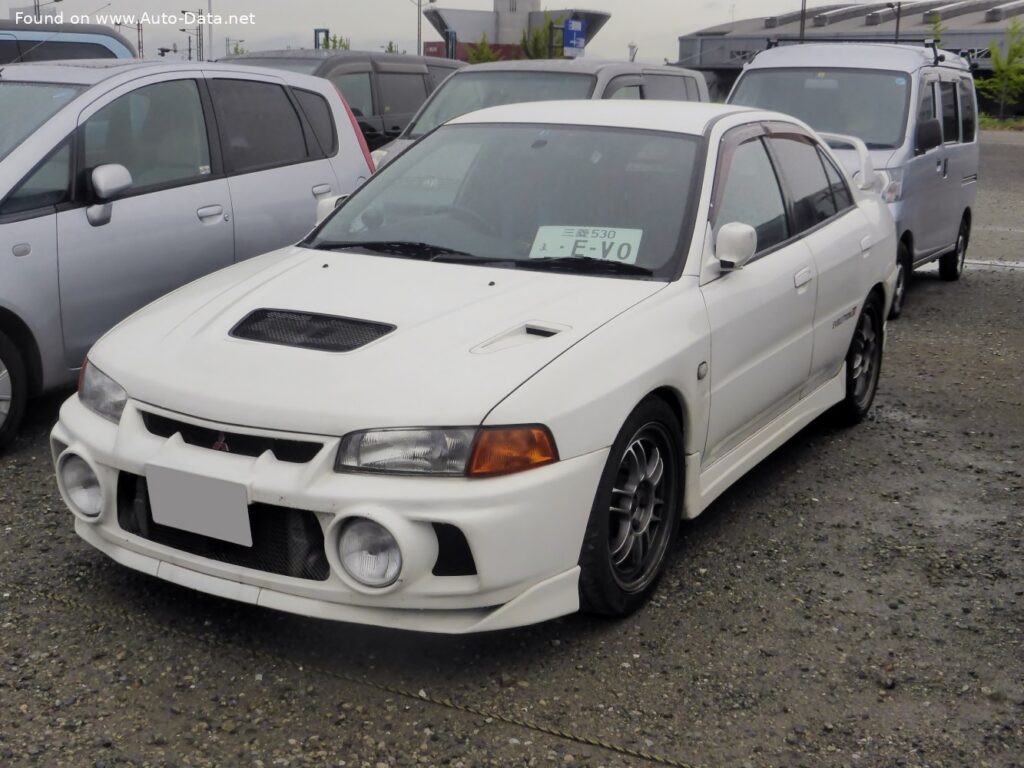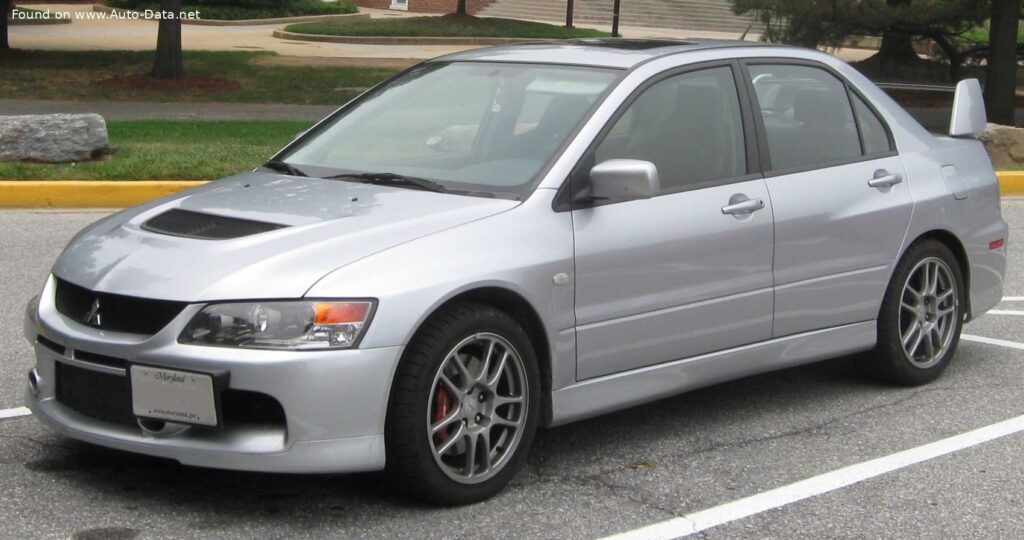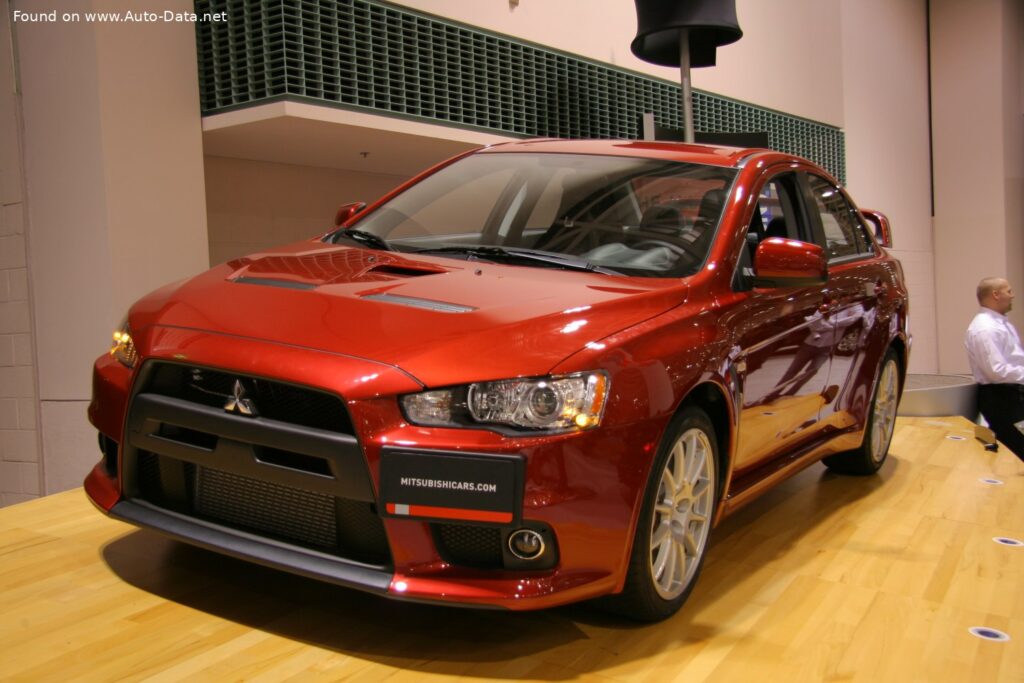
The Mitsubishi Lancer Evolution X, specifically the potent 2.0 MIVEC FQ-360 (359 Hp) S-AWC variant, represents the tenth and final generation of Mitsubishi’s legendary rally-bred performance sedan. Produced from 2008 to 2014, this vehicle was a technological tour de force, embodying Mitsubishi’s rich motorsport heritage in a street-legal package. While the Lancer Evolution series was globally celebrated, the “FQ” designation, standing for “F***ing Quick,” was a special series of enhanced models developed primarily for the United Kingdom market, pushing the performance envelope beyond standard Evolution X offerings. It competed fiercely in the compact performance segment, carving out a niche for enthusiasts who demanded uncompromising speed, advanced all-wheel-drive technology, and aggressive styling. This final iteration brought significant advancements in chassis design, powertrain technology, and driver aids, ensuring its place as a formidable competitor and a highly sought-after collector’s item today.
Engine and Performance: The Heart of the Mitsubishi Lancer Evolution X FQ-360
At the core of the Mitsubishi Lancer Evolution X FQ-360 lies the formidable 4B11T engine, a 2.0-liter (1998 cm3 or 121.93 cu. in.) inline-four powerplant. This all-aluminum engine, a departure from the long-standing 4G63 of previous generations, featured Mitsubishi’s innovative MIVEC (Mitsubishi Innovative Valve timing Electronic Control) system, which optimized valve timing for improved performance and efficiency across the RPM range. The FQ-360 designation signifies its impressive power output: 359 horsepower (Hp) delivered at 6500 rpm. This remarkable figure translates to a power-per-liter ratio of 179.7 Hp/l, showcasing the engine’s high-strung, performance-oriented design.
Torque output is equally impressive, with 363 Nm (267.74 lb.-ft.) available at a relatively low 3500 rpm, providing a broad powerband that makes the car incredibly responsive. A large turbocharger, coupled with an efficient intercooler, ensures rapid boost delivery and consistent power, even under demanding conditions. Power is sent to all four wheels via a robust 5-speed manual transmission, a choice that appealed to purist drivers seeking maximum engagement.
The performance figures are staggering for a car of its era and class. The FQ-360 can rocket from 0 to 60 mph in a blistering 3.9 seconds (0-100 km/h in 4.1 seconds), a testament to its powerful engine and the exceptional grip provided by its Super All-Wheel Control (S-AWC) system. Its top speed is electronically limited to 155.34 mph (250 km/h). Despite its focus on performance, the engine’s DOHC valvetrain and multi-port manifold injection system were state-of-the-art for the time, contributing to its dynamic capabilities. However, such performance comes at a cost, as indicated by its combined fuel consumption of 16.6 US mpg (14.2 l/100 km) and CO2 emissions of 328 g/km.
Design and Features: Form Meets Function in the Evolution X
The Mitsubishi Lancer Evolution X maintains the iconic sedan body type that defined its predecessors, but with a more aggressive and modern aesthetic. Its four-door, five-seat configuration belies its race-bred intentions. The exterior design is characterized by a wide, muscular stance, flared wheel arches, and an assertive front fascia dominated by a large grille for optimal engine cooling. Functional aerodynamic elements, including a prominent rear wing (though specifics can vary by market and trim) and subtle bodywork enhancements, contribute to stability at high speeds.
Beyond its visual appeal, the Evolution X’s design is deeply integrated with its performance features. The chassis was significantly revised, offering improved rigidity and handling. The suspension system features independent McPherson struts with coil springs and a transverse stabilizer at the front, complemented by an independent multi-link suspension with coil springs and a transverse stabilizer at the rear. This setup, combined with a low ride height of 5.31 inches (135 mm), ensures exceptional road holding and cornering capabilities.
Braking performance is handled by a high-performance system featuring large 350 mm ventilated discs at the front and 330 mm ventilated discs at the rear, providing immense stopping power. These are typically supplied by performance specialists like Brembo for the Evo series, ensuring consistent and fade-resistant braking. The 245/40 R18 tires mounted on 8.5J x 18 wheel rims provide substantial grip, essential for harnessing the FQ-360’s power.
A cornerstone of the Evolution X’s technological prowess is its Super All-Wheel Control (S-AWC) system. S-AWC is an advanced dynamic handling system that integrates Active Yaw Control (AYC), Active Center Differential (ACD), and Sport ABS, allowing the driver to select different modes (Tarmac, Gravel, Snow) to optimize traction and handling based on road conditions. This sophisticated system constantly monitors vehicle dynamics and intelligently distributes torque to individual wheels, enhancing cornering stability and traction, making the Evolution X incredibly capable in various driving scenarios. Other assisting systems include ABS (Anti-lock Braking System) as standard, further bolstering safety and control. The hydraulic steering rack and pinion system provides direct feedback and precise control, crucial for a performance vehicle of this caliber.
FQ-360 Positioning and Comparison
The FQ-360 occupied the premium performance tier within the Evolution X lineup, specifically for the UK market. It was positioned above the standard Evolution X and any intermediate performance packages offered. Compared to the base Evolution X, the FQ-360 boasted significantly more power, enhanced suspension tuning, and often included unique aesthetic touches. Against other Evolution X variants, like those with slightly lower horsepower outputs, the FQ-360 offered a more visceral and track-focused experience. While the standard Evo X was already a capable machine, the FQ-360 was geared towards drivers who prioritized ultimate performance and were willing to accept a slightly firmer ride and higher running costs. Compared to the Subaru WRX STI of the same era, the FQ-360 generally offered a more technologically advanced all-wheel-drive system (S-AWC) and a slightly more refined driving experience, though the STI often appealed to those seeking a more raw and traditional rally car feel.
Chassis & Braking
The Evolution X chassis was a significant departure from previous generations, utilizing a reinforced platform with extensive use of high-strength steel. This resulted in a substantial increase in rigidity, improving handling and responsiveness. The front suspension employed McPherson struts with coil springs and a 24mm stabilizer bar, while the rear featured a multi-link setup with coil springs and a 22mm stabilizer bar. This configuration minimized body roll and maximized grip. The braking system, as mentioned, featured large ventilated discs all around, often supplied by Brembo. The FQ-360 typically retained the standard Evolution X braking setup, which was already considered highly capable for its weight class. The rear brakes were ventilated discs, a step up from the drums found on some lower-spec Lancer models.
Market Reception & Comparison
The Mitsubishi Lancer Evolution X FQ-360 was generally very well-received by automotive critics. Reviewers praised its exceptional performance, advanced all-wheel-drive system, and precise handling. The FQ-360 was often lauded as one of the most capable and technologically advanced performance sedans of its time. Fuel economy, however, was a common criticism, with the FQ-360 consuming a significant amount of fuel, especially when driven aggressively. Reliability was generally good, although the complex engine and drivetrain required diligent maintenance. Compared to other trims in the Evolution X lineup, the FQ-360 offered superior performance but at a higher price point and with potentially higher maintenance costs. Its focus on outright speed and handling made it a less practical choice for everyday driving compared to lower-spec models.
Technical Specifications
| Category | Specification |
| General Information | |
| Brand | Mitsubishi |
| Model | Lancer Evolution X |
| Type (Engine) | 2.0 MIVEC FQ-360 (359 Hp) S-AWC |
| Production Start | 2008 year |
| Production End | 2014 year |
| Powertrain Architecture | Internal Combustion Engine |
| Body Type | Sedan |
| Seats | 5 |
| Doors | 4 |
| Performance Specs | |
| Fuel Consumption (Urban) | 21.9 l/100 km (10.7 US mpg) |
| Fuel Consumption (Extra Urban) | 10.5 l/100 km (22.4 US mpg) |
| Fuel Consumption (Combined) | 14.2 l/100 km (16.6 US mpg) |
| CO2 Emissions | 328 g/km |
| Fuel Type | Petrol (Gasoline) |
| Acceleration 0-60 mph | 3.9 sec |
| Acceleration 0-100 km/h | 4.1 sec |
| Maximum Speed | 250 km/h (155.34 mph) |
| Weight-to-Power Ratio | 4.3 kg/Hp (230.1 Hp/tonne) |
| Weight-to-Torque Ratio | 4.3 kg/Nm (232.7 Nm/tonne) |
| Engine Specs | |
| Power | 359 Hp @ 6500 rpm |
| Power per Liter | 179.7 Hp/l |
| Torque | 363 Nm (267.74 lb.-ft.) @ 3500 rpm |
| Engine Layout | Front, Transverse |
| Engine Model/Code | 4B11T |
| Engine Displacement | 1998 cm3 (2.0 liters / 121.93 cu. in.) |
| Number of Cylinders | 4 |
| Engine Configuration | Inline |
| Cylinder Bore | 86 mm (3.39 in.) |
| Piston Stroke | 86 mm (3.39 in.) |
| Compression Ratio | 9:1 |
| Valves per Cylinder | 4 |
| Fuel Injection System | Multi-port manifold injection |
| Engine Aspiration | Turbocharger, Intercooler |
| Valvetrain | DOHC |
| Engine Oil Capacity | 5.6 l (5.92 US qt) |
| Coolant Capacity | 7.5 l (7.93 US qt) |
| Space, Volume and Weights | |
| Kerb Weight | 1560 kg (3439.21 lbs.) |
| Max. Weight | 2040 kg (4497.43 lbs.) |
| Max Load | 480 kg (1058.22 lbs.) |
| Fuel Tank Capacity | 55 l (14.53 US gal) |
| Dimensions | |
| Length | 4505 mm (177.36 in.) |
| Width | 1810 mm (71.26 in.) |
| Height | 1480 mm (58.27 in.) |
| Wheelbase | 2650 mm (104.33 in.) |
| Front Track | 1545 mm (60.83 in.) |
| Rear Track | 1545 mm (60.83 in.) |
| Front Overhang | 920 mm (36.22 in.) |
| Rear Overhang | 935 mm (36.81 in.) |
| Ride Height (Ground Clearance) | 135 mm (5.31 in.) |
| Minimum Turning Circle | 11.8 m (38.71 ft.) |
| Drivetrain, Brakes and Suspension Specs | |
| Drivetrain Architecture | All-wheel drive (4×4), permanently driven by ICE |
| Drive Wheel | All-wheel drive (4×4) |
| Number of Gears | 5 |
| Type of Gearbox | Manual transmission |
| Front Suspension | Coil spring, Independent McPherson, Transverse stabilizer |
| Rear Suspension | Independent multi-link, Transverse stabilizer, Coil spring |
| Front Brakes | Ventilated discs, 350 mm |
| Rear Brakes | Ventilated discs, 330 mm |
| Assisting Systems | ABS (Anti-lock braking system) |
| Steering Type | Steering rack and pinion |
| Power Steering | Hydraulic Steering |
| Tires Size | 245/40 R18 |
| Wheel Rims Size | 8.5J x 18 |
Legacy: The Long-Term Reliability and Used Car Market
The Mitsubishi Lancer Evolution X, and the FQ-360 in particular, enjoys a strong and growing following among automotive enthusiasts. While the complex engine and drivetrain require regular maintenance, the 4B11T engine has proven to be relatively robust when properly cared for. Common issues include turbocharger wear, potential oil leaks, and the need for diligent cooling system maintenance. The S-AWC system, while incredibly capable, can also require specialized attention if issues arise. On the used car market, the FQ-360 commands a premium price due to its rarity and performance potential. Well-maintained examples are highly sought after by collectors and enthusiasts who appreciate its unique blend of rally heritage, advanced technology, and exhilarating driving experience. Its discontinuation has cemented its status as a modern classic, a testament to Mitsubishi’s engineering prowess and a reminder of a bygone era of uncompromising performance sedans.