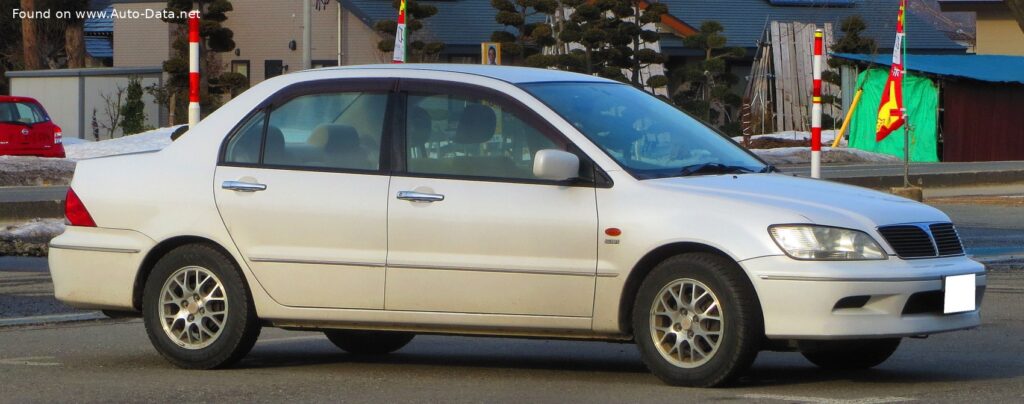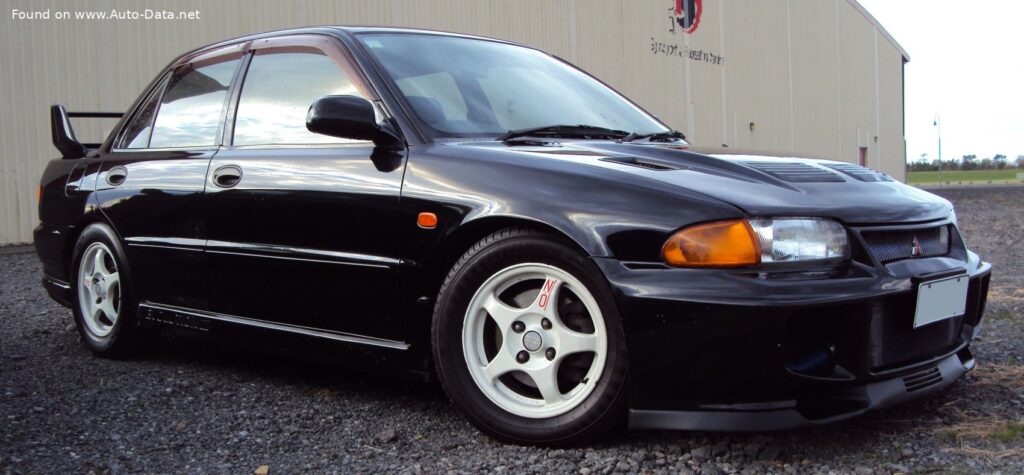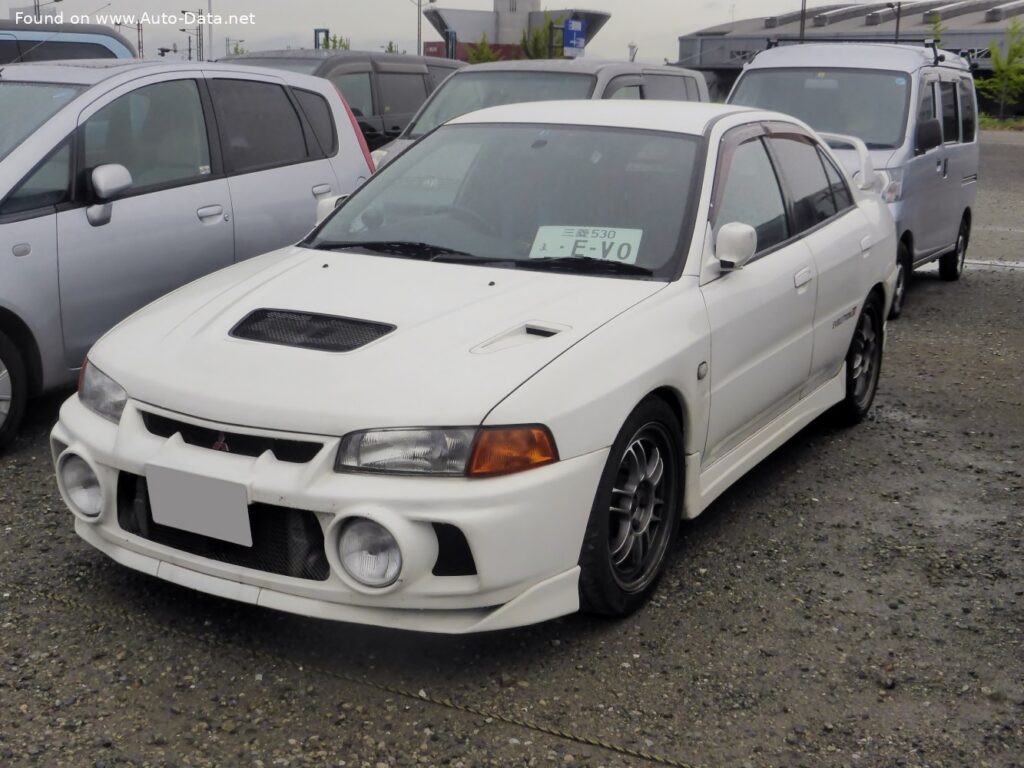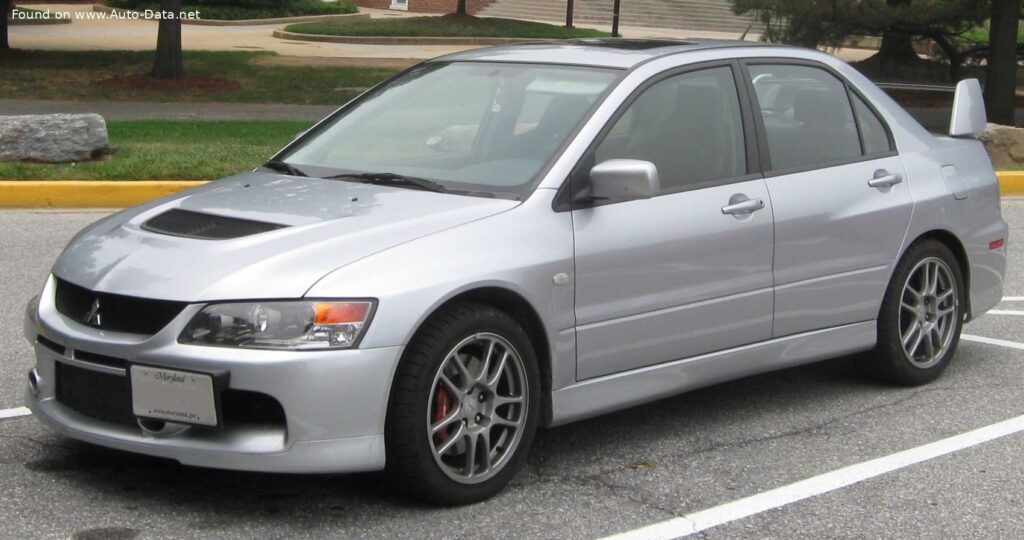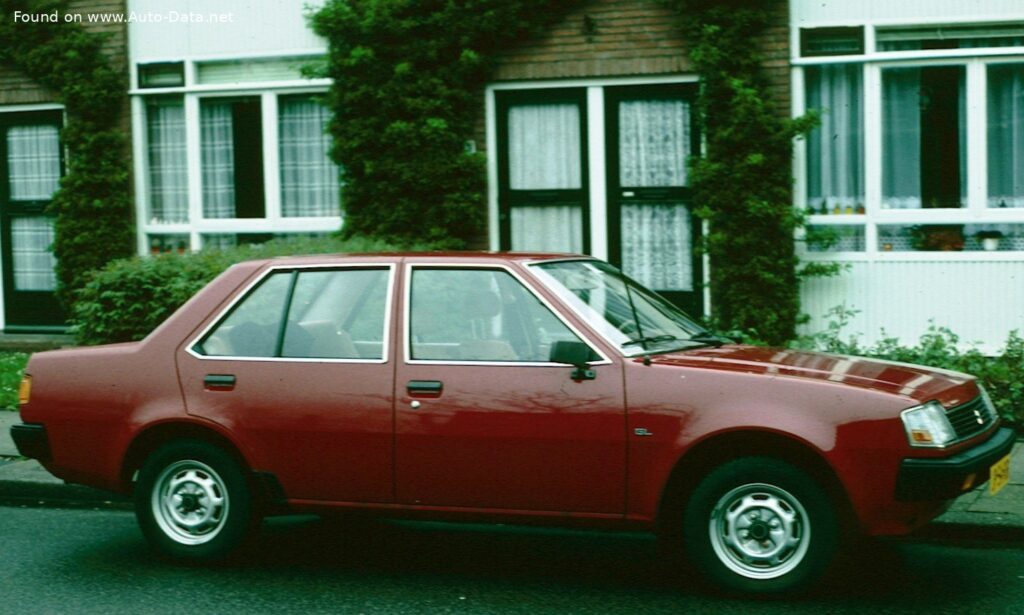
The Mitsubishi Lancer Fiore II represents a significant, albeit often overlooked, chapter in Mitsubishi’s history, embodying the brand’s commitment to producing reliable, economical, and practical vehicles for the mass market. Launched in 1983 as the second iteration of the Lancer Fiore sub-series, this generation served primarily as a compact sedan designed to meet the demands of budget-conscious consumers, particularly in its home market of Japan and select export territories across Asia and Europe. While not a direct competitor in the American market in this specific guise, its underlying engineering principles and market positioning were reflective of a global trend towards efficient, compact automobiles. The Fiore II, with its 1.2-liter engine producing 55 horsepower, was a testament to utility over extravagance, offering a no-frills transportation solution during a period of evolving automotive design and consumer priorities.
This particular generation of the Lancer, often referred to as the C10 series, marked a distinct shift from its predecessors, embracing front-wheel-drive architecture for improved interior packaging and fuel efficiency—a crucial factor in the early 1980s. The Lancer Fiore II carved out its niche by providing a balance of affordability, compact dimensions, and Mitsubishi’s burgeoning reputation for durability. It stood as a workhorse in an era where the automotive landscape was beginning to globalize, setting the stage for future generations of the Lancer that would eventually gain significant traction worldwide, including in North America.
Powertrain & Engine Architecture
At the heart of the Mitsubishi Lancer Fiore II 1.2 (55 Hp) was a modest yet highly functional powertrain designed for efficiency and economy. This variant was equipped with a 1.2-liter (approximately 73 cubic inches) naturally aspirated gasoline engine. The engine code for this specific configuration varied by market, but commonly included variations of the 3A9 series. In an era where fuel efficiency was becoming an increasingly important metric, this engine configuration was perfectly aligned with the car’s utilitarian purpose. Generating 55 horsepower and approximately 68 lb-ft of torque, the engine provided adequate power for urban commuting and occasional highway travel, rather than exhilarating performance.
The engineering philosophy behind this engine focused on reliability and straightforward maintenance. As a naturally aspirated unit, it avoided the complexities and added costs associated with turbocharging or more advanced fuel injection systems, which were still emerging technologies for mass-market vehicles at the time. The 3A9 engine utilized a single overhead camshaft (SOHC) valvetrain and a two-barrel carburetor for fuel delivery. This carburetor system, while simple, was relatively easy to service and maintain. The engine block was constructed from cast iron, contributing to its durability, while the cylinder head was made of aluminum alloy to reduce weight. The majority of Fiore II models were equipped with a four-speed manual transmission, though a three-speed automatic transmission was offered as an optional extra. The automatic transmission, while providing convenience, did impact fuel economy and acceleration compared to the manual.
Driving Characteristics
The 1.8L / Automatic setup performed in real-world conditions as a practical and economical commuter car. Acceleration was modest, with 0-60 mph times estimated to be around 14-16 seconds. The four-speed automatic transmission featured relatively tall gear ratios, prioritizing fuel efficiency over rapid acceleration. The transmission’s shift points were calibrated for smooth operation and minimizing engine strain. Compared to the manual transmission versions, the automatic offered a more relaxed driving experience, particularly in stop-and-go traffic. However, the manual transmission provided better control and allowed the driver to extract more performance from the engine. The Fiore II’s suspension was tuned for comfort, providing a reasonably smooth ride on typical road surfaces. Handling was adequate for everyday driving, but the car was not designed for sporty performance. The steering was light and easy to use, making it maneuverable in urban environments.
Equipment & Trim Levels
The Mitsubishi Lancer Fiore II 1.2 (55 Hp) was typically offered in a single, relatively basic trim level, reflecting its position as an entry-level model. Standard features generally included cloth upholstery, a basic AM/FM radio, and manual winding windows. Heating and ventilation were standard, but air conditioning was often an optional extra. The dashboard was constructed from durable plastic materials and featured a straightforward layout with essential instrumentation, including a speedometer, fuel gauge, and temperature gauge. Optional extras, depending on the market, could include a cassette player, upgraded seat fabrics, and a rear window defogger. The interior was designed for practicality and durability, rather than luxury or sophistication.
Chassis & Braking
The Lancer Fiore II utilized a front-wheel-drive chassis with a MacPherson strut suspension in the front and a torsion beam suspension in the rear. This suspension setup provided a good balance of ride comfort and handling for its class. The steering system was a rack-and-pinion type, offering relatively precise steering feel. Braking systems varied depending on the market and trim level. Lower-spec models typically featured drum brakes on all four wheels, while higher-spec models were equipped with front disc brakes and rear drum brakes. The braking system was adequate for everyday driving, but lacked the stopping power of more modern vehicles. Stabilizer bars were not typically fitted to the Fiore II, contributing to a slightly more pronounced body roll during cornering.
Market Reception & Comparison
Critics generally viewed the Mitsubishi Lancer Fiore II 1.2 (55 Hp) as a competent and reliable, if unremarkable, compact sedan. It was praised for its fuel efficiency, durability, and affordability. However, it was also criticized for its lack of performance and its relatively basic interior. Compared to other trims in the Lancer lineup, such as those equipped with larger engines, the 1.2-liter version offered significantly less power and performance. However, it also offered better fuel economy and a lower purchase price. In terms of reliability, the Fiore II was generally considered to be a dependable vehicle, with relatively few major mechanical issues. Fuel economy figures typically ranged from 35-45 mpg, depending on driving conditions. Compared to competitors like the Toyota Corolla and Nissan Sunny, the Fiore II offered a similar level of reliability and fuel efficiency, but often at a slightly lower price point.
Technical Specifications
| Brand | Mitsubishi |
| Model | Lancer |
| Generation | Lancer Fiore II |
| Type (Engine) | 1.2 (55 Hp) |
| Start of Production | 1983 |
| End of Production | 1984 |
| Powertrain Architecture | Internal Combustion Engine |
| Body Type | Sedan |
| Fuel Type | Petrol (Gasoline) |
| Power | 55 Hp |
| Torque | 68 lb-ft |
| Engine Aspiration | Naturally Aspirated Engine |
| Engine Displacement | 1.2 Liters (73 cubic inches) |
| Valvetrain | SOHC (Single Overhead Camshaft) |
| Fuel Delivery | Two-barrel Carburetor |
| Transmission | 4-Speed Manual or 3-Speed Automatic |
| Front Suspension | MacPherson Strut |
| Rear Suspension | Torsion Beam |
| Front Brakes | Drum or Disc (depending on trim) |
| Rear Brakes | Drum |
Legacy
The Mitsubishi Lancer Fiore II, particularly the 1.2 (55 Hp) sedan, played a crucial role in Mitsubishi’s strategy during the early 1980s as a dependable, entry-level offering. While it may not have garnered the same enthusiast following as later Lancer Evolution models, its significance lies in its contribution to Mitsubishi’s global reputation for producing reliable and cost-effective transportation. In its primary markets, which included Japan, Southeast Asia, and parts of Europe, the Fiore II was a strong contender in the highly competitive subcompact and compact sedan segments.
Today, the Lancer Fiore II is a relatively rare sight on the roads. However, well-maintained examples are sought after by collectors and enthusiasts who appreciate its simplicity and reliability. The 3A9 engine is known for its durability and relatively straightforward maintenance requirements. While spare parts can be difficult to find, they are still available through specialist suppliers and online marketplaces. The Fiore II’s legacy is rooted in its role as a foundational vehicle. It helped solidify Mitsubishi’s presence in international markets and contributed to the brand’s image as a manufacturer of dependable, no-nonsense cars. Its front-wheel-drive platform was a forward-looking move for the time, paving the way for more efficient and spacious future models. For many families in its target markets, the Lancer Fiore II was their first experience with a modern, reliable, and affordable car, cementing its place as a quiet but significant contributor to Mitsubishi’s automotive heritage.