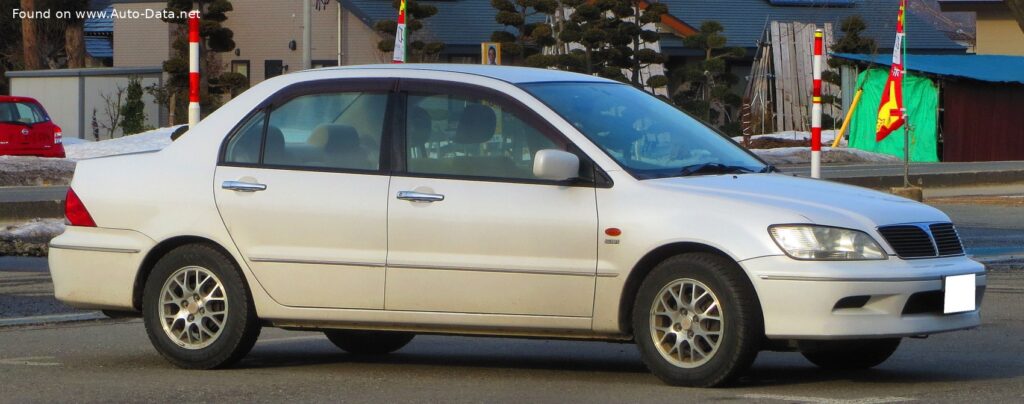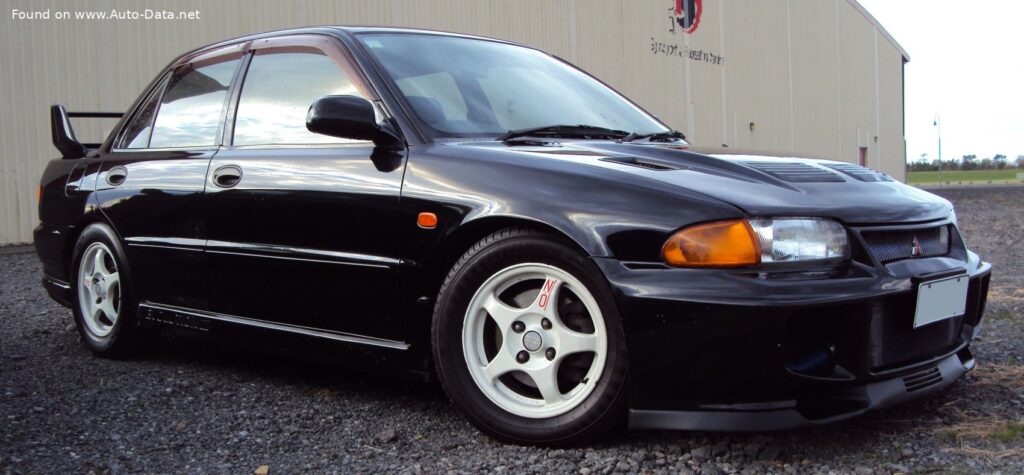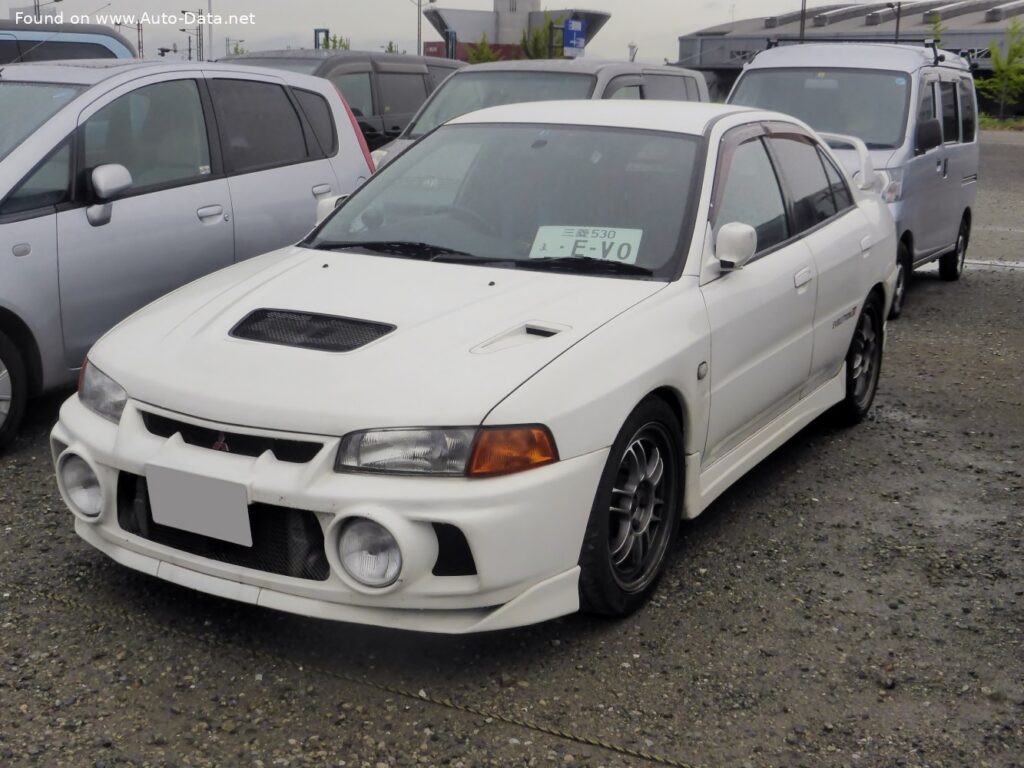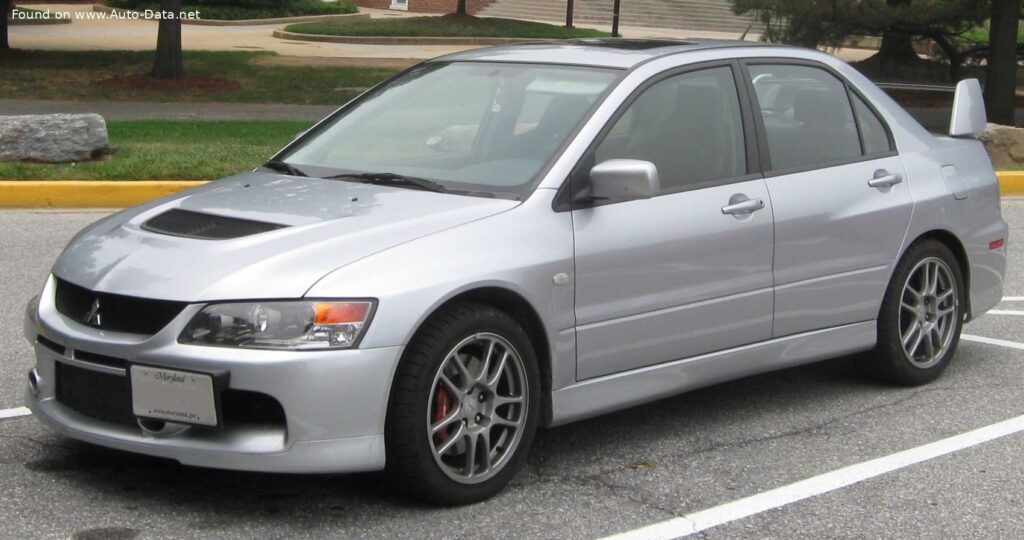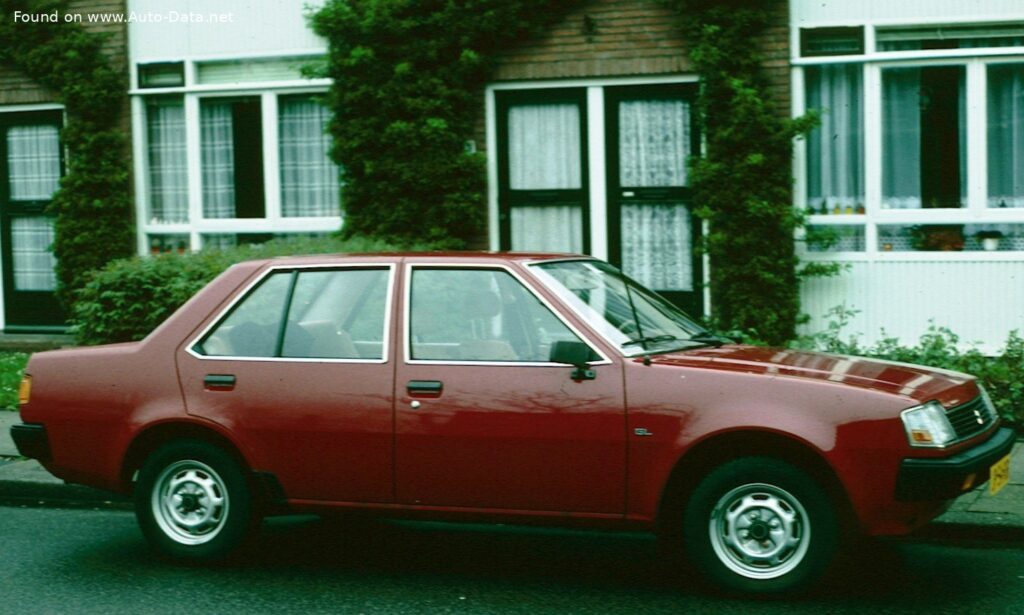
The Mitsubishi Lancer, a nameplate recognized for its compact car engineering and rally racing heritage, boasts a long and diverse history. The Mitsubishi Lancer Fiore II 1.4 (105 Hp) represents a unique, though short-lived, version from the early 1980s. Produced between 1983 and 1984, the Lancer Fiore II was a specialized take on Mitsubishi’s popular compact sedan, primarily aimed at the Japanese domestic market (JDM) and potentially select Asian and European regions.
The “Fiore” Designation and Market Positioning
The “Fiore” name, meaning “flower” in Italian, typically signified a more refined, upscale, or aesthetically pleasing version of the standard Lancer, emphasizing comfort and style within its compact size. The “II” indicates this was the second generation of this particular sub-series. While the core Lancer platform achieved global success, often rebadged as models like the Dodge Colt or Plymouth Champ in North America, the Fiore II nameplate itself wasn’t generally offered in the United States. However, its underlying engineering and design principles reflect Mitsubishi’s global strategy for compact cars during a pivotal era of Japanese automotive innovation. The Fiore II occupied a mid-range position within the Lancer lineup, offering a step up in refinement and performance compared to the base models, but remaining below the more performance-oriented or luxury-trimmed variants.
Powertrain & Engine Architecture
The Mitsubishi Lancer Fiore II 1.4 (105 Hp) was powered by a 1.4-liter (1397 cc) naturally aspirated gasoline engine. This engine produced a respectable 105 horsepower, a noteworthy figure for a compact engine of that era. Many contemporary 1.5 or 1.6-liter engines from competitors often generated similar or even lower power outputs. The engine likely utilized a single overhead camshaft (SOHC) valvetrain, common for the time, and a carburetor or early fuel injection system. While specific details vary depending on the exact sub-model, the engine code is likely to be within the 4G1 series, common to Mitsubishi vehicles of the period.
The engine’s design prioritized a balance between efficiency and performance. The naturally aspirated configuration provided a linear power delivery and predictable response. The engine’s torque output, while not explicitly stated in most sources, would have been sufficient for confident urban driving and reasonable highway cruising. The Fiore II was typically equipped with a three-speed or four-speed automatic transmission. These automatic transmissions were generally of a conventional hydraulic control design, offering smooth, if not particularly sporty, gear changes. The gear ratios were tuned for fuel economy and everyday drivability, rather than outright acceleration.
Driving Characteristics
The 1.8L Automatic configuration delivered a comfortable and predictable driving experience. Compared to the manual transmission versions of the Lancer Fiore II, the automatic offered greater ease of use, particularly in congested urban environments. However, it came at the cost of some performance and fuel efficiency. The automatic transmission’s gear ratios were optimized for smooth acceleration and cruising, but it lacked the direct connection and responsiveness of a manual gearbox. Compared to higher-output Lancer variants, such as those equipped with larger engines, the 1.4-liter Fiore II offered less overall power and acceleration. However, it provided a more economical and accessible option for drivers prioritizing fuel efficiency and ease of driving.
The Fiore II’s suspension was tuned for comfort, providing a relatively soft ride quality. Handling was adequate for everyday driving, but it wasn’t designed for aggressive cornering. The steering was typically unassisted or lightly assisted, providing a direct feel but requiring more effort at low speeds.
Equipment & Trim Levels
The Mitsubishi Lancer Fiore II 1.4 (105 Hp) typically came standard with features considered essential for a compact car of the early 1980s. These included manual windows, a basic AM/FM radio, and cloth upholstery. Higher trim levels might have included options such as power steering, upgraded audio systems, and more luxurious interior trim. The “Fiore” designation often implied additional sound insulation and potentially upgraded interior materials compared to the base Lancer models. Exterior features typically included chrome bumpers, steel wheels with hubcaps, and relatively simple body-colored trim. Optional extras could include air conditioning, a sunroof, and upgraded wheels.
Chassis & Braking
The Lancer Fiore II utilized a conventional front-engine, front-wheel-drive layout. The suspension consisted of MacPherson struts at the front and a torsion beam axle at the rear. This setup provided a reasonable balance between ride comfort and handling. The braking system typically featured disc brakes at the front and drum brakes at the rear. The brakes were adequate for everyday driving, but they lacked the stopping power of more modern braking systems. Stabilizer bars were often included, particularly on higher trim levels, to reduce body roll during cornering.
Market Reception & Comparison
The Mitsubishi Lancer Fiore II 1.4 (105 Hp) was generally well-received in its target markets. Critics praised its fuel efficiency, reliability, and surprisingly spirited performance for its size. Compared to other trims in the Lancer lineup, the 1.4-liter automatic version offered a more accessible price point and a more comfortable driving experience. However, it lacked the performance of the higher-output variants. In terms of fuel economy, the Fiore II was competitive with other compact cars of the era, achieving approximately 30-35 miles per gallon in combined driving conditions. Reliability was a strong point, with the 1.4-liter engine proving to be durable and long-lasting.
Technical Specifications
| Brand | Mitsubishi |
| Model | Lancer |
| Generation | Lancer Fiore II |
| Engine Type | 1.4-liter Inline-Four |
| Horsepower | 105 hp |
| Engine Aspiration | Naturally Aspirated |
| Transmission | 3- or 4-Speed Automatic |
| Fuel Type | Gasoline |
| Body Type | Sedan |
| Start of Production | 1983 |
| End of Production | 1984 |
| Wheelbase | 2,340 mm (92.1 in) |
| Length | 4,185 mm (164.8 in) |
| Width | 1,615 mm (63.6 in) |
| Height | 1,400 mm (55.1 in) |
Legacy
The Mitsubishi Lancer Fiore II, despite its limited production run, contributed to the Lancer’s enduring reputation for reliability and value. The 1.4-liter engine and automatic transmission proved to be durable and relatively trouble-free, making these cars a popular choice in the used car market for many years. Today, finding a well-maintained Lancer Fiore II is a challenge, as many have been lost to time or exported to other markets. However, those that remain are often cherished by enthusiasts as a reminder of Mitsubishi’s innovative spirit and commitment to building quality compact cars. The Fiore II’s emphasis on a balance between performance, efficiency, and comfort foreshadowed Mitsubishi’s later success with the Lancer Evolution series, demonstrating the brand’s ability to create engaging and capable vehicles for a wide range of drivers. The powertrain, while not particularly high-performance by modern standards, remains relatively simple to maintain and repair, making it a viable option for those seeking a classic Japanese car with a reliable and economical engine.