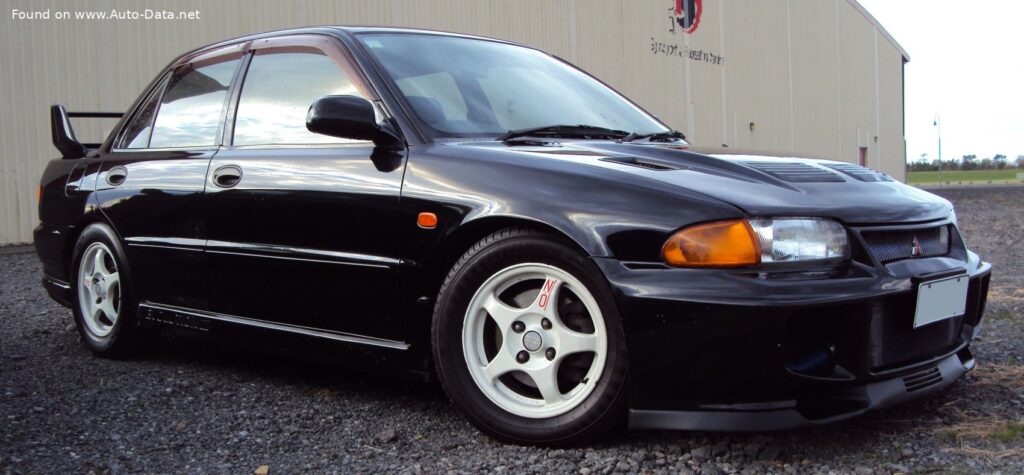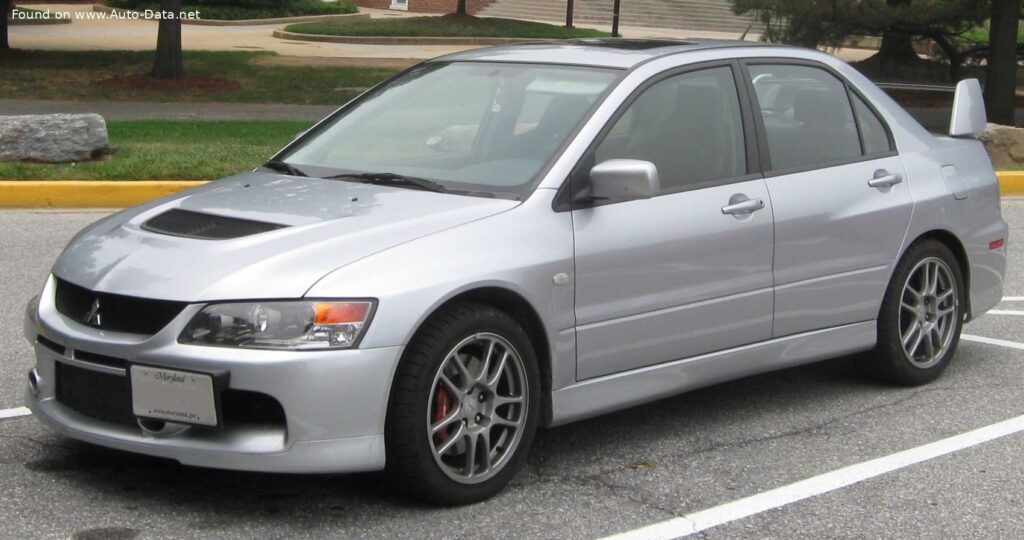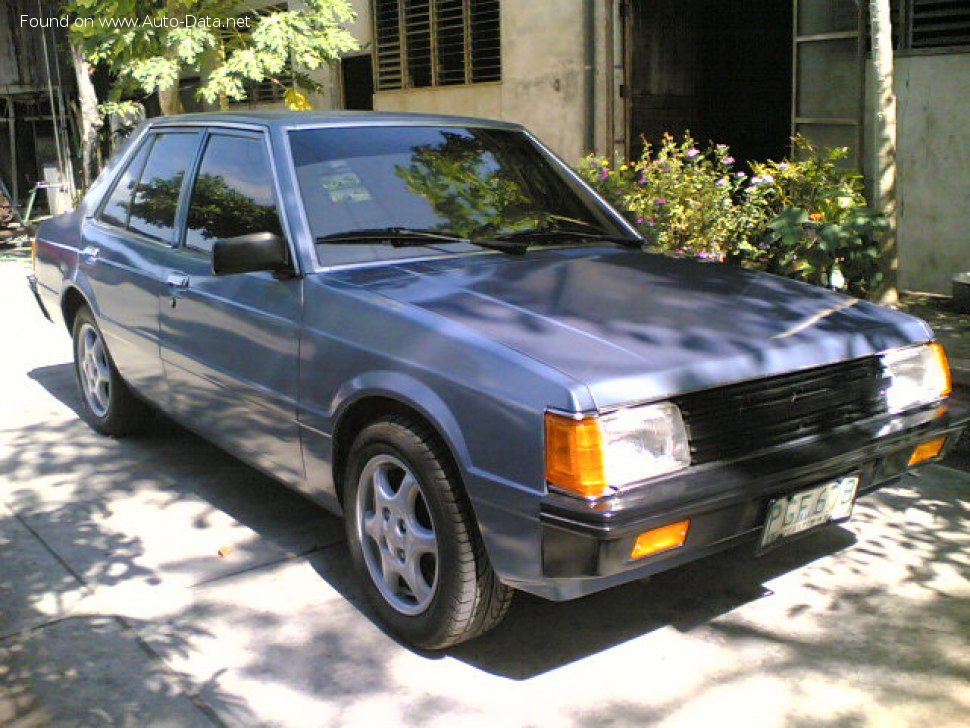
The Mitsubishi Lancer II 1.4 (68 Hp), part of the A170 series also known as the Lancer EX in some markets, was a key model in Mitsubishi’s second-generation Lancer lineup. Introduced in 1979 and produced through 1983, it represented a significant styling and engineering update over the original Lancer. This 1.4-liter variant was positioned as the entry-level model in many regions, targeting budget-conscious buyers seeking a reliable and economical family sedan. While not widely available in North America, the Lancer II 1.4 played a vital role in establishing Mitsubishi’s global reputation for durable and practical vehicles. Its rear-wheel-drive configuration and straightforward mechanical design were hallmarks of its era, offering a distinct driving experience compared to the increasingly popular front-wheel-drive competitors.
Mitsubishi Lancer II 1.4: Powertrain & Engine Architecture
The Mitsubishi Lancer II 1.4 (68 Hp) was powered by the 4G12 inline-four cylinder engine, a member of Mitsubishi’s well-regarded “Orion” engine family. This engine displaced 1.4 liters (1410 cc or 86.04 cubic inches) and was designed with a focus on fuel efficiency and dependability rather than high performance. The 4G12 featured a single overhead camshaft (SOHC) valvetrain operating two valves per cylinder. This configuration was common in vehicles of this period, offering a balance between cost-effectiveness, simplicity, and acceptable performance. The engine block was constructed from cast iron, contributing to its robustness and longevity.
Fuel delivery was handled by a carburetor, a standard feature for cars of this era. While less precise than fuel injection, the carburetor provided reliable fuel metering for the engine’s modest power output. The carburetor type varied slightly depending on the specific market, but generally consisted of a two-barrel downdraft unit. Ignition was achieved through a conventional distributor system, also typical for the late 1970s and early 1980s. The engine’s longitudinal mounting within the engine bay, coupled with the rear-wheel-drive layout, dictated the overall packaging of the vehicle.
The 4G12 engine produced 68 horsepower at 5000 rpm and 77.44 lb-ft of torque at 3500 rpm. This power output was considered adequate for the Lancer II’s weight and intended purpose. The engine’s torque curve was relatively flat, providing usable power across a broad range of engine speeds. This characteristic made the car easy to drive in everyday traffic conditions and provided sufficient power for moderate highway cruising. The engine was paired with either a 4-speed manual transmission or a 3-speed automatic transmission, depending on the market and trim level.
Transmission Details
The 4-speed manual transmission was the most common pairing for the 1.4-liter engine. It was a conventional, fully synchronized gearbox offering smooth and precise gear changes. The automatic transmission, while less common, provided added convenience for drivers. It was a 3-speed unit with a torque converter, offering a comfortable but less engaging driving experience. The automatic transmission’s gear ratios were optimized for fuel economy and smooth acceleration, rather than sporty performance.
Driving Characteristics of the 1.4L Lancer II
The Mitsubishi Lancer II 1.4 (68 Hp) offered a driving experience that prioritized comfort and practicality over outright performance. Acceleration was modest, with 0-60 mph times estimated to be around 14-16 seconds. However, the car felt responsive enough for typical urban and suburban driving. The rear-wheel-drive layout provided a balanced feel, although it wasn’t particularly sporty. The steering was relatively light and precise, making the car easy to maneuver in tight spaces.
Compared to the higher-output Lancer variants, such as those equipped with the 1.6-liter or 2.0-liter engines, the 1.4-liter model felt noticeably slower. The larger engines offered significantly more power and torque, resulting in quicker acceleration and improved highway passing performance. However, the 1.4-liter engine’s fuel efficiency was a key advantage. The manual transmission version offered the best fuel economy, typically achieving around 30-35 mpg in mixed driving conditions. The automatic transmission reduced fuel economy slightly, to around 25-30 mpg.
The suspension system consisted of independent front suspension with MacPherson struts and a live rear axle with leaf springs. This setup provided a comfortable ride, but it wasn’t particularly sophisticated. The car’s handling was predictable and stable, but it wasn’t designed for aggressive cornering. The rear-wheel-drive configuration contributed to a slightly more balanced handling feel compared to front-wheel-drive cars of the era.
Equipment & Trim Levels
The Mitsubishi Lancer II 1.4 (68 Hp) was typically offered in a relatively basic trim level, reflecting its position as the entry-level model. Standard features generally included cloth upholstery, vinyl floor covering, a basic instrument cluster, and manual windows and door locks. Air conditioning and a radio were often optional extras. The interior design was functional and straightforward, prioritizing practicality over luxury.
Depending on the market, different trim packages were available. These packages might include upgraded upholstery, a more comprehensive instrument cluster, and additional convenience features. Exterior options included different wheel covers and paint colors. The overall level of equipment was modest, but it provided the essential features for comfortable and reliable transportation.
Chassis & Braking
The Mitsubishi Lancer II featured a body-on-frame construction, which was common for cars of this era. This construction method provided a robust and durable chassis, but it also added weight. The car’s wheelbase was approximately 97.6 inches, and its overall length was around 169.3 inches. The track width was approximately 56.3 inches front and rear.
The braking system consisted of drum brakes on all four wheels. While adequate for the car’s weight and performance, the drum brakes lacked the stopping power and fade resistance of disc brakes. Some higher-spec Lancer II models were equipped with front disc brakes, offering improved braking performance. The braking system was not equipped with power assist, requiring more effort from the driver to achieve effective braking.
Market Reception & Comparison
The Mitsubishi Lancer II 1.4 (68 Hp) was generally well-received as a reliable and economical family sedan. Critics praised its durability, fuel efficiency, and straightforward design. However, its modest performance and basic equipment level were also noted. Compared to its competitors, such as the Toyota Corolla and Nissan Sunny, the Lancer II offered a similar level of practicality and reliability, but it lacked the brand recognition of its Japanese rivals.
In terms of fuel economy, the Lancer II 1.4 was competitive with other cars in its class. Its reliability was also considered to be above average, with few reported mechanical issues. However, the car’s lack of modern features and its relatively slow performance limited its appeal to buyers seeking a more sophisticated or sporty vehicle.
Technical Specifications
| Engine Type | 4G12 Inline-Four Cylinder |
| Displacement | 1.4 L (1410 cc) |
| Horsepower | 68 hp @ 5000 rpm |
| Torque | 77.44 lb-ft @ 3500 rpm |
| Fuel System | Carburetor |
| Valvetrain | SOHC, 2 Valves per Cylinder |
| Transmission | 4-Speed Manual or 3-Speed Automatic |
| Drivetrain | Rear-Wheel Drive |
| Brakes | Drum Brakes (All Four Wheels) |
| Suspension (Front) | MacPherson Strut |
| Suspension (Rear) | Leaf Springs, Live Axle |
| Wheelbase | 97.6 in (2479 mm) |
| Length | 169.3 in (4300 mm) |
| Width | 66.1 in (1679 mm) |
| Height | 55.1 in (1400 mm) |
Legacy
The Mitsubishi Lancer II 1.4 (68 Hp) remains a relatively uncommon sight today, particularly in North America. However, it is remembered as a durable and reliable vehicle that provided affordable transportation for many families. The 4G12 engine is known for its longevity and relatively simple maintenance requirements. In the used car market, examples of the Lancer II 1.4 are typically valued for their historical significance and their potential as restoration projects. While not a high-performance vehicle, the Lancer II 1.4 represents a significant chapter in Mitsubishi’s history and a testament to the enduring appeal of simple, well-engineered automobiles.