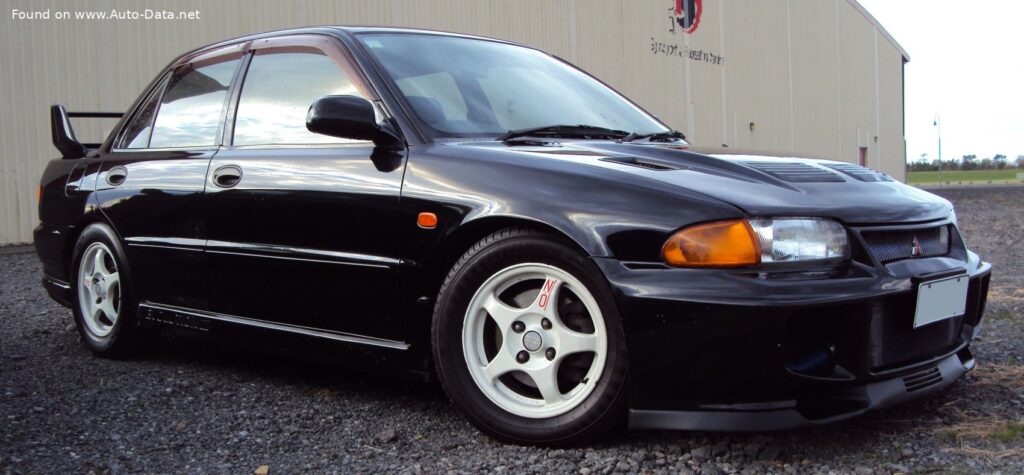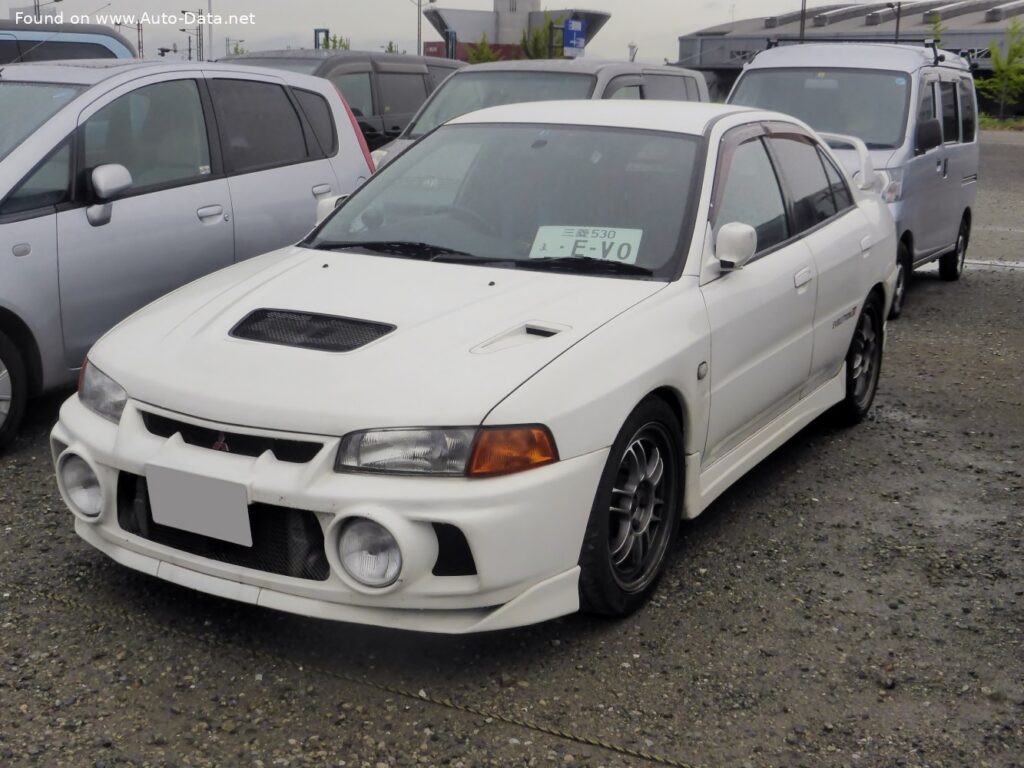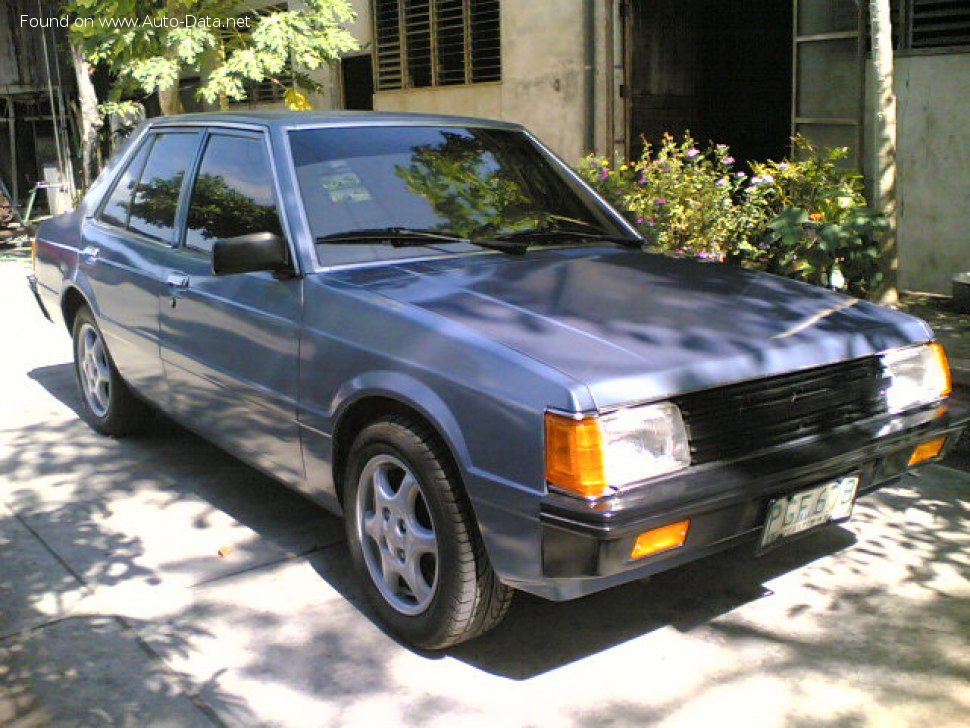
The Mitsubishi Lancer II 1.6 (84 Hp) represents a pivotal moment in Mitsubishi Motors’ history, embodying the brand’s dedication to producing dependable, economical, and practical compact vehicles for a global market. Introduced in 1981 as the second generation of the Lancer, this model – specifically the 1.6-liter, 84-horsepower variant – was instrumental in expanding Mitsubishi’s presence in numerous international markets. Succeeding the original Lancer (A70 series), the Lancer II, internally designated the A170 series, featured a more modern design and improved engineering, firmly establishing itself within the competitive compact sedan segment. Production ran from 1981 to 1983, during which it reinforced the Lancer’s reputation as a trustworthy family car. While trim levels and engine options differed regionally, the 1.6-liter model was a popular choice, balancing fuel efficiency with adequate performance for everyday driving. This variant typically served as the entry-level or a lower-mid-range offering within the Lancer II lineup, appealing to buyers prioritizing affordability and practicality over outright performance.
Powertrain & Engine Architecture
The Mitsubishi Lancer II 1.6 (84 Hp) was powered by a naturally aspirated, four-cylinder gasoline engine. This engine, often identified by engine codes like 4G15, was designed with durability and economy as primary objectives. Producing 84 horsepower, it was considered sufficient for the compact car segment in the early 1980s, providing adequate power for commuting, errands, and highway driving without excessive fuel consumption. The engine utilized a single overhead camshaft (SOHC) valvetrain, a common configuration for the time, and typically employed a two-barrel carburetor for fuel delivery. While not as precise as later fuel injection systems, the carburetor provided reliable operation and was relatively simple to maintain.
The transmission paired with the 1.6-liter engine was typically a three- or four-speed automatic transmission. This automatic was chosen to broaden the Lancer II’s appeal to drivers who preferred the convenience of automatic operation. The automatic transmission featured relatively conservative gear ratios, prioritizing fuel economy and smooth operation over rapid acceleration. The gear ratios were designed to keep the engine operating within its optimal power band during typical driving conditions. Compared to the available five-speed manual transmission, the automatic resulted in slightly reduced acceleration and fuel economy, but offered a more relaxed driving experience. The automatic transmission was not particularly sophisticated by modern standards, lacking features like overdrive or electronically controlled shifting.
Engine Specifications
The 4G15 engine featured a cast iron block and an aluminum cylinder head. Bore and stroke dimensions were typically 78.5mm x 83.0mm, resulting in a displacement of 1597cc (1.6 liters). Compression ratio was around 8.8:1. The engine’s design emphasized simplicity and ease of maintenance, with readily accessible components and a robust construction. The cooling system was a conventional liquid-cooled setup with a radiator and thermostat. The ignition system utilized a distributor and points-type ignition, typical for vehicles of that era.
Driving Characteristics
The Mitsubishi Lancer II 1.6 (84 Hp) with the automatic transmission offered a comfortable, albeit uninspiring, driving experience. Acceleration was adequate for everyday driving, but not particularly brisk. The automatic transmission’s gear changes were smooth but not particularly quick, and the car lacked the responsiveness of the manual transmission versions. The power delivery was relatively linear, with peak horsepower achieved at around 5,500 rpm. The car felt stable and predictable in corners, but the suspension was tuned for comfort rather than sporty handling. Compared to the higher-output 1.8-liter or turbocharged variants (where available), the 1.6-liter automatic was noticeably slower and less engaging to drive. However, it excelled in providing a relaxed and fuel-efficient driving experience, making it well-suited for urban commuting and long highway journeys.
Equipment & Trim Levels
The Mitsubishi Lancer II 1.6 (84 Hp) typically came standard with basic amenities. Interior upholstery was usually cloth, available in a range of colors. The dashboard featured a straightforward layout with analog gauges for speed, fuel level, coolant temperature, and battery voltage. Standard features often included a basic AM/FM radio, manual windows, and manual door locks. Optional extras varied by market but could include air conditioning, power windows, a more advanced radio with cassette player, and upgraded interior trim. The trim level often dictated the availability of these options. Higher trim levels might have included features like a rear window defogger, upgraded seat fabrics, and exterior trim enhancements. The overall interior design prioritized functionality and durability over luxury.
Chassis & Braking
The Lancer II utilized a conventional front-engine, rear-wheel-drive layout. The suspension consisted of independent front suspension with MacPherson struts and a solid rear axle with leaf springs. This suspension setup provided a comfortable ride, but was not particularly sophisticated in terms of handling. The braking system typically featured disc brakes on the front wheels and drum brakes on the rear wheels. The braking performance was adequate for the car’s weight and power, but lacked the stopping power of more modern braking systems. Steering was typically a recirculating ball steering system, providing a relatively light steering feel. Stabilizer bars were often included on higher trim levels to reduce body roll during cornering.
Market Reception & Comparison
The Mitsubishi Lancer II 1.6 (84 Hp) was generally well-received by critics as a reliable and affordable compact sedan. It was praised for its fuel efficiency, durability, and ease of maintenance. However, it was also criticized for its lack of performance and relatively basic interior. Compared to its rivals, such as the Toyota Corolla and Honda Civic, the Lancer II offered a similar level of reliability and fuel economy, but often at a slightly lower price point. The automatic transmission version was seen as a practical choice for drivers who prioritized convenience over performance. Fuel economy was typically in the range of 28-32 mpg (US), depending on driving conditions. Reliability was generally excellent, with few major mechanical issues reported. The Lancer II’s affordability and dependability made it a popular choice among budget-conscious buyers.
Technical Specifications
| Brand | Mitsubishi |
| Model | Lancer |
| Generation | Lancer II |
| Engine Type | 1.6L Inline-4 |
| Engine Code | 4G15 |
| Start of Production | 1981 |
| End of Production | 1983 |
| Horsepower | 84 hp @ 5,500 rpm |
| Torque | Approximately 98 lb-ft @ 3,000 rpm |
| Fuel Type | Gasoline (Petrol) |
| Transmission | 3- or 4-Speed Automatic |
| Drivetrain | Rear-Wheel Drive |
| Front Suspension | MacPherson Strut |
| Rear Suspension | Leaf Spring |
| Front Brakes | Disc |
| Rear Brakes | Drum |
| Curb Weight | Approximately 2,100 lbs (953 kg) |
Legacy
The Mitsubishi Lancer II 1.6 (84 Hp) powertrain has proven to be remarkably durable over the long term. Many examples are still on the road today, a testament to the quality of its engineering. While finding parts can be challenging due to the car’s age, the engine and transmission are generally reliable and relatively easy to repair. In the used car market, these Lancers are often sought after by enthusiasts and collectors who appreciate their simplicity and affordability. The 1.6-liter engine is known for its longevity and ability to withstand high mileage. The automatic transmission, while not particularly sophisticated, is also generally reliable if properly maintained. The Lancer II’s legacy lies in its contribution to establishing the Lancer nameplate as a global force in the compact car segment, and its reputation for providing dependable transportation at an affordable price.