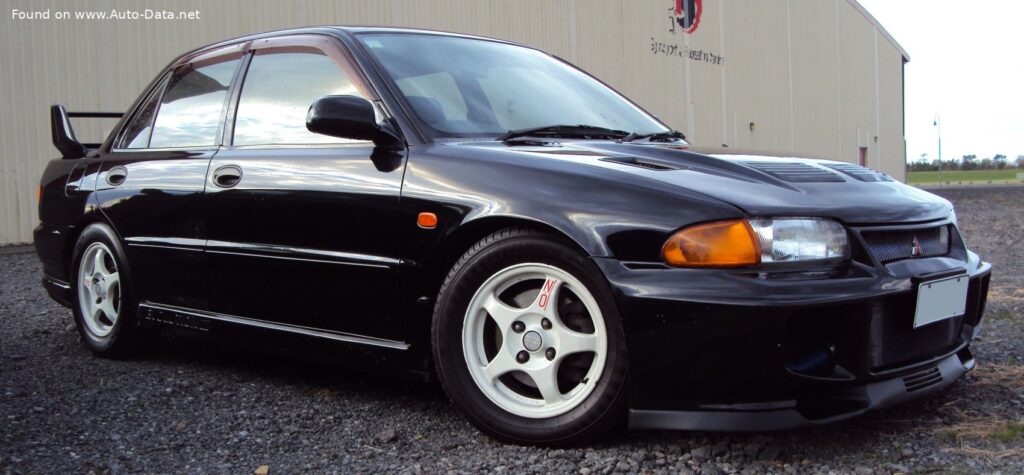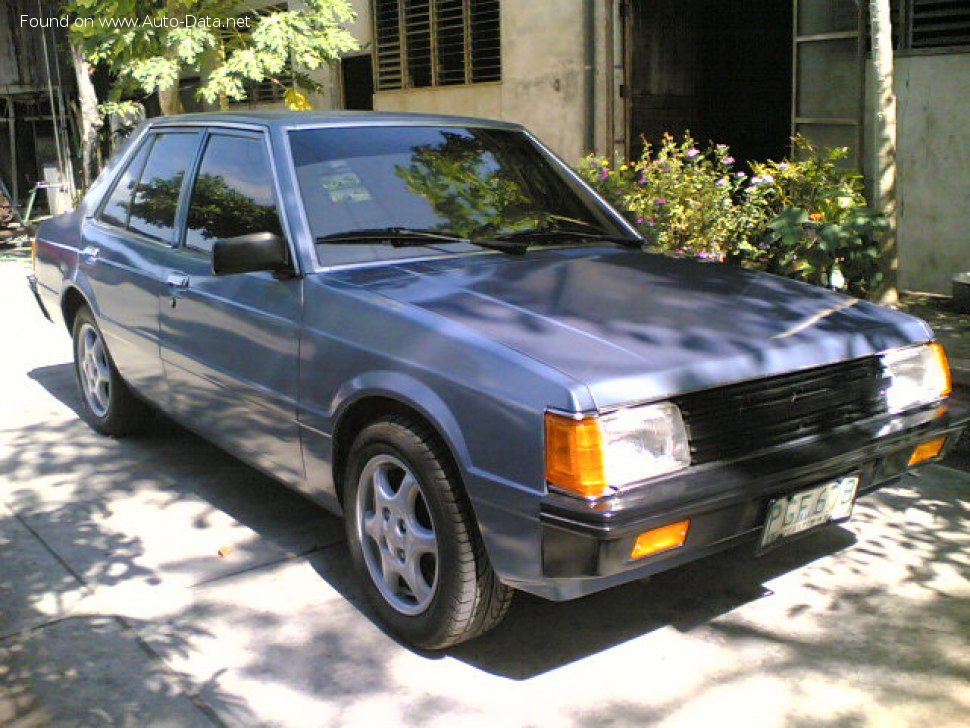
The Mitsubishi Lancer II 2.0 Turbo, produced between 1981 and 1983, represents a noteworthy chapter in the history of compact performance sedans. As part of the second generation of the Mitsubishi Lancer (internally designated the A170 series), this variant showcased Mitsubishi’s engineering capabilities and its early adoption of turbocharging technology. While the Lancer nameplate would later achieve international recognition with the Evolution series, the Lancer II 2.0 Turbo laid crucial groundwork, demonstrating that a compact sedan could deliver substantial power and a spirited driving experience. Primarily aimed at the Japanese domestic market (JDM) and select export regions, it competed with other performance-oriented compacts of the era, offering a blend of practicality and performance that was advanced for its time.
The 2.0 Turbo in the Lancer II Lineup
The Lancer II generation built upon its predecessor with improved aerodynamics, a more refined interior, and a wider range of engine options. However, the 2.0 Turbo model distinguished itself. With 170 horsepower, it positioned the Lancer II as a “sleeper” in the early 1980s performance car market. This variant sat at the top of the Lancer II performance hierarchy, offering a significant power increase over the naturally aspirated 1.6L and 2.0L models. It was a step up from the more economy-focused trims, targeting drivers who desired a more engaging and powerful driving experience. The 2.0 Turbo was not a volume seller like the base models, but it served as a halo car, showcasing Mitsubishi’s technological prowess.
Powertrain & Engine Architecture
The heart of the Mitsubishi Lancer II 2.0 Turbo was its 2.0-liter inline-four gasoline engine. This engine was significantly enhanced by a turbocharger, a relatively cutting-edge technology for compact cars in the early 1980s. The turbocharger dramatically increased the engine’s output to 170 horsepower. While specific engine codes (like the 4G63T found in later Evos) aren’t widely documented for this early iteration, it likely utilized a Mitsubishi-designed turbocharger system. The engine featured multi-port fuel injection, a significant improvement over carbureted engines of the time, contributing to improved fuel efficiency and responsiveness.
The valvetrain configuration was likely a single overhead camshaft (SOHC) design, common for engines of this era. The turbocharger system likely incorporated an intercooler to reduce intake air temperature, further enhancing performance and preventing detonation. The transmission paired with the 2.0 Turbo engine was a three- or four-speed automatic transmission, designed to handle the increased torque output. While a five-speed manual transmission was available on other Lancer II models, it wasn’t commonly paired with the 2.0 Turbo, particularly in export markets. The automatic transmission was geared for a balance of acceleration and fuel economy, prioritizing smooth operation over outright performance.
Driving Characteristics
The 170 hp / Automatic setup of the Lancer II 2.0 Turbo delivered a unique driving experience. Compared to the naturally aspirated Lancer II models, the turbocharger provided a noticeable power boost, particularly in the mid-range. While not as quick as a manual transmission version (had one been readily available), the automatic transmission offered ease of use and convenience. The turbo lag, a characteristic of early turbocharger systems, was present but manageable. Once the turbo spooled up, the acceleration was brisk, offering a surprising amount of power for a compact sedan.
The automatic transmission’s gear ratios were optimized for everyday driving, with a focus on smooth shifts and comfortable cruising. However, it lacked the direct control and responsiveness of a manual transmission. The suspension was tuned for a balance of comfort and handling, providing a reasonably compliant ride while still offering decent cornering stability. Compared to the more performance-focused Evolution models that would follow, the Lancer II 2.0 Turbo prioritized a more refined and accessible driving experience.
Equipment & Trim Levels
The Lancer II 2.0 Turbo typically came with a higher level of standard equipment compared to the base Lancer II models. This included features like upgraded upholstery (often cloth or vinyl), a more comprehensive instrument cluster with a boost gauge, and a leather-wrapped steering wheel. Power steering and power-assisted brakes were also common features. Optional extras included air conditioning, a premium sound system, and upgraded alloy wheels. The interior design was functional and driver-focused, with a clear layout and easy-to-use controls. The dashboard featured a combination of analog gauges and warning lights, providing essential information to the driver.
The exterior trim included unique badging (“Turbo” on the trunk lid and fenders), a subtle rear spoiler, and distinctive alloy wheels. The paint options were typically metallic colors, adding to the car’s sporty appearance. The overall trim level aimed to provide a comfortable and well-equipped driving experience without sacrificing practicality.
Chassis & Braking
The Lancer II 2.0 Turbo utilized a conventional front-engine, rear-wheel-drive chassis layout. The suspension consisted of MacPherson struts in the front and a solid axle with leaf springs in the rear. The rear drums were standard, although some higher-spec models may have featured rear disc brakes. The braking system was typically hydraulically assisted, providing adequate stopping power for everyday driving. A stabilizer bar was included in the front suspension to reduce body roll during cornering. The chassis was designed to provide a balance of comfort and handling, prioritizing stability and predictability over outright sportiness. The weight distribution was relatively balanced, contributing to neutral handling characteristics.
Market Reception & Comparison
Critics generally praised the Mitsubishi Lancer II 2.0 Turbo for its surprising performance and its blend of practicality and affordability. It was seen as a strong competitor to other performance-oriented compacts of the era. Fuel economy was reasonable for a turbocharged engine, although it was lower than the naturally aspirated models. Reliability was generally good, although the turbocharger system required more maintenance than a naturally aspirated engine. Compared to the 1.6L and 2.0L Lancer II models, the 2.0 Turbo offered a significant performance advantage, but it also came with a higher price tag. It was a more appealing option for drivers who prioritized performance over fuel economy and affordability.
Technical Specifications
| Brand | Mitsubishi |
| Model | Lancer |
| Generation | Lancer II |
| Type (Engine) | 2.0 Turbo (170 Hp) |
| Start of production | 1981 year |
| End of production | 1983 year |
| Powertrain Architecture | Internal Combustion engine |
| Body type | Sedan |
| Fuel Type | Petrol (Gasoline) |
| Power | 170 Hp |
| Engine aspiration | Turbocharger |
| Drivetrain | Internal Combustion engine |
Legacy
The Mitsubishi Lancer II 2.0 Turbo, despite its limited production run, holds a significant place in Mitsubishi’s history. It demonstrated the company’s commitment to turbocharging technology and its ability to create high-performance compact sedans. It served as a precursor to the legendary Lancer Evolution series, laying the groundwork for the rally-bred Evos that would dominate the World Rally Championship. In the used car market today, the Lancer II 2.0 Turbo is a rare and sought-after vehicle, particularly among JDM enthusiasts. Its value has been steadily increasing in recent years, reflecting its historical significance and its limited availability. The powertrain, while not as sophisticated as modern engines, proved to be relatively durable and reliable, with many examples still running today. It remains a testament to Mitsubishi’s engineering prowess and its enduring commitment to performance.