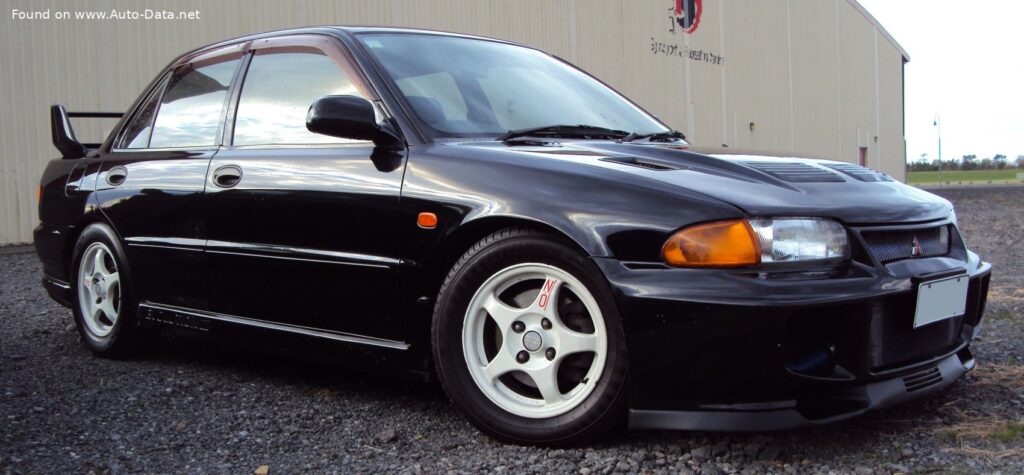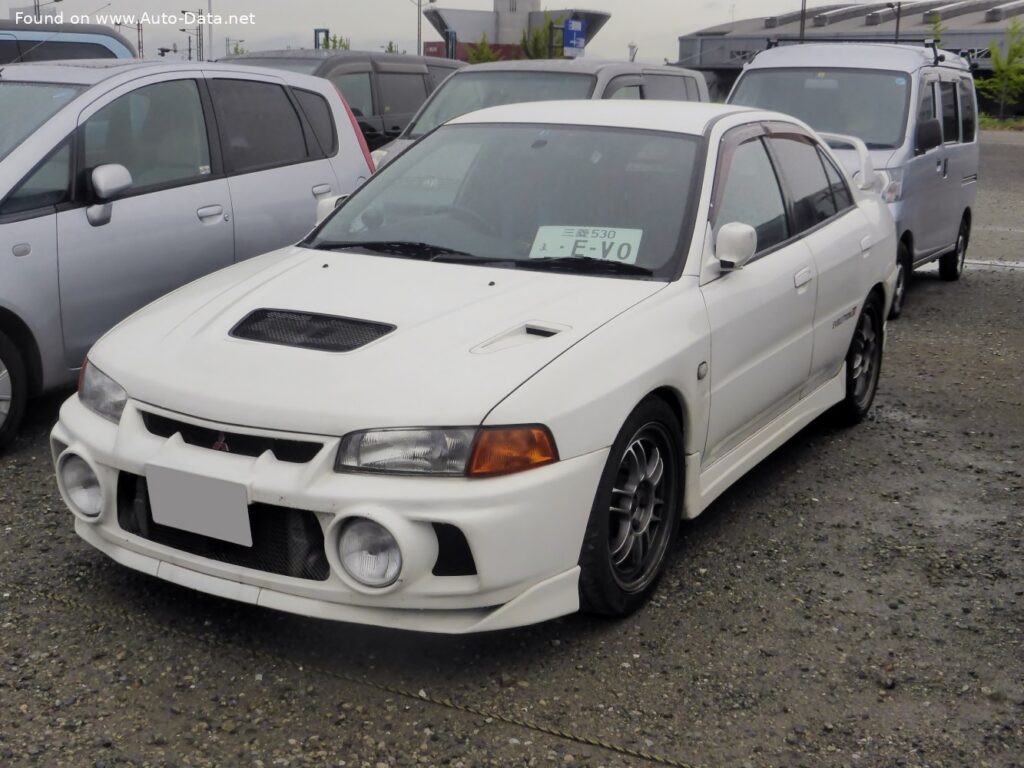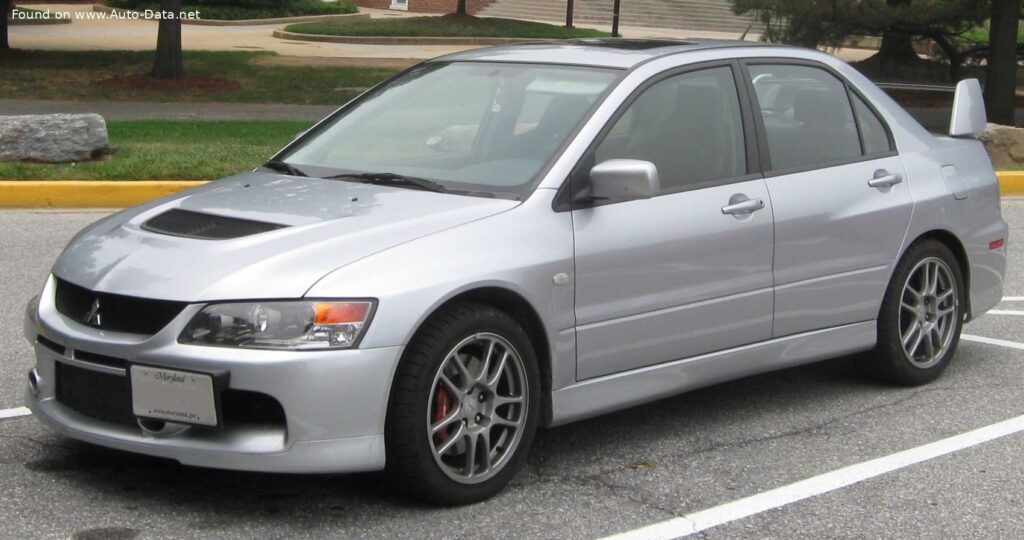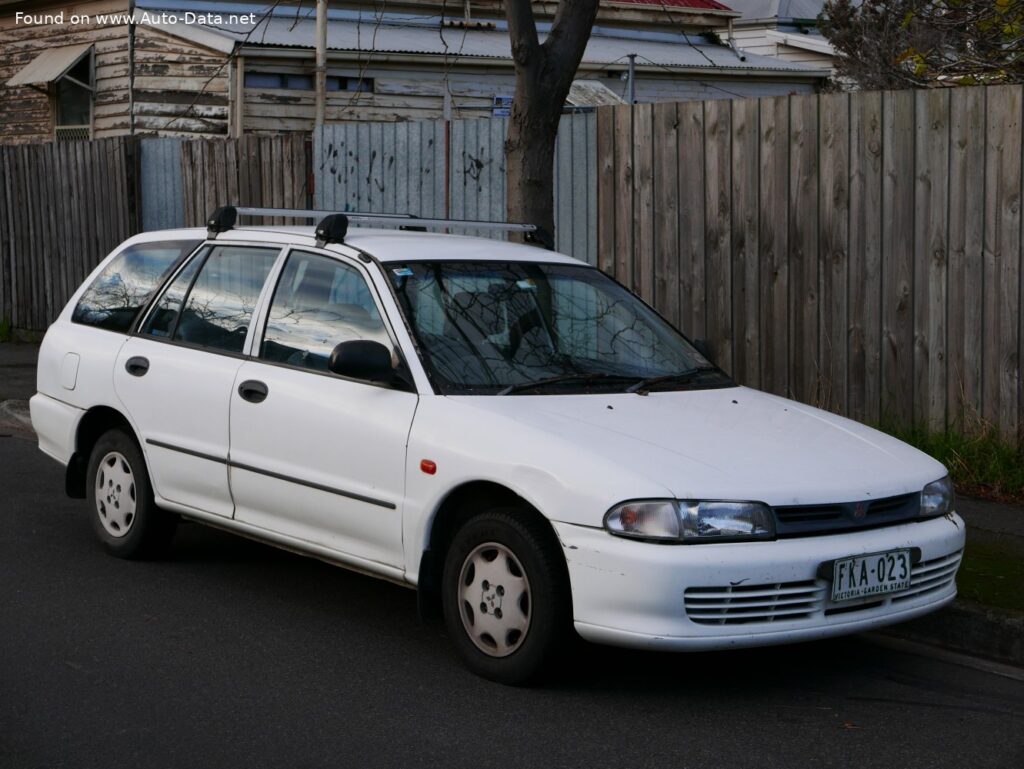
The Mitsubishi Lancer, a nameplate recognized for its dependability and, in higher trims, performance, holds a nuanced position in the North American automotive market. Often appearing under different badges, the Lancer’s story is one of global engineering adapted for diverse consumer needs. The fifth-generation Lancer, produced from 1992 to 2000, included the Lancer V Wagon 2.0 D (68 Hp), a utilitarian and economical variant that exemplified Mitsubishi’s commitment to serving a broad spectrum of international markets. This diesel-powered wagon, while not a common sight on North American roads, represents a period where practicality, fuel efficiency, and robust engineering were prioritized.
The Mitsubishi Lancer V Wagon 2.0 D: A Testament to Global Engineering
The fifth generation of the Mitsubishi Lancer, also known as the Lancer/Mirage in several regions, marked a significant advancement for the Japanese automaker in the early 1990s. While North America primarily received gasoline-powered sedan and hatchback versions, frequently marketed as the Mirage, the global market benefited from a wider range of body styles, including the practical station wagon. The 2.0 D variant, with its focus on diesel economy, was a prime example of Mitsubishi tailoring its offerings to specific regional demands, particularly in Europe and Asia where diesel engines enjoyed a larger market share in the compact vehicle segment.
Engine & Performance: The Diesel Drivetrain’s Pragmatic Appeal
The Mitsubishi Lancer V Wagon 2.0 D was powered by a naturally aspirated, inline four-cylinder diesel engine, designated the 4D68. Displacing 1998 cm3 (approximately 2.0 liters or 121.93 cubic inches), this engine was designed for durability and efficiency rather than high performance. It produced 68 horsepower at 4500 rpm, a figure modest by contemporary standards. However, its strength lay in its torque output of 123 Nm (90.72 lb-ft) at 3000 rpm. This torque curve provided adequate pulling power for everyday tasks and highway cruising, especially when coupled with its standard 5-speed manual transmission.
Performance figures reflected its practical nature. Acceleration from 0 to 60 mph took 15.4 seconds, with a top speed of 96.31 mph (155 km/h). While not a performance-oriented vehicle, its combined fuel economy of 38.6 US mpg (6.1 l/100 km) was a significant advantage, particularly in regions with higher fuel costs or a greater emphasis on long-term operating expenses. This efficiency, combined with Mitsubishi’s reputation for reliability, made it an appealing choice for budget-conscious buyers and fleet operators worldwide.
Design & Features: Functionality and Early 90s Innovation
As a vehicle from the early 1990s, the Mitsubishi Lancer V Wagon 2.0 D embodied the design principles of the era: clean, functional, and aerodynamic. Its station wagon body style offered a practical solution for families and individuals needing substantial cargo space without the size of larger SUVs or vans. The design was understated, featuring smooth lines and a relatively low beltline for good visibility. The five-door, five-seat configuration provided versatile passenger and cargo arrangements, with a minimum trunk capacity of 16.6 cubic feet (470 liters) expanding to 26.13 cubic feet (740 liters) with the rear seats folded.
For its time, the Lancer V Wagon included features such as front ventilated disc brakes and rear drum brakes, supplemented by an Anti-lock Braking System (ABS). Power steering, utilizing a hydraulic rack-and-pinion system, simplified maneuvering in urban environments. The robust suspension system, with wishbones at the front and coil springs at the rear, delivered a comfortable and stable ride suitable for various road conditions. While lacking the advanced infotainment and driver-assistance systems of modern vehicles, its simplicity and mechanical integrity were key strengths.
In terms of collectibility in North America, the 2.0 D diesel wagon is a rare find. Its limited availability in this market means it doesn’t command high collector values compared to performance-focused Lancers like the Evolution. However, its rarity may appeal to dedicated Mitsubishi enthusiasts or those seeking a unique piece of automotive history. Its durable diesel engine and manual transmission also offer a simpler, more engaging driving experience appreciated by some classic car enthusiasts.
Market Legacy: A Niche Player in North America
The Mitsubishi Lancer V Wagon 2.0 D (68 Hp) established its legacy primarily outside of North America. During the 1990s, the North American automotive market favored gasoline engines, with diesel options largely limited to heavy-duty trucks or European luxury brands. Compact wagons, while available, faced competition from popular sedans and the growing SUV segment. In North America, the Lancer nameplate was often marketed as the Mitsubishi Mirage, competing with established models like the Honda Civic, Toyota Corolla, and Ford Escort/Mercury Tracer.
While the specific 2.0 D diesel wagon wasn’t widely marketed in the USA or Canada, the broader Lancer/Mirage platform was considered a competent, though somewhat conservative, entry in the compact segment. Its appeal rested on its affordability, reliability, and fuel economy (for its gasoline variants). MSRPs for gasoline-powered Lancer/Mirage models in the early to mid-1990s typically ranged from $10,000 to $15,000, positioning them as value-oriented alternatives.
Introducing the diesel wagon more broadly in North America would likely have yielded a mixed reception. Its exceptional fuel economy would have attracted a niche segment of pragmatic buyers or those in specific commercial applications. However, its modest power output and the prevailing North American preference for gasoline engines and automatic transmissions would have limited its mass-market appeal. Nevertheless, its existence highlights Mitsubishi’s global manufacturing strategy and its ability to produce reliable, economical vehicles tailored to diverse international requirements, even if not all variants reached North American shores.
TECHNICAL SPECIFICATIONS: Mitsubishi Lancer V Wagon 2.0 D (68 Hp)
| Brand | Mitsubishi |
| Model | Lancer |
| Generation | Lancer V Wagon |
| Type (Engine) | 2.0 D (68 Hp) |
| Start of Production | 1992 year |
| End of Production | 2000 year |
| Powertrain Architecture | Internal Combustion engine |
| Body type | Station wagon (estate) |
| Seats | 5 |
| Doors | 5 |
| Fuel consumption (economy) – combined | 6.1 l/100 km (38.6 US mpg, 46.3 UK mpg) |
| Fuel Type | Diesel |
| Acceleration 0 – 60 mph | 15.4 sec |
| Maximum speed | 155 km/h (96.31 mph) |
| Weight-to-power ratio | 16.6 kg/Hp, 60.3 Hp/tonne |
| Weight-to-torque ratio | 9.2 kg/Nm, 109 Nm/tonne |
| Power | 68 Hp @ 4500 rpm |
| Power per litre | 34 Hp/l |
| Torque | 123 Nm @ 3000 rpm (90.72 lb-ft @ 3000 rpm) |
| Engine layout | Front, Transverse |
| Engine Model/Code | 4D68 |
| Engine displacement | 1998 cm3 (121.93 cu. in.) |
| Number of cylinders | 4 |
| Engine configuration | Inline |
| Cylinder Bore | 82.7 mm (3.26 in.) |
| Piston Stroke | 93 mm (3.66 in.) |
| Compression ratio | 22.4:1 |
| Number of valves per cylinder | 2 |
| Fuel injection system | Precombustion chamber injection |
| Engine aspiration | Naturally aspirated engine |
| Valvetrain | OHC |
| Engine oil capacity | 5.1 l (5.39 US qt) |
| Coolant | 6 l (6.34 US qt) |
| Kerb Weight | 1128 kg (2486.81 lbs) |
| Max. weight | 1620 kg (3571.49 lbs) |
| Max load | 492 kg (1084.67 lbs) |
| Trunk (boot) space – minimum | 470 l (16.6 cu. ft.) |
| Trunk (boot) space – maximum | 740 l (26.13 cu. ft.) |
| Fuel tank capacity | 50 l (13.21 US gal) |
| Length | 4275 mm (168.31 in.) |
| Width | 1690 mm (66.54 in.) |
| Height | 1470 mm (57.87 in.) |
| Wheelbase | 2500 mm (98.43 in.) |
| Front track | 1420 mm (55.91 in.) |
| Rear (Back) track | 1420 mm (55.91 in.) |
| Drivetrain Architecture | The Internal combustion engine (ICE) drives the front wheels of the vehicle. |
| Drive wheel | Front wheel drive |
| Number of gears and type of gearbox | 5 gears, manual transmission |
| Front suspension | Wishbone |
| Rear suspension | Coil spring |
| Front brakes | Ventilated discs |
| Rear brakes | Drum |
| Assisting systems | ABS (Anti-lock braking system) |
| Steering type | Steering rack and pinion |
| Power steering | Hydraulic Steering |
| Tires size | 175/70 R13 |