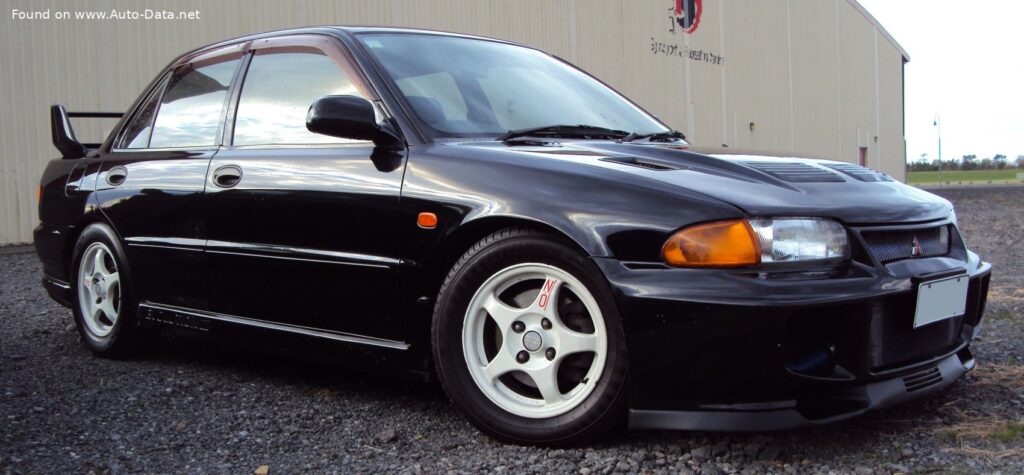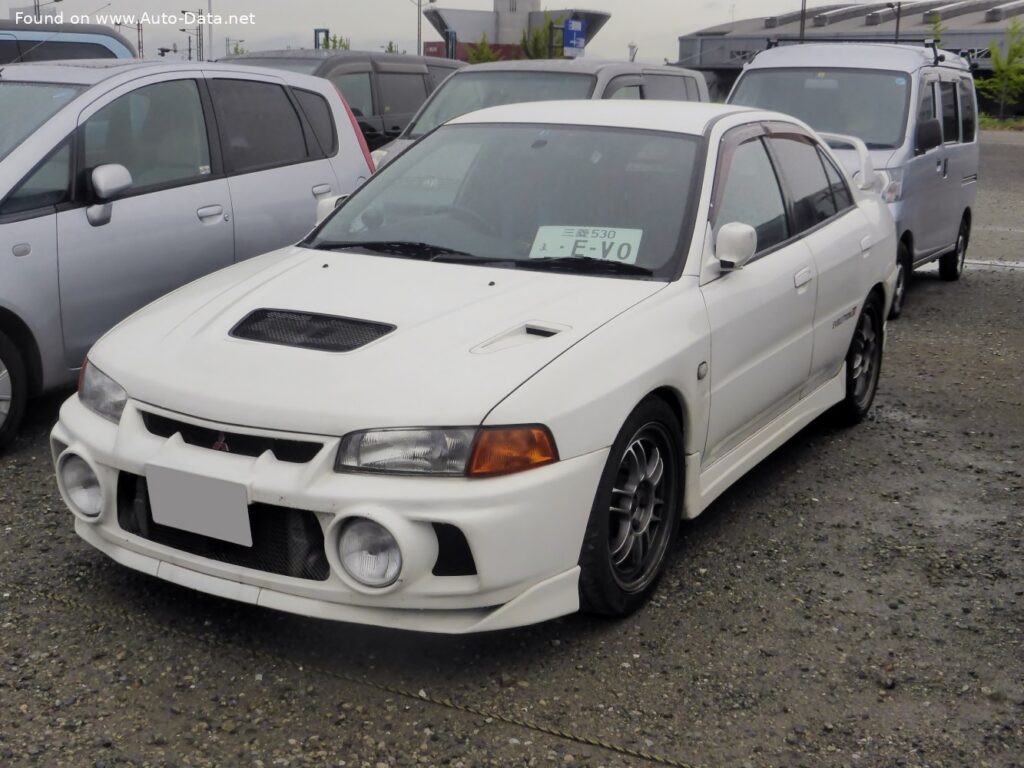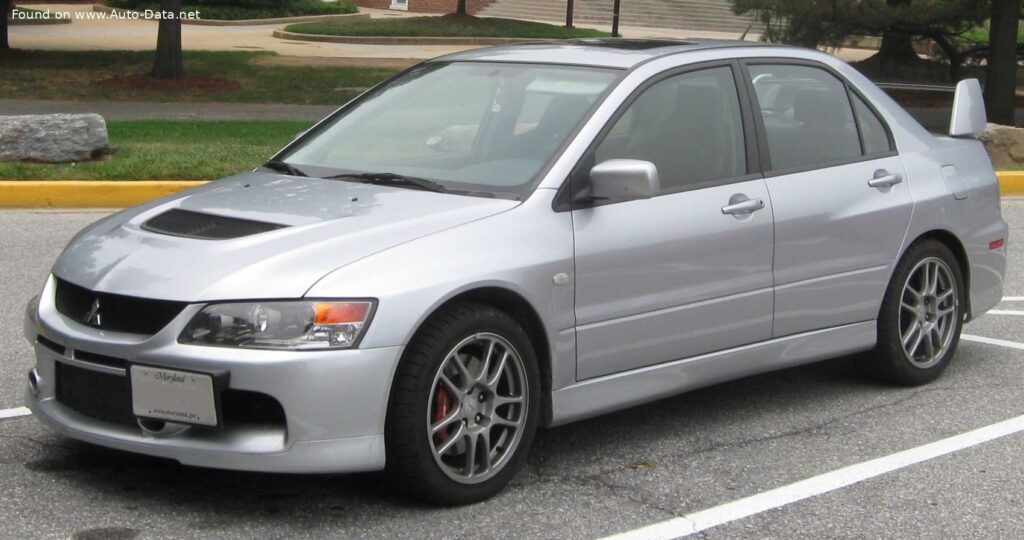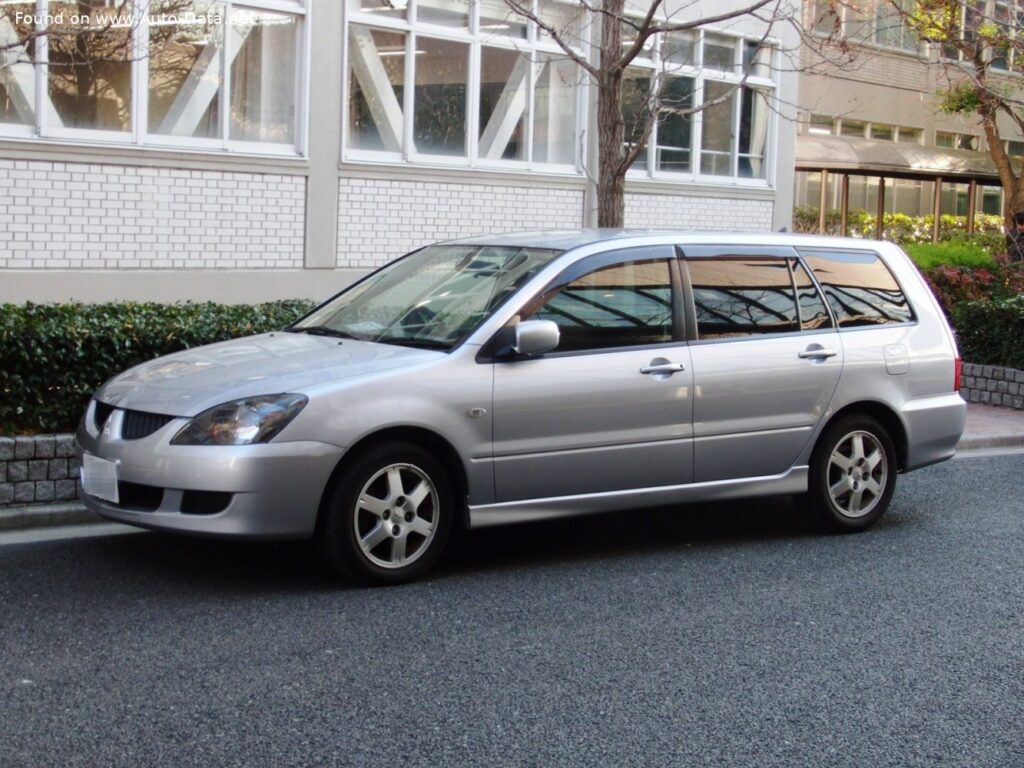
The Mitsubishi Lancer VIII Wagon Sport 1.6i 16V (98 Hp) represents a practical and understated chapter in the Lancer’s diverse global history. Produced by the Japanese automaker Mitsubishi Motors from 2003 to 2009, this specific model belonged to the eighth generation of the Lancer, which adopted different forms and names across various international markets. While the Lancer name might evoke images of rally-bred performance in North America due to the iconic Evolution variants, the Lancer VIII Wagon, particularly in its 1.6i 16V Sport guise, carved out a niche as a dependable, economical, and spacious family vehicle primarily for European and Asian markets. It was a direct competitor in the highly contested compact (C-segment) station wagon category, offering a compelling blend of utility, Japanese reliability, and sensible running costs. This variant was designed to cater to a demographic prioritizing cargo capacity and everyday usability over outright speed or aggressive styling, embodying Mitsubishi’s commitment to diverse market needs.
Mitsubishi Lancer VIII Wagon Sport: A Detailed Overview
Engine & Performance
Under the hood of the Mitsubishi Lancer VIII Wagon Sport 1.6i 16V (98 Hp) lay a naturally aspirated 1.6-liter (1584 cm3 or 96.66 cu. in.) inline four-cylinder engine, designated by Mitsubishi as the 4G18. This powerplant was engineered for efficiency and reliability, typical of Mitsubishi’s offerings in the compact segment. It produced a respectable 98 horsepower at 5000 revolutions per minute (rpm) and 110.63 lb.-ft. of torque at 4000 rpm. With a compression ratio of 10:1 and a multi-port manifold injection system, the engine delivered smooth power delivery, characteristic of its single overhead camshaft (OHC) valvetrain with four valves per cylinder.
Power was transmitted to the front wheels via a robust 5-speed manual transmission, a common and reliable choice for this class of vehicle, offering drivers direct control and contributing to the car’s overall efficiency. In terms of acceleration, the Lancer VIII Wagon Sport 1.6i 16V could go from 0 to 60 mph in approximately 12 seconds, reaching a maximum speed of 112.47 mph. While these figures might not set any performance records, they were entirely adequate for daily commuting, family trips, and highway cruising within its intended markets.
Fuel economy was a strong suit for this Lancer variant, especially important in regions with higher fuel prices. The combined fuel consumption was rated at an impressive 33.6 US miles per gallon (7 liters per 100 km), with extra-urban driving yielding up to 40.6 US mpg (5.8 liters per 100 km). This efficiency, coupled with a 13.21 US gallon fuel tank, provided a decent cruising range, enhancing its appeal as a practical long-distance tourer or a frugal daily driver. The vehicle’s weight-to-power ratio stood at 13 kg/Hp (76.9 Hp/tonne), underscoring its focus on balanced performance and economy rather than raw power.
Design & Features
The Mitsubishi Lancer VIII Wagon adopted a conventional yet appealing station wagon (estate) body type, prioritizing interior volume and cargo versatility. Measuring 176.57 inches in length, 66.73 inches in width, and 57.09 inches in height, with a wheelbase of 102.36 inches, the Lancer Wagon offered a comfortable and stable ride. Its design was functional and understated, featuring clean lines and a practical five-door, five-seat configuration. The exterior styling was contemporary for its early 2000s production period, reflecting Mitsubishi’s global design language without the aggressive flair of its sportier Lancer siblings.
Inside, the Lancer Wagon was designed with practicality and user-friendliness in mind. The cabin provided ample space for five occupants, with comfortable seating suitable for longer journeys. However, the true highlight of the wagon body style was its cargo capacity. With the rear seats in place, the trunk offered a generous 14.13 cubic feet (400 liters) of space. Folding down the rear seats significantly expanded this volume to an impressive 42.38 cubic feet (1200 liters), making it highly capable of accommodating luggage, groceries, sports equipment, or even small furniture items. This versatility was a key selling point for families and individuals requiring substantial hauling capabilities without opting for a larger SUV.
Regarding chassis and safety, the Lancer VIII Wagon was equipped with a robust setup. It featured spring strut front suspension and a transverse stabilizer bar for the rear, providing a comfortable ride and predictable handling. Braking duties were handled by ventilated discs at the front and solid discs at the rear, complemented by an Anti-lock Braking System (ABS) for enhanced safety during emergency stops. The steering system utilized a hydraulic rack and pinion setup, offering direct feedback to the driver. Standard equipment included 195/50 R16 tires mounted on 6.5J x 16 wheel rims, contributing to both aesthetics and road holding.
Technical Specifications
| Category | Specification |
| General Information | Brand |
| Mitsubishi | |
| Model | |
| Lancer | |
| Generation | |
| Lancer VIII Wagon | |
| Type (Engine) | |
| Sport 1.6i 16V (98 Hp) | |
| Production Years | |
| 2003 – 2009 | |
| Body Type | |
| Station wagon (estate), 5 Doors, 5 Seats | |
| Engine Specifications | Engine Model/Code |
| 4G18 | |
| Engine Layout | |
| Front, Transverse | |
| Engine Displacement | |
| 1.6 liters (1584 cm3 / 96.66 cu. in.) | |
| Power | |
| 98 Hp @ 5000 rpm | |
| Torque | |
| 110.63 lb.-ft. (150 Nm) @ 4000 rpm | |
| Number of Cylinders | |
| 4, Inline | |
| Valvetrain | |
| OHC, 4 valves per cylinder | |
| Aspiration | |
| Naturally aspirated | |
| Performance | Acceleration 0-60 mph |
| 12 seconds | |
| Maximum Speed | |
| 112.47 mph (181 km/h) | |
| Fuel Type | |
| Petrol (Gasoline) | |
| Fuel Economy (Combined) | |
| 33.6 US mpg (7 l/100 km) | |
| Fuel Economy (Urban) | |
| 26.4 US mpg (8.9 l/100 km) | |
| Fuel Economy (Extra Urban) | |
| 40.6 US mpg (5.8 l/100 km) | |
| Dimensions & Weights | Length |
| 176.57 inches (4485 mm) | |
| Width | |
| 66.73 inches (1695 mm) | |
| Height | |
| 57.09 inches (1450 mm) | |
| Wheelbase | |
| 102.36 inches (2600 mm) | |
| Curb Weight | |
| 2810.89 lbs. (1275 kg) | |
| Max. Weight | |
| 3924.23 lbs. (1780 kg) | |
| Fuel Tank Capacity | |
| 13.21 US gallons (50 l) | |
| Cargo Volume | |
| Trunk Space (Minimum) | |
| 14.13 cu. ft. (400 l) | |
| Trunk Space (Maximum) | |
| 42.38 cu. ft. (1200 l) | |
| Max Load | |
| 1113.33 lbs. (505 kg) | |
| Drivetrain & Chassis | Drivetrain Architecture |
| Front wheel drive | |
| Gearbox Type | |
| 5-speed Manual Transmission | |
| Front Suspension | |
| Spring Strut | |
| Rear Suspension | |
| Transverse stabilizer | |
| Front Brakes | |
| Ventilated discs | |
| Rear Brakes | |
| Disc | |
| Assisting Systems | |
| ABS (Anti-lock braking system) | |
| Steering & Wheels | Steering Type |
| Steering rack and pinion | |
| Power Steering | |
| Hydraulic Steering | |
| Tires Size | |
| 195/50 R16 |
Legacy and Market Impact
The Mitsubishi Lancer VIII Wagon Sport 1.6i 16V (98 Hp) played a crucial role in Mitsubishi’s strategy to maintain a strong presence in the European and Asian compact car markets during the early to mid-2000s. Unlike the high-performance Lancer Evolution models that captured enthusiast attention globally, this wagon variant was aimed squarely at the mainstream consumer seeking a reliable, practical, and economical mode of transport. Its reputation was built on Mitsubishi’s long-standing tradition of engineering durable and dependable vehicles, often lauded for their robustness and lower maintenance requirements compared to some European rivals.
In its primary markets, the Lancer VIII Wagon competed against a formidable array of rivals, including the Ford Focus Wagon, Opel Astra Wagon, Volkswagen Golf Variant, Toyota Corolla Wagon, and Honda Civic Tourer. While it might not have possessed the same level of brand cachet or dynamic flair as some European competitors, the Lancer Wagon offered a compelling value proposition. Its generous cargo space, proven mechanicals, and competitive fuel economy made it an attractive option for families, small businesses, and individuals prioritizing utility and running costs.
The Lancer VIII Wagon’s historical significance lies in its embodiment of Mitsubishi’s global reach and adaptability. It demonstrated the brand’s ability to cater to diverse market demands, providing a sensible, practical offering alongside its more performance-oriented or SUV-focused products. While it may not be as celebrated as its rally-bred siblings, the Lancer VIII Wagon cemented its place as a workhorse, contributing significantly to Mitsubishi’s sales volumes in specific regions. Its legacy is one of quiet competence, reliability, and an unwavering commitment to meeting the practical needs of everyday drivers, reinforcing Mitsubishi’s image as a manufacturer of dependable and versatile automobiles. The end of its production in 2009 marked the conclusion of this particular Lancer generation, paving the way for new iterations that continued to evolve with changing market trends and consumer preferences.