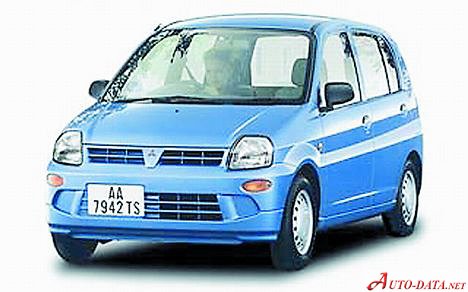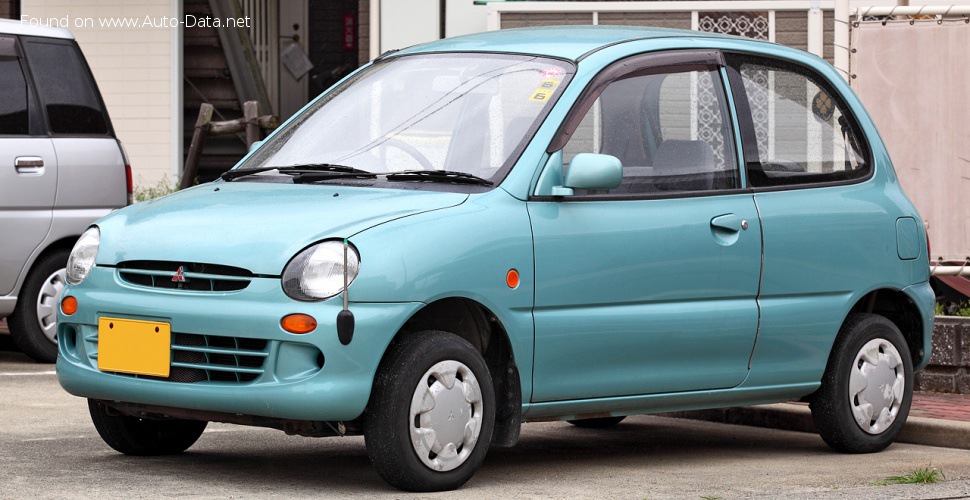
The Mitsubishi Minica V, a distinct and significant model within Mitsubishi’s long-running Minica series, represents the fifth generation of this venerable nameplate. Produced from 1993 to 1999, the Minica V solidified its position as a quintessential “Kei car” in the Japanese domestic market (JDM). Kei cars, or “Kei jidōsha” (light automobile), are a unique category of small vehicles in Japan that benefit from significant tax and insurance incentives, as well as reduced parking space requirements, making them incredibly popular for urban commuting and as secondary household vehicles. The Minica V, with its compact dimensions, efficient powertrain, and practical hatchback body style, perfectly embodied the spirit and regulations of the Kei car segment during the 1990s, offering an affordable and highly maneuverable solution to Japan’s dense urban environments.
The Mitsubishi Minica V: A Kei Car Icon
Designed specifically to navigate the narrow streets and tight parking spaces prevalent across Japan, the Minica V prioritized fuel efficiency, low running costs, and maximum interior space within its diminutive footprint. While never officially imported or sold in the United States, its engineering and design philosophy offer a fascinating glimpse into a segment of the automotive world dictated by stringent regulations and a unique set of consumer demands. This generation continued the Minica’s legacy as a reliable and accessible mode of transportation, showcasing Mitsubishi’s expertise in developing compact and efficient vehicles tailored for a specific, demanding market.
Engine & Performance
At the heart of the Mitsubishi Minica V 0.66 CE (40 Hp) model was a powertrain engineered for efficiency and compliance with strict Kei car regulations, which capped engine displacement at 660 cubic centimeters (0.66 liters). This particular variant featured a naturally aspirated 0.66-liter (657 cm3 or 40.09 cu. in.) inline three-cylinder engine. Despite its small displacement, this engine was a marvel of compact engineering, designed to deliver adequate power for urban driving while maintaining exceptional fuel economy.
The engine produced a modest but entirely suitable 40 horsepower at 6000 rpm, with a power-per-liter rating of 60.9 Hp/l, which was respectable for a carbureted, naturally aspirated engine of its era. Torque output stood at 37.62 lb.-ft. (51 Nm) at 4000 rpm, providing sufficient low-end grunt for stop-and-go city traffic. The engine’s layout was front, transverse, driving the front wheels, a common and efficient configuration for compact vehicles of this type. It featured a simple yet robust Overhead Cam (OHC) valvetrain with two valves per cylinder and a compression ratio of 9.8:1. Fuel delivery was managed by a carburettor, a technology still common in entry-level vehicles during the early to mid-1990s.
Power was transferred to the front wheels via a 4-speed manual transmission, offering direct control and contributing to the vehicle’s overall fuel efficiency. This drivetrain architecture, combined with the vehicle’s remarkably low curb weight of just 1433 lbs (650 kg), resulted in a weight-to-power ratio of 16.3 kg/Hp. While the top speed of 68.35 mph (110 km/h) might seem modest by American standards, it was more than sufficient for the Minica V’s intended use on Japanese urban roads and occasional highway stretches, where its primary advantages of maneuverability and economy truly shone. The fuel economy was a standout feature, rated at an impressive 58.8 US mpg (4 l/100 km) in combined driving, making it an incredibly economical choice for daily commuting.
Design & Features
The design of the Mitsubishi Minica V was dictated by the functional requirements and dimensional constraints of the Kei car segment. It adopted a practical 3-door hatchback body type, offering a sensible balance between compact exterior dimensions and usable interior space for up to four occupants. Its length of 129.72 inches (3295 mm), width of 54.92 inches (1395 mm), and height of 58.07 inches (1475 mm) were all meticulously crafted to stay within the Kei car limits, ensuring its eligibility for the associated benefits.
Despite its small stature, the Minica V aimed to maximize utility. The hatchback configuration allowed for flexible cargo space, making it suitable for shopping trips or carrying small items. The cabin, while compact, was designed with a focus on ergonomics and ease of use, typical of Japanese engineering in this segment. The wheelbase of 89.76 inches (2280 mm) contributed to a remarkably tight minimum turning circle of just 27.56 feet (8.4 m), making the Minica V exceptionally agile and easy to park in crowded urban environments – a critical attribute for its target market.
In terms of features, the Minica V 0.66 CE (40 Hp) was equipped with fundamental yet effective systems. It featured a steering rack and pinion system with hydraulic power steering, significantly aiding maneuverability at low speeds. For braking, the vehicle utilized disc brakes at the front and drum brakes at the rear, a common and cost-effective setup for vehicles of its class. Notably, the inclusion of an Anti-lock Braking System (ABS) was a significant safety feature for a Kei car of the 1990s, reflecting a growing emphasis on active safety even in entry-level segments. The vehicle rode on 145/65 R13 tires, providing a balance of comfort and efficiency for its light weight and urban duties. The overall design ethos was one of no-frills practicality, reliability, and efficient space utilization, making it a highly functional vehicle for its intended purpose.
Technical Specifications
| Category | Specification |
| Brand | Mitsubishi |
| Model | Minica |
| Generation | Minica V |
| Type (Engine) | 0.66 CE (40 Hp) |
| Start of Production | 1993 year |
| End of Production | 1999 year |
| Powertrain Architecture | Internal Combustion Engine (ICE) |
| Body Type | Hatchback |
| Seats | 4 |
| Doors | 3 |
| Performance Specs | |
| Fuel Consumption (Combined) | 58.8 US mpg (4 l/100 km) |
| Fuel Type | Petrol (Gasoline) |
| Maximum Speed | 68.35 mph (110 km/h) |
| Weight-to-Power Ratio | 16.3 kg/Hp (61.5 Hp/tonne) |
| Weight-to-Torque Ratio | 12.7 kg/Nm (78.5 Nm/tonne) |
| Engine Specs | |
| Power | 40 Hp @ 6000 rpm |
| Power per Liter | 60.9 Hp/l |
| Torque | 37.62 lb.-ft. (51 Nm) @ 4000 rpm |
| Engine Layout | Front, Transverse |
| Engine Displacement | 40.09 cu. in. (657 cm3) |
| Number of Cylinders | 3 |
| Engine Configuration | Inline |
| Cylinder Bore | 2.56 in. (65 mm) |
| Piston Stroke | 2.6 in. (66 mm) |
| Compression Ratio | 9.8:1 |
| Number of Valves per Cylinder | 2 |
| Fuel Injection System | Carburettor |
| Engine Aspiration | Naturally Aspirated Engine |
| Valvetrain | OHC |
| Space, Volume and Weights | |
| Kerb Weight | 1433 lbs (650 kg) |
| Fuel Tank Capacity | 8.45 US gal (32 l) |
| Dimensions | |
| Length | 129.72 in. (3295 mm) |
| Width | 54.92 in. (1395 mm) |
| Height | 58.07 in. (1475 mm) |
| Wheelbase | 89.76 in. (2280 mm) |
| Front Track | 47.83 in. (1215 mm) |
| Rear (Back) Track | 47.83 in. (1215 mm) |
| Minimum Turning Circle | 27.56 ft. (8.4 m) |
| Drivetrain, Brakes and Suspension Specs | |
| Drivetrain Architecture | Front-wheel drive (ICE drives front wheels) |
| Drive Wheel | Front Wheel Drive |
| Number of Gears & Gearbox Type | 4 gears, Manual Transmission |
| Front Suspension | Spring Strut |
| Rear Suspension | Coil Spring |
| Front Brakes | Disc |
| Rear Brakes | Drum |
| Assisting Systems | ABS (Anti-lock Braking System) |
| Steering Type | Steering Rack and Pinion |
| Power Steering | Hydraulic Steering |
| Tires Size | 145/65 R13 R |
Legacy and Market Impact of the Mitsubishi Minica V
The Mitsubishi Minica V played a crucial role in the competitive Japanese Kei car market throughout the 1990s, continuing a legacy that began with the original Minica in 1962. For over three decades, the Minica nameplate had been synonymous with affordable, reliable, and highly practical urban transport in Japan. The fifth generation, produced from 1993 to 1999, upheld this reputation, adapting to evolving consumer preferences and technological advancements within the strict Kei car framework.
In Japan, Kei cars are more than just small vehicles; they are a vital component of the country’s automotive ecosystem. They enjoy significant tax breaks, lower insurance premiums, and exemptions from certain parking space requirements, making them incredibly attractive to first-time buyers, urban dwellers, and families seeking a second, economical vehicle. The Minica V capitalized on these benefits, offering a no-frills, dependable solution for daily commuting, shopping, and navigating Japan’s often-congested cities and narrow backstreets.
The Minica V’s primary competitors in the Kei car segment included other highly popular models such as the Suzuki Alto, Daihatsu Mira, and Subaru Vivio. Each of these vehicles offered similar attributes in terms of size, engine displacement, and focus on economy, creating a fiercely competitive market where manufacturers constantly vied for efficiency, cost-effectiveness, and clever packaging. The Minica V distinguished itself through its robust Mitsubishi engineering, practical interior, and, for its era, notable inclusion of features like ABS, which added a layer of safety that was highly valued by consumers.
Its legacy is one of quiet competence and enduring utility. While it may not possess the exotic appeal of sports cars or the grandeur of luxury sedans, the Minica V, like its Kei car brethren, represents a pinnacle of automotive engineering focused on efficiency and practicality under stringent regulations. It demonstrated Mitsubishi’s ability to produce a vehicle that perfectly met the specific demands of its domestic market, providing millions of Japanese consumers with reliable, economical, and maneuverable transportation. The Minica V, with its simple yet effective design and powertrain, remains a testament to the ingenuity required to thrive in one of the world’s most unique automotive segments, solidifying its place in the history of compact Japanese automobiles.