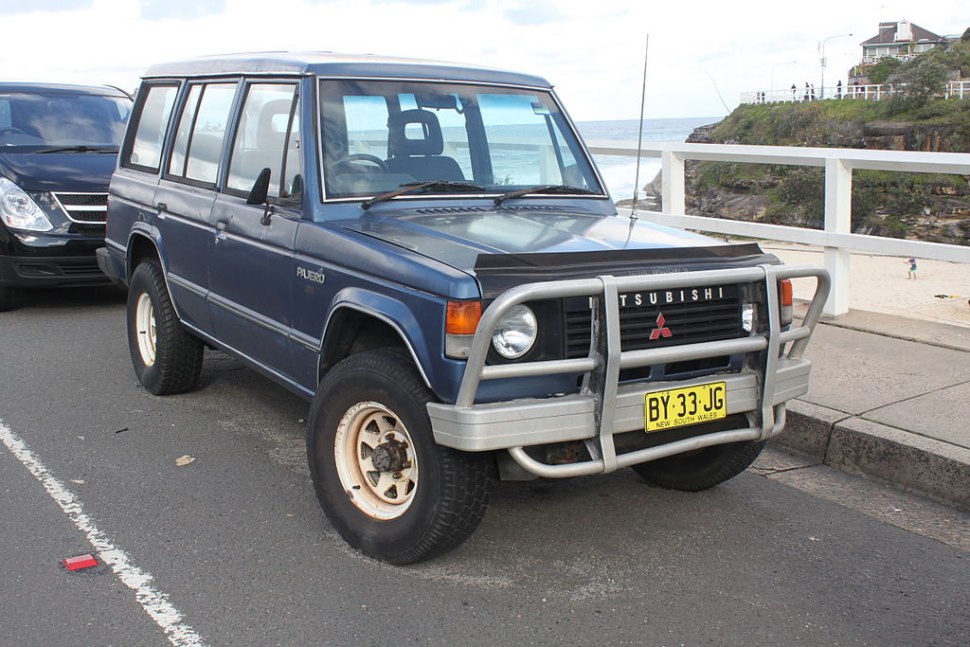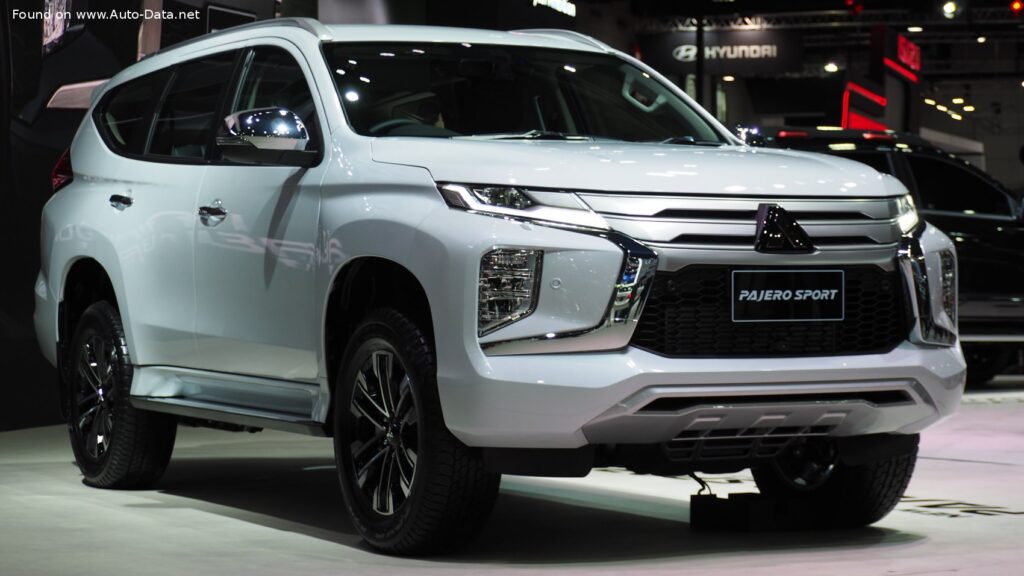
The Mitsubishi Pajero Sport III (facelift 2019) represents a significant evolution in the brand’s robust SUV lineup, primarily catering to markets in Asia, Australia, and parts of Europe where demand for capable, body-on-frame utility vehicles remains strong. This third-generation model, known as the Shogun Sport in some regions, received a comprehensive facelift in July 2019, enhancing its aesthetic appeal, interior refinement, and technological offerings. Positioned as a versatile mid-size SUV, it bridges the gap between urban usability and genuine off-road prowess, offering a compelling package for families and adventurers alike. The specific variant under consideration, the 2.4 DI-D (181 Hp) Automatic, underscores Mitsubishi’s commitment to efficient diesel powertrains coupled with smooth automatic transmissions, delivering a balanced blend of power and economy for diverse driving conditions.
Engine and Performance of the Mitsubishi Pajero Sport III (facelift 2019)
At the heart of the Mitsubishi Pajero Sport III (facelift 2019) 2.4 DI-D variant lies a potent and refined diesel engine designed for durability and performance. The 4N15 engine model, an inline four-cylinder unit, boasts a displacement of 2,442 cubic centimeters (149.02 cu. in.), making it a workhorse capable of handling demanding tasks. This powerplant generates a robust 181 horsepower at 3500 revolutions per minute, translating to a power-per-liter output of 74.1 Hp/l, indicative of its efficient design. More critically for an SUV of its stature, the engine delivers a substantial 430 Newton-meters (317.15 lb.-ft.) of torque, peaking at a relatively low 2500 rpm. This ample torque at lower engine speeds is crucial for strong acceleration from a standstill, effortless overtaking, and exceptional towing capabilities, which are often key considerations for buyers in its target markets.
The engine’s architecture features a front, longitudinal layout, optimizing weight distribution and allowing for robust drivetrain components. It employs a Double Overhead Camshaft (DOHC) valvetrain with four valves per cylinder, promoting efficient airflow for improved combustion and power delivery. Fuel is supplied via a sophisticated Diesel Commonrail injection system, which precisely controls fuel delivery for enhanced efficiency, reduced emissions, and smoother operation. Furthermore, the 2.4 DI-D benefits from a turbocharger and intercooler setup. The turbocharger forces more air into the cylinders, significantly boosting power, while the intercooler cools this compressed air, making it denser and further improving combustion efficiency. This combination ensures that the engine performs optimally across a wide range of operating conditions, from high-speed highway cruising to challenging off-road excursions.
Power is managed by a smooth and responsive 8-speed automatic transmission. This modern gearbox is engineered to provide seamless gear changes, optimizing power delivery and fuel economy. The increased number of gears allows the engine to operate within its most efficient RPM range more often, contributing to the Pajero Sport’s overall efficiency and reducing cabin noise during highway travel. The drivetrain architecture for this specific variant is rear-wheel drive, meaning the internal combustion engine drives the rear wheels. While many in this segment offer four-wheel drive, the rear-wheel-drive configuration can offer benefits such as improved fuel economy and a tighter turning radius, appealing to users who primarily drive on paved roads but still desire the utility and commanding driving position of an SUV. With a kerb weight of 1,940 kg (4276.97 lbs.), the vehicle achieves a weight-to-power ratio of 10.7 kg/Hp and a weight-to-torque ratio of 4.5 kg/Nm, indicating a well-matched powertrain for its size and intended use.
Design and Features of the Mitsubishi Pajero Sport III (facelift 2019)
The Mitsubishi Pajero Sport III (facelift 2019) embodies a distinctive and purposeful design language, characteristic of Mitsubishi’s modern SUV offerings. As an SUV body type, it projects a commanding presence on the road while retaining a sleek, contemporary aesthetic. The facelift introduced in 2019 brought several significant updates, most notably the evolution of Mitsubishi’s “Dynamic Shield” front fascia. This design concept integrates the grille and headlights into a protective shield-like structure, giving the vehicle a bold and sophisticated appearance. New LED lighting signatures, both front and rear, enhance visibility and contribute to its modern appeal.
Measuring 4,825 mm (189.96 in.) in length, 1,815 mm (71.46 in.) in width, and 1,835 mm (72.24 in.) in height, the Pajero Sport offers substantial interior space. Its generous 2,800 mm (110.24 in.) wheelbase underpins a spacious cabin designed to accommodate up to seven occupants across three rows of seating. This 7-seat configuration makes it an ideal choice for larger families or those requiring flexible passenger and cargo arrangements. The five-door layout ensures easy access to all seating positions and the cargo area. The vehicle also boasts a substantial ground clearance of 218 mm (8.58 in.), making it well-suited for navigating rough terrain or challenging urban obstacles, further enhancing its utility.
In terms of ride and handling, the Pajero Sport is equipped with a robust suspension system. The front features a double wishbone setup, known for its ability to provide excellent wheel control and a comfortable ride over varied surfaces. The rear employs an independent multi-link spring suspension with a stabilizer, which significantly contributes to improved ride comfort for rear passengers, better handling stability, and enhanced articulation when venturing off-road. Braking performance is assured by ventilated discs both at the front and rear, providing consistent and powerful stopping capability. An Anti-lock Braking System (ABS) is a standard assisting system, ensuring stability and control during emergency braking maneuvers. The steering system is a rack and pinion type, complemented by electric power steering, which offers light and precise control at low speeds for easy maneuvering in urban environments and provides more feedback at higher speeds. The vehicle rides on 265/60 R18 tires mounted on 7.5J x 18 wheel rims, a combination that balances grip, durability, and on-road comfort.
Technical Specifications: Mitsubishi Pajero Sport III (facelift 2019) 2.4 DI-D (181 Hp) Automatic
| Brand | Mitsubishi |
| Model | Pajero Sport |
| Generation | Pajero Sport III (facelift 2019) |
| Type (Engine) | 2.4 DI-D (181 Hp) Automatic |
| Start of production | July, 2019 |
| End of production | March, 2024 |
| Powertrain Architecture | Internal Combustion engine |
| Body type | SUV |
| Seats | 7 |
| Doors | 5 |
| Fuel Type | Diesel |
| Weight-to-power ratio | 10.7 kg/Hp, 93.3 Hp/tonne |
| Weight-to-torque ratio | 4.5 kg/Nm, 221.6 Nm/tonne |
| Power | 181 Hp @ 3500 rpm. |
| Power per liter | 74.1 Hp/l |
| Torque | 430 Nm (317.15 lb.-ft.) @ 2500 rpm. |
| Engine layout | Front, Longitudinal |
| Engine Model/Code | 4N15 |
| Engine displacement | 2442 cm3 (149.02 cu. in.) |
| Number of cylinders | 4 |
| Engine configuration | Inline |
| Cylinder Bore | 86 mm (3.39 in.) |
| Piston Stroke | 105.1 mm (4.14 in.) |
| Compression ratio | 15.5:1 |
| Number of valves per cylinder | 4 |
| Fuel injection system | Diesel Commonrail |
| Engine aspiration | Turbocharger, Intercooler |
| Valvetrain | DOHC |
| Engine oil capacity | 7.4 l (7.82 US qt | 6.51 UK qt) |
| Coolant | 7.7 l (8.14 US qt | 6.78 UK qt) |
| Kerb Weight | 1940 kg (4276.97 lbs.) |
| Fuel tank capacity | 68 l (17.96 US gal | 14.96 UK gal) |
| Length | 4825 mm (189.96 in.) |
| Width | 1815 mm (71.46 in.) |
| Height | 1835 mm (72.24 in.) |
| Wheelbase | 2800 mm (110.24 in.) |
| Front track | 1520 mm (59.84 in.) |
| Rear (Back) track | 1515 mm (59.65 in.) |
| Front overhang | 900 mm (35.43 in.) |
| Rear overhang | 1125 mm (44.29 in.) |
| Ride height (ground clearance) | 218 mm (8.58 in.) |
| Drivetrain Architecture | The Internal combustion engine (ICE) drives the rear wheels of the vehicle. |
| Drive wheel | Rear wheel drive |
| Number of gears and type of gearbox | 8 gears, automatic transmission |
| Front suspension | Double wishbone |
| Rear suspension | Independent multi-link spring suspension with stabilizer |
| Front brakes | Ventilated discs |
| Rear brakes | Ventilated discs |
| Assisting systems | ABS (Anti-lock braking system) |
| Steering type | Steering rack and pinion |
| Power steering | Electric Steering |
| Tires size | 265/60 R18 |
| Wheel rims size | 7.5J x 18 |