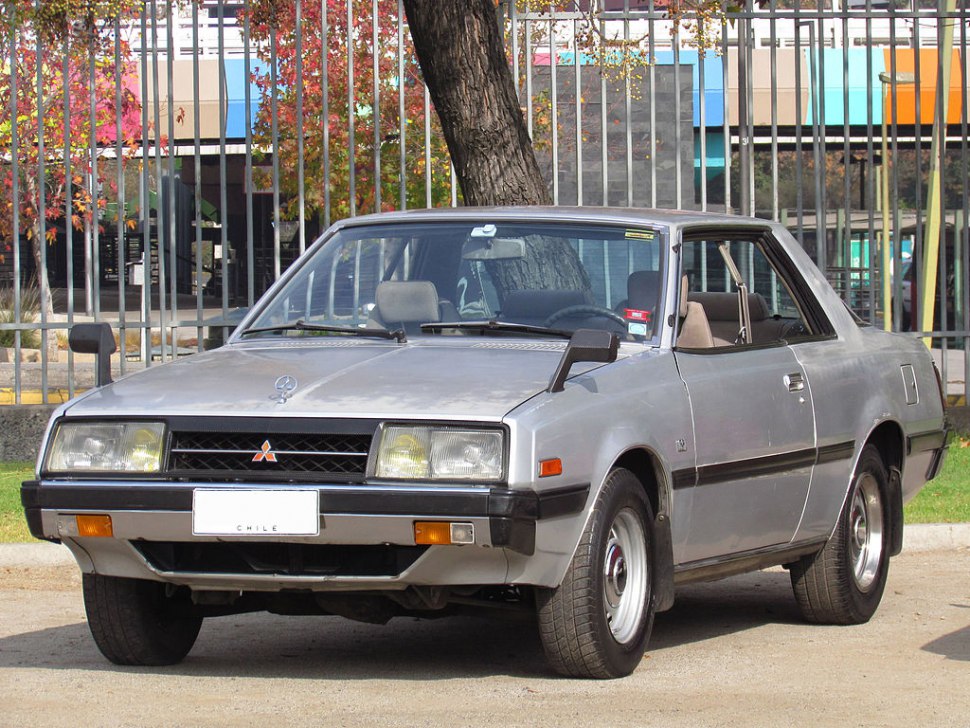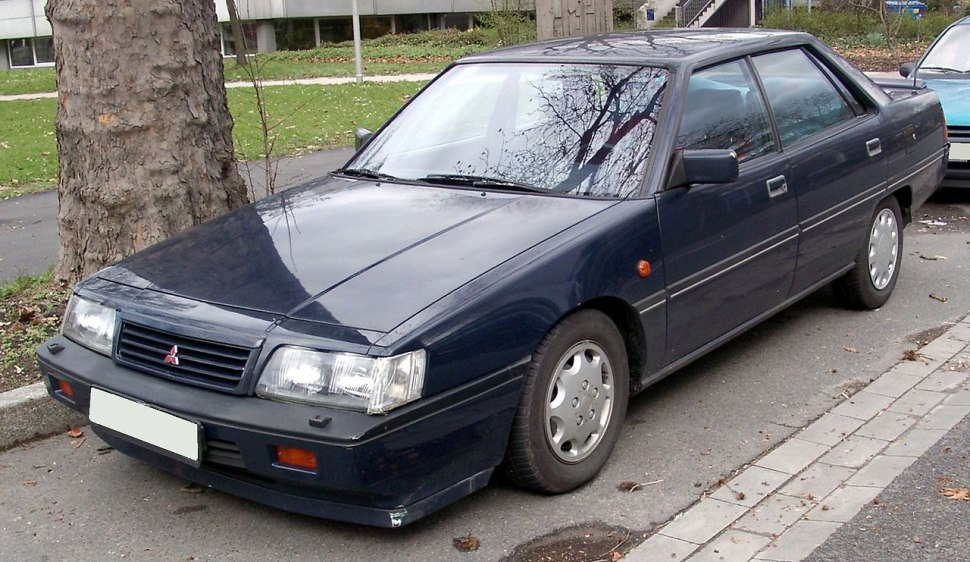
The Mitsubishi Sapporo III (E16A) 2.3, produced between 1987 and 1990, represents the final iteration of Mitsubishi’s Sapporo coupe. While not officially sold in the United States, the Sapporo held a significant position in the Japanese domestic market (JDM) as a stylish and relatively affordable grand tourer. It was positioned above the Mitsubishi Starion and aimed to compete with other Japanese coupes like the Toyota Soarer and Nissan Leopard. The E16A generation, specifically the 2.3-liter variant, offered a blend of comfort, performance, and technology for its time, catering to buyers seeking a sporty yet refined driving experience. The Sapporo’s design reflected the late 1980s aesthetic, characterized by sharp lines, pop-up headlights, and a focus on aerodynamic efficiency. It served as a showcase for Mitsubishi’s engineering capabilities and design language during that period.
Mitsubishi Sapporo III (E16A) 2.3: A Detailed Overview
Origins and Market Positioning
The Sapporo nameplate first appeared in 1978, initially as a rebadged Dodge Colt Galant. Subsequent generations evolved into distinctly Mitsubishi designs. The third generation, the E16A, marked a significant step forward in terms of styling, technology, and overall refinement. In Japan, the Sapporo was marketed as a personal luxury coupe, appealing to drivers who desired a comfortable and stylish vehicle for long-distance cruising. It wasn’t intended to be a hardcore sports car like the Starion, but rather a more sophisticated and grand touring-oriented option. The Sapporo’s relative affordability compared to European grand tourers made it a popular choice among Japanese buyers.
Engine & Performance
The Sapporo III 2.3 (E16A) was powered by a naturally aspirated 2.3-liter inline-four cylinder gasoline engine. This engine, designated as the E16A, produced 124 horsepower. While this output may seem modest by modern standards, it was considered respectable for a coupe of its size and era. The engine featured a single overhead camshaft (SOHC) configuration and utilized a carburetor for fuel delivery. Power was delivered to the rear wheels, providing a traditional rear-wheel-drive experience. Transmission options typically included a five-speed manual or a four-speed automatic. Performance figures were not extensively published, but the Sapporo 2.3 was estimated to achieve a 0-60 mph time of around 9-10 seconds, with a top speed of approximately 115 mph. The focus was less on outright acceleration and more on smooth, effortless cruising. The engine’s tuning prioritized reliability and fuel efficiency alongside reasonable performance.
Design & Features
The E16A Sapporo’s exterior design was a defining characteristic of the model. The coupe body style featured a sleek silhouette, with a long hood and a sloping rear roofline. Pop-up headlights were a prominent design element, contributing to the car’s sporty appearance. The body was constructed using a combination of steel and aluminum to balance weight and rigidity. Inside, the Sapporo offered a comfortable and well-equipped cabin for its time. Features included cloth or velour upholstery, power windows, power locks, and an optional air conditioning system. Higher trim levels offered additional luxuries such as leather seats, a premium sound system, and cruise control. Safety features were relatively basic by today’s standards, consisting primarily of seatbelts and a collapsible steering column. The interior layout was driver-focused, with clearly marked gauges and controls. The Sapporo’s design aimed to create a sense of spaciousness and comfort, making it suitable for long journeys. The overall aesthetic reflected the design trends of the late 1980s, emphasizing clean lines and a sophisticated appearance.
Technological Innovations
While not groundbreaking, the Sapporo III incorporated several technological features that were considered advanced for its time. The electronic fuel injection system, though not standard on all models, improved fuel efficiency and engine performance. The available automatic transmission featured electronic control, providing smoother and more precise gear changes. The Sapporo also offered an optional digital instrument cluster, displaying information such as speed, engine RPM, and fuel level in a modern and futuristic format. The suspension system was designed to provide a comfortable ride while maintaining good handling characteristics. The steering system was power-assisted, making it easier to maneuver the car in urban environments. These technological advancements contributed to the Sapporo’s appeal as a refined and modern grand tourer.
Technical Specifications
| Brand | Mitsubishi |
| Model | Sapporo |
| Generation | Sapporo III (E16A) |
| Type (Engine) | 2.3 (E16A) (124 Hp) |
| Start of production | 1987 |
| End of production | 1990 |
| Powertrain Architecture | Internal Combustion engine |
| Body type | Coupe |
| Fuel Type | Petrol (Gasoline) |
| Power | 124 Hp |
| Engine aspiration | Naturally aspirated engine |
The Mitsubishi Sapporo III (E16A) 2.3, despite its limited presence outside of Japan, remains a noteworthy vehicle from the late 1980s. It represents a period of innovation and refinement for Mitsubishi, showcasing the company’s ability to create stylish and comfortable coupes. While it didn’t achieve widespread international recognition, the Sapporo held a special place in the hearts of Japanese car enthusiasts, offering a compelling alternative to European and American grand tourers. Its blend of performance, comfort, and technology made it a popular choice for drivers seeking a sophisticated and enjoyable driving experience. Today, the Sapporo III is a sought-after classic among collectors and enthusiasts, representing a unique and often overlooked chapter in Mitsubishi’s automotive history.