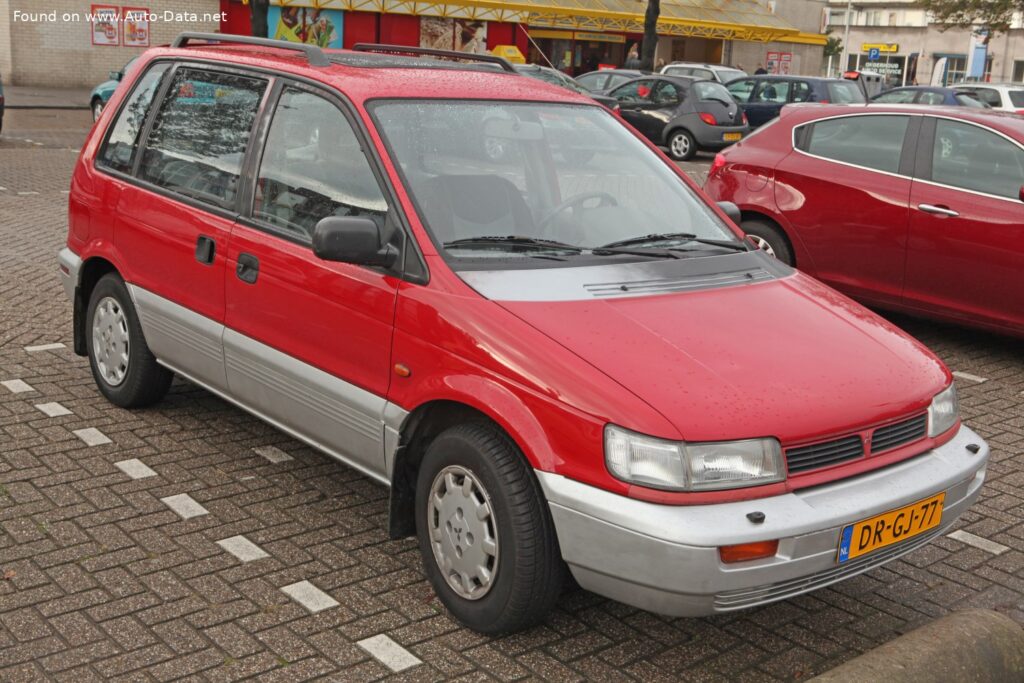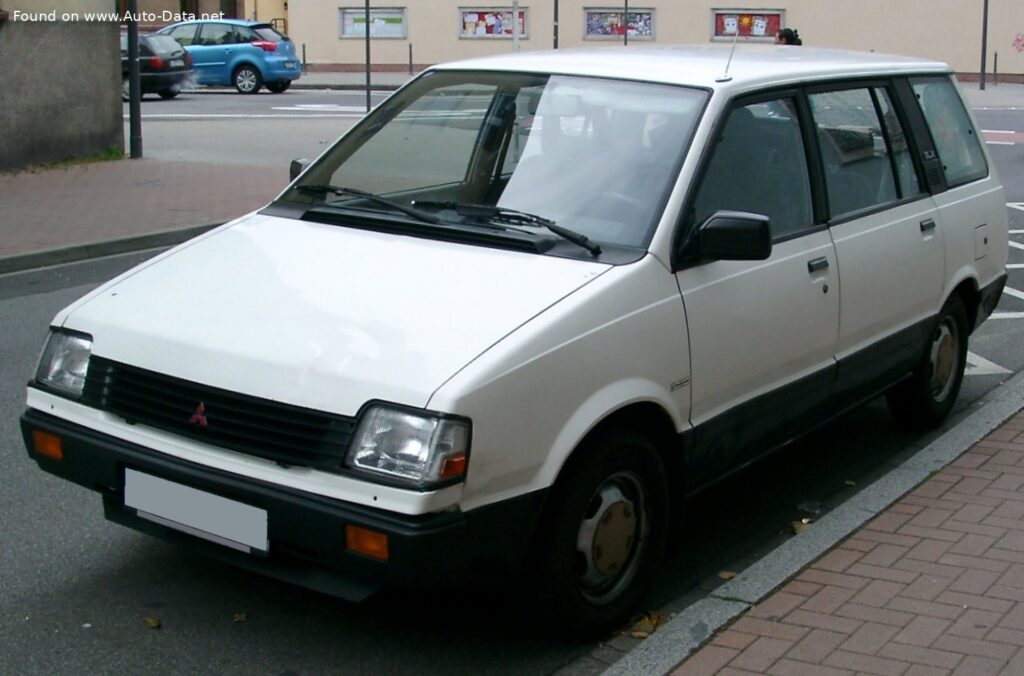
The Mitsubishi Space Wagon, known as the Mitsubishi Chariot in Japan, represents Mitsubishi’s entry into the increasingly popular compact minivan segment of the late 1980s. Introduced in 1988 and produced through 1991 for the first generation (D08W), the Space Wagon aimed to provide a practical and versatile vehicle for families, offering a blend of space, comfort, and, in the GLXi 4×4 variant, all-wheel drive capability. While not officially sold in the United States, the Space Wagon was a significant model for Mitsubishi in Europe, Australia, and Asia, competing with vehicles like the Toyota Previa and Nissan Serena. The first generation established the Space Wagon’s core characteristics – a spacious interior, flexible seating arrangements, and a focus on family-oriented features. This article details the technical specifications and characteristics of the 2.0 GLXi 4×4 (D08W) version, producing 101 horsepower.
Mitsubishi Space Wagon I: An Overview
The Space Wagon I, designated chassis code D08W, was a pivotal model for Mitsubishi, marking their serious intent in the burgeoning minivan market. Prior to the Space Wagon, Mitsubishi’s offerings in this segment were limited. The Space Wagon distinguished itself with a relatively compact footprint for a minivan, making it easier to maneuver in urban environments compared to larger American-market vans. The GLXi 4×4 trim level, specifically, added the benefit of all-wheel drive, enhancing traction and stability in various weather conditions. The vehicle’s design prioritized interior space and practicality, with a focus on creating a comfortable and functional environment for passengers. The Space Wagon I was available with a range of engine options depending on the market, but the 2.0-liter gasoline engine, as featured in the GLXi 4×4, was a common choice, offering a balance of performance and fuel economy.
Engine & Performance
The Mitsubishi Space Wagon I 2.0 GLXi 4×4 is powered by a naturally aspirated 2.0-liter inline-four cylinder gasoline engine. This engine produces 101 horsepower, providing adequate power for everyday driving and light hauling. While not a performance-oriented vehicle, the engine delivers a reasonable level of acceleration and responsiveness. The engine is paired with either a four-speed automatic or a five-speed manual transmission, depending on the specific market and customer preference. The 4×4 drivetrain utilizes a viscous coupling to automatically distribute torque between the front and rear axles, enhancing traction on slippery surfaces. This system operates primarily as a rear-wheel drive vehicle under normal conditions, engaging the front wheels when wheel slip is detected. The engine’s naturally aspirated design means it relies solely on atmospheric pressure for air intake, resulting in a linear power delivery and predictable performance characteristics. The engine’s simplicity also contributes to its reliability and ease of maintenance. The Space Wagon’s suspension system consists of MacPherson struts in the front and a multi-link setup in the rear, providing a comfortable ride quality and stable handling.
Design & Features
The Mitsubishi Space Wagon I features a traditional minivan silhouette, characterized by a boxy shape designed to maximize interior space. The vehicle’s exterior styling is relatively understated, prioritizing functionality over aesthetics. The GLXi trim level typically includes features such as alloy wheels, body-colored bumpers, and upgraded interior trim. The Space Wagon’s interior is its defining feature, offering a spacious and versatile cabin. The vehicle typically seats seven passengers, with a flexible seating arrangement that allows for various configurations. The rear seats can be folded flat or even removed entirely to create a larger cargo area. The dashboard layout is straightforward and functional, with easy-to-read gauges and controls. Features such as air conditioning, power windows, and a basic audio system were commonly included in the GLXi trim level. Safety features for the era were relatively basic, typically including seatbelts for all passengers and a collapsible steering column. The Space Wagon’s large windows and upright seating position provide good visibility for the driver and passengers. The 4×4 system adds a layer of security and confidence, particularly in inclement weather conditions. The overall design philosophy of the Space Wagon I centered around providing a practical and comfortable vehicle for families, prioritizing space, versatility, and ease of use.
Technical Specifications
| Brand | Mitsubishi |
| Model | Space Wagon |
| Generation | Space Wagon I |
| Type | 2.0 GLXi 4×4 (D08W) (101 Hp) |
| Start of production | 1988 |
| End of production | 1991 |
| Powertrain Architecture | Internal Combustion engine |
| Body type | Minivan |
| Fuel Type | Petrol (Gasoline) |
| Engine Power | 101 Hp |
| Engine Aspiration | Naturally aspirated engine |
The Mitsubishi Space Wagon I, particularly the 2.0 GLXi 4×4 variant, represented a significant step forward for Mitsubishi in the competitive minivan market. While not a high-performance vehicle, it offered a compelling combination of space, versatility, and all-wheel drive capability. Its focus on practicality and family-oriented features made it a popular choice in Europe, Australia, and Asia. The Space Wagon I laid the foundation for subsequent generations of the vehicle, which continued to evolve and refine the core characteristics that made it a success. The D08W chassis code Space Wagon remains a notable example of late 1980s Japanese automotive engineering, demonstrating a commitment to providing functional and reliable transportation for families. The vehicle’s relatively simple mechanical design contributes to its enduring appeal among enthusiasts and collectors, offering a straightforward and enjoyable driving experience.