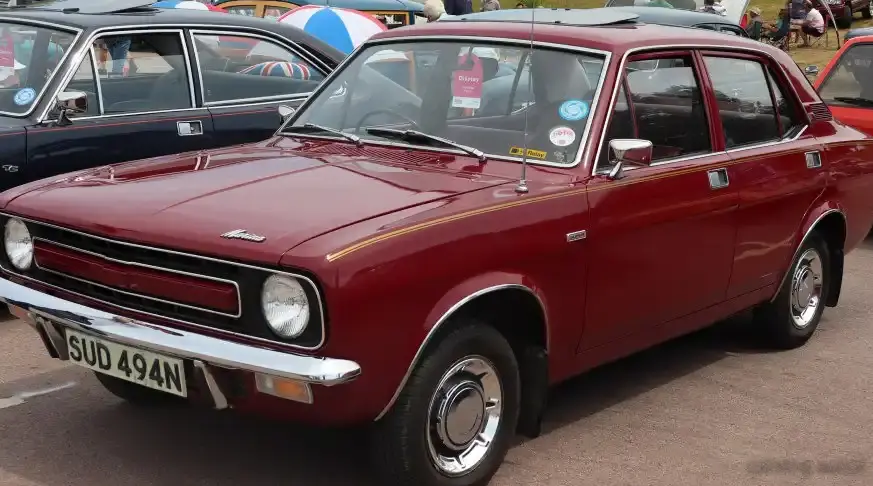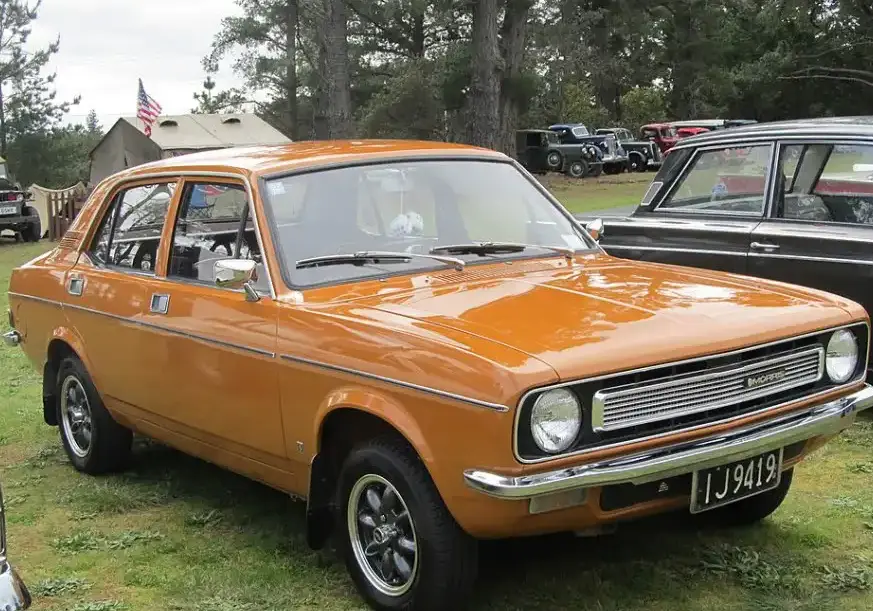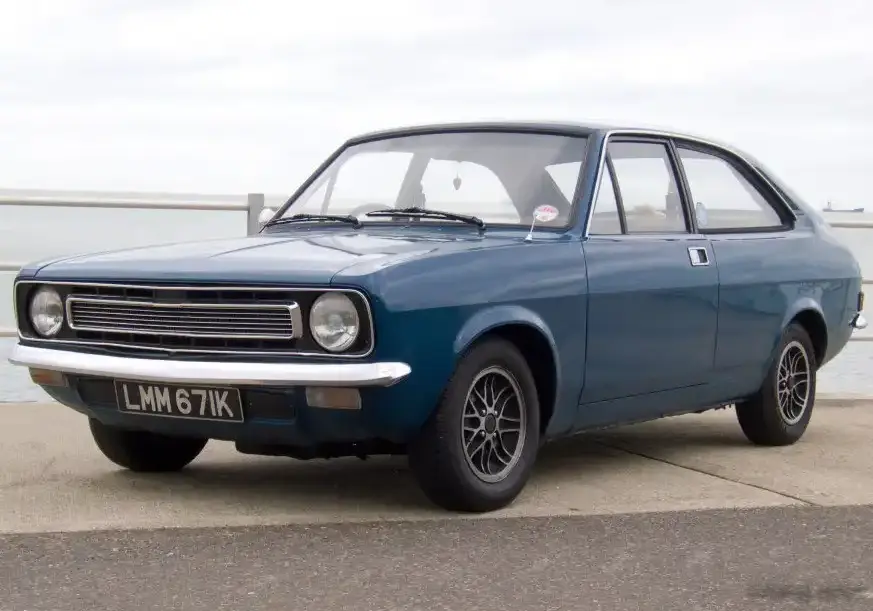
The Morris Marina Coupe I 1800, produced between 1971 and 1975, represented a significant attempt by British Leyland to modernize and consolidate its offerings in the face of increasing competition. Positioned as a stylish, affordable coupe, the 1800 variant occupied a middle ground within the Marina range, offering a step up in performance from the base models while remaining accessible to a broad customer base. The Marina itself was a product of rapid development, intended to replace a multitude of aging models across the BL portfolio, and the Coupe aimed to inject some excitement into the lineup. It was built on the Morris Marina platform, sharing many components with the saloon and estate versions, but distinguished by its two-door body style and more sporting aspirations.
Technical Specifications
| Brand | Morris |
| Model | Marina |
| Generation | Marina Coupe I |
| Type (Engine) | 1800 (72 Hp) |
| Start of Production | 1971 |
| End of Production | 1975 |
| Powertrain Architecture | Internal Combustion Engine |
| Body Type | Coupe |
| Fuel Type | Petrol (Gasoline) |
| Power | 72 Hp |
| Engine Aspiration | Naturally Aspirated |
Powertrain & Engine Architecture
The heart of the Marina Coupe I 1800 was the B-Series engine, a 1798cc inline-four cylinder unit. This engine, while a long-standing design within British Leyland, had undergone numerous revisions over the years. In the 1800 guise, it featured a single Zenith 36mm carburetor, a relatively simple ignition system, and a modest compression ratio of around 8.5:1. The engine produced 72 horsepower at 4,750 rpm and 95 lb-ft of torque at 3,000 rpm. The engine block was cast iron, while the cylinder head was aluminum. Valve actuation was via a single overhead camshaft, operating pushrods to actuate the valves. The 1800 typically came equipped with a four-speed manual gearbox, but a Borg-Warner three-speed automatic transmission was also offered, though less common. The automatic transmission was a key differentiator, appealing to buyers prioritizing comfort and ease of driving over outright performance. The engine’s design, while robust, was known for its susceptibility to overheating if not properly maintained, particularly in warmer climates.
Driving Characteristics
The Marina Coupe I 1800 with the 72 hp engine and manual transmission offered adequate, but not exhilarating, performance. Acceleration to 60 mph took around 14-15 seconds, and the top speed was approximately 90 mph. The automatic transmission version predictably reduced these figures, adding a second or two to the 0-60 time. The car’s handling was generally considered safe and predictable, but not particularly sporty. The suspension, consisting of independent front suspension with coil springs and a live axle rear suspension with leaf springs, provided a comfortable ride, but body roll was noticeable in corners. The steering was a traditional worm-and-roller setup, which lacked the precision of more modern rack-and-pinion systems. The automatic transmission, while providing smooth shifts, contributed to a feeling of lethargy, especially when attempting to overtake or climb hills. The gear ratios were geared towards fuel economy and cruising rather than spirited driving.
Equipment & Trim Levels
The Morris Marina Coupe I 1800 was positioned as a relatively well-equipped car for its price point. Standard features included reclining front seats, a heater, and a basic instrument panel. The interior trim was typically cloth upholstery, available in a range of colors. The dashboard was constructed from a durable plastic, and featured a woodgrain effect on some models. Optional extras included a radio, a vinyl roof, and upgraded interior trim. The 1800 trim level generally received slightly more luxurious appointments than the base models, such as a more comprehensive instrument cluster and improved seat fabrics. The Coupe body style itself was considered a step up in terms of visual appeal, offering a more streamlined and modern appearance compared to the saloon.
Chassis & Braking
The Marina Coupe I 1800 utilized a monocoque chassis construction, providing a reasonable balance of strength and weight. The front suspension featured independent wishbones and coil springs, while the rear suspension employed a live axle with leaf springs. This configuration was typical for British cars of the era. Braking was initially provided by Girling hydraulic disc brakes on the front wheels and drum brakes on the rear. Later models saw the introduction of rear disc brakes on some variants, but the 1800 typically retained the drum setup. The braking system was adequate for normal driving conditions, but lacked the stopping power of more modern systems. Steering was a worm-and-roller type, providing a relatively heavy feel. The car rode on 165×13 tires, which contributed to a comfortable, if somewhat vague, ride.
Market Reception & Comparison
The Morris Marina Coupe I 1800 received a mixed reception from automotive critics. While praised for its styling and affordability, it was often criticized for its lack of performance and somewhat dated technology. Compared to its rivals, such as the Ford Cortina and Vauxhall Victor, the Marina offered a more stylish alternative, but fell short in terms of driving dynamics and refinement. The 1800 engine, while adequate, was considered underpowered for the Coupe body style, and the automatic transmission further diminished performance. Fuel economy was reasonable for the time, averaging around 25-30 mpg. Reliability was a recurring concern, with reports of engine overheating and electrical issues. The 1.8L engine was a compromise; the 1.3L models were seen as too slow for many buyers, while the more powerful 2.0L versions commanded a higher price.
Legacy
The Morris Marina Coupe I 1800, while not a resounding success, played a significant role in the British automotive landscape of the 1970s. It represented an attempt to modernize and consolidate British Leyland’s offerings, and its stylish Coupe body appealed to a broad range of buyers. Today, the Marina Coupe I 1800 is a relatively rare sight on the roads, and well-maintained examples are sought after by classic car enthusiasts. The B-Series engine, while prone to certain issues, is relatively easy to maintain and repair, and spare parts are still available. The car’s simple construction and affordability make it an attractive entry point into the world of classic British motoring. However, potential buyers should be aware of the potential for rust and engine overheating, and should ensure that any prospective purchase has been properly maintained. The 1800 automatic, while not the most desirable configuration for performance enthusiasts, offers a unique and charming driving experience, representing a bygone era of British automotive design.