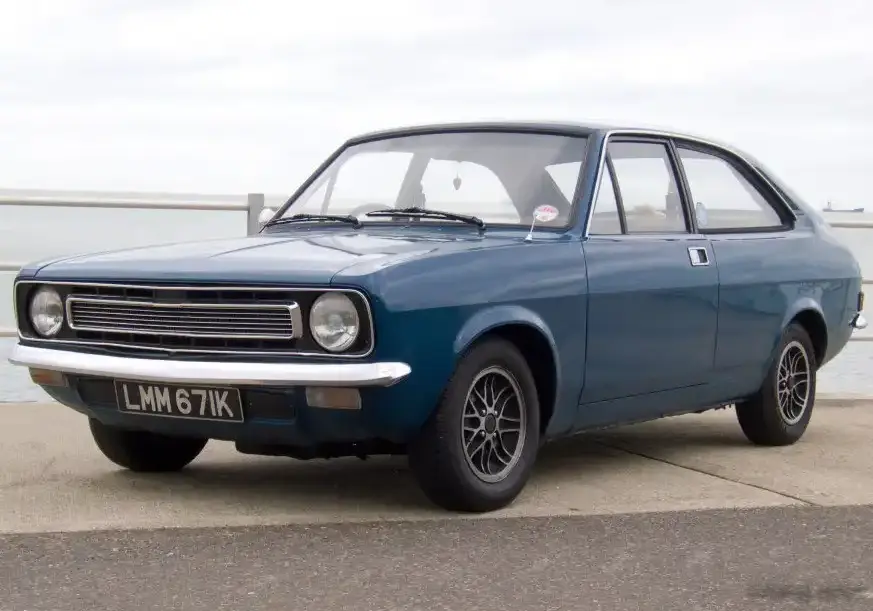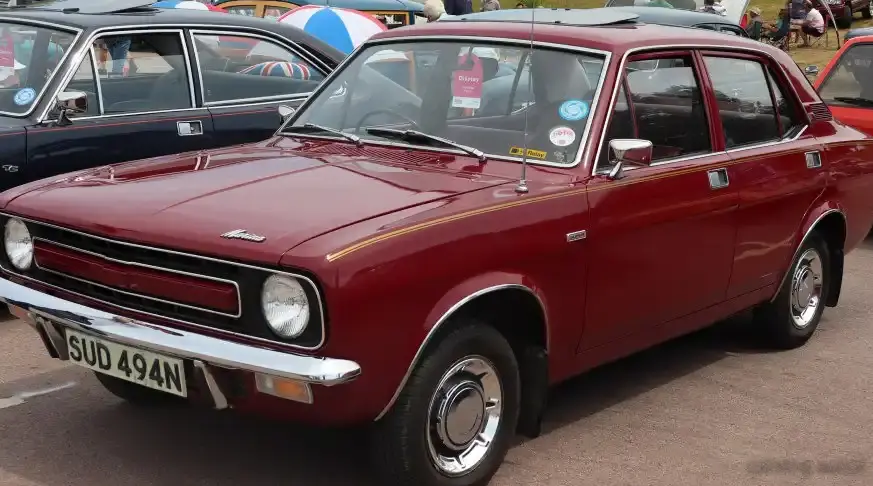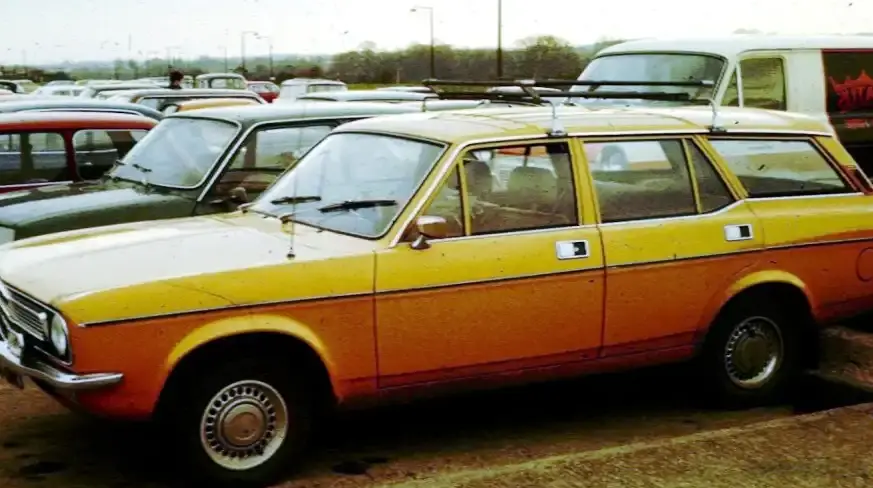
The Morris Marina II Station Wagon 1300, produced between 1978 and 1980, represented a key offering in the British Leyland portfolio during a period of significant automotive industry challenges. Positioned as an affordable and practical family vehicle, the 1300 variant, delivering 58 horsepower, served as the entry point into the Marina estate car range. It was built upon the existing Morris Marina platform (designated Series II), which itself was a response to the need for a modern, domestically produced family car to replace the aging Morris Minor and Farina models. The Marina II updates included minor cosmetic revisions and improvements to interior trim, but the core mechanical layout remained largely unchanged from the original Marina launched in 1971. This particular station wagon aimed to provide economical transportation for families, prioritizing practicality and affordability over outright performance.
Technical Specifications
| Brand | Morris |
| Model | Marina |
| Generation | Marina II Station Wagon |
| Type (Engine) | 1300 (58 Hp) |
| Start of Production | 1978 |
| End of Production | 1980 |
| Powertrain Architecture | Internal Combustion Engine |
| Body Type | Station Wagon (Estate) |
| Fuel Type | Petrol (Gasoline) |
| Power | 58 Hp |
| Engine Aspiration | Naturally Aspirated |
Powertrain & Engine Architecture
The heart of the Marina II 1300 Station Wagon was the A-Series engine, a 1275cc inline-four cylinder unit. This engine, while a long-standing design dating back to the 1950s, was known for its robustness and relative simplicity. The 58 horsepower output was achieved through a relatively low compression ratio and a single Zenith 36WE carburetor. The engine featured a pushrod valvetrain, operating with two valves per cylinder. Lubrication was provided by a conventional wet sump system. The engine was mated to a four-speed manual gearbox as standard, although a Borg-Warner three-speed automatic transmission was offered as an optional extra. The automatic transmission, while providing ease of use, did noticeably impact the car’s acceleration and fuel economy. The engine’s design prioritized low-end torque over high-revving power, making it suitable for everyday driving conditions. The cooling system was a traditional radiator-based setup with a mechanical water pump.
Driving Characteristics
The Marina II 1300 Station Wagon, particularly in automatic guise, was not a performance-oriented vehicle. Acceleration was modest, with a 0-60 mph time estimated to be around 18-20 seconds. The four-speed automatic transmission featured relatively widely spaced gear ratios, contributing to a somewhat sluggish feel. However, the engine’s low-end torque made it reasonably tractable for everyday driving, especially around town. The steering was light, but lacked precision, and the suspension, while providing a comfortable ride, was prone to body roll in corners. The automatic transmission, while convenient, further diminished any sporting pretensions. Compared to the 1.7-liter versions of the Marina, the 1300 offered significantly less power and performance, but at a lower purchase price and with potentially better fuel economy. The manual transmission version offered a slightly more engaging driving experience, allowing the driver to better utilize the engine’s available power.
Equipment & Trim Levels
The Marina II 1300 Station Wagon was typically equipped with basic, functional trim. Standard features included cloth upholstery, a basic instrument panel with speedometer and fuel gauge, and manually operated windows and door locks. The interior was designed for practicality rather than luxury. The station wagon body style offered a generous amount of cargo space, making it ideal for families or those requiring a versatile vehicle. Optional extras included a radio, heater, and upgraded upholstery. The trim level was generally considered to be the base model within the Marina range, with the 1.7 and 1.8 models offering more luxurious appointments. Exterior features typically included black plastic bumpers and relatively simple steel wheels with hubcaps.
Chassis & Braking
The Marina II utilized a conventional body-on-frame construction, which contributed to its relatively low cost but also compromised its handling and refinement compared to more modern unibody designs. The front suspension consisted of independent wishbones and coil springs, while the rear suspension employed a live axle with leaf springs. Braking was initially provided by Girling hydraulic disc brakes on the front wheels and drum brakes on the rear. Later models sometimes featured rear disc brakes as standard equipment, depending on the specific market and trim level. Steering was by a worm and roller system, which was known for its simplicity but lacked precision. The chassis was designed to prioritize ride comfort and durability over sporty handling.
Market Reception & Comparison
The Morris Marina II 1300 Station Wagon was generally viewed as a practical and affordable family car, but it faced stiff competition from rivals such as the Ford Cortina, Vauxhall Cavalier, and Hillman Avenger. Critics often pointed to the Marina’s somewhat dated design and lack of refinement compared to its competitors. However, its low price and spacious interior made it an attractive option for budget-conscious buyers. The 1300 engine, while adequate for everyday driving, was often criticized for its lack of power, particularly when paired with the automatic transmission. Fuel economy was reasonable for the time, but not exceptional. Compared to the higher-powered Marina variants, the 1300 offered lower running costs but at the expense of performance. Reliability was a mixed bag, with some owners reporting issues with the engine and transmission, while others experienced few problems.
Legacy
The Morris Marina II 1300 Station Wagon, while not a particularly groundbreaking vehicle, played a significant role in providing affordable transportation for British families during the late 1970s. Today, it is considered a classic car, and well-maintained examples are sought after by enthusiasts. The A-Series engine remains a popular choice for classic car restoration projects due to its simplicity and readily available parts. The automatic transmission versions, while less desirable to some, offer a unique driving experience and are relatively rare. The Marina’s legacy is somewhat tarnished by its association with the industrial unrest and quality control issues that plagued British Leyland during this period. However, it remains a recognizable and fondly remembered vehicle for many who grew up in the 1970s and 1980s. Finding parts can be challenging, but a dedicated network of classic car suppliers continues to support owners of these vehicles.