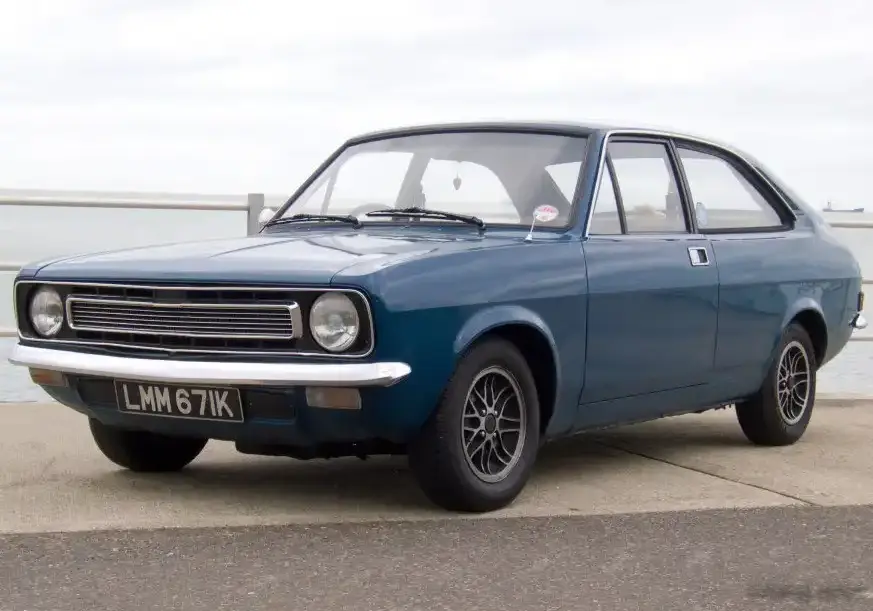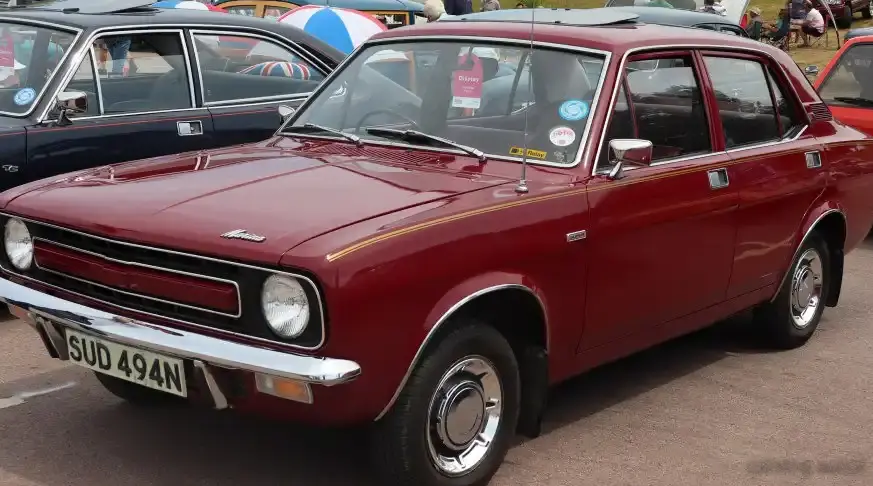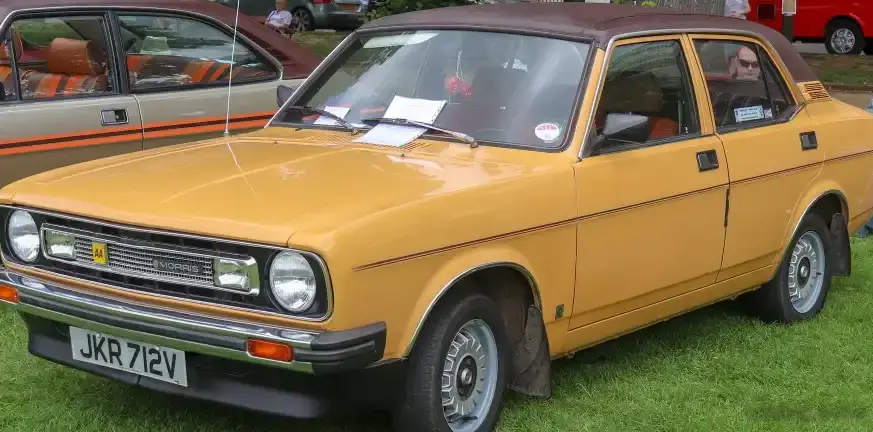
The Morris Marina III 1.5 Diesel, produced between 1978 and 1980, represented a late-life effort to modernize and broaden the appeal of the aging Marina range. Introduced as a fuel-efficient alternative in a period of rising petrol prices, this variant aimed to capture a segment of the market prioritizing economy over outright performance. It was positioned as the entry-level diesel offering within the Marina III lineup, below the more powerful 1.8-liter diesel. The Marina itself, built on the ADO17 platform, was a product of British Leyland’s attempt to consolidate its offerings and replace a multitude of older models. The 1.5 Diesel was a relatively short-lived iteration, reflecting the model’s overall decline in popularity and the impending arrival of newer British Leyland designs.
Technical Specifications
| Brand | Morris |
| Model | Marina |
| Generation | Marina III |
| Type (Engine) | 1.5 Diesel (50 Hp) |
| Start of Production | 1978 |
| End of Production | 1980 |
| Powertrain Architecture | Internal Combustion Engine |
| Body Type | Sedan |
| Fuel Type | Diesel |
| Power | 50 Hp |
| Engine Aspiration | Naturally Aspirated |
Powertrain & Engine Architecture
The heart of the Marina III 1.5 Diesel was the 1500cc OHC diesel engine, a unit derived from the earlier BMC B-series engine. While sharing some fundamental architecture with its petrol counterparts, the diesel version featured significant modifications to accommodate the demands of compression ignition. The engine employed indirect injection, utilizing a Bosch rotary injection pump and pre-combustion chambers. This system, while relatively simple, was known for its robustness but also for its comparatively noisy operation and modest power output. The engine’s single overhead camshaft operated the valves, a feature that was relatively modern for a diesel engine of this era. The 50 horsepower output was achieved at a relatively low engine speed, prioritizing torque over peak power. The engine was mated to a four-speed manual gearbox as standard, although an optional three-speed automatic transmission was available, albeit rarely selected due to its further reduction in performance and increased fuel consumption. The automatic transmission was a Borg-Warner unit, known for its durability but also for its somewhat sluggish shifting characteristics.
Driving Characteristics
The driving experience in the Marina III 1.5 Diesel was defined by its utilitarian nature. Acceleration was decidedly slow, with 0-60 mph times exceeding 18 seconds. The engine’s strength lay in its low-end torque, making it reasonably capable for everyday driving and hauling moderate loads. However, overtaking maneuvers required careful planning and a significant amount of anticipation. The four-speed manual gearbox offered a degree of control, allowing the driver to keep the engine within its optimal operating range. The optional automatic transmission further dulled performance, resulting in a noticeably less responsive driving experience. Steering was light but lacked precision, and the suspension, while providing a reasonably comfortable ride, was prone to body roll in corners. Compared to the 1.8-liter diesel Marina, the 1.5 offered less power and refinement, but it did provide slightly better fuel economy. Against petrol-powered Marinas, the 1.5 Diesel traded performance for significantly improved fuel efficiency, a key selling point in the late 1970s.
Equipment & Trim Levels
The Marina III 1.5 Diesel was typically offered in a basic trim level, reflecting its position as the entry-level diesel model. Standard equipment included cloth upholstery, a basic instrument panel with speedometer and fuel gauge, and manually operated windows and door locks. Central locking, electric windows, and a more comprehensive instrument cluster were not typically available on this variant. Optional extras included a radio, heated rear window, and upgraded interior trim. The exterior trim was relatively simple, with black plastic bumpers and minimal chrome detailing. The interior was functional but lacked the aesthetic appeal of more upmarket vehicles. The overall impression was one of practicality and affordability rather than luxury or sophistication.
Chassis & Braking
The Marina III utilized a conventional body-on-frame construction, which contributed to its relatively robust but also somewhat heavy character. The front suspension consisted of independent wishbones and coil springs, while the rear suspension employed a live axle with leaf springs. This setup provided a reasonably comfortable ride but was not particularly sophisticated in terms of handling. Braking was initially provided by front disc brakes and rear drum brakes. Later models saw the introduction of rear disc brakes on some trims, but the 1.5 Diesel typically retained the drum brake setup. The braking system was adequate for normal driving conditions but lacked the stopping power of more modern vehicles. Steering was by a recirculating ball system, which offered light steering effort but lacked precision and feedback.
Market Reception & Comparison
The Morris Marina III 1.5 Diesel received a mixed reception from automotive critics. While its fuel economy was praised, its performance was widely criticized as being inadequate, even by the standards of the time. The engine was considered noisy and unrefined, and the overall driving experience was described as unremarkable. Compared to rivals such as the Ford Cortina and Vauxhall Cavalier, the Marina was often seen as being less sophisticated and less enjoyable to drive. However, the Marina’s affordability and robust construction appealed to buyers seeking a practical and reliable vehicle. The 1.5 Diesel variant was particularly popular with fleet operators and those who prioritized fuel economy above all else. Its fuel consumption was significantly better than that of the petrol-powered Marinas, making it an attractive option for high-mileage drivers.
Legacy
The Morris Marina III 1.5 Diesel, while not a particularly memorable vehicle, played a role in providing affordable transportation during a period of economic uncertainty. The 1500cc diesel engine proved to be reasonably durable, and many examples remained on the road for many years after production ceased. However, the Marina’s overall reputation for unreliability and its somewhat dated design contributed to its decline in the used car market. Today, surviving examples are relatively rare and are primarily sought after by enthusiasts and collectors interested in preserving a piece of British automotive history. The 1.5 Diesel variant, in particular, is valued for its simplicity and its representation of a specific era in automotive engineering. While not a performance icon, it stands as a testament to the enduring appeal of fuel-efficient and practical transportation.